Best Acoustic Piano For Intermediate Players: Top Picks
The Yamaha YDP105 is my top pick for intermediate players seeking an acoustic-style piano feel at home.
You may have outgrown a basic keyboard, yet still lack space, money, or permission for a full acoustic upright. That is a common step in piano study. Intermediate players need real key resistance, all 88 notes, a steady pedal setup, and a tone that inspires daily practice. I reviewed the listed pianos and piano books with those needs in mind. The Yamaha YDP105 and Roland FP-10 are digital pianos, not true acoustic pianos, but they offer the most useful acoustic-style practice features in this group. The books add strong classical, film, jazz, and pop material for players who want to keep growing.
Yamaha YDP105 Digital Upright Piano

The Yamaha YDP105 is the closest match in this guide for players who want an upright piano look and a traditional home setup. It uses 88 weighted keys, so your fingers feel a clear difference between light and firm playing. That resistance helps build control for scales, chords, repeated notes, and soft phrases. The upright cabinet also gives the room a more settled, furniture-style look than a simple keyboard stand.
Yamaha’s piano voice aims for a warm, familiar sound that suits classical work, worship music, ballads, and daily drills. The three-pedal unit supports common piano techniques, including sustain and soft playing. A bench is included, which makes the package more useful for a new home setup. It still does not produce sound through strings and a soundboard like a true acoustic piano, but it offers a quiet, tidy, and low-maintenance way to practice.
Pros:
- Full 88-key range supports advanced repertoire
- Weighted action encourages better finger strength
- Upright design fits a living room or lesson space
- Three pedals support proper piano technique
- Bench included for a ready-to-use setup
- Digital operation avoids tuning and many repair costs
Cons:
- It is a digital piano, not a string-based acoustic piano
- The upright cabinet takes more floor space than a portable model
- Players seeking a bright concert-grand tone may want more sound options
My Recommendation
I recommend the Yamaha YDP105 for an intermediate player who practices at home and wants a permanent piano station. It suits classical students, adult learners, and families who want a clean upright design without tuning visits. The weighted action and full pedal unit make it more useful for serious study than a light, unweighted keyboard. It also gives beginners room to grow instead of forcing an early upgrade.
For anyone comparing the best acoustic piano for intermediate players, this Yamaha is the strongest practical choice from the supplied instrument listings. It offers a convincing acoustic-style layout, stable daily performance, and simple ownership. Check the current Amazon price, delivery details, and warranty information before ordering, since those can change over time.
| Best for | Why |
|---|---|
| Home classical practice | Weighted 88-key action and three pedals support standard technique. |
| Players who want an upright look | The cabinet feels more like a traditional piano than a portable keyboard. |
| Low-maintenance ownership | Digital design needs no regular tuning. |
Roland FP-10 Compact Digital Piano

The Roland FP-10 is a smart choice for an intermediate player who values key feel more than cabinet style. Its compact frame works well in a bedroom, apartment, studio, or small lesson room. The 88-note keyboard gives you the full range needed for classical pieces and modern arrangements. Its SuperNATURAL piano sound also responds well to changes in touch, so a soft press and a firm press do not feel exactly the same.
The FP-10 includes Bluetooth and MIDI connectivity, which adds real value for modern practice. I can connect it to compatible learning apps, recording tools, or a computer-based music setup. That makes the piano more flexible than a traditional acoustic model, especially for players who study with headphones or record ideas. You may need a separate stand, bench, and pedal setup depending on the package, so review the listing contents carefully.
Pros:
- Compact shape suits small homes and apartments
- 88-note weighted keyboard supports serious study
- Responsive piano tone rewards changes in touch
- Bluetooth and MIDI expand lesson and recording options
- Headphone practice helps avoid disturbing others
- Portable design makes moving easier than an upright piano
Cons:
- Stand, bench, and some accessories may require separate purchase
- It lacks the visual presence of a traditional upright
- Digital speakers may not match the depth of a real acoustic cabinet
My Recommendation
I would choose the Roland FP-10 for an intermediate player who lives in a small space or wants to move the piano often. It is also a strong fit for students who use apps, connect to a laptop, or practice late with headphones. The action gives you a useful step toward acoustic piano technique without the weight and care demands of a full upright. Its clean layout keeps the focus on playing.
As a contender for the best acoustic piano for intermediate players, the FP-10 wins when space and digital features matter most. It is not an acoustic instrument, but its practical design may fit your real life better than a used upright. Confirm whether the selected Amazon package includes the stand and pedals you need.
Library of Piano Classics Songbook

The Library of Piano Classics is a useful companion for players who want a broad path through famous piano music. It gathers well-known classical works in a single volume, which can save you from buying many thin books. The selection is aimed at intermediate to advanced players, so it gives a growing student material that may remain useful for years. I like this kind of book because it turns practice into a journey rather than a list of random exercises.
Some pieces may feel easy, while others may require patient work with a teacher. That range is helpful because intermediate skill does not grow at one steady speed. You can use shorter pieces to improve sight-reading and reserve harder works for long-term goals. On a weighted digital piano such as the Yamaha or Roland, the music can help you practice balance, phrasing, pedal use, and dynamic control.
Pros:
- Offers many classical works in one collection
- Provides variety for daily practice
- Includes music suitable for longer-term growth
- Supports sight-reading and musical expression
- Works well with acoustic-style weighted keyboards
- Useful for lessons, home practice, and recital planning
Cons:
- Difficulty can vary widely from piece to piece
- Some players may need a teacher to choose a good starting work
- A sheet music book cannot replace focused technical practice
My Recommendation
I recommend this book for an intermediate player who feels stuck in a narrow song routine. It suits a student who wants to explore composers and build a classical repertoire list. It is also helpful for teachers who need several styles and levels in one volume. If your goal is to learn only pop songs, however, another book in this guide may feel more direct.
This collection does not qualify as an acoustic piano, but it can make your instrument far more rewarding. The best acoustic piano for intermediate players still needs good music, and this book supplies plenty of it. Check the page layout and edition details before buying if you prefer large print or specific editorial markings.
Beethoven Selected Piano Pieces

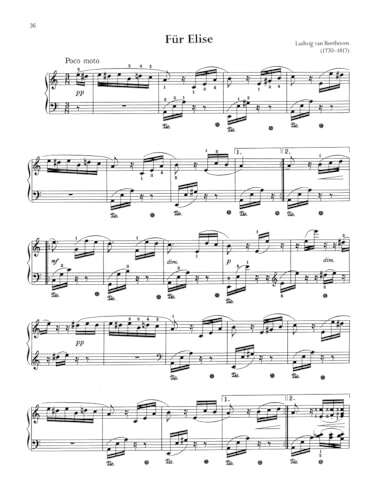
This Beethoven collection focuses on early intermediate to intermediate players and includes short solo works, sonatas, bagatelles, rondos, and dances. That mix gives you a useful view of Beethoven without forcing you to begin with his most demanding works. Short pieces can sharpen rhythm, articulation, and musical contrast. They also make it easier to finish a work and feel progress.
Beethoven’s music often asks the player to make clear choices. A phrase may need weight, restraint, sudden contrast, or a strong sense of pulse. This book can teach those skills while keeping practice engaging. A responsive weighted action helps, but careful listening matters more than the instrument price; even a modest digital piano can reveal weak timing and uneven touch.
Pros:
- Targets early intermediate and intermediate skill levels
- Includes several forms and short work types
- Builds control of rhythm and articulation
- Offers pieces suitable for lessons and recitals
- Helps students study contrast and musical character
- Short selections make progress easier to track
Cons:
- Beethoven’s style can challenge players who prefer easy pop music
- Some pieces may need slow, careful study
- Edition markings may not match every teacher’s preferred approach
My Recommendation
I recommend this volume for the intermediate player who wants stronger classical technique and musical focus. It is a good match for students preparing a recital piece or building a serious lesson plan. Players who enjoy short works will find it less daunting than a book filled only with large sonatas. I would pair it with scales, chord work, and a teacher’s feedback.
When you search for the best acoustic piano for intermediate players, remember that repertoire shapes your result as much as the keys do. Beethoven gives a good weighted piano a clear purpose. This book offers strong value if you want classical pieces that challenge your ear and hands without jumping straight to advanced concert works.
100 Beautiful Piano Solos Songbook

Many intermediate players lose interest when every practice session feels like a drill. This large solo collection helps solve that problem with classical, pop, jazz, film, and Broadway selections. The wide mix makes it easier to choose music that matches your mood. One day you may want a calm film theme; the next day you may want a bright stage favorite.
The book also works well for adults who want music they recognize. Familiar melodies can improve motivation, yet the arrangements still give you chances to work on melody balance, chord changes, rhythm, and pedal control. I suggest checking the level of each piece before starting, since a collection this broad will include easier and harder arrangements. It is best used as a flexible song bank, not as a fixed course.
Pros:
- Provides a broad mix of musical styles
- Helps keep daily practice fresh
- Includes familiar songs for adult learners
- Supports solo playing without another musician
- Useful for home playing and informal performances
- Offers material for different moods and skill levels
Cons:
- Not every selection will suit the same intermediate level
- The large range of styles may feel less focused to classical students
- Some players may prefer a book with digital audio support
My Recommendation
I recommend this songbook for the intermediate player who needs more joy in the practice room. It suits adult beginners moving beyond basic lessons, families with different music tastes, and players who perform for friends. The variety makes it easier to stay consistent, which is often more important than owning one perfect piece. It is also a good gift for a pianist who already has a keyboard but needs new goals.
Although it is not a piano, this collection improves the value of any instrument. A search for the best acoustic piano for intermediate players should include the music you will actually play. If these styles appeal to you, this book can become a reliable shelf favorite.
Cocktail Piano Jazz Solos, Volume 31

Cocktail Piano, Jazz Piano Solos Volume 31, is designed for players who want a smooth lounge sound. It includes classic jazz standards arranged for solo piano, so you can create a full musical feel without a band. The style rewards relaxed timing, clear chord voicings, and a singing right-hand line. It can make practice feel less like a worksheet and more like playing in a quiet café.
Intermediate jazz piano is not only about pressing the right notes. You also need to shape chords, leave space, and keep the melody easy to hear. This book gives you a chance to work on those habits in a musical setting. Players coming from classical study may need time to loosen the beat, while pop players may enjoy the richer chord colors from the start.
Pros:
- Offers 23 classic jazz standards for solo piano
- Builds chord voicing and melody skills
- Creates useful material for lounge-style playing
- Works for intermediate and advanced study
- Encourages expressive rhythm and phrasing
- Can support dinner music and small performances
Cons:
- Jazz harmony may feel difficult for a strict beginner
- Arrangements may not teach improvisation step by step
- Some players may want chord symbols or backing tracks
My Recommendation
I recommend this book for an intermediate player who wants to move beyond straight classical phrasing. It is best for adults, church musicians, lounge players, and students who enjoy standards. It can also help a classical pianist learn to shape a tune with more freedom. Start slowly, listen to several recordings, and avoid rushing the left-hand pattern.
This collection is a strong accessory for a weighted digital piano or acoustic upright. The best acoustic piano for intermediate players should let you hear soft chord colors, and a good piano action makes that work more natural. Buy it if jazz standards fit your taste and you want music with a polished, calm mood.
Best Movie Themes Ever Piano Solo

Film music can pull a player back to the piano after a long day. This songbook includes 80 movie themes arranged for piano solo, with material aimed at intermediate and advanced players. The large selection offers enough variety for private practice, teaching, and informal performance. Recognizable themes also give students a clear reason to work through a hard passage.
Movie themes often demand a broad sound, from quiet suspense to large, emotional climaxes. That makes this book useful for studying dynamics and pedal changes. Some arrangements may stretch an early intermediate player, so I would preview the music before choosing a recital piece. A full 88-key piano will give you the range needed for many of these arrangements, while weighted keys help with the dramatic changes in touch.
Pros:
- Includes 80 film themes in one book
- Encourages practice through familiar melodies
- Useful for recitals and home performances
- Supports work on dynamics and dramatic phrasing
- Fits teaching, adult study, and personal enjoyment
- Offers both popular and challenging material
Cons:
- Some pieces may be too hard for early intermediate players
- Film arrangements can vary in style and difficulty
- Players seeking original score versions may need another edition
My Recommendation
I recommend this book for the intermediate pianist who loves movies and wants clear performance goals. It suits students who need recital ideas, adults who want familiar music, and teachers looking for broad appeal. The themes can also make family listening more fun because people often recognize the melody at once. Choose pieces by level, then build speed only after the phrasing feels secure.
For someone choosing the best acoustic piano for intermediate players, this book shows why tone and dynamic control matter. A piano should let a soft theme whisper and a final chord open up. If film music motivates you, this songbook may deliver more practice value than a book of unfamiliar studies.
Disney Peaceful Piano Solos

Disney Peaceful Piano Solos offers 34 calm arrangements for intermediate players. The book focuses on gentle songs that work well for quiet practice, relaxation, and simple performances. Disney melodies often have a natural singable shape, so they help players study smooth legato and balanced voicing. This is a pleasant choice for anyone who wants the piano to feel like a place to breathe.
The arrangements can suit adults, students, teachers, and fans of film music. They may also work well for a player who feels nervous about performing because the melodies are familiar to many listeners. Do not mistake a peaceful sound for an effortless arrangement; some pages still require careful pedal work and hand balance. A weighted keyboard gives the player better control over the soft touch these pieces often need.
Pros:
- Includes 34 calming Disney songs
- Encourages gentle touch and legato playing
- Good for relaxation and low-pressure practice
- Familiar melodies can improve motivation
- Useful for adult learners and music teachers
- Works well for small home performances
Cons:
- The peaceful style may not suit players seeking fast pieces
- Some songs may need careful pedal control
- Disney fans may want more upbeat selections as well
My Recommendation
I recommend this collection for the intermediate pianist who wants calm music with a clear emotional pull. It is especially good for evening practice, adult learners, and players who enjoy film songs. Teachers can use it to introduce pedal control without making every lesson feel severe. It also makes a thoughtful add-on gift with a home digital piano.
This book cannot replace an acoustic instrument, but it can reveal whether a piano responds well to soft playing. The best acoustic piano for intermediate players should support quiet detail, not just loud volume. If peaceful music keeps you at the keys, this book offers excellent everyday value.
Tracy Chapman Piano Vocal Guitar Songbook

This Tracy Chapman songbook gives intermediate players a way to study contemporary folk, pop, and rock music. It includes piano parts, vocal lines, and guitar chords, so it can support solo work or group playing. The arrangements offer a change from classical repertoire and may feel more connected to everyday listening. Players who sing or accompany another musician will find the format especially useful.
The piano parts can teach steady patterns, chord movement, and support for a vocal melody. You will need to decide how much of the written part to play when accompanying a singer. That choice builds useful musical judgment and helps you avoid covering the main voice. A full-size piano works best, but the music can also fit a compact digital model for practice and rehearsal.
Pros:
- Supports piano, voice, and guitar players
- Offers contemporary folk, pop, and rock material
- Useful for accompaniment and group music
- Builds steady chord and rhythm patterns
- Provides a break from classical repertoire
- Good for singers who play piano
Cons:
- It is less useful for players focused only on classical technique
- Some songs may need vocal or guitar partners for full use
- Arrangement difficulty may differ across the collection
My Recommendation
I recommend this book for an intermediate player who wants to sing, accompany friends, or play modern songs. It fits adults, worship groups, small bands, and guitar-and-piano households. The format also helps a classical student learn how to support a melody rather than always lead it. If you want only solo piano arrangements, check the contents before ordering.
A strong piano is a musical partner, and this book tests that partnership in a useful way. The best acoustic piano for intermediate players should handle repeated chord patterns with an even touch. This songbook adds real-world playing skills that a standard classical book may not cover.
Intermediate Romantic Era Favorites

Romantic-era piano music can feel like a wide window opening after a long technical exercise. This collection gathers pieces for intermediate players who want melody, color, and emotional range. The spiral binding is practical because the pages can lie flatter on a music stand. That small detail matters when you are trying to keep both hands relaxed.
Romantic music asks for more than correct notes. Players must shape long lines, manage rubato with care, and keep accompaniment patterns beneath the melody. This book gives you a good place to practice those skills without choosing only the most famous advanced works. Use a metronome during the first stage, then add more freedom once the rhythm feels secure.
Pros:
- Focuses on expressive Romantic-era repertoire
- Targets intermediate players
- Supports melody, phrasing, and dynamic study
- Spiral binding makes page turns easier
- Useful for lessons and recital preparation
- Offers emotional variety beyond basic exercises
Cons:
- Rubato and pedal work may challenge newer intermediate players
- Players who prefer modern songs may find the style narrow
- Some pieces may require a careful warm-up before practice
My Recommendation
I recommend this book for the intermediate pianist who wants to sound more expressive. It suits players who already know basic scales and chords but want better phrasing and tone control. The flat spiral format is helpful for regular practice, especially when you work through a piece in small sections. I would pair it with one technical book to keep your progress balanced.
This is a valuable repertoire choice for any player comparing the best acoustic piano for intermediate players. Romantic pieces reward an instrument with a controlled soft touch and a clear middle range. The book offers good value for classical students who want music that feels personal, lyrical, and worth revisiting.
How to Choose the Best Acoustic Piano for Intermediate Players
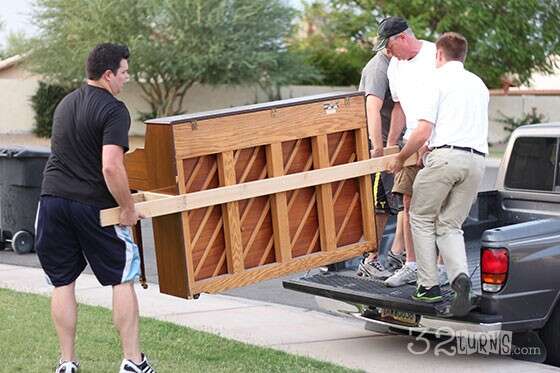
Before choosing a piano, decide whether you need a true acoustic instrument or an acoustic-style digital piano. A real acoustic piano uses strings, hammers, dampers, and a soundboard. It produces natural overtones and reacts to touch in a complex way. It also needs space, regular tuning, careful humidity control, and a safe delivery plan.
A digital piano uses recorded or modeled piano sound and a key sensor system. It cannot fully copy the moving air and changing resonance of a good acoustic piano. Still, a well-designed digital model can provide weighted keys, a full range, pedals, headphone practice, and simple volume control. For many homes, those benefits matter more than a traditional cabinet or string system.
Key action
Intermediate players should look for weighted or hammer-style action. Light keys may feel easy at first, but they do not always prepare your hands for an acoustic upright or grand. A weighted action lets you practice control at many levels, from a soft pianissimo to a strong accent. Pay attention to uneven keys, noisy returns, and a sluggish response.
Full 88-key range
An 88-key piano gives you the standard range used in most serious piano music. A shorter keyboard may save space, but it can force you to change octaves or skip notes. That becomes frustrating as your repertoire grows. Both the Yamaha YDP105 and Roland FP-10 offer the full range needed for intermediate study.
Pedal setup
The sustain pedal is only the start. Intermediate players also benefit from a soft pedal and sostenuto-style control, especially when studying classical works. A fixed three-pedal unit feels more natural than a small pedal that slides across the floor. If you choose the Roland FP-10, check the package because the stand and pedal arrangement may vary.
Sound and touch response
A good piano should respond when you change your touch. If every note sounds the same, you cannot shape a phrase well. Listen for a clean soft tone, a strong but not harsh loud tone, and a smooth change between levels. When possible, play repeated notes, scales, chords, and a slow melody before you decide.
Room size and noise
A traditional upright can be a beautiful centerpiece, but it needs a stable place. Measure doorways, stairs, and the final wall before buying. Digital pianos offer more control in shared homes because you can lower the volume or use headphones. That makes them practical for late-night practice and small apartments.
Maintenance cost
Acoustic pianos need tuning. Many benefit from two tunings during the first year after a move, then regular service based on use and climate. Digital pianos do not need string tuning, though they still need care, dust control, and occasional electronic service. Include delivery, bench, pedals, headphones, and maintenance in your total budget.
Learning features
Some digital pianos include Bluetooth, MIDI, metronomes, recording, or app support. These features can help, but they should not distract from touch and sound. I rank a stable key action above a long list of effects. The Roland FP-10 stands out here because its connectivity can support lessons and recording without adding much clutter.
Acoustic Piano Versus Digital Piano for Intermediate Study
A true acoustic piano offers a rich sound that changes with the room and the player’s touch. The sustain system lets notes blend in a natural way, and the key movement can feel deeply connected to the hammer. Many pianists love that direct link. However, an acoustic piano also brings weight, tuning needs, volume limits, and a higher risk when buying used.
A digital piano offers a more controlled routine. You can practice with headphones, move the instrument more easily, and avoid regular tuning. Modern digital actions can feel very close to an entry-level acoustic piano, though no model copies every detail. For an intermediate student with limited space, the best acoustic piano for intermediate players may be a digital piano that supports consistent practice.
I also advise buyers to think about the teacher’s expectations. If your teacher prepares you for an acoustic upright or grand, weighted keys and proper pedals matter. If your teacher works through an app or online lesson, Bluetooth and MIDI may help. The right choice should remove barriers, not create a new one.
Practice Tips for Better Results
Start each session with a clear goal. You might work on left-hand balance, a difficult transition, or a clean pedal change. Short, focused practice often beats a long session with no plan. I prefer slow playing first because it gives the ear time to catch uneven notes.
Use a metronome for rhythm, but do not let it replace listening. Play a phrase without it and ask whether the melody stands above the accompaniment. Record yourself once or twice each week if your instrument allows it. A recording can reveal rushing, heavy fingers, poor balance, or pedal blur that you do not notice while playing.
Rotate your music. Keep one piece for technique, one piece for enjoyment, and one piece that stretches your skill. The classical collections in this guide can build control, while the film, Disney, jazz, and Tracy Chapman books can keep your interest alive. A varied routine makes the piano feel less like a test and more like a conversation.
Best Features at a Glance
| Best for | Why |
|---|---|
| Best upright-style instrument | The Yamaha YDP105 combines weighted 88-key action, three pedals, an upright cabinet, and an included bench. |
| Best compact instrument | The Roland FP-10 saves space and adds Bluetooth and MIDI for apps, lessons, and recording. |
| Best repertoire support | The music books cover classical, Romantic, jazz, film, Disney, pop, and vocal accompaniment needs. |
FAQs Of best acoustic piano for intermediate players
What is the best acoustic piano for intermediate players?
For a true acoustic piano, choose a well-maintained upright with an even action, stable tuning, and a clear tone. From the products reviewed here, the Yamaha YDP105 is the best acoustic-style option because it has weighted 88-key action, an upright design, and three pedals.
Is a digital piano good enough for an intermediate player?
Yes. A quality digital piano can support serious practice when it has weighted keys, a full 88-note range, useful pedals, and a responsive sound. It also offers quiet practice and lower maintenance than an acoustic piano.
Should I buy a used acoustic upright piano?
You can, but have an independent piano technician inspect it first. Check the pinblock, soundboard, bridges, strings, hammers, pedals, and action. Repair and moving costs can quickly make a low sale price much higher.
How heavy should piano keys feel?
Keys should feel firm but not stiff. The action should return quickly and allow soft notes without strain. The best weight depends on your hands, training, and future goals, so try several pianos if possible.
Do intermediate players need three pedals?
One sustain pedal is enough for basic work, but three pedals offer better control for classical study. A fixed three-pedal unit also feels more like an acoustic piano. It is a worthwhile feature if you plan to study serious repertoire.
Final Verdict: Which Should You Buy?
The Yamaha YDP105 is my top pick for the best acoustic piano for intermediate players in this guide. It offers the most complete home setup, while the Roland FP-10 is better for small rooms and digital connectivity.
Choose the instrument that removes your biggest practice barrier, then add music that keeps you engaged. In 2026, a good weighted digital piano can be a smart, affordable path toward confident acoustic piano technique.

Senior Music Reviewer
Alex Carter is a seasoned music reviewer with over a decade of experience in the world of sound and instruments. Passionate about helping musicians and enthusiasts make informed choices, he brings sharp insights and in-depth knowledge to every review. From classical instruments to modern gear, Alex combines technical expertise with a love for music to deliver content that resonates with readers.
As a Senior Music Reviewer and expert author on Tuneluma.com, Alex is dedicated to sharing honest evaluations, practical advice, and thoughtful commentary to guide readers in their musical journey.