Is It Hard To Learn Piano: Practical Tips For Beginners
No — learning piano is very doable with steady practice, clear goals, and good guidance.
I have taught piano and played for many years. I know what beginners worry about. This article answers the question "is it hard to learn piano" in plain terms. You will get proven tips, simple steps, and real-life examples. Read on to find a clear path for starting or improving your piano skills today.
Why people ask "is it hard to learn piano"
Many people wonder if piano is too hard to start. The piano looks big and complex. There are many keys. There are two hands to coordinate. That first view can feel scary. But the real answer is more helpful when we break down the skill into parts.
Some parts are easy. Pressing a key makes sound. Reading a simple melody is fast to learn. Other parts take time. Harmony, technique, and expression need steady practice. When you know which parts are hard and which are easy, learning becomes clearer.
What makes piano learning seem hard
Understanding the real causes helps reduce fear. Here are the main reasons people say "is it hard to learn piano."
- Multiple skills to juggle at once. You must read music, use both hands, and control touch.
- Unrealistic expectations. People expect to master songs quickly.
- Poor practice habits. Long random practice is less effective than short focused sessions.
- Lack of guidance. Learning alone can lead to slow progress or bad technique.
- Physical coordination. Some students need time to build finger strength and independence.
Each challenge has a solution. Knowing the cause makes the fix simple. With a plan, the hard parts become doable.
Is it hard to learn piano for beginners? A step-by-step look
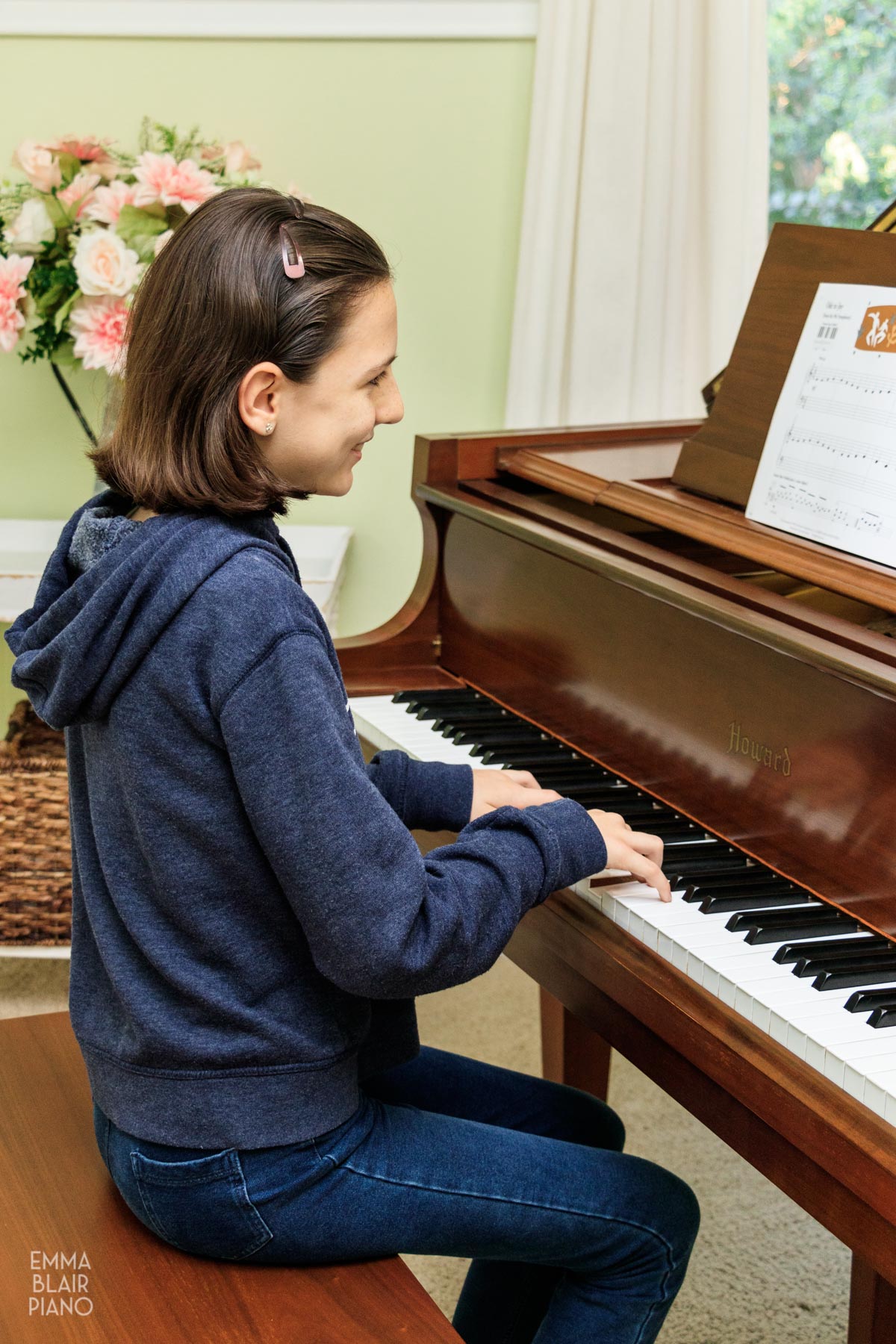
Start small. The first few months are mostly about comfort. Here is a simple roadmap.
- Month 1 to 3
- Learn basic posture and hand position.
- Learn five-finger patterns and simple melodies.
- Read simple notation and count beats.
- Month 4 to 12
- Build scales and arpeggios.
- Practice simple songs with both hands.
- Start basic sight-reading and ear training.
- Year 2 and beyond
- Work on technique, phrasing, and varied repertoire.
- Learn music theory and more complex rhythms.
- Focus on performance and expression.
Most beginners can play simple songs in a few weeks. Complex repertoire takes years. That does not mean piano is "hard." It means piano gives room to grow.

Practical practice plan: how to make progress fast
Good practice beats long practice. Use focused sessions. Try this plan for steady progress.
- Daily short sessions
- Practice 20 to 30 minutes a day to start.
- Keep sessions focused and goal-driven.
- Warm-up routine
- Spend 5 minutes on scales or finger exercises.
- Do slow, accurate repetition.
- Break songs into parts
- Learn right hand alone, left hand alone, then hands together.
- Use small loops of 4 to 8 bars.
- Track progress
- Record short clips once a week.
- Note small wins and adjust goals.
When you follow a routine, the answer to "is it hard to learn piano" becomes "not when you know what to do."

Learning methods: choose what fits you
There is no single best way. Pick the path that matches your style and life.
- Private teacher
- Offers feedback and personalized goals.
- Best for steady, efficient progress.
- Group classes
- More social and motivating.
- Good for basic skills and performance practice.
- Online courses and apps
- Flexible and affordable.
- Best when combined with feedback from a teacher.
- Self-teaching with books and videos
- Works for disciplined learners.
- Can lead to gaps without corrective guidance.
Each method works. Match the method to your budget, schedule, and learning style. That choice changes how hard piano feels.
Common challenges and how to fix them
Many learners hit similar roadblocks. Here are practical fixes.
- Slow progress
- Fix: Set specific small goals and use focused practice.
- Hands don't coordinate
- Fix: Practice hands separately, then slowly combine.
- Difficulty reading music
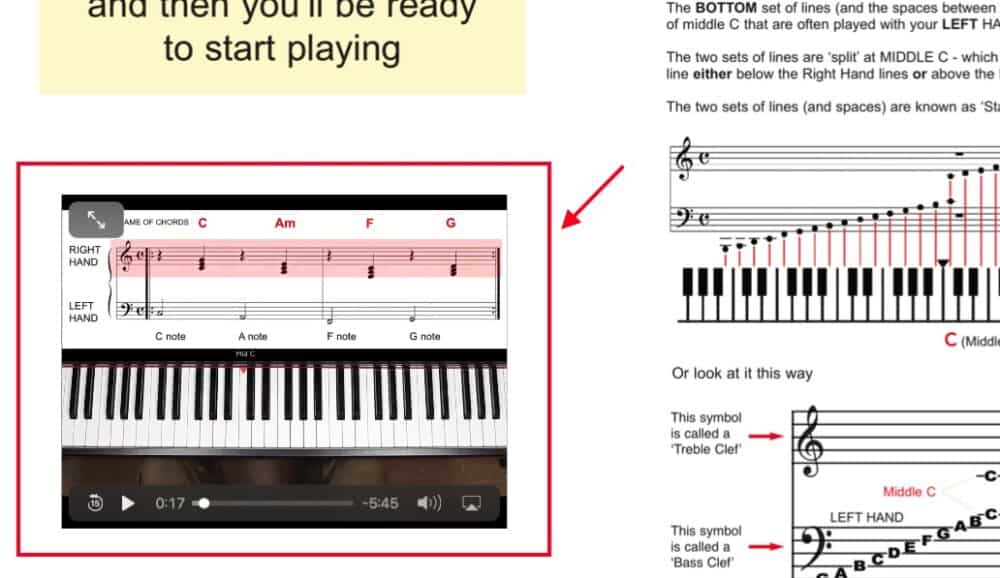
- Fix: Learn one clef at a time and practice sight-reading short pieces.
- Pain or tension
- Fix: Check posture. Take breaks. Use gentle stretches.
- Lack of motivation
- Fix: Pick songs you love and celebrate small wins.
When you solve small problems quickly, the big question "is it hard to learn piano" loses its power.
Technique, theory, and expression: why they matter
Technique makes your playing clean and fast. Theory helps you understand music choices. Expression brings life to notes. These three layers build over time.
- Technique
- Focus on even touch, relaxed shoulders, and finger independence.
- Theory
- Learn basic chords, scales, and key signatures.
- Theory speeds up learning new songs.
- Expression
- Dynamics, tempo, and phrasing make music emotional.
- Record and listen to shape your phrasing.
You do not need to master all at once. Add one layer at a time. This reduces stress and keeps progress steady.
How long does it take? Real timelines and expectations
People ask "is it hard to learn piano quickly?" Here are realistic timelines.
- Weeks
- Play simple melodies and learn posture.
- Months
- Build coordination for two-hand songs and basic sight-reading.
- 1 to 2 years
- Play intermediate pieces, understand basic theory.
- Several years
- Reach advanced technique and expressive playing.
Progress depends on practice time and quality. A clear plan makes learning faster. Consistency beats intensity.
Personal experience: lessons I learned teaching and playing
I taught piano for over ten years and played since childhood. I worked with busy adults and kids. I saw the same fear in many learners: "is it hard to learn piano?" Most overcame it.
What worked best
- Regular short practice helped more than long rare sessions.
- Learning songs students loved kept them going.
- Fixing small technique issues early saved years of frustration.
Common mistake I saw
- Skipping slow practice and chasing speed.
- Result: poor rhythm and bad habits.
If you start with patience and good feedback, you will surprise yourself.
Benefits of learning piano beyond music
Piano offers many gains beyond playing songs.
- Better concentration and memory.
- Improved coordination and fine motor skills.
- Stress relief and creative outlet.
- Social and performance opportunities.
These benefits make the effort worth it. They answer why many people begin despite asking "is it hard to learn piano."
Simple tools and resources to help you learn
You do not need fancy gear. Use these essentials.
- A full-size keyboard or acoustic piano.
- A metronome or app for steady tempo.
- A teacher or a structured online course.
- Sheet music for graded levels.
- Recording device to track progress.
Good tools make practice efficient. They lower the barrier to learning.
PAA-style beginner questions
Q: Can I learn piano as an adult?
A: Yes. Adults learn well with focused practice and clear goals. Many adults progress quickly.
Q: Do I need to read music to play?
A: Reading music helps a lot but is not required at first. You can learn songs by ear and later add reading skills.
Q: Is practice time more important than talent?
A: Yes. Consistent practice often outweighs natural talent. Good habits give steady results.
Frequently Asked Questions of is it hard to learn piano
Is it hard to learn piano as an adult?
Many adults learn piano successfully. With regular practice and clear goals, adults often progress faster than children. Experience and focus help build skills quickly.
How long until I can play a full song?
You can play simple songs in a few weeks. More complex songs take months to years. Progress depends on practice quality and goals.
Do I need a teacher to learn piano?
A teacher speeds progress and corrects technique. Self-learners can succeed with the right resources. Combining apps and occasional lessons works well.
How much practice is enough?
Start with 20 to 30 minutes a day. Increase time as skills grow. Consistency is more important than long sessions.
Will I need to learn music theory?
Basic theory helps you learn faster and understand songs. You do not need advanced theory to start playing. Add theory gradually as you progress.
Can I learn piano online effectively?
Yes. Many online courses are effective if you stay disciplined. Look for lessons with clear steps and feedback options.
Conclusion
Learning piano is rarely as hard as people fear. The real work is steady, focused practice and smart guidance. Break skills into small steps. Practice daily. Fix small problems early. Reward your progress and play songs you love. If you start today, you will see progress in weeks and real growth in months. Try a focused plan for one month and see how far you go. Share your progress, ask for feedback, and keep playing.

Senior Music Reviewer
Alex Carter is a seasoned music reviewer with over a decade of experience in the world of sound and instruments. Passionate about helping musicians and enthusiasts make informed choices, he brings sharp insights and in-depth knowledge to every review. From classical instruments to modern gear, Alex combines technical expertise with a love for music to deliver content that resonates with readers.
As a Senior Music Reviewer and expert author on Tuneluma.com, Alex is dedicated to sharing honest evaluations, practical advice, and thoughtful commentary to guide readers in their musical journey.