How To Play Drums Beginner: Easy Starter Guide
Start with basic beats, proper posture, steady counting, slow practice, and simple songs before adding fills.
Learning how to play drums beginner style is easier when you treat rhythm like a new language. You first learn a few sounds, then combine them into clear patterns. This guide explains the gear, posture, drum patterns, practice methods, and common mistakes that help new drummers build skill with confidence.
What You Need to Start Playing Drums
You do not need a large, expensive drum kit to begin. A basic setup and a quiet place to practice are enough for your first lessons.
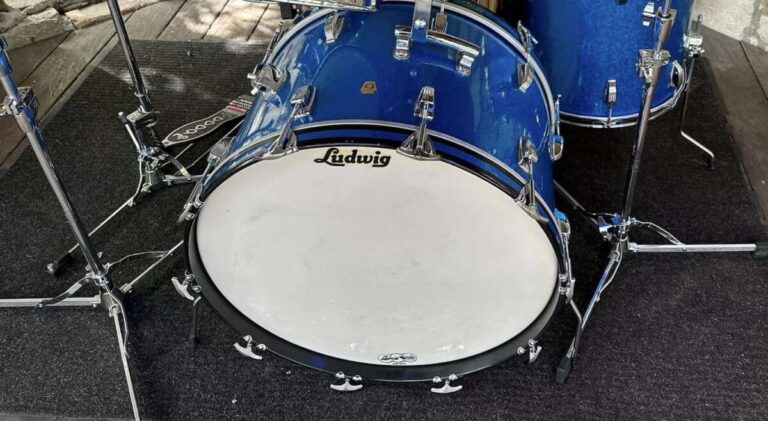
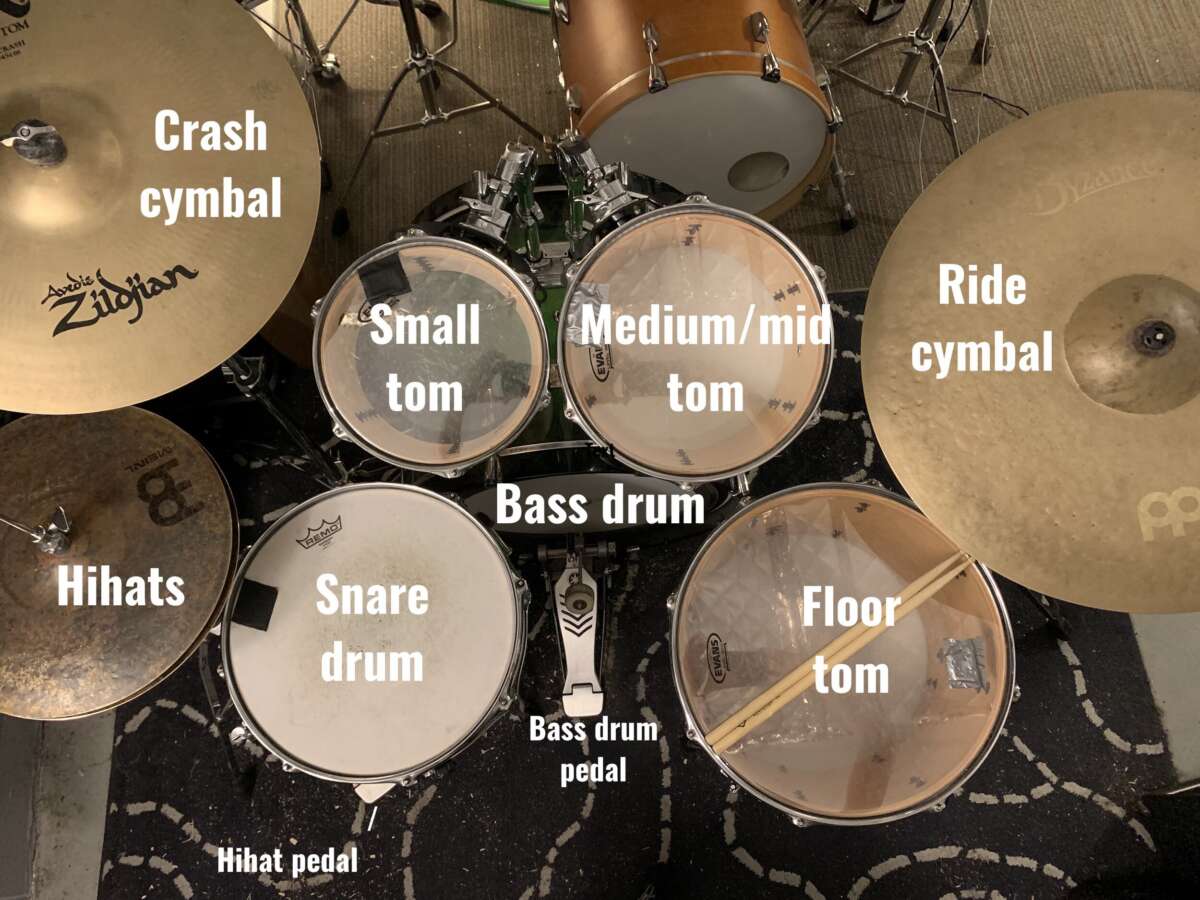
A standard drum kit usually includes:
• Bass drum, played with a foot pedal
• Snare drum, used for sharp backbeats
• Hi-hat cymbals, played with sticks or a foot pedal
• Rack toms and floor toms, used for fills
• Crash and ride cymbals, used for accents and patterns
• Drum throne, which supports your posture
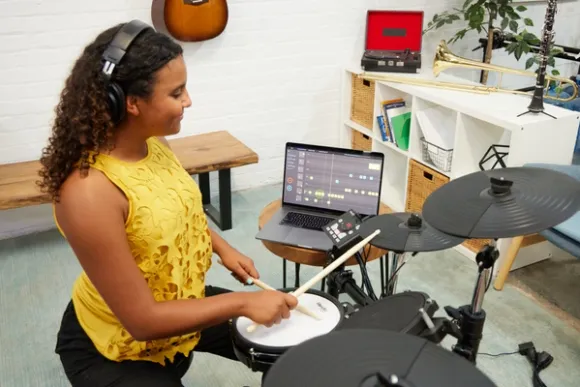
If noise is a concern, consider an electronic drum kit, practice pad, or low-volume mesh heads. A practice pad cannot copy every sound from a full kit, but it is excellent for building stick control and timing.
Choose drumsticks that feel comfortable. Many beginners start with 5A sticks because they are light enough for control and strong enough for most styles. Avoid gripping them too tightly. Your hands should feel relaxed, like they are holding a small bird without squeezing it.
A metronome is also essential. It gives you a steady pulse and helps you notice when your timing speeds up or slows down. Free metronome apps work well, so you do not need to buy special equipment at first.

How to Sit and Hold the Drumsticks
Good posture makes how to play drums beginner lessons safer and easier. Sit near the center of the drum throne with both feet flat or comfortably placed on the pedals. Keep your back tall, shoulders loose, and elbows slightly away from your body.
Set the throne high enough so your knees angle slightly downward toward your feet. If the throne is too low, your hips may feel tight. If it is too high, you may lose control of the pedals.
Hold the sticks with a relaxed matched grip:
- Place the stick between your thumb and first finger.
- Let the stick rest on the first joint of your index finger.
- Wrap the other fingers around it without squeezing.
- Keep both hands in a similar position.
- Allow the stick to bounce after it hits the drum.
The bounce matters. Beginners often try to lift the stick after every stroke. That creates tension and makes fast playing hard. Think of the stick as a small spring. Your hand guides it, but the rebound does much of the work.
A common mistake is raising the shoulders while concentrating. Check your body every few minutes. Drop your shoulders, loosen your jaw, and take a slow breath. Relaxation is not just comfort; it is part of good technique.

Learn the Four Basic Drum Sounds
Before playing a full beat, learn what each main part of the kit does.
The bass drum creates the low pulse. It often supports beats 1 and 3 in rock music, though many styles use different bass drum patterns.
The snare drum gives the beat its backbeat. In a common rock pattern, the snare lands on counts 2 and 4. This creates the strong “backbeat” that makes people want to move.
The hi-hat keeps time. You can play it with your right hand, left hand, foot, or a mix of all three. Beginners often use steady eighth notes on the hi-hat.
The crash cymbal adds emphasis. Use it at the start of a section, such as the first beat of a chorus. Hitting it too often can make the music sound less powerful.
Try this simple sound exercise:
• Play four slow bass drum hits.
• Play four slow snare hits.
• Play four slow hi-hat hits.
• Repeat each sound while counting evenly.
This exercise may feel basic, but it teaches control. Good drumming begins with clear sounds, not speed.
Your First Drum Beat
The most useful beginner drum beat uses quarter notes on the hi-hat, the bass drum on beats 1 and 3, and the snare on beats 2 and 4.
Count aloud:
1 and 2 and 3 and 4 and
Play the hi-hat on every number and every “and.” Play the bass drum on 1 and 3. Play the snare on 2 and 4.
The pattern looks like this:
• Hi-hat: 1 and 2 and 3 and 4 and
• Bass drum: 1 and 3
• Snare drum: 2 and 4
Start at 60 beats per minute. This may seem slow, but slow practice gives your brain time to link each limb with the correct count.
Once the pattern feels steady, try eighth notes on the hi-hat while keeping the bass drum and snare in place. Your goal is not to play loudly or quickly. Your goal is to make each beat sound even.
If the pattern falls apart, reduce the speed. Many new drummers make the mistake of increasing the tempo as soon as they can play a pattern once. Wait until you can play it for at least two or three minutes without stopping.

How to Coordinate Your Hands and Feet
Drumming feels difficult because each limb may perform a different action at the same time. This is normal. Coordination develops through repeated, careful practice.
Break the beat into small parts:
- Play only the hi-hat and count aloud.
- Add the snare on beats 2 and 4.
- Add the bass drum on beats 1 and 3.
- Repeat the full pattern at a slow tempo.
- Increase the speed by five beats per minute when it feels stable.
Counting aloud helps connect movement with rhythm. You can also say “right, left, foot” as you practice simple patterns. The words do not need to sound musical. They simply give your brain a clear map.
Another useful method is silent movement. Practice the bass drum motion without pressing the pedal fully. Then add the snare. This reduces noise and lets you focus on timing.
In beginner lessons, one pattern often causes trouble: the bass drum moves away from beat 1 while the hi-hat stays steady. Practice that change alone. For example, play the bass drum on beats 1, the “and” of 2, and beat 3 while keeping the hi-hat constant.
A Simple Beginner Drum Practice Routine
A short daily routine works better than one long session each week. Aim for 20 to 30 minutes on most days. Regular practice helps your muscles remember the motions.
Use this plan:
Warm up for five minutes
Play single strokes slowly:
R L R L
Use a metronome and focus on equal volume. Keep your wrists loose and let the sticks rebound.
Practice timing for five minutes
Play quarter notes and eighth notes on the hi-hat. Count aloud and listen for even spacing.
Practice the basic beat for ten minutes
Start at a comfortable tempo. Play the rock beat without fills. If you lose the beat, stop, reset, and begin again at a slower speed.
Practice one new skill for five minutes
Choose one skill, such as:
• Bass drum changes
• Open hi-hat sounds
• Simple snare accents
• Basic drum fills
• Playing along with a slow song
Record yourself once or twice each week. A recording can reveal rushed fills, uneven hi-hats, or weak backbeats that are hard to notice while playing.
Practice research supports focused repetition, rest, and clear goals. You do not need to practice until your hands hurt. Stop when your technique becomes tense or your attention drops.

How to Read Basic Drum Music
Drum notation may look confusing at first, but you only need a few symbols to begin. Most drum music uses a five-line staff. Different drums and cymbals appear in different spaces or lines.
Common examples include:
• Bass drum: usually shown near the bottom
• Snare drum: usually shown near the middle
• Hi-hat: usually shown above the staff
• Crash and ride cymbals: shown higher on the staff
A note with an “x” often represents a cymbal. A normal round note often represents a drum. The exact layout can vary between books and instructors, so always check the notation key.
You can also learn from drum tabs and written counts. A simple pattern may show:
• HH: 1 and 2 and 3 and 4 and
• SD: 2 and 4
• BD: 1 and 3
Reading helps you remember patterns, but listening is just as important. Use both skills. Read the pattern first, then listen to how it sounds in a song.

Beginner Drum Fills and Transitions
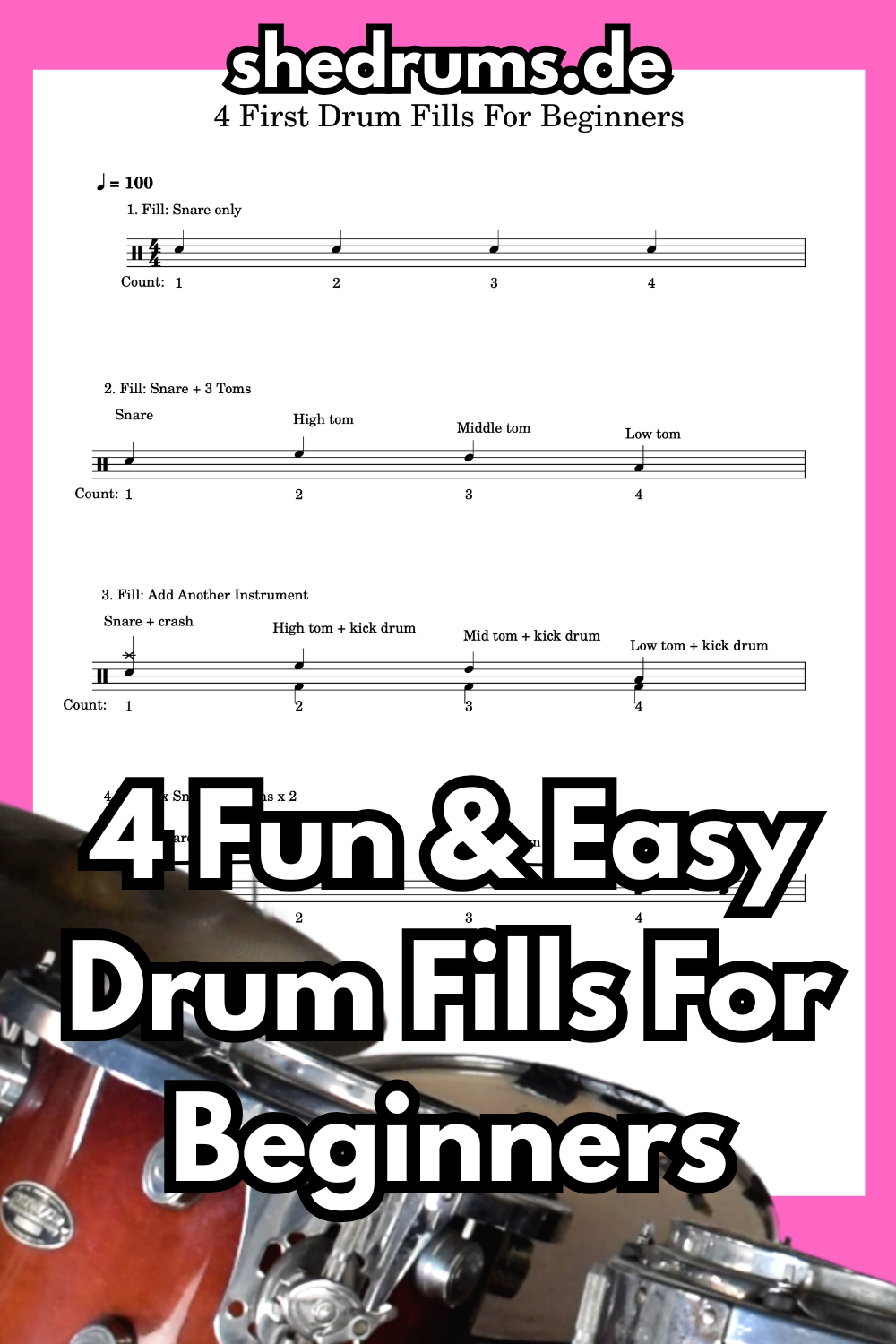
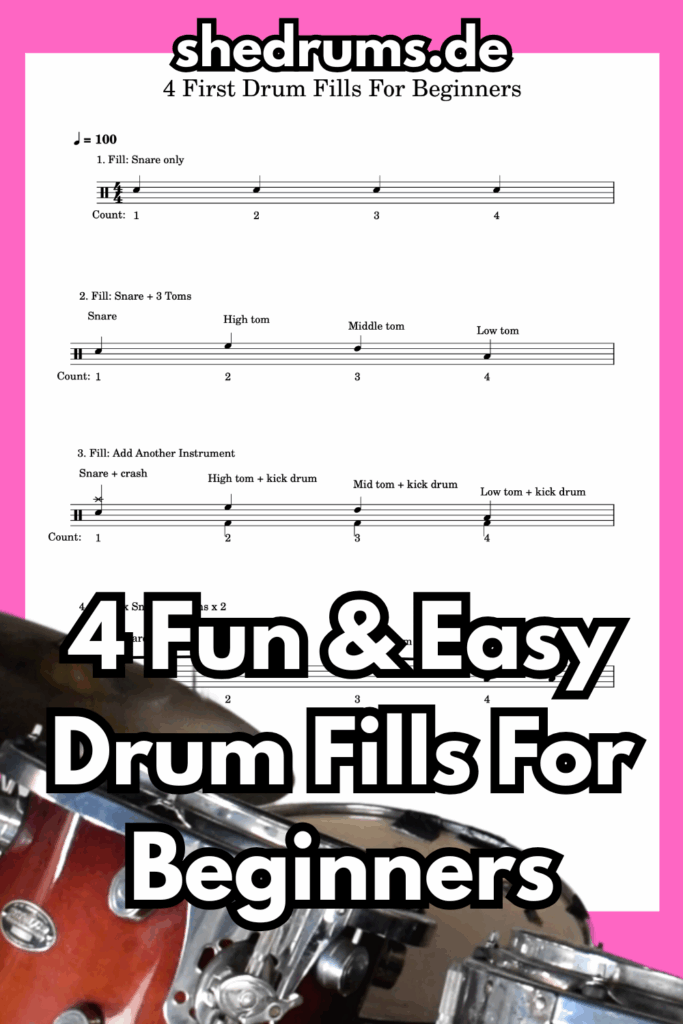
A drum fill is a short pattern that connects two parts of a song. It often appears before a chorus, bridge, or new verse.
Start with a one-beat fill using four evenly spaced notes. Play the notes on the snare, then try moving them between the snare and toms.
For example:
• Beat 4: four quick snare hits
• Beats 3 and 4: two hits on the snare and two on the high tom
• One full measure: eight eighth-note hits across the snare and toms
Keep the bass drum steady before and after the fill. The main purpose of a fill is to guide the song forward, not to show every skill you know.
A common beginner mistake is playing a fill too fast and losing beat 1. Practice counting through the fill. Then land clearly on the next downbeat.
The best fills are often simple. A short, clean fill can sound more professional than a complex pattern played with poor timing.
How to Practice With Songs
Playing along with music makes practice more enjoyable and teaches you how drumming works in a real arrangement. Choose songs with a clear beat and a moderate tempo.
Start with music that has:
• A steady drum pattern
• Clear bass and snare sounds
• Few sudden tempo changes
• Simple verse and chorus sections
• A tempo you can follow comfortably
Listen to the song several times before playing. Try to identify the snare beats, bass drum pattern, and song sections. Then play only the hi-hat along with the recording. Add the snare when the timing feels secure.
Do not worry if you cannot match every note. Your first goal is to stay with the song. If you lose your place, stop playing for a moment and rejoin on the next clear beat.
A useful lesson from many beginner practice sessions is that songs expose timing problems quickly. A pattern may feel steady alone but drift when a recording is playing. That is valuable feedback, not failure.

Common Beginner Mistakes to Avoid
Knowing what not to do can save months of frustration. Most early problems come from rushing, tension, or trying to learn too much at once.
Avoid these mistakes:
• Playing too fast before you can play slowly
• Gripping the sticks tightly
• Ignoring the metronome
• Practicing only fills
• Using poor posture
• Skipping warmups
• Playing through pain
• Changing exercises every few minutes
• Comparing your first month with another drummer’s tenth year
Pain is a warning sign. Mild muscle tiredness can happen, but sharp pain in your wrist, elbow, shoulder, or back means you should stop and check your technique. A qualified teacher or health professional can help if pain continues.
Another issue is uneven volume. Beginners often hit the snare too hard and barely touch the hi-hat. Practice each limb at a similar volume, then add controlled accents.
Progress is rarely a straight line. You may improve quickly for a week and then feel stuck. Keep practicing. Coordination often develops quietly before it becomes obvious.
Should You Take Drum Lessons?
You can learn basic drumming through books, videos, apps, and careful practice. A good instructor can still save time by correcting posture, grip, timing, and technique early.
Lessons may be especially helpful if:
• You feel unsure about your setup
• You cannot keep a steady beat
• Your hands or joints hurt
• You want to play in a band
• You need a structured practice plan
• You want to study jazz, funk, metal, or another specific style
Look for a teacher who works with beginners and explains ideas clearly. A strong teacher should not only demonstrate patterns. They should help you understand why the pattern works and how to practice it.
Online lessons can be effective when they include clear demonstrations, gradual exercises, and feedback. The limitation is that recorded videos cannot always see your posture or correct your technique in real time.
A 30-Day Plan for How to Play Drums Beginner Style
A simple month-long plan can give your practice direction.
Week one: Build control
Practice posture, grip, single strokes, quarter notes, and eighth notes. Keep the tempo slow and count out loud.
Week two: Learn the rock beat
Practice the bass drum on beats 1 and 3, with the snare on beats 2 and 4. Play the beat for several minutes without stopping.
Week three: Add variety
Move the bass drum to new positions. Try open hi-hat sounds and simple one-beat fills. Keep the main pulse steady.
Week four: Play with songs
Choose two or three songs. Learn the main beat, identify the song sections, and practice entering and leaving fills smoothly.
At the end of each week, record one minute of playing. Listen for timing, volume, and control. Choose one improvement for the next week instead of trying to fix everything at once.
This plan is flexible. Some learners may need more time in each stage, and that is completely fine. The goal is steady progress, not a race.
Frequently Asked Questions About How to Play Drums Beginner
Can I learn how to play drums beginner style without owning a drum kit?
Yes. Start with a practice pad, sticks, and a metronome. You can build hand control and timing before buying a full acoustic or electronic kit.
How long does it take to learn basic drums?
Many beginners can play a simple beat within a few practice sessions. Playing smoothly with songs usually takes several weeks or months of regular practice.
How often should a beginner practice drums?
Try to practice for 20 to 30 minutes on most days. Short, focused sessions usually work better than one long session each week.
Is it hard to coordinate all four limbs?
Coordination feels difficult at first because each limb has a separate role. Breaking the beat into small parts and adding one limb at a time makes the process much easier.
Should I learn drums with a metronome?
Yes. A metronome helps you develop steady timing and shows when you rush or slow down. Begin at a slow tempo and increase it in small steps.
Are electronic drums good for beginners?
Electronic drums are useful for beginners, especially in homes where noise is a concern. They offer volume control and often include practice sounds, but acoustic drums may provide a more natural response.
Conclusion
Learning how to play drums beginner style starts with simple tools, relaxed technique, steady counting, and regular practice. Learn the sounds of the kit, master the basic rock beat, use a metronome, and add fills only after your timing feels strong.
You do not need to be naturally gifted to become a drummer. Start with 20 focused minutes today, record your progress, and build one skill at a time. Explore beginner songs, work with a qualified teacher if needed, and keep practicing until the beat feels like your own.

Senior Music Reviewer
Alex Carter is a seasoned music reviewer with over a decade of experience in the world of sound and instruments. Passionate about helping musicians and enthusiasts make informed choices, he brings sharp insights and in-depth knowledge to every review. From classical instruments to modern gear, Alex combines technical expertise with a love for music to deliver content that resonates with readers.
As a Senior Music Reviewer and expert author on Tuneluma.com, Alex is dedicated to sharing honest evaluations, practical advice, and thoughtful commentary to guide readers in their musical journey.