Best Digital Piano For 500: Top Budget Picks
The Yamaha P71 is my top pick, offering trusted weighted action, simple controls, and strong value under $500.
Buying a piano can feel hard when your budget stops at $500. You want real piano feel, full-size keys, useful sound, and enough quality to support years of practice. I focused on key action, tone, polyphony, included accessories, portability, and long-term value. These digital pianos suit new players, adult learners, families, and home musicians. After comparing the options, I found that the best digital piano for 500 is not always the one with the most sounds. It is the one that makes practice easy and keeps you playing.
Donner DEP-07 88-Key Beginner Piano

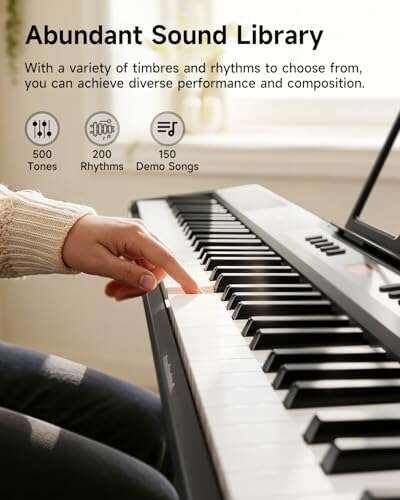
The Donner DEP-07 is a full-size digital piano built for beginners who want a broad set of features. Its 88 semi-weighted keys give new players a more piano-like layout than a small keyboard. Donner lists 500 tones and 128-note polyphony, so users can explore piano, electric piano, strings, organs, and many layered sounds. The package also includes a stand, sustain pedal, music rest, speakers, and a carrying bag.
I see this as a practical starter bundle rather than a pure recital instrument. USB MIDI makes it useful with music apps, recording software, and online lessons. The semi-weighted action should feel more natural than unweighted keys, though it will not match the resistance of a true hammer-action piano. For families that need one box with nearly everything included, this is a strong best digital piano for 500 contender.
Pros:
- Full 88-key layout supports proper beginner lessons
- 500 tones offer plenty of room for creative play
- 128-note polyphony helps during layered passages
- Includes stand, pedal, music rest, and carrying bag
- USB MIDI supports computers and learning apps
- Built-in speakers work well for casual home practice
Cons:
- Semi-weighted keys feel lighter than hammer-action keys
- The large feature list may overwhelm very young beginners
- Portable parts may feel less furniture-like than a console piano
My Recommendation
I recommend the Donner DEP-07 for a beginner who wants maximum equipment for the money. It suits students who move between rooms, families who want headphones and speakers, and players who plan to use MIDI software. It also makes sense for a first home studio because the tone library is broad. If realistic acoustic-piano resistance matters most, another model below may fit better.
| Best for | Why |
|---|---|
| New learners | Full keys and a complete starter bundle reduce extra costs. |
| Home recording | USB MIDI and many sounds support simple music production. |
| Portable practice | The carry bag and separate stand make moving easier. |
STRICH SDP-500 Black Digital Piano
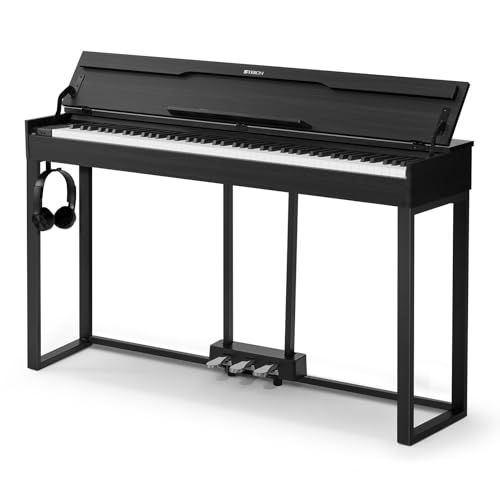
The STRICH SDP-500 takes a different approach from a lightweight keyboard. It uses 88 fully weighted, hammer-action keys and comes with a furniture-style stand, cover, headphones, and a three-pedal unit. That design gives it a more permanent presence in a living room or practice area. The classic black finish also looks closer to a traditional upright piano than a basic portable keyboard.
Fully weighted action matters because it teaches finger control, balance, and dynamic playing. The keys should require more force in the lower register and support a more familiar piano response. I like this package for a student who wants a serious practice setup without buying a separate stand and pedal board. Before ordering, check the current listing for dimensions and shipping details, since a furniture-style piano takes more space than a portable model.
Pros:
- Fully weighted hammer-action keys encourage proper technique
- 88 keys cover the complete standard piano range
- Furniture stand creates a stable practice station
- Three pedals support sustain, soft, and sostenuto-style control
- Included cover helps protect the keyboard from dust
- Headphones allow quiet practice at home
Cons:
- Furniture design is less convenient to move
- It needs more floor space than a portable keyboard
- Weighted action may feel demanding to very young beginners
My Recommendation
The black STRICH SDP-500 is best for adults, serious beginners, and families that want a permanent piano corner. I would choose it over a portable model when realistic key resistance matters more than low weight. The included three-pedal unit adds useful control for classical study. For shoppers seeking the best digital piano for 500 with a home-furniture feel, this model deserves close attention when its sale price fits the budget.
| Best for | Why |
|---|---|
| Classical beginners | Hammer-action keys build habits closer to an acoustic piano. |
| Home practice rooms | The stand and pedals create a stable, ready-to-play setup. |
| Quiet practice | Included headphones help limit noise for family and neighbors. |
STRICH SDP-500 Retro Brown Piano

The retro brown version of the STRICH SDP-500 shares the same core idea as the black model but adds a warmer furniture look. Its 88 hammer-action keys are designed for players who want a more authentic piano response. A stand, cover, headphones, and three pedals make the bundle ready for home use. The brown cabinet may suit rooms where a plain black keyboard feels too modern.
In my view, color is not just a style choice when a piano stays in the living room. A pleasant design can make the instrument feel like part of the home, which may encourage more practice. The weighted action remains the main reason to consider it, while the pedal unit helps students learn smooth sustain control. It is a good fit for buyers who want function and a classic piece of furniture in one purchase.
Pros:
- Full 88-key range supports advanced lesson books
- Hammer-action keys offer a more acoustic-like playing feel
- Retro brown finish adds warmth to a living space
- Three pedals provide useful expression for piano pieces
- Headphones support late-night study
- Cover helps keep the keys clean between sessions
Cons:
- Furniture cabinet reduces portability
- Brown finish may not match every room
- Beginners may need time to adjust to heavier keys
My Recommendation
I would suggest the retro brown STRICH to a home player who wants a serious keyboard that does not look like temporary gear. It fits adult learners, traditional music students, and anyone who values a warm cabinet style. The three-pedal setup makes it more useful for classical practice than many basic bundles. Among options for the best digital piano for 500, this version stands out when room style and key feel both matter.
| Best for | Why |
|---|---|
| Stylish living rooms | The retro brown finish blends with classic home decor. |
| Traditional piano study | Weighted keys and three pedals support proper technique. |
| Private practice | Headphones let players work without filling the room with sound. |
Yamaha P71 88-Key Digital Piano

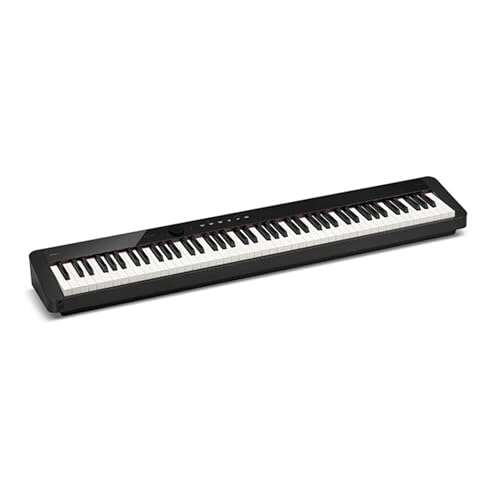
The Yamaha P71 remains one of the safest choices for a buyer who wants a focused digital piano. It offers 88 weighted keys, Yamaha piano voices, a sustain pedal, and a power supply. Its controls stay simple, so a new player can sit down and start practicing without sorting through hundreds of sounds. Yamaha’s long history in acoustic and digital instruments also gives this model strong brand credibility.
The P71 does not try to be a workstation. That is part of its appeal. Its weighted action and compact body put attention on playing, while the dual-mode feature lets users combine selected voices for a fuller sound. The included sustain pedal is basic, but it covers the main need for beginners. If I had to name one broadly suitable best digital piano for 500, the P71 would be my first choice for dependable piano-focused practice.
Pros:
- Trusted Yamaha piano sound and instrument design
- 88 weighted keys provide a familiar playing range
- Simple controls suit beginners and returning players
- Compact body fits many apartments and small rooms
- Dual mode adds variety without complex menus
- Includes the key power supply and sustain pedal
Cons:
- Fewer built-in sounds than feature-heavy competitors
- Basic package may require a separate stand or bench
- It does not include a three-pedal furniture unit
My Recommendation
I recommend the Yamaha P71 to most beginners, adult learners, and parents who prefer a trusted name and a clean learning path. It is especially good for piano lessons, sight reading, chord work, and daily practice. I would also choose it for a small home where a large cabinet is not practical. Its focused design, reliable key layout, and proven reputation make it a leading best digital piano for 500 in 2026.
| Best for | Why |
|---|---|
| First piano students | Simple controls let learners focus on notes and rhythm. |
| Small homes | The slim design uses less space than furniture-style models. |
| Brand-conscious buyers | Yamaha brings long experience in piano design and sound. |
Alesis Recital Play 88-Key Bundle

The Alesis Recital Play is aimed at beginners who want an 88-key keyboard and useful learning support. A full piano range helps students follow standard sheet music without needing to transpose parts. Alesis models in this class are known for practical learning functions, built-in speakers, and connections for headphones or external devices. The bundle format can make the first purchase easier for a family.
I like this option for learners who need more guidance than a basic piano voice provides. Lesson tools and a straightforward control layout can reduce the fear of getting started. It is also a sensible choice for players who want to grow from simple melodies into chords and two-hand pieces. Buyers should review the current package contents carefully because bundle accessories can vary by listing and promotion.
Pros:
- 88 keys support standard piano lessons
- Beginner-friendly layout helps reduce setup time
- Learning features can make daily practice more engaging
- Built-in speakers provide immediate sound without extra gear
- Headphone practice helps in shared homes
- Bundle value can lower the cost of essential accessories
Cons:
- Key feel may not satisfy advanced classical players
- Sound selection is more focused than a large arranger keyboard
- Some users may later want a stronger stand or bench
My Recommendation
The Alesis Recital Play suits children, teens, and adults who want a clear path into piano. I would choose it for a student who benefits from guided practice and does not need a large tone library. It offers a good balance between a real 88-key layout and accessible learning tools. For families comparing the best digital piano for 500, it is a sensible starter when the included bundle matches their needs.
| Best for | Why |
|---|---|
| Young students | Learning-focused features can keep early practice less intimidating. |
| Two-hand lessons | The complete 88-key range supports standard teaching material. |
| Value bundles | Included accessories may reduce the need for extra purchases. |
VEVOR 61-Key Lighted Keyboard

The VEVOR keyboard is different from the full-size piano models in this guide. It has 61 keys, lighted keys, 600 tones, 500 rhythms, built-in speakers, a stand, headphones, and a sustain pedal. That feature set targets beginners who want to play songs, try different instruments, and follow visual prompts. The smaller key count also makes the keyboard easier to carry and place in a bedroom or apartment.
This is not my first choice for formal piano study because 61 keys do not cover the full standard range. Still, it may be the right tool for a child who needs a fun first instrument or a hobby player who enjoys rhythms more than classical pieces. USB MIDI adds value for simple computer use. If portability and entertainment matter more than weighted piano action, this keyboard can be a smart alternative to the best digital piano for 500 category.
Pros:
- Lighted keys can make early song learning more inviting
- 600 tones provide broad sound variety
- 500 rhythms support pop, dance, and creative play
- 61 keys keep the instrument compact and easier to move
- Includes stand, headphones, and sustain pedal
- USB MIDI supports music apps and computer recording
Cons:
- 61 keys do not provide the full piano range
- Keys are not a replacement for weighted piano action
- Large feature menus may distract from focused piano practice
My Recommendation
I recommend the VEVOR for casual players, young beginners, and families who want a fun starter keyboard. The lighted keys and rhythm bank can make practice feel like a game rather than a chore. It is also useful for songwriting and basic MIDI work in a small space. Choose a full 88-key model instead if the student plans to follow traditional piano exams or advanced lesson books.
| Best for | Why |
|---|---|
| Fun first instrument | Lights, tones, and rhythms make early exploration engaging. |
| Small rooms | The 61-key layout takes less space and is easier to move. |
| Creative play | Many sounds and rhythms support simple songs and experiments. |
88-Key Semi-Weighted Piano Bundle

This 88-key keyboard bundle focuses on giving adult beginners a complete starting setup. It includes semi-weighted keys, a sustain pedal, power supply, stand, carrying case, headphones, and USB MIDI compatibility. That combination covers quiet practice, basic performance, transport, and computer use. The full key count also gives learners room to play both low bass notes and high melody lines.
Semi-weighted keys sit between light keyboard action and heavier hammer action. They can feel more controlled than basic synth keys, but buyers should not expect the response of a traditional acoustic piano. I see this model as a flexible choice for someone who wants to practice at home and occasionally take the keyboard elsewhere. The case and headphones add real value for students who do not already own accessories.
Pros:
- 88 keys support complete beginner piano exercises
- Semi-weighted action offers more resistance than light keys
- Carry case improves transport and storage
- Stand and pedal help create a ready-to-use setup
- Headphones allow quiet practice
- USB MIDI works with computers and music software
Cons:
- Semi-weighted action is less realistic than hammer action
- Included stand may not feel as solid as a furniture cabinet
- New brands may have less long-term service history
My Recommendation
This bundle is best for adult beginners who want flexibility without buying each accessory separately. I would choose it for a student who practices at home but may travel to lessons or rehearsals. It also works for a new songwriter who wants 88 keys and MIDI in one affordable package. It is a practical best digital piano for 500 alternative when convenience matters as much as piano realism.
| Best for | Why |
|---|---|
| Adult beginners | The bundle includes the main items needed to start right away. |
| Mobile practice | The carrying case makes transport simpler. |
| Basic MIDI work | USB MIDI connects the keyboard to compatible software. |
Donner DEP-20 Portable Digital Piano

The Donner DEP-20 is a popular style of entry-level digital piano with 88 full-size weighted keys. Its portable body works well for players who need a piano shape without a heavy cabinet. The package includes a sustain pedal and power supply, while built-in sounds and speakers make it ready for home practice. Its simple form also leaves room for a separate stand, desk, or keyboard table.
I consider the DEP-20 a strong middle ground for new players. It offers more piano-focused design than a large arranger keyboard, yet it remains easier to move than a furniture model. The weighted action can help students learn finger strength and control, although touch response and sound quality will not equal a premium stage piano. It is a good choice for buyers who want a full keyboard and a modest price.
Pros:
- 88 weighted keys support traditional piano technique
- Portable design suits apartments and shared rooms
- Simple controls are friendly to first-time players
- Built-in speakers provide immediate sound
- Includes a sustain pedal for expressive playing
- Separate stand options allow flexible room setup
Cons:
- Furniture stand and bench may require separate purchases
- Weighted action may feel less refined than Yamaha or premium models
- Built-in speaker output is aimed at home use, not large venues
My Recommendation
The Donner DEP-20 fits beginners who want 88 weighted keys but need a portable body. It is a useful pick for apartment dwellers, students with limited space, and players who may move the instrument often. I also like it for buyers who already own a stand or plan to use a desk setup. If its current price stays below the target, it can be one of the better values among the best digital piano for 500 choices.
| Best for | Why |
|---|---|
| Portable piano practice | The slim body is easier to move than a cabinet model. |
| Budget students | It offers 88 weighted keys without a premium price. |
| Flexible setups | Users can choose their own stand, desk, or table. |
Donner DEP-20 With Furniture Stand

This DEP-20 package adds a furniture stand and three-pedal unit to the portable piano design. That changes the day-to-day experience because the keyboard sits at a stable playing height and looks more finished in a room. The 88 full-size weighted keys keep the focus on piano practice. A three-pedal system also gives students more control than a single loose sustain pedal.
I would consider this version when a buyer wants a home setup but does not want to spend on a traditional upright. The stand can make the keyboard feel less temporary, and the pedal unit stays in place during use. It will take more effort to move than the portable-only DEP-20, so measure the room before ordering. As a value bundle, it covers many needs in one purchase.
Pros:
- 88 weighted keys support serious beginner study
- Furniture stand gives the instrument a stable position
- Three-pedal unit supports more expressive playing
- Finished setup looks neat in a living room
- Built-in speakers make casual practice simple
- Full-size layout leaves room for advanced pieces
Cons:
- Less portable than the keyboard-only package
- Furniture parts need more space during delivery and setup
- Entry-level sound and action have limits for advanced players
My Recommendation
I recommend this DEP-20 bundle for a family that wants one permanent practice piano. It is especially helpful for students who need a three-pedal unit for lesson work and classical pieces. The stand also creates a more comfortable setup than a folding X-stand. For many homes, this package offers the most complete value in the best digital piano for 500 price range, provided the current deal fits the budget.
| Best for | Why |
|---|---|
| Permanent home use | The furniture stand creates a stable, polished practice area. |
| Classical beginners | Weighted keys and three pedals support standard piano skills. |
| All-in-one buyers | The bundle reduces the need to shop for a stand and pedal unit. |
RockJam RJ5061 61-Key Keyboard Kit

The RockJam RJ5061 is a compact 61-key keyboard kit for beginners. Its package includes a stand, bench, and headphones, so a child or casual player can begin without gathering separate accessories. The shorter keyboard is easier to place in a bedroom or family room. It also suits players who want to learn simple songs, chords, and basic keyboard patterns.
This model is better viewed as a starter keyboard than a full digital piano. It does not provide the complete 88-key range or the same weighted feel needed for advanced classical training. Still, the bench and headphones add comfort and practical value. I would choose it for a young learner who needs an affordable introduction before a family commits to a larger piano.
Pros:
- Compact 61-key format suits smaller rooms
- Includes a stand and bench for immediate use
- Headphones support quiet practice
- Beginner-friendly layout helps new players start quickly
- Lower size and weight make placement easier
- Useful for simple songs, chords, and casual play
Cons:
- 61 keys limit advanced piano repertoire
- Key action is not a substitute for weighted piano keys
- Growing students may outgrow it sooner than an 88-key model
My Recommendation
The RockJam RJ5061 is best for children, casual learners, and families testing the waters. I would not pick it for a student preparing for advanced piano exams, but it can make a friendly first step. The included bench, stand, and headphones improve its everyday value. If your main goal is low-cost entry rather than the best digital piano for 500 piano realism, this kit is worth considering.
| Best for | Why |
|---|---|
| Young beginners | The smaller layout and complete kit make starting less difficult. |
| Small bedrooms | Its compact body needs less room than an 88-key piano. |
| Casual playing | It covers simple songs and chords without a large investment. |
How I Choose the Best Digital Piano for $500
A low price does not mean every digital piano serves the same purpose. I first check the key count because 88 keys matter for traditional piano lessons. I then look at the action, since weighted and hammer-action keys usually offer better training for finger control. A 61-key keyboard may be more fun and portable, but it cannot fully replace an 88-key piano.
I also compare the sound system and polyphony. Polyphony means how many notes the instrument can produce at once. A higher number helps when a player uses sustain, layered voices, or fast passages. Still, I do not rank polyphony alone. A clean piano voice, useful touch response, stable keys, and simple controls often matter more to a new student.
Accessories can change the true value of a package. A sustain pedal is important for smooth piano playing, while a stand keeps the keyboard at a safe height. Headphones help families share a home, and a carrying bag helps mobile players. When comparing the best digital piano for 500, I include the cost of these extras instead of judging only the keyboard price.
Weighted Keys vs. Semi-Weighted Keys
Weighted keys use resistance to imitate the feel of an acoustic piano. Hammer-action systems usually provide the most realistic response in this price class. They can help students learn how softly or firmly to press each note. That control becomes important in scales, chords, classical music, and expressive melodies.
Semi-weighted keys use lighter resistance. They feel more substantial than basic synth keys but remain easier to play and move. I often suggest them for pop players, casual adults, songwriters, and beginners who value portability. Neither choice is wrong. The best digital piano for 500 depends on whether the buyer wants piano technique, casual play, or a mix of both.
What to Expect From a $500 Digital Piano
A $500 digital piano can provide a strong starting point, but it will not copy every detail of a premium acoustic grand. You may notice simpler speakers, fewer detailed settings, lighter cabinet materials, or less refined key sensors. These limits do not stop a beginner from learning well. They simply show where the budget goes.
At this price, I look for reliable basics: full-size keys, a usable piano tone, headphone output, a sustain pedal, and solid construction. A model with fewer features may still beat a feature-packed keyboard if its keys encourage daily practice. The instrument should feel like an open door, not a wall of menus.
Buying Tips for Beginners
Measure the space before choosing a furniture-style piano. Check the width, depth, and room for a bench. If the piano must move often, choose a portable body with a separate stand. Also confirm the package contents because one listing may include a pedal and stand while another may sell them separately.
Think about the student’s goal. A child who wants fun songs may enjoy lighted keys, rhythms, and many sounds. An adult taking classical lessons will likely benefit more from 88 weighted keys and a stable pedal unit. A home producer may value USB MIDI above built-in rhythms.
Use headphones when possible, but also test the speakers at a moderate volume. Listen for a clear piano tone without harsh noise. Check that the keys return smoothly and that the sustain pedal responds without delay. These simple checks help separate a useful instrument from a cheap toy.
FAQs Of best digital piano for 500
What is the best digital piano for $500?
The Yamaha P71 is my top overall choice because it combines trusted piano sound, 88 weighted keys, simple controls, and a compact design. The STRICH SDP-500 models are strong alternatives for buyers who want hammer action, furniture stands, and three pedals.
Are 88 keys necessary for a beginner?
Not always. A 61-key keyboard can work for simple songs and early lessons. However, 88 keys give students the full piano range and reduce the chance of needing an upgrade as skills grow.
Are semi-weighted keys good enough for learning piano?
They can work for casual learning and basic technique. Fully weighted hammer-action keys usually provide a closer acoustic-piano feel, so they are better for serious classical study.
Do I need a three-pedal unit?
Most beginners can start with a sustain pedal. A three-pedal unit becomes more useful for classical music, formal lessons, and players who want soft and sostenuto control.
Should I buy a keyboard with many sounds?
Choose many sounds if you enjoy songwriting, rhythms, or creative play. If your main goal is piano lessons, prioritize key feel, piano tone, and a full 88-key range over a large sound library.
Final Verdict: Which Should You Buy?
The Yamaha P71 is my top overall pick for the best digital piano for 500. Choose the STRICH SDP-500 for furniture style and hammer action, or the Donner DEP-07 for a feature-rich bundle.
For simple piano learning, full-size weighted keys offer the best long-term value. Compare the current price, package contents, and space needs before ordering your ideal budget digital piano.

Senior Music Reviewer
Alex Carter is a seasoned music reviewer with over a decade of experience in the world of sound and instruments. Passionate about helping musicians and enthusiasts make informed choices, he brings sharp insights and in-depth knowledge to every review. From classical instruments to modern gear, Alex combines technical expertise with a love for music to deliver content that resonates with readers.
As a Senior Music Reviewer and expert author on Tuneluma.com, Alex is dedicated to sharing honest evaluations, practical advice, and thoughtful commentary to guide readers in their musical journey.