How To Choose Between Upright And Grand Piano For Home: Buy
Choose a grand for the best tone and feel; pick an upright for tight space and smarter budget.
I’ve bought, tuned, and moved dozens of pianos over the last 12 years, and I’ll walk you through exactly how to choose between upright and grand piano for home with clear, practical advice. This guide breaks down sound, touch, size, cost, maintenance, and lifestyle fit so you can make a confident choice that matches your space and goals.

Quick comparison: upright vs grand at a glance
If you want the loudest, most expressive tone and the best touch, a grand is ideal. If you need space savings, lower cost, and easier placement, an upright often wins.
- Sound and touch
- Grand: Wider dynamic range and faster action.
- Upright: Solid tone, more compact action.
- Space and placement
- Grand: Requires a dedicated room with good acoustics.
- Upright: Fits in hallways, living rooms, and apartments.
- Cost and upkeep
- Grand: Higher purchase and moving costs; can hold value better.
- Upright: Lower upfront cost and simpler logistics.
This short snapshot will help as you read the detailed sections on how to choose between upright and grand piano for home.

Sound and touch: what you’ll hear and feel
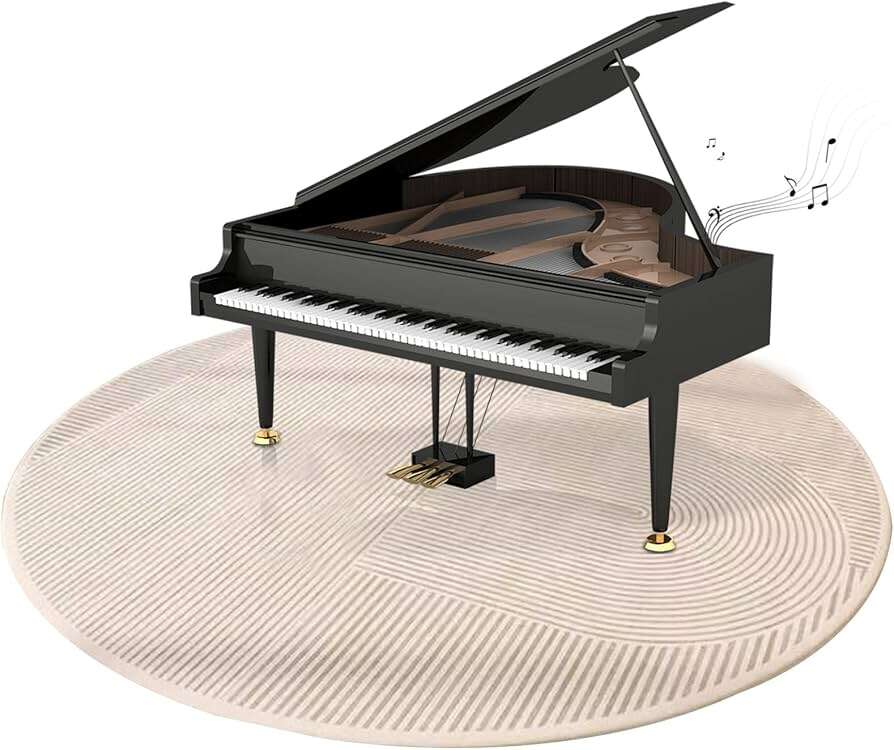
The biggest musical difference is in the action and soundboard orientation. A grand’s strings and soundboard lie horizontally. Gravity helps the hammer return, so the action responds faster. That gives more nuance for fast passages and wide dynamic swings.
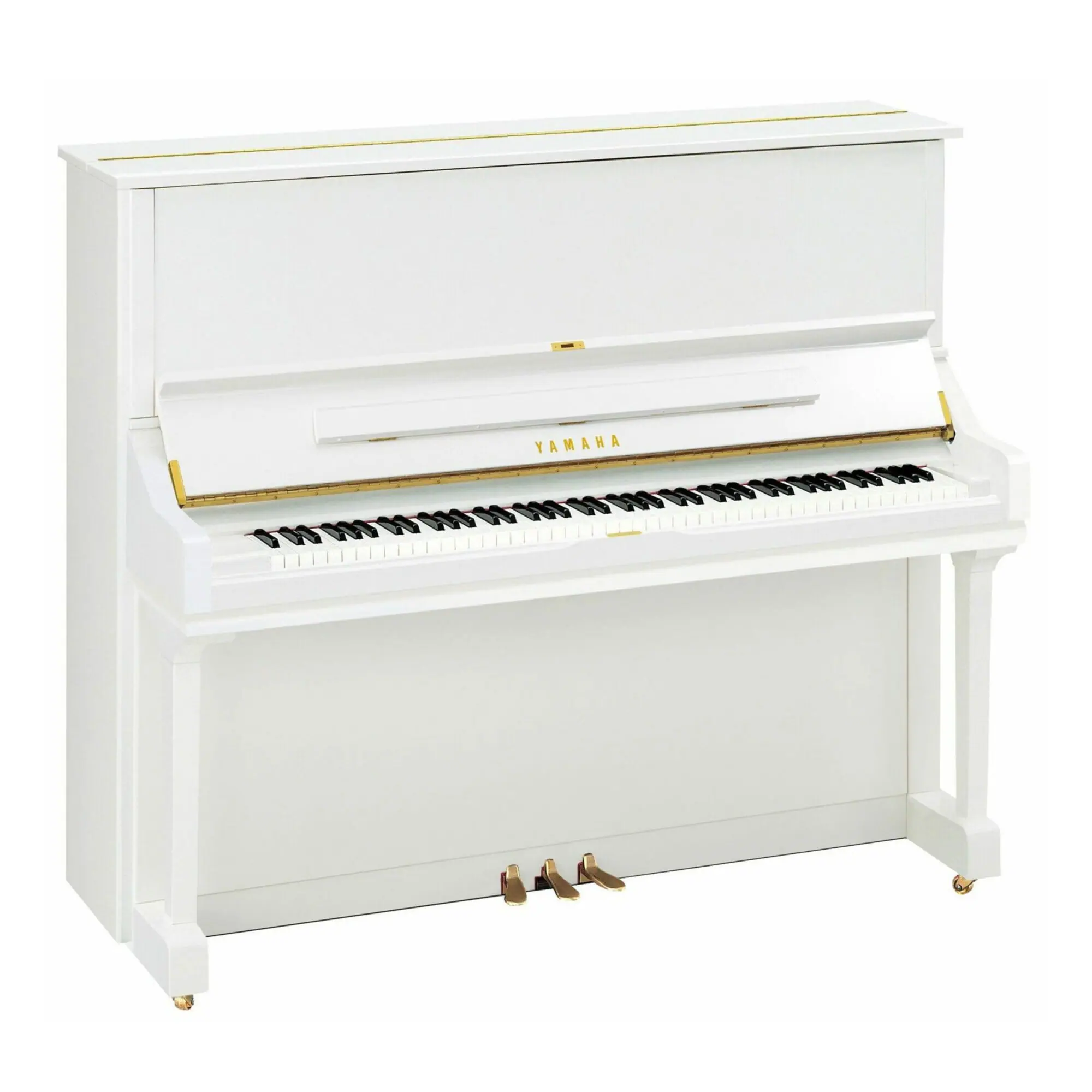
An upright’s strings run vertically. This saves space. Modern uprights still offer good tone, especially taller models, but they rarely match a grand’s sustain and richness. Your musical goals matter here. If you seek concert-level expression, a grand is usually the right choice. If you mostly play for enjoyment or lessons, a good upright might be perfect.
When thinking about how to choose between upright and grand piano for home, test touch and tone in person. Play scales, repeated notes, and soft passages. Listen for evenness and clarity.

Space and room fit: measure and plan
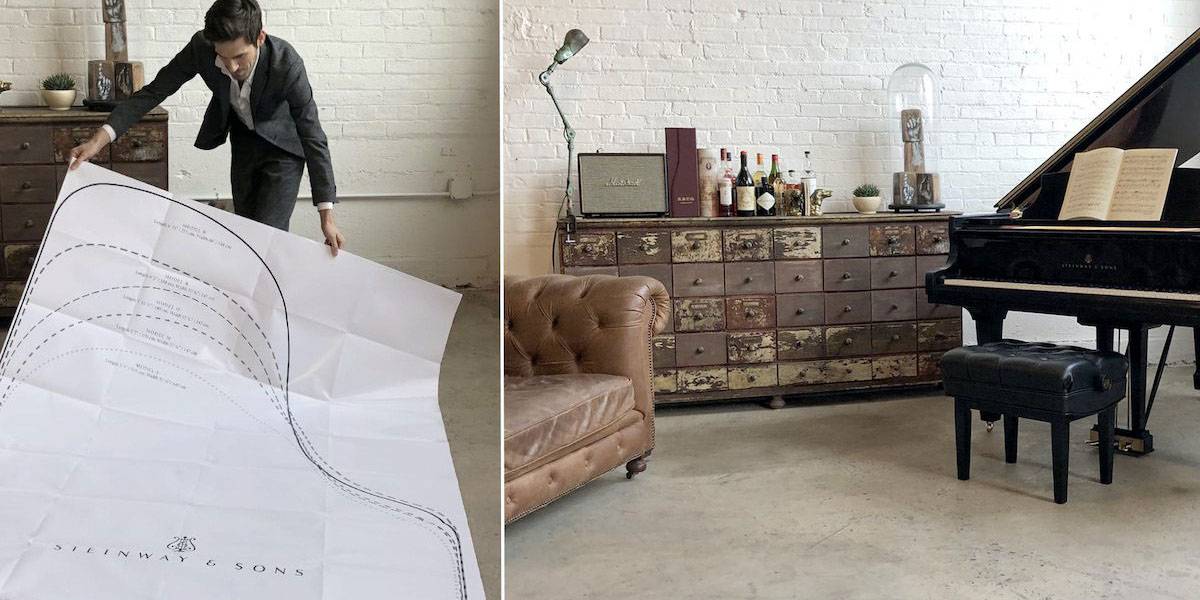
Space is often the deciding factor. Measure room length, width, and doorways before shopping. A baby grand can fit in many rooms but still needs clearance for lid and bench space. Uprights fit snugly against a wall and free up floor space.
Consider acoustics. Hard floors and high ceilings boost a grand’s sound. Soft furnishings can tame brightness. If you must place a piano in a small room, an upright is usually the practical choice when you think about how to choose between upright and grand piano for home.
Also plan for movers. Narrow staircases or tight turns favor uprights. If a grand must be moved, get a specialist and budget extra.

Budget, value, and long-term cost
Initial price is one factor. New baby grands start higher than mid-range uprights. Used instruments can offer bargains, but condition matters. Factor in these costs:
- Purchase price: New grand > new upright in general.
- Moving: Grand moves cost more.
- Tuning and maintenance: Both need regular tuning, but grands may need more detailed regulation over time.
- Resale value: Well-maintained grands often retain value better.
When you weigh how to choose between upright and grand piano for home, think long term. A modest increase in budget for a better-quality instrument will pay off in sound and durability.

Use cases and player level
Match the piano to use. Are you a casual player, a serious student, or a professional?
- Casual player: Upright often makes sense. It saves space and still plays well.
- Serious student: Taller upright or baby grand can support technique development.
- Professional or performer: A grand is usually preferred for its action and tone.
If you teach or plan to host recitals, choose a model that supports clear projection. That practical approach will guide how to choose between upright and grand piano for home based on actual use.

Maintenance, tuning, and climate
All pianos need care. Regular tuning (twice a year is common) keeps pitch and action stable. Grands have more access for regulation and voicing, which pros appreciate. Uprights can be easier and cheaper to maintain but still require periodic regulation.
Control humidity. Use a room humidifier or a piano-specific humidity system to prevent cracks or sticking keys. When you ask how to choose between upright and grand piano for home, include ongoing maintenance costs in your decision.
Aesthetics, placement, and lifestyle fit
A piano is furniture and a sound source. A grand becomes a focal point. It adds visual drama and elevates a room’s look. An upright is more subtle. It blends into living spaces and allows flexible layouts.
Think about family life. If you have small kids or pets, a closed-lid upright or a grand with a lockable fallboard may be safer. Consider finishes and how the instrument complements the room. These lifestyle factors influence how to choose between upright and grand piano for home beyond pure sound.

Buying used vs new and practical tips
Buying used can save money, but check condition. Here are practical steps:
- Inspect the soundboard for cracks and the pinblock for looseness.
- Play all keys and pedals; listen for buzzing or dead notes.
- Check action evenness and look for signs of repairs.
- Hire a technician for a pre-purchase inspection when possible.
- For moves, always use professional piano movers.
If you’re unsure how to choose between upright and grand piano for home, start by setting a budget, measuring space, and scheduling a few in-person tests. That process reduces mistakes and buyer’s regret.
My experience and real-life lessons
I once helped a family pick between a used upright and a baby grand. The grand sounded richer. But their small living room turned the sound muddy. We chose a tall upright instead, and they were happier. Lesson learned: the best instrument is the one that fits your room and life.
Another time, I saw a cheap grand that needed massive work. The upfront price looked good, but restoration costs doubled the total. Don’t rush. Inspect and compare. These real cases show practical ways to choose between upright and grand piano for home.
Step-by-step decision checklist
Follow these steps to decide with confidence:
- Measure space and doorways.
- Set a realistic budget including moving and maintenance.
- Define your main use and long-term goals.
- List must-have features (height, action quality, finish).
- Play multiple models in person.
- Get a technician inspection for used pianos.
- Compare total costs and lifestyle fit.
- Make the purchase and plan the move.
Use this checklist when you research how to choose between upright and grand piano for home. It turns a big choice into clear steps.
Frequently Asked Questions of how to choose between upright and grand piano for home
What is the main difference between an upright and a grand piano?
The main difference is orientation: a grand has horizontal strings and action, giving better touch and sustain. Uprights have vertical strings, saving space but offering slightly less nuance.
Can an upright be good for advanced players?
Yes. High-quality tall uprights can support advanced techniques and practice well. Many students and teachers use tall uprights successfully.
How much space does a baby grand need?
A baby grand typically needs at least 5 to 7 feet of room length and extra clearance for lid and bench. Measure carefully and account for acoustics.
Are grands always more expensive to maintain?
Not always, but grands can require more detailed regulation and care, which may increase service costs over time. Both types need regular tuning.
Is it better to buy used or new?
Both options have pros. New pianos offer warranty and no wear. Used pianos can be cost-effective but need careful inspection and sometimes repairs.
Conclusion
Choosing the right piano for home comes down to matching sound, touch, space, budget, and lifestyle. Test instruments, measure your space, and plan for upkeep. Trust your ears and practical needs over price alone.
Take action: measure your room, set a budget, and schedule in-person trials this week. If you want more help, leave a comment with your room size and budget, and I’ll share tailored advice.

Senior Music Reviewer
Alex Carter is a seasoned music reviewer with over a decade of experience in the world of sound and instruments. Passionate about helping musicians and enthusiasts make informed choices, he brings sharp insights and in-depth knowledge to every review. From classical instruments to modern gear, Alex combines technical expertise with a love for music to deliver content that resonates with readers.
As a Senior Music Reviewer and expert author on Tuneluma.com, Alex is dedicated to sharing honest evaluations, practical advice, and thoughtful commentary to guide readers in their musical journey.