Best Acoustic Piano For Home: Top Picks For Every Room
The best acoustic piano for home balances rich tone, natural key feel, quiet practice, and a size your room can handle.
A piano can turn a quiet corner into a warm, creative space, but choosing one is not easy. You may want the touch of an acoustic piano without tuning bills, heavy moving costs, or noise complaints from neighbors. I reviewed these home-friendly digital pianos for key feel, tone, features, setup, and daily comfort. Each option offers 88 keys, but they serve different players, rooms, and budgets.
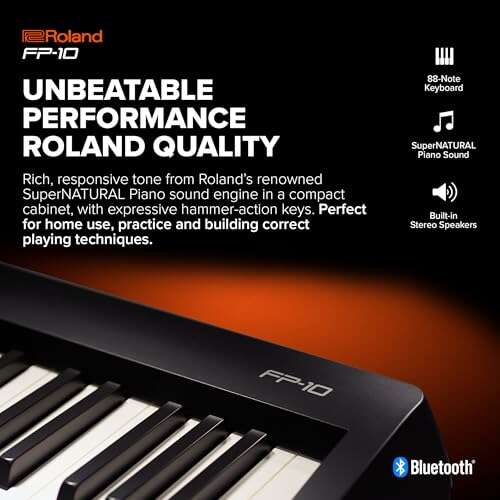
Roland FP-10 Digital Piano

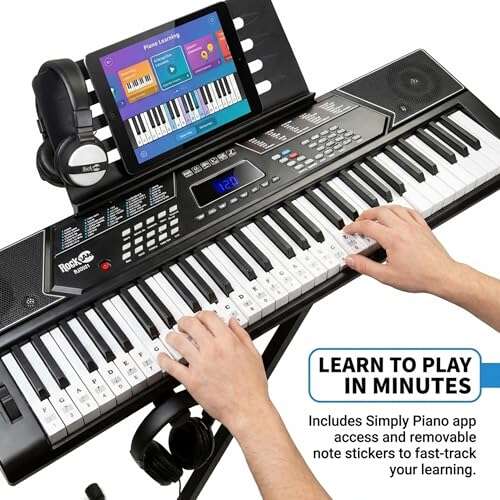
The Roland FP-10 is one of the easiest pianos to recommend for a first home setup. It uses Roland’s SuperNATURAL piano sound engine, so the tone feels lively instead of flat or toy-like. Its 88-note keyboard has a weighted action that gives beginners a useful sense of resistance. That helps build finger control for real piano music.
The slim body fits well in a bedroom, office, or small living room. Bluetooth MIDI lets you connect to compatible learning apps without a cable between the piano and your device. The built-in speakers work for casual play, while headphones make late practice much easier. For many new players, this is the best acoustic piano for home when space and price matter most.
Pros:
- Natural-feeling weighted 88-key action
- Clear and expressive SuperNATURAL piano tone
- Compact body suits small rooms
- Bluetooth MIDI supports wireless app learning
- Headphone output allows quiet practice
- Useful for both new and returning players
Cons:
- Stand and bench may cost extra
- Speaker power is modest for large rooms
- It has fewer onboard sounds than larger models
My Recommendation
I recommend the FP-10 to adults, teens, and beginners who want proper piano technique without filling the room with a large cabinet. The action is more serious than the light keys found on many low-cost keyboards. It also makes a smart choice for apartment players because you can practice through headphones. If you want the best acoustic piano for home on a sensible budget, this model offers excellent value.
| Best for | Why |
|---|---|
| Beginners | Weighted keys support good early technique. |
| Small rooms | The slim design uses little floor space. |
| Quiet practice | Headphones and Bluetooth learning tools add flexibility. |
Vediya 88-Key Semi-Weighted Piano
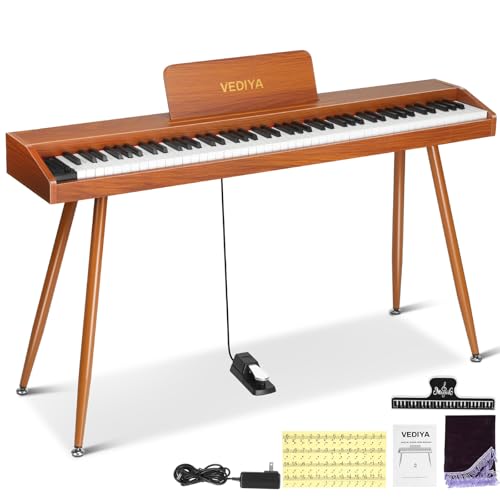
The Vediya 88-key piano targets shoppers who want a full-size instrument at an entry-level price. Its semi-weighted keys give more resistance than a basic organ-style keyboard. That extra weight can make scales and simple songs feel more controlled. The included pedal also lets a new player learn sustain from the start.
USB-MIDI compatibility adds a useful path for lessons, recording, and music apps. The brown finish gives it a warmer furniture look than a plain black portable keyboard. I would view it as a starter piano rather than a direct replacement for a premium acoustic action. Still, it may be the best acoustic piano for home for a family that needs full keys and basic features at a low cost.
Pros:
- Full 88-key range for beginner lessons
- Semi-weighted action feels more piano-like than light keys
- Pedal is included for immediate practice
- USB-MIDI works with computers and learning software
- Brown finish blends with many home interiors
- Accessible price for casual players
Cons:
- Semi-weighted keys do not match a true hammer action
- Built-in tones and controls may feel basic
- Long-term advanced players may want a stronger action
My Recommendation
This Vediya model suits a child, adult beginner, or family testing the waters before making a larger investment. It gives you the full range needed for lessons and simple classical pieces. The USB-MIDI port is helpful if you plan to use a laptop or tablet. For buyers who need a low-cost best acoustic piano for home and do not yet demand professional key response, it is a practical starting point.
| Best for | Why |
|---|---|
| Budget buyers | It offers 88 keys and a pedal at an accessible cost. |
| First lessons | The semi-weighted keys provide basic resistance. |
| Home music apps | USB-MIDI supports digital lessons and recording. |
Roland FP-90X Piano Bundle

The Roland FP-90X is the premium choice in this group. It pairs Roland’s detailed piano modeling with the PHA-50 hybrid wood-and-composite action. The keys feel stable and responsive, with a surface designed to give the fingers a secure grip. Its wide dynamic range lets you play soft passages with care and powerful chords with real presence.
This bundle adds the KSC-90 stand, KPD-90 three-pedal unit, bench, lessons, and other useful extras. That matters because a home piano feels far more complete when the pedals and seating match the instrument. The FP-90X also includes strong built-in amplification and Bluetooth features. For an experienced player, this can be the best acoustic piano for home when realistic touch and rich sound come first.
Pros:
- Highly responsive PHA-50 hybrid key action
- Detailed tone with strong dynamic expression
- Three-pedal unit supports advanced piano technique
- Powerful stereo speaker system fills a living room
- Premium stand creates a stable home setup
- Bluetooth audio and MIDI add modern convenience
Cons:
- Higher price than beginner models
- Cabinet and stand need more room
- Heavier to move than a compact slab piano
My Recommendation
I recommend the FP-90X to serious students, skilled hobbyists, teachers, and former acoustic pianists who notice small changes in touch. The three pedals and stable stand make it ready for regular home use. It also has enough sound and speaker quality for family listening or small informal performances. If your goal is the best acoustic piano for home with a refined playing experience and a complete bundle, this is the strongest premium pick.
| Best for | Why |
|---|---|
| Advanced players | The hybrid action responds well to nuanced technique. |
| Living-room playing | Powerful speakers deliver a full, room-filling tone. |
| Complete setup | The bundle includes a stand, bench, and three pedals. |
Vediya Wooden Desk Digital Piano

The Vediya wooden desk model is made for shoppers who want a piano that looks like part of the room. Its upright desk-style cabinet gives the instrument a more settled appearance than a portable keyboard on an X-stand. It includes 88 semi-weighted keys and a triple-pedal layout. That makes it visually appealing for a study, bedroom, or living room.
USB-MIDI compatibility supports digital lessons and simple home recording. The included pedals also make it easier to practice sustain, soft, and sostenuto techniques. I would not expect the same key response as a quality hammer-action instrument, but the design offers strong everyday convenience. It may be the best acoustic piano for home for a new player who values furniture style as much as basic piano function.
Pros:
- Furniture-style cabinet looks neat in a home
- Full 88-key layout supports standard lessons
- Triple pedals offer more control than a single pedal
- USB-MIDI allows connection to learning devices
- Black finish has a clean, classic appearance
- Desk format creates a stable playing station
Cons:
- Semi-weighted action is less realistic than hammer action
- Furniture design is less portable than a slim keyboard
- Brand support and software options may be limited
My Recommendation
This model fits a beginner who wants an upright look without buying a tuned acoustic piano. It works well when the instrument will stay in one place and serve as part of the room’s decor. The triple pedals are a nice bonus for students moving beyond very basic songs. Choose it as the best acoustic piano for home if appearance, full size, and a built-in furniture feel matter more than advanced touch.
| Best for | Why |
|---|---|
| Home decor | The wooden desk design looks more like furniture. |
| Stationary practice | The cabinet creates a stable, ready-to-use setup. |
| Beginner pedal work | Three pedals allow broader piano practice. |
Roland FP-10 Complete Home Bundle

This FP-10 package keeps the excellent compact piano at its core but adds the items a new player needs. The bundle includes the KSC-FP10 stand, bench, sustain pedal, instructional book, lessons, and a DVD. That saves the hassle of guessing which stand or seat will fit. You can open the box and build a more comfortable practice corner right away.
The FP-10 still provides Roland’s weighted 88-note action and SuperNATURAL piano sounds. It remains narrow enough for many apartments and bedrooms. The bench encourages a better playing height than a random chair, which can reduce poor posture during long practice. For convenience, this is often the best acoustic piano for home for a beginner who wants one simple package.
Pros:
- Well-matched stand gives the piano a secure base
- Bench supports a proper seated playing position
- Sustain pedal is ready for beginner repertoire
- Weighted keys help develop finger strength
- Lessons and printed material support self-guided study
- Compact Roland design works in smaller homes
Cons:
- Bundle costs more than the piano alone
- Single sustain pedal limits advanced pedal technique
- FP-10 speakers may not suit a large open room
My Recommendation
I would choose this package for a new player who does not already own a stand, bench, or pedal. It removes common setup mistakes and gives the player a clear path from the first lesson. The Roland action is also good enough to remain useful after the beginner stage. If you want the best acoustic piano for home with a low-stress setup, this bundle is more practical than buying accessories one by one.
| Best for | Why |
|---|---|
| New piano owners | The main accessories arrive in one package. |
| Apartment practice | The compact body and headphone mode save space and noise. |
| Self-teaching | Books, lessons, and video material offer a clear start. |
Full-Size 88-Key Beginner Piano

This full-size digital piano focuses on home use, simple controls, and beginner comfort. It provides 88 keys with fully weighted touch response, so the keyboard follows a more traditional piano layout. Built-in speakers make it easy to start playing without extra equipment. Triple pedals add useful control for students who want more than a basic sustain pedal.
The upright shape can look at home in a living room or family space. Headphone mode helps when one person wants to practice while others watch television or sleep. The broad feature set may appeal to families because children and adults can share one instrument. I see it as a value-focused choice for buyers seeking the best acoustic piano for home without paying for a premium name.
Pros:
- Fully weighted 88-key response suits piano study
- Triple pedals support broader musical expression
- Built-in speakers require no separate amplifier
- Headphone mode supports quiet household practice
- Upright form looks suitable in a living room
- Designed for both adults and children
Cons:
- Sound quality may be less refined than Roland models
- Upright cabinet needs more space than a slab piano
- Long-term durability may depend on support and assembly
My Recommendation
This piano is best for families that want one shared instrument for basic lessons, games, and daily practice. The fully weighted keys give beginners a better path toward standard piano technique. Triple pedals add room to grow, while headphone mode protects the peace at home. Consider it the best acoustic piano for home when you want a furniture-style beginner piano with many features at a value price.
| Best for | Why |
|---|---|
| Families | The full layout works for children and adults. |
| Living rooms | The upright design fits a shared home space. |
| Quiet study | Headphone mode lets players practice without room noise. |
Roland FP-30X Digital Piano

The Roland FP-30X sits between the entry-level FP-10 and the premium FP-90X. It gives you a more powerful amplifier, richer speakers, and an improved PHA-4 Standard action. The ivory-feel key surface helps fingers stay steady during fast or repeated notes. Its piano sound has enough depth for serious practice, yet the body stays slim.
Bluetooth audio lets you play music from a phone through the piano’s speakers, which is useful for lessons and play-along work. Bluetooth MIDI adds a clean way to use compatible apps. The FP-30X has enough power for a family room but remains easy to place against a wall. For many players, it is the best acoustic piano for home because it delivers a strong balance of touch, tone, size, and price.
Pros:
- Responsive PHA-4 weighted keyboard
- Ivory-feel key surface improves finger grip
- Stronger speaker system than the FP-10
- Bluetooth audio and MIDI support modern learning
- Portable, slim body fits many rooms
- Good choice for students who plan to advance
Cons:
- Stand, bench, and three-pedal unit may be separate
- It costs more than a basic beginner piano
- Portable styling may not suit formal furniture decor
My Recommendation
I recommend the FP-30X to growing students, home performers, and adults who want one piano for many years. Its action feels more capable than a starter keyboard, while its speakers sound strong enough for normal home use. Bluetooth features make lessons feel less cluttered and more engaging. If you want the best acoustic piano for home for long-term value, this is my best all-around pick.
| Best for | Why |
|---|---|
| Growing students | The improved action supports progress beyond basic songs. |
| Small to medium rooms | It stays slim while producing fuller sound. |
| Home lessons | Bluetooth audio and MIDI simplify app use. |
Roland F701-LA Home Piano

The Roland F701-LA is a cabinet-style digital piano built for homes that value clean design. Its slim upright body looks more finished than a keyboard placed on a folding stand. The instrument uses 88 weighted keys and includes a three-pedal system. That makes it a good fit for regular study, family use, and formal rooms.
Roland’s sound engine gives the piano an expressive voice, while the cabinet speakers help create a more natural listening experience. Bluetooth connectivity supports lessons, music playback, and practice tools. The lid and controls are designed to keep the front panel neat when the piano is not in use. It can be the best acoustic piano for home for a buyer who wants modern features in a traditional-looking package.
Pros:
- Elegant cabinet design suits modern homes
- Weighted 88-key action supports serious study
- Three pedals allow advanced repertoire
- Bluetooth features support lessons and playback
- Built-in speakers create a balanced home sound
- Compact cabinet is less imposing than a large upright
Cons:
- Cabinet style limits easy portability
- It costs more than portable beginner models
- Color and furniture finish may not suit every room
My Recommendation
The F701-LA is best for a home pianist who wants the instrument to look intentional and permanent. It suits adults, families, and students who practice often and want three pedals from the start. The slim cabinet saves space without giving the room a temporary keyboard feel. Choose it as the best acoustic piano for home when appearance, clean design, and reliable Roland performance all matter.
| Best for | Why |
|---|---|
| Design-focused homes | The slim cabinet blends with modern furniture. |
| Serious students | Weighted keys and three pedals support growth. |
| Daily family use | Speakers and Bluetooth make shared play simple. |
Roland FP-10 Adjustable Stand Bundle
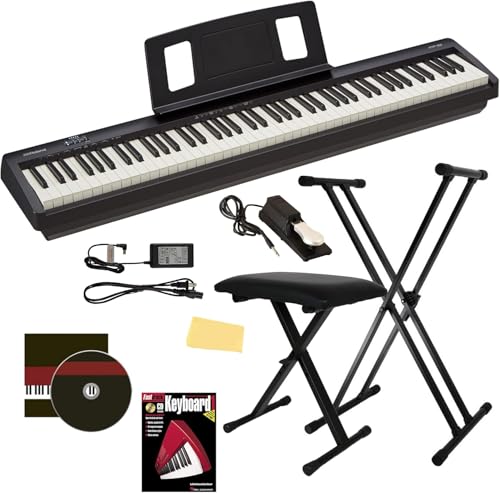
This final FP-10 package focuses on flexible setup. It includes an adjustable stand, bench, sustain pedal, instructional book, online lessons, DVD, and a cleaning cloth. The adjustable stand is useful when children and adults share the piano. You can set a more suitable playing height instead of forcing every player to use one fixed position.
The piano itself keeps the trusted FP-10 combination of weighted keys, SuperNATURAL tones, Bluetooth MIDI, and a slim body. The package works well in a room that needs occasional reorganization. It is not the most powerful piano here, but it gives a new player a complete and adaptable practice station. For value and flexibility, it deserves attention as the best acoustic piano for home for mixed-age households.
Pros:
- Adjustable stand supports different player heights
- Bench and sustain pedal are included
- Weighted 88-key action builds useful technique
- Learning materials reduce the need for extra purchases
- Compact piano can move more easily than a cabinet model
- Cleaning cloth helps keep the setup presentable
Cons:
- Fixed cabinet users may prefer a furniture-style piano
- Single pedal is basic for advanced classical work
- Speakers are better for personal rooms than large spaces
My Recommendation
I like this bundle for families, renters, and players who may move the piano between rooms. The adjustable stand makes it more comfortable for a child and a parent to share. The included learning tools also make the first purchase easier to manage. If your idea of the best acoustic piano for home includes flexible height, helpful extras, and trusted key feel, this bundle is a strong choice.
| Best for | Why |
|---|---|
| Shared family use | The adjustable stand suits different heights. |
| Renters | The portable design is easier to move than a cabinet. |
| New learners | Lessons, a book, bench, stand, and pedal are included. |
How to Choose the Best Acoustic Piano for Home
Before buying, decide whether you truly need strings and hammers. A traditional acoustic piano has a beautiful, living sound, but it needs regular tuning and careful placement. A digital piano recreates the playing experience and adds volume control, headphones, and app support. For most modern homes, a digital model offers a simpler daily life.
Start with the key action. A full-size piano should have 88 keys. Weighted or hammer-action keys are the better choice for classical study because they respond more like an acoustic instrument. Semi-weighted keys can work for a first step, but many serious students outgrow them. I place key feel above a long list of extra sounds.
Key Feel and Touch Response
Touch response tells you how the piano reacts to your hands. A good action lets soft fingers make a soft note and firm fingers make a strong note. This control is the heart of piano playing. If possible, test the keys before purchase, or choose a model from a brand with a clear return policy.
Weighted keys should not feel loose or springy. They should offer a measured pushback and return smoothly. Some actions use wood, while others use plastic or composite parts. Materials matter, but the complete design matters more. Roland’s FP-10 and FP-30X actions, for example, show how a well-made compact action can feel more musical than its size suggests.
Sound and Speaker Quality
Listen for tone that changes with touch. A bright sound may help pop and gospel, while a warmer sound often suits classical work. Speaker power also matters. A small room does not need huge volume, but weak speakers can make a good piano sound thin.
Headphone use is a key benefit in a home. It lets you practice early in the morning or late at night. Bluetooth audio can also turn the piano into a simple music speaker for lessons and play-along tracks. These features do not replace good tone, but they make regular practice easier.
Size, Stand, and Room Placement
Measure the wall before you order. Leave space for a bench, pedal movement, and comfortable arm motion. A portable piano such as the FP-10 or FP-30X is easier to fit in a tight room. A cabinet piano looks more finished but takes longer to move.
Do not place an acoustic piano or digital cabinet directly beside a radiator, vent, or damp window. Heat and moisture can harm instruments over time. A digital piano has fewer climate worries, but stable placement still protects its electronics and keeps the playing position safe.
Pedals
A sustain pedal is enough for early songs. As your skill grows, a three-pedal system becomes more useful. The soft pedal changes the color or volume of notes. The sostenuto pedal can hold selected notes while later notes remain short.
Many portable models sell a three-pedal unit separately. Bundle prices can be better than buying each item later. Check the product details carefully because package contents can vary by seller. A bench is also worth considering; the wrong chair can create poor posture and tired legs.
Connectivity and Learning Features
USB-MIDI sends note data to a computer, tablet, or phone. It does not send the piano’s recorded sound in the same way as an audio cable. This connection works well with lesson apps and music software. Bluetooth MIDI can reduce cable clutter, but device compatibility still matters.
Bluetooth audio is different. It lets music from a phone play through the piano’s speakers. This can help you hear lesson tracks and backing music. I suggest checking the exact connection type before buying, since not every Bluetooth piano supports both audio and MIDI.
Digital Piano Versus Acoustic Piano
| Feature | Digital piano |
|---|---|
| Tuning | Usually no regular tuning is needed. |
| Noise control | Headphones allow quiet practice. |
| Moving | Portable models are easier to relocate. |
| Sound | Volume, tone, and effects can be adjusted. |
| Maintenance | Less care is needed, though electronics still need protection. |
An acoustic piano still offers a special physical connection. You feel the vibration through the cabinet, and every instrument has its own voice. Yet that charm comes with weight, tuning, and sound limits. A digital piano gives a family more control and often makes practice more likely.
Why 88 Keys Matter for Home Practice
Short keyboards can work for simple melodies, but they limit serious piano study. An 88-key layout gives you the full range used in standard piano books. Your hands can learn where bass and treble notes sit without shifting the keyboard. This makes the transition to an acoustic piano easier later.
Children can begin on fewer keys, but a full-size model avoids an early upgrade. Adults may also appreciate the room for chords and wide left-hand patterns. If your room allows it, 88 keys are the safer long-term choice. Every piano in this guide provides that full range.
How I Judged These Home Pianos
I focused on features that affect real practice, not just a long specification list. Key response came first because it shapes technique. I also considered tone, speaker strength, pedals, room size, setup needs, connection options, and the likely skill level of the buyer.
I separated portable slab models from cabinet models because they solve different problems. I also treated bundles as complete packages rather than judging only the keyboard. Prices and stock can change, so check the current Amazon listing for the latest package contents, warranty details, shipping terms, and seller information.
Care Tips for a Home Digital Piano
Keep drinks away from the keys. A small spill can damage switches and internal parts. Dust the case with a soft, dry cloth, and follow the maker’s care advice for the key surfaces. Do not spray cleaner directly onto the instrument.
Use a stable outlet and avoid pulling the power cord at an angle. Place the stand on a level floor and tighten its hardware from time to time. If you use headphones, remove them by holding the plug, not the cable. Small habits protect the piano and keep it ready to play.
FAQs Of best acoustic piano for home
Is a digital piano better than an acoustic piano for a home?
For many homes, yes. A digital piano needs less maintenance, supports headphones, and is easier to place. An acoustic piano may offer a richer physical sound, but it needs tuning and more space.
What is the best acoustic piano for home beginners?
The Roland FP-10 is an excellent beginner choice. Its weighted 88-key action feels more like a real piano, and its compact body fits small rooms. The complete FP-10 bundles are useful if you also need a stand, bench, and pedal.
Are semi-weighted keys good enough for learning?
They can work for basic songs and early lessons. However, fully weighted or hammer-action keys offer better practice for classical technique. Choose semi-weighted keys when budget is the main concern.
Do I need three pedals at home?
No. A sustain pedal handles most beginner music. Three pedals become more useful as you play advanced classical pieces and want finer control.
Can I use headphones with these pianos?
These home digital piano designs are made for personal practice, and compatible headphones can reduce room noise. Check the exact connection and volume controls before use. Start at a low volume to protect your hearing.
Final Verdict: Which Should You Buy?
For most players, I choose the Roland FP-30X as the best acoustic piano for home. It gives you strong tone, responsive weighted keys, useful Bluetooth tools, and enough speaker power for daily use. Choose the FP-10 for a lower price or the FP-90X for premium touch.
The right home piano should invite you to play each day. Measure your room, choose the right action, and check the current Amazon package before ordering. A thoughtful choice can make practice feel less like work and more like opening a bright window.

Senior Music Reviewer
Alex Carter is a seasoned music reviewer with over a decade of experience in the world of sound and instruments. Passionate about helping musicians and enthusiasts make informed choices, he brings sharp insights and in-depth knowledge to every review. From classical instruments to modern gear, Alex combines technical expertise with a love for music to deliver content that resonates with readers.
As a Senior Music Reviewer and expert author on Tuneluma.com, Alex is dedicated to sharing honest evaluations, practical advice, and thoughtful commentary to guide readers in their musical journey.