What A God Piano Chords: Easy Guide For Beginners
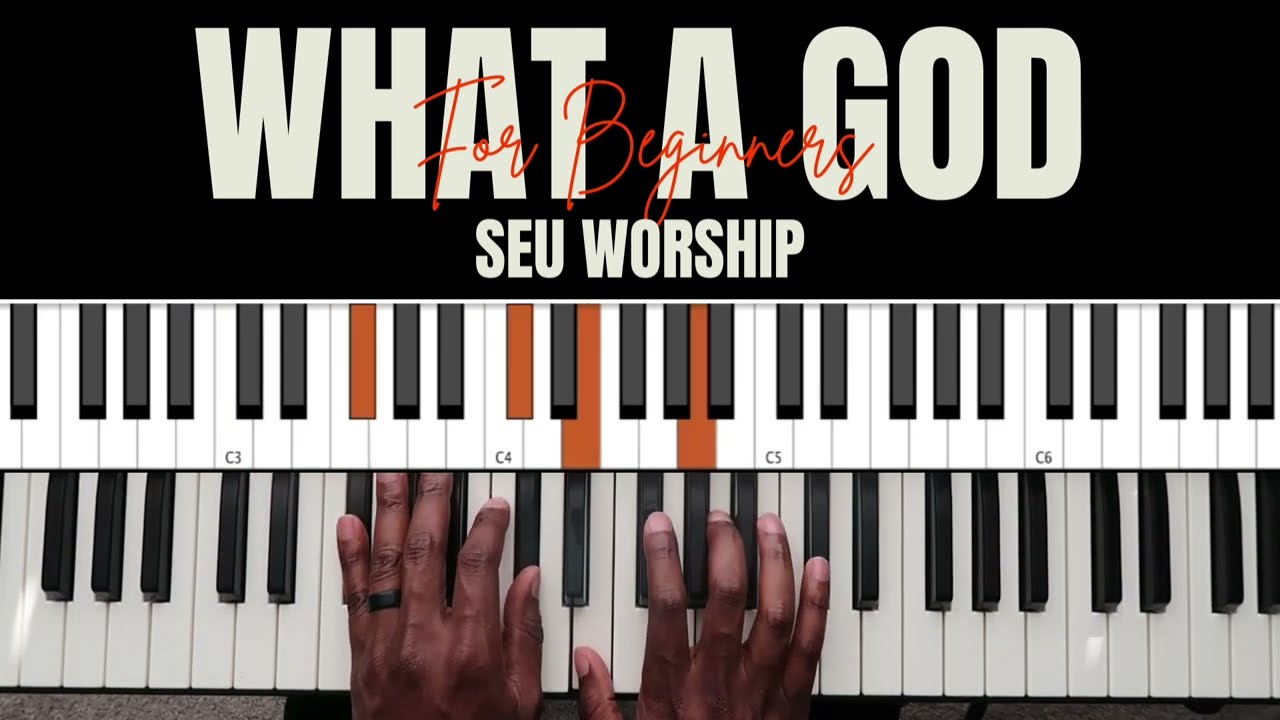
What a God piano chords are usually a simple worship progression built around C, G, Am, and F.
Learning What a God piano chords is a great way to build confidence with modern worship music. The song uses a warm, repeating progression that works well for beginners, church pianists, worship teams, and singers who need a steady musical base.
Because several songs share the title What a God, the exact chords may change by artist or recording. This guide covers a common worship arrangement, explains how to play it in C, and shows how to move the chords to another key without losing the song’s feel.
What key are What a God piano chords usually played in?
A common version of What a God piano chords is played in the key of C major. This key is friendly for beginners because it uses mostly white keys and avoids difficult sharps or flats.
The main chord pattern is:
| Chord | Notes |
|---|---|
| C major | C, E, G |
| G major | G, B, D |
| A minor | A, C, E |
| F major | F, A, C |
The progression is:
C | G | Am | F
In Nashville numbers, this is:
1 | 5 | 6m | 4
This 1-5-6m-4 progression appears in many worship and pop songs. It feels hopeful, open, and easy to sing over. Think of it as a musical road that keeps moving forward without sounding rushed.
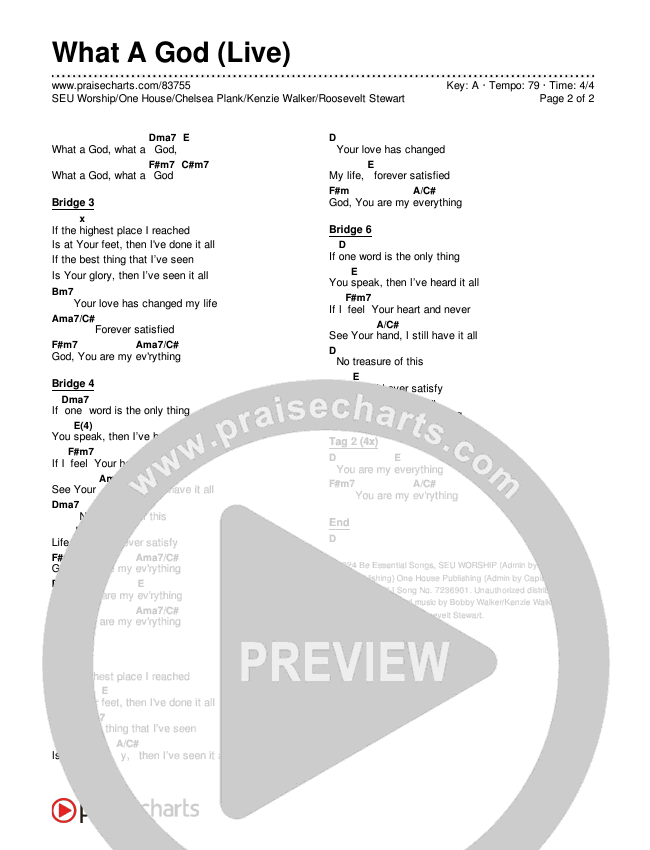
What a God piano chords chart in C
Here is a simple chord chart for What a God piano chords in C major:
Verse:
| C  | G  | Am | F  |

Pre-Chorus:
| F  | G  | Am | C  |

Chorus:
| C  | G  | Am | F  |
Some versions may use the same four chords throughout the verse and chorus. Other arrangements may add a pre-chorus or hold the final F chord for an extra measure.
For a basic performance, play one chord per bar. If the song is in 4/4 time, count each chord for four beats:
1  2  3  4
C  C  C  C
Then move to G, Am, and F. Keep the timing steady before adding fills or larger voicings.
A simple left-hand and right-hand setup looks like this:
• Left hand: Play the root note of each chord.
• Right hand: Play the full triad.
• C chord: Left hand plays C; right hand plays C-E-G.
• G chord: Left hand plays G; right hand plays G-B-D.
• Am chord: Left hand plays A; right hand plays A-C-E.
• F chord: Left hand plays F; right hand plays F-A-C.
Easy piano voicings for What a God
Basic triads are enough to play What a God piano chords. However, smooth voicings can make the song sound more polished and less jumpy.
Try these right-hand shapes:
C:  G-C-E
G:  G-B-D
Am: A-C-E
F:  A-C-F
These shapes keep several notes close together. Your hand moves less, so the chords connect in a smoother way.
You can also use seventh chords for a softer worship sound:
Cmaj7: C-E-G-B
G:     G-B-D
Am7:   A-C-E-G
Fmaj7: F-A-C-E
Use seventh chords with care. They add color, but too many extra notes can make a beginner arrangement sound crowded. Start with triads, then add one richer chord at a time.
A useful rule is simple: the left hand gives the song weight, while the right hand gives it color. If the sound becomes muddy, move the left hand lower or remove extra notes from the right hand.
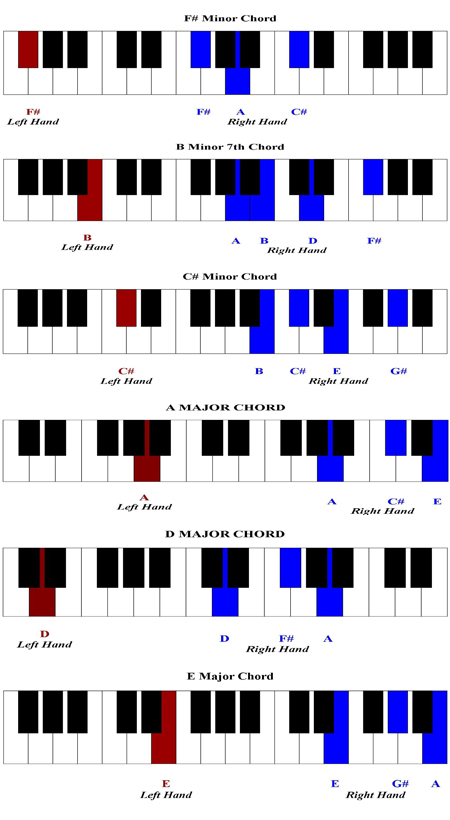
Beginner rhythm patterns for What a God piano chords
The easiest rhythm is a whole-note pattern. Press each chord once and hold it for four beats.
C        | G        | Am       | F
1-2-3-4  | 1-2-3-4  | 1-2-3-4  | 1-2-3-4
This works well when you are learning the chord changes or supporting a singer.
For a more active sound, play on beats 1 and 3:
1     2     3     4
Play        Play
You can also use a gentle broken-chord pattern:
Root – fifth – third – fifth
For C, that could be:
C – G – E – G
For G:
G – D – B – D
For Am:
A – E – C – E
For F:
F – C – A – C
Keep the pattern soft during the verse. Increase the volume during the chorus. This creates movement without changing the chord progression.
One common mistake is playing every note with the same force. Worship piano often sounds better when the player leaves space. Let the singer lead, and use the piano to support the message.

How to play What a God piano chords with both hands
Once the right-hand chords feel comfortable, add simple bass notes with the left hand.
Start with this pattern:
Left hand:  Root note
Right hand: Chord
Example:
Left hand C + right-hand C chord
Left hand G + right-hand G chord
Left hand A + right-hand Am chord
Left hand F + right-hand F chord
Next, try octaves in the left hand. Play the same root note in two registers, such as low C and middle C. Do not play too low if your piano sounds heavy or unclear.
You can also use fifths:
C and G
G and D
A and E
F and C
Fifths give the left hand a full sound without creating too much harmonic clutter.
For a worship team, less is often more. If a bass player is present, avoid heavy left-hand patterns. Let the bass player cover the low range while you use gentle right-hand voicings.
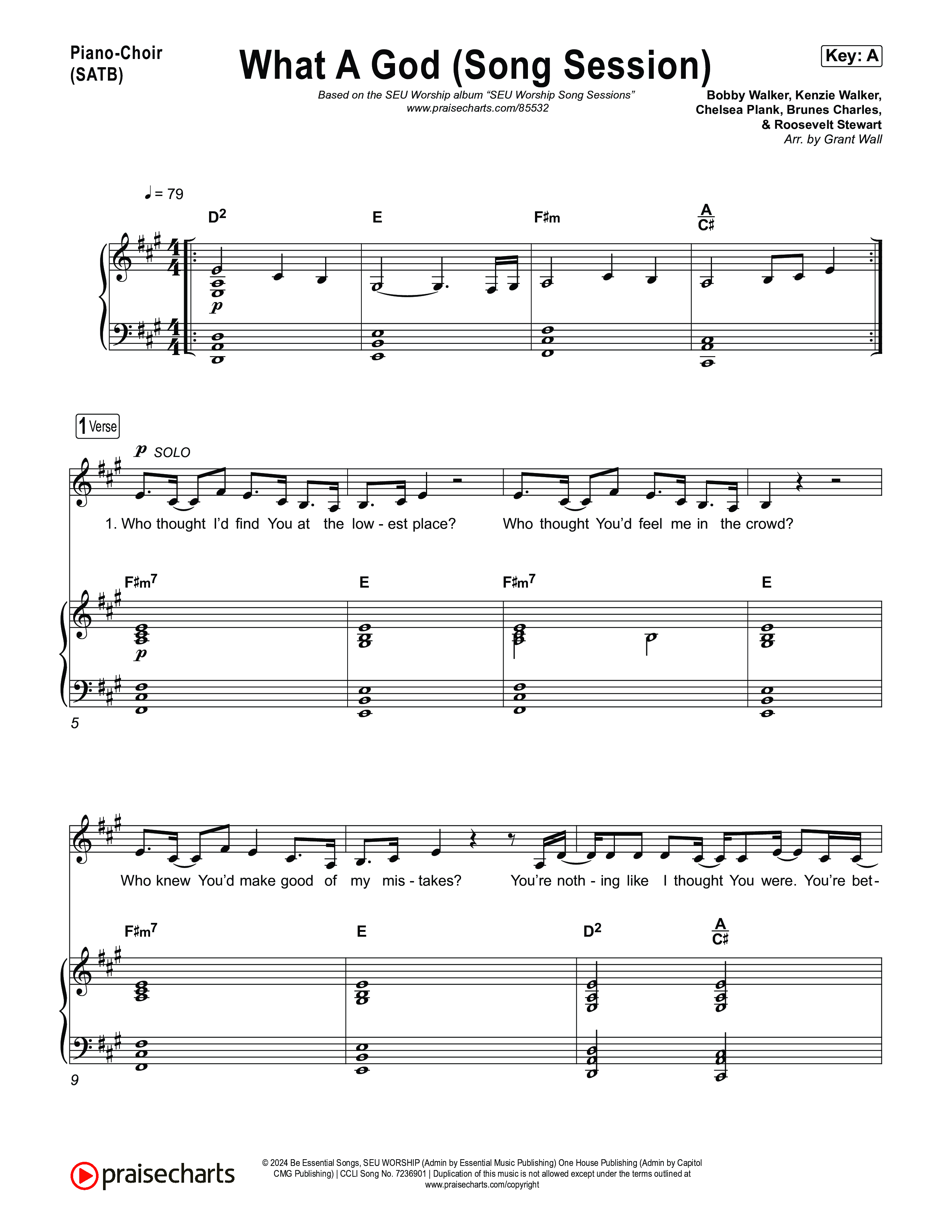
How to transpose What a God piano chords
You may need to change the key to fit a singer. The easiest method is to treat the progression as numbers:
1 – 5 – 6m – 4
Here are several useful keys:
| Key | Chords |
|---|---|
| C | C – G – Am – F |
| D | D – A – Bm – G |
| E | E – B – C#m – A |
| G | G – D – Em – C |
| A | A – E – F#m – D |
If the original What a God piano chords feel too high, move the song down to C or G. If the singer needs more lift, try D or E.
A transpose button on a digital piano can help during practice. Still, learn the real chord names when possible. Understanding the key gives you more control than depending only on a transpose setting.
The most important thing is to keep the same relationship between the chords. The song remains recognizable because the pattern stays 1-5-6m-4, even when every chord changes.

Common mistakes when learning What a God piano chords
Many players learn the correct chords but still struggle to make the song sound smooth. The problem is often timing, voicing, or too much playing.
Watch for these mistakes:
• Changing chords late: Practice slowly with a metronome and count out loud.
• Using large jumps: Choose nearby inversions instead of moving the whole hand.
• Playing too loudly: Leave room for the singer and other instruments.
• Adding fills too soon: Build a steady pulse before adding extra notes.
• Ignoring the song structure: Mark the verse, chorus, bridge, and ending on your chart.
• Using the wrong recording: Check the artist and key before copying a chord chart.
A practical practice method is to loop two chords at a time. Play C to G until the change feels natural. Then practice G to Am, Am to F, and F back to C.
After that, connect all four chords. This small-step method reduces frustration and helps your hands remember the movement.
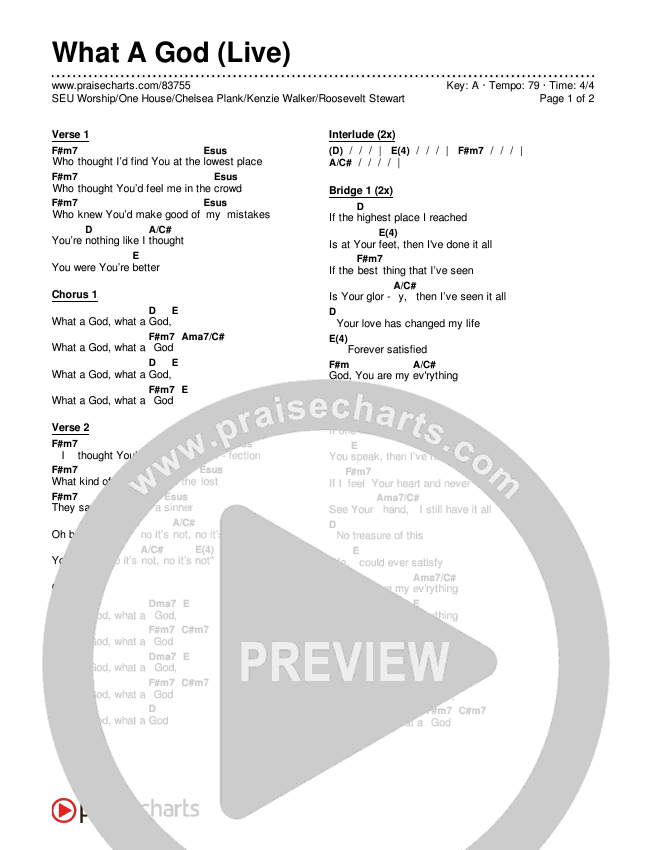
A simple practice plan for What a God piano chords
Use this 15-minute routine:
-
Play each chord alone for one minute.
-
Practice C to G slowly for two minutes.
-
Practice Am to F for two minutes.
-
Play the full progression with whole notes for three minutes.
-
Add a broken-chord rhythm for three minutes.
-
Practice the song with a metronome for two minutes.
-
Finish by playing softly and focusing on smooth changes.
Start at a slow tempo. Speed is not the goal at first. Clean chord changes and steady time matter more than playing quickly.
Record yourself on your phone. Listen for gaps between chords, uneven volume, and notes that sound unclear. This simple review can reveal issues that are hard to notice while you are playing.
A helpful lesson from many worship rehearsals is that a simple part played with confidence sounds better than a complex part played without control.
What if your version of What a God uses different chords?
Song titles are not always unique. What a God piano chords may refer to different artists, live versions, or arrangements. A studio recording may use one key, while a church performance may transpose the song for a particular vocalist.
Before practicing, check:
• The artist’s name.
• The recording or album.
• The original key.
• The time signature.
• Whether the chart uses a capo or guitar-based chord names.
If your version does not match C-G-Am-F, do not assume your chart is wrong. Listen for the bass note and identify the chord quality. A major chord sounds bright, while a minor chord sounds darker and more reflective.
You can also send the progression through a chord-detection app, but treat automatic results as a starting point. Such tools may confuse inversions, suspended chords, or passing notes.
Frequently Asked Questions About What a God Piano Chords
What are the easiest What a God piano chords for beginners?
The easiest common progression is C, G, Am, and F. These chords use familiar shapes and can be played with one chord per measure.
What key is What a God usually played in?
A common beginner arrangement is in C major. The exact key depends on the artist, recording, and vocalist, so confirm the version before practicing.
Can I play What a God piano chords with only my right hand?
Yes. Play the right-hand triads first, then add the left-hand root notes when you feel comfortable. This is a good way to learn the song without feeling overwhelmed.
How do I make What a God piano chords sound more professional?
Use smooth inversions, gentle dynamics, and simple broken-chord patterns. Avoid playing too many notes, especially when a singer or full band is present.
How can I transpose What a God piano chords for a singer?
Find the original key, then move every chord by the same number of steps. You can also use the progression 1-5-6m-4 and rebuild it in a more comfortable key.
Why do different chord charts show different What a God piano chords?
Different recordings may use different keys, chord extensions, or live arrangements. Some charts also simplify the harmony, while others include passing chords and inversions.
Conclusion
What a God piano chords are approachable because the common arrangement uses a repeating 1-5-6m-4 progression. In C major, that pattern is C, G, Am, and F. Start with simple triads, add left-hand roots, and then explore inversions, seventh chords, and gentle rhythm patterns.
Always check the exact artist and recording, since songs with the same title can have different harmonies. Practice slowly, listen closely, and focus on steady timing before adding decoration.
Sit at the piano today and play the four-chord loop for five minutes. Then try it in another key and share your favorite version or question in the comments.

Senior Music Reviewer
Alex Carter is a seasoned music reviewer with over a decade of experience in the world of sound and instruments. Passionate about helping musicians and enthusiasts make informed choices, he brings sharp insights and in-depth knowledge to every review. From classical instruments to modern gear, Alex combines technical expertise with a love for music to deliver content that resonates with readers.
As a Senior Music Reviewer and expert author on Tuneluma.com, Alex is dedicated to sharing honest evaluations, practical advice, and thoughtful commentary to guide readers in their musical journey.