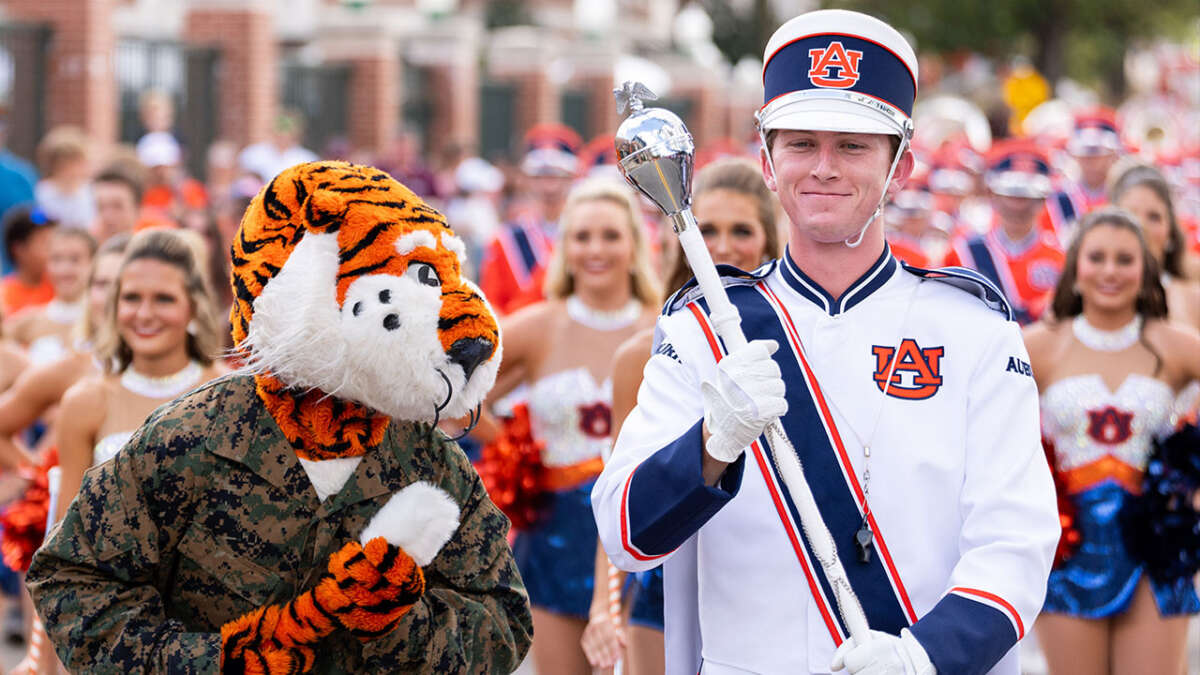
Why Are Drum Majors Called Drum Majors: Name Explained
Drum majors are called that because they were once the senior leaders, or “majors,” of military drummers.
The answer to why are drum majors called drum majors lies in military music history. The title combines the leader’s role with the drum section he once commanded. Over time, the job grew far beyond keeping drummers together. Today, a drum major may lead an entire marching band, set the tempo, direct movement, and represent the group with confidence. This guide explains how the title began, how the role changed, and why the name still fits modern bands.

What does “drum major” mean?
A drum major is the field leader of a marching band, drum corps, or military band. This person often stands in front of the ensemble and gives visual commands through posture, arm movements, a baton, or a mace.
The drum major may be responsible for:
• Setting the marching tempo
• Giving count-offs and starting signals
• Directing stops, turns, and formations
• Leading the band during parades and performances
• Maintaining discipline and focus
• Representing the band in public
The word “major” does not always mean the person holds the military rank of major. In this title, major often means senior, chief, or principal. So, a drum major is best understood as the senior leader of the drummers or marching musicians.
This explains why the modern role can seem broader than the name. The title stayed the same even as the drum major’s duties expanded.
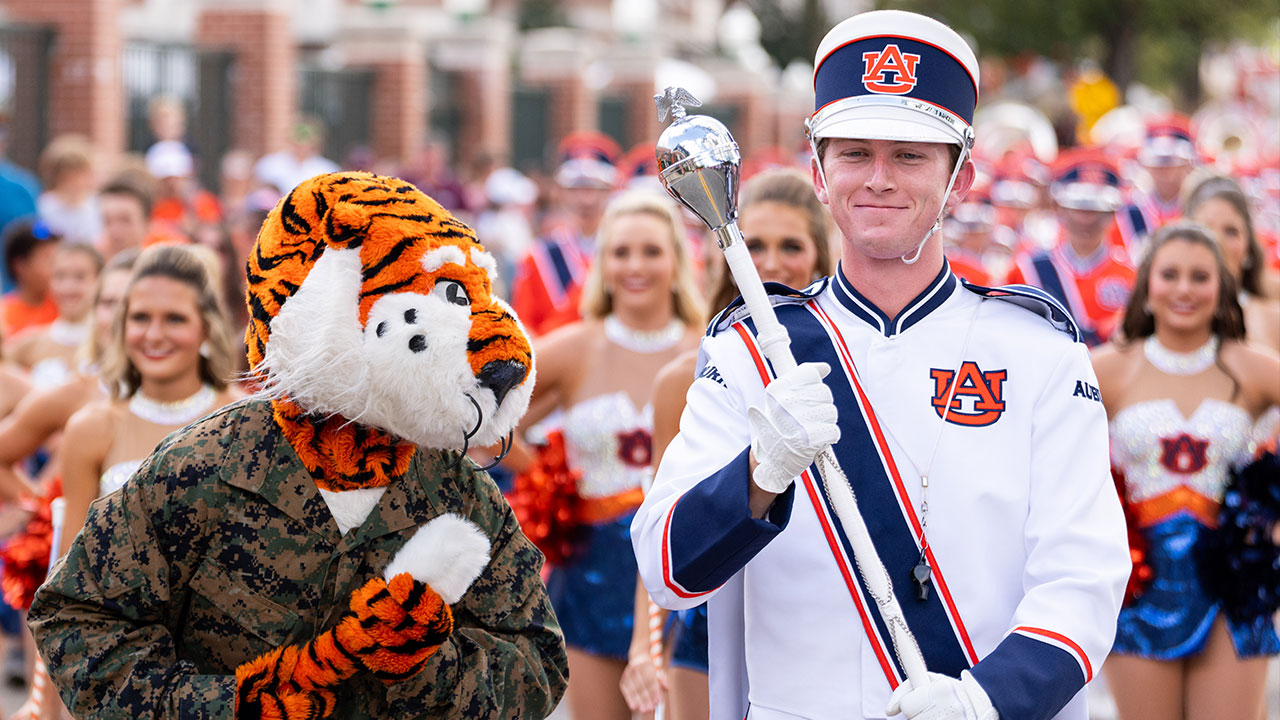
Why are drum majors called drum majors?
The title comes from older military and marching traditions. Early military units used drums to send signals across a battlefield or camp. Drummers helped soldiers keep time, follow commands, and move in formation.
Because drums were so important, the drummers needed a leader. That leader supervised the drum section, taught rhythms, corrected mistakes, and helped keep the group together. The senior drummer became known as the drum major.
In simple terms, the name joined two ideas:
• Drum: The leader worked with military drummers.
• Major: The leader was the senior or chief member of that group.
This is the central answer to why are drum majors called drum majors. The title described both the leader’s musical group and his position within it.
Historical military records and drill traditions show that the title was used in Europe before it became common in American marching bands. The exact date and spelling varied by country, but the basic meaning remained stable: a drum major was the principal leader of the drummers.

The military roots of the drum major title
Before modern radios and electronic systems, armies relied on sound and motion to communicate. Drums could carry signals over long distances. A steady rhythm could tell troops when to march, stop, gather, or change direction.
The drum major helped organize this system. This person was not merely a performer. The drum major was also a teacher, supervisor, and field leader.
In many military bands, the drum major had to understand:
• Military commands
• Marching formations
• Drum signals
• Parade procedures
• Uniform standards
• Public ceremony
The drum major often used a large staff or mace. This tool helped make commands visible to musicians who might be far away or surrounded by noise. A raised mace could signal attention, while a sweeping motion could help mark time or direct movement.
This is why the drum major traditionally appears confident and formal. The posture is not just for show. It comes from a time when musicians depended on clear visual commands to perform their duties.

How the title moved from military bands to marching bands
As military music influenced civilian music education, community bands, school bands, and college marching bands adopted many military customs. These customs included uniforms, marching formations, drum cadences, rank-like leadership roles, and formal ceremonies.
The term “drum major” came along with those traditions. American schools and colleges often used the title for the student who led the marching band on the field.
However, the modern drum major usually does not command only drummers. In many bands, the drum major leads:
• Woodwinds
• Brass players
• The percussion section
• Color guard members
• Auxiliary performers
• The full marching ensemble
This change can make the title seem confusing. A person may ask, “If the drum major leads the whole band, why are drum majors called drum majors?” The answer is that names often survive after jobs change. The title reflects the role’s origin, not every duty performed today.
A similar pattern appears in other professions. A “coach” may no longer play the sport, and a “chairman” may not sit in a chair. The older title remains because people understand the authority and tradition connected to it.

What does the “major” in drum major mean?
The word “major” comes from a word meaning greater, larger, or senior. In the title drum major, it usually describes leadership rather than a specific military rank.
This point matters because many people assume every drum major must be an Army officer with the rank of major. That is not generally true. A high school drum major may be a student. A college drum major may be elected or appointed. A civilian drum corps drum major may hold no military rank at all.
The word “major” signals that the person has a higher level of responsibility within the musical unit. It may suggest authority, experience, and command.
Different regions may use related titles, such as:
• Drum major
• Band major
• Field commander
• Corps commander
• Drum and fife major
These titles can overlap, but they do not always mean exactly the same thing. A drum major usually has a strong connection to marching music and percussion traditions.
Why does a drum major carry a mace or baton?
The mace or baton is one of the most recognizable symbols of a drum major. It developed from the need to make commands visible.
Imagine a large parade with dozens or hundreds of musicians. Sound may be hard to hear, especially outdoors. A tall mace gives the leader a clear visual tool. Musicians can watch its position and movement from a distance.
A drum major may use the mace to:
• Signal attention
• Mark the tempo
• Start or end a performance
• Guide a turn
• Create ceremonial movements
• Show authority during a parade
Modern bands may use a baton instead of a mace. Some use both, depending on tradition and performance style.
The object also has symbolic value. It connects the modern drum major to military bands, ceremonial units, and older parade customs. Even when the band uses electronic timing or a conductor’s signal, the mace reminds audiences where the role came from.
What does a drum major do today?
The modern drum major has both musical and leadership duties. The role is part conductor, part coach, part performer, and part public representative.
A drum major may need to:
-
Learn the complete show and marching plan.
-
Conduct warm-ups and rehearsals.
-
Give clear count-offs.
-
Watch spacing, posture, and alignment.
-
Help musicians recover after mistakes.
-
Communicate with staff and section leaders.
-
Lead the band during travel and public events.
-
Maintain calm during stressful performances.
The best drum majors do not simply look powerful. They make the ensemble feel organized. Their job is similar to being the traffic signal at a busy intersection. When the signal is clear, everyone moves safely. When it is weak or confusing, small errors spread quickly.
A drum major must also understand that leadership is not the same as loudness. Strong commands help, but respect, preparation, and consistency matter more.
How drum majors keep time and control a band
Timing is one of the most important parts of the role. Marching musicians must coordinate sound, movement, breathing, and visual form. A small timing error can affect the entire group.
Drum majors help control time through:
• Count-offs
• Arm patterns
• Baton or mace motions
• Body posture
• Eye contact
• Verbal commands
During a parade, the drum major may establish the pace for the entire unit. During a field show, the drum major may give the opening signal and then step aside while the musical staff takes control.
This division of labor differs from concert band conducting. A concert conductor usually stands in front of seated musicians and shapes the music continuously. A drum major often gives key signals before or between sections while also managing marching behavior.
That difference helps explain why drum majors are called drum majors rather than simply conductors. The role began with marching leadership, military order, and percussion-based communication.
Drum major traditions in schools and colleges
In American schools, becoming a drum major is often a major honor. The student may be selected through auditions, interviews, leadership tests, or staff recommendations.
A strong candidate usually demonstrates:
• Musical knowledge
• Reliable timing
• Clear communication
• Physical confidence
• Good marching form
• Emotional control
• Respect for fellow members
Some programs appoint one drum major. Others use two or more. A larger band may have a head drum major and assistant drum majors. Their duties can include leading different sections, managing rehearsals, or sharing field signals.
One practical lesson from band rehearsals is that visual clarity matters as much as vocal volume. A command can be loud but still confusing. New drum majors should practice simple motions in front of a mirror or record themselves on video. This makes weak posture, rushed gestures, and uneven timing much easier to spot.
Another common mistake is trying to correct every error during a performance. A drum major should stay focused on the next count. Fixing problems later is better than showing panic in front of the ensemble.
Common misunderstandings about drum majors
Several myths surround the title.
First, a drum major does not always play the drums. Some have percussion backgrounds, but others come from brass, woodwind, or color guard sections. The title refers to the leadership tradition, not a required instrument.
Second, a drum major is not always a military officer. Most school, college, and civilian drum majors are not members of the armed forces.
Third, the drum major does not replace the band director. The director usually handles musical education, long-term planning, and program decisions. The drum major leads musicians in the field and supports the director’s plan.
Fourth, the role is not only visual. A good drum major must understand tempo, rehearsal technique, marching form, and group psychology.
These points make the history easier to understand. The name is old, but the role is flexible.
Why the title still matters
Some people wonder whether marching bands should use a title with military roots. That question is reasonable. Marching band traditions often borrow from military ceremony, even though modern school programs may have very different goals.
The title remains useful because it communicates a clear role. Audiences, musicians, and staff generally understand that the drum major is a visible field leader.
The title also preserves a link to music history. It reminds us that marching music once served practical military needs before becoming a major part of education, entertainment, and civic life.
At the same time, each organization can define the role in its own way. Some bands emphasize ceremony. Others focus on showmanship, student leadership, or community service. The name can remain traditional while the duties reflect modern values.
A simple way to remember the meaning
If you want a quick way to remember why are drum majors called drum majors, use this formula:
• “Drum” identifies the musical and marching tradition.
• “Major” identifies the senior leader.
• “Drum major” means the principal leader of the marching musicians.
The modern role may include an entire band, but its name points back to the drum section that once formed the center of military communication.
This explanation also clears up why the drum major often leads with a mace, uses formal commands, and maintains a strong marching posture. These customs are pieces of an older system that still shape performances today.
Frequently Asked Questions About Why Are Drum Majors Called Drum Majors
Is a drum major the leader of the entire band?
Usually, yes. In modern marching bands, the drum major often leads the full ensemble on the field, even though the title began with military drummers.
Does a drum major have to play drums?
No. A drum major may come from any section of the band. Timing, leadership, communication, and marching skill are usually more important than playing percussion.
Is “major” a military rank?
Not always. In this title, “major” generally means senior, chief, or principal. A school or college drum major may have no military rank.
Why do drum majors carry a mace?
A mace makes commands visible across a large outdoor formation. Drum majors use it to signal attention, mark time, and lead ceremonial movements.
When did the term drum major begin?
The title developed from European military music traditions and was used before modern American marching bands adopted it. Exact dates and duties varied by country and period.
Is a drum major the same as a conductor?
Not exactly. A conductor shapes music throughout a performance, while a drum major focuses on marching leadership, field commands, timing, and visual coordination.
Can a band have more than one drum major?
Yes. Many large bands use a head drum major with one or more assistants. Each leader may have separate duties during rehearsals, parades, or field shows.
Conclusion
Drum majors are called drum majors because the title began with the senior leader of a military drum section. “Drum” points to the musical tradition, while “major” means chief or senior leader. Although modern drum majors often guide an entire marching band, the historic name has remained.
Understanding this history makes the uniform, mace, commands, and formal posture more meaningful. Whether you are a band student, parent, performer, or curious fan, watch the drum major during the next parade or field show. You will see much more than a person at the front—you will see a living link between military music and modern marching performance.

Senior Music Reviewer
Alex Carter is a seasoned music reviewer with over a decade of experience in the world of sound and instruments. Passionate about helping musicians and enthusiasts make informed choices, he brings sharp insights and in-depth knowledge to every review. From classical instruments to modern gear, Alex combines technical expertise with a love for music to deliver content that resonates with readers.
As a Senior Music Reviewer and expert author on Tuneluma.com, Alex is dedicated to sharing honest evaluations, practical advice, and thoughtful commentary to guide readers in their musical journey.