What Are The Drums Of Liberation: Meaning And One Piece Lore
The drums of liberation are Luffy’s awakened heartbeat, symbolizing freedom, joy, and the return of the legendary Joy Boy.
In One Piece, the drums of liberation mark one of the story’s biggest turning points. They are linked to Monkey D. Luffy’s Gear 5 awakening, the Sun God Nika, Zunesha’s memories, and the long struggle against oppression. Understanding what are the drums of liberation requires looking at both their literal role and their deeper meaning in the world of One Piece.
What Are the Drums of Liberation?
The drums of liberation are the powerful heartbeat-like rhythm heard when Luffy awakens his Devil Fruit and enters Gear 5. The sound resembles large drums beating in a steady, joyful pattern. It is not simply background music. It signals that Luffy’s body, power, and role have changed.
The drums are tied to the awakening of the Hito Hito no Mi, Model: Nika. For much of the story, this fruit is believed to be the Gomu Gomu no Mi. After Luffy’s defeat by Kaido, the World Government reveals that the fruit has a far more important history.
The drums of liberation represent three connected ideas:
• Luffy’s awakened power
• The return of Joy Boy
• The spread of freedom against tyranny
Zunesha, the ancient elephant carrying Zou, recognizes the sound. Zunesha says it has not heard those drums for about 800 years. This detail shows that the rhythm is connected to a forgotten historical figure, widely understood to be Joy Boy.
The simplest explanation is that the drums of liberation are the sound of Luffy’s awakened heartbeat. The deeper explanation is that they announce the arrival of a person who brings hope and freedom to people living under control.

When Do the Drums of Liberation First Appear?
The drums of liberation first become important during the final stage of Luffy’s battle with Kaido in Wano Country. Luffy appears to have lost the fight, and his heartbeat stops or becomes dangerously faint. At that moment, Zunesha senses a sudden change.
Luffy’s heartbeat begins to beat in a strange, powerful rhythm. Zunesha identifies the sound as the drums of liberation and declares that Joy Boy has returned.
This scene is important because the awakening does not happen through a simple decision. Luffy does not merely choose to activate a stronger form. His Devil Fruit reaches its awakened state after extreme physical pressure, emotional determination, and his refusal to remain defeated.
The anime makes the moment especially memorable through sound and animation. The rhythm creates a feeling of celebration rather than fear. It feels like the world itself is announcing that a locked door has finally opened.
The drums of liberation first appear as a sign of victory, but they also create a mystery. The story does not explain every detail at once. Instead, it invites readers to connect Luffy’s awakening with Joy Boy, Nika, and the lost history of the world.

What Do the Drums of Liberation Sound Like?
The drums of liberation sound like a deep, steady heartbeat mixed with traditional war drums. Their rhythm is powerful, but it is not dark or threatening. The beat feels energetic, playful, and alive.
This sound matches Gear 5’s unusual fighting style. Luffy moves in ways that resemble cartoon animation. His body stretches, bends, and reacts with great freedom. His fighting becomes less rigid and more creative.
The rhythm also reflects the idea of freedom. A strict military march would suggest order and control. The drums of liberation feel different. They sound like a celebration in the streets, where people are finally free to dance, laugh, and move without fear.
In storytelling, sound can reveal meaning before dialogue does. The drums tell the audience that something ancient has returned. They also tell us that Luffy’s power is not meant to represent simple destruction.
The drums of liberation are closer to a heartbeat than a normal musical instrument. They reflect life, movement, and the will to continue. That is why the rhythm feels personal to Luffy while also carrying a much larger historical meaning.

The Connection Between the Drums and Sun God Nika
The drums of liberation are directly connected to the Sun God Nika. Nika is described as a legendary figure who brings smiles and freedom to oppressed people. Enslaved people are said to have prayed for Nika’s arrival.
The World Government fears this legend. It has attempted to hide the true name and nature of Luffy’s Devil Fruit for centuries. This effort shows that the government understands how dangerous the symbol of Nika can be.
Nika is not presented as a traditional warrior who wins through discipline alone. The legend focuses on joy, laughter, and liberation. Those qualities appear in Luffy’s Gear 5 form, where his fighting style becomes imaginative and almost impossible to predict.
The drums of liberation support this connection. They are the musical expression of Nika’s arrival. When they begin, the story moves from Luffy simply fighting for his friends to Luffy becoming a symbol for everyone trapped under cruel rule.
This does not mean Luffy loses his own identity. Luffy remains Luffy. The fruit gives him the power associated with Nika, but his choices, friendships, and strong sense of freedom shape how he uses it.

How the Drums Relate to Joy Boy
Joy Boy is one of the most important mysteries in One Piece. He lived during the Void Century, a hidden period of history that the World Government works to erase. Joy Boy appears to have made a promise connected to Fish-Man Island and the ancient world.
When Luffy’s heartbeat changes, Zunesha says Joy Boy has returned. This statement does not necessarily mean that Luffy is literally the same person reborn. It is more accurate to say that Luffy has inherited Joy Boy’s will or fulfilled the conditions connected to Joy Boy’s legacy.
That distinction matters. One Piece often explores inherited will. A person can carry another person’s dream without becoming that person. Luffy’s actions echo Joy Boy because both figures are connected to freedom, hope, and the liberation of oppressed people.
The drums of liberation act as a bridge between the past and present. They tell us that the struggle begun centuries ago is continuing through Luffy. The sound is a reminder that forgotten dreams can survive even when governments erase names from history.
A useful way to understand this idea is to imagine a song passed from one generation to another. The singer may change, but the song continues. In the same way, Luffy may not be Joy Boy in a literal sense, yet he carries the rhythm of Joy Boy’s purpose.

Are the Drums of Liberation a Literal Sound?
The story presents the drums as a real sound that Zunesha can hear. They are not only a metaphor created for the audience. Luffy’s awakened heartbeat produces the rhythm, and Zunesha reacts to it as something familiar.
At the same time, the drums have symbolic meaning. They function on two levels:
• Literally, they are the sound of Luffy’s awakened heartbeat.
• Symbolically, they announce the return of a liberating force.
• Narratively, they confirm that Luffy’s Devil Fruit is connected to Nika and Joy Boy.
• Emotionally, they create a sense of joy, hope, and renewed energy.
The series has not explained every physical rule behind the rhythm. For example, it remains unclear whether all people can hear it, whether only special beings such as Zunesha recognize it, or whether the sound exists partly through spiritual perception.
That uncertainty is intentional. One Piece often reveals major truths in stages. The drums of liberation are clear enough to understand their role, but mysterious enough to leave room for future discoveries.

Why Are the Drums of Liberation Important?
The drums of liberation matter because they change how readers understand Luffy’s journey. Before the awakening, Luffy is a powerful pirate with a rubber body and an unusual fighting style. After the awakening, his power becomes connected to a global history of resistance.
The drums also change the emotional tone of the final battle. Luffy is fighting Kaido, one of the strongest and most oppressive rulers in the world. Yet the awakening does not make the scene feel hopeless. The rhythm turns the battle into a celebration of resistance.
This is one of the most creative choices in the series. A tragic defeat is followed by a joyful beat. The sound tells us that Luffy’s greatest strength is not anger. It is the freedom to imagine a different way forward.
The drums of liberation also influence the people watching the battle. Wano has suffered under Kaido and Orochi for years. Luffy’s return gives the people a reason to believe that their suffering may end.
In this sense, the drums are like a signal fire. One flame may begin in one place, but it can guide many people through the dark.
What Do the Drums Reveal About Luffy’s Power?
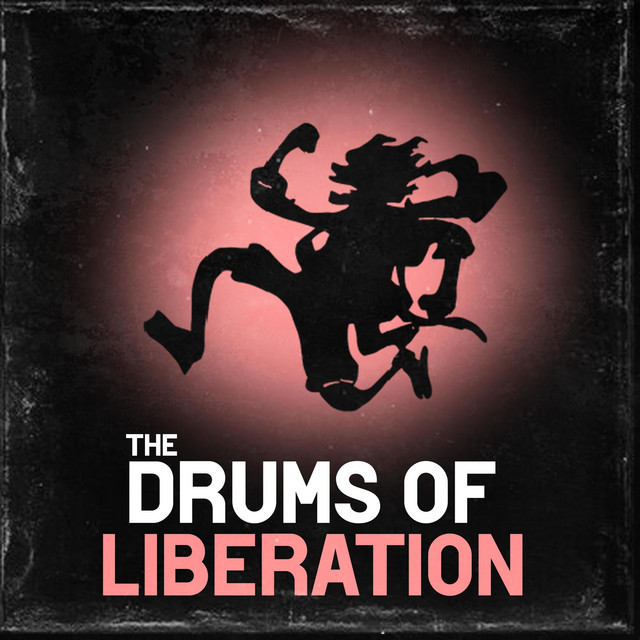
The awakening of Luffy’s Devil Fruit gives him extraordinary control over his body and the surrounding environment. Gear 5 allows him to fight with extreme flexibility and cartoon-like freedom.
His body remains rubbery, but his abilities go beyond the earlier versions of Gear. He can make the environment behave in rubber-like ways, use unusual physical movements, and create attacks that ignore normal expectations.
The drums of liberation do not appear to be a separate attack. They are a sign that the awakening is active. They represent the state that allows Luffy to use the Nika fruit’s full potential.
However, Gear 5 has limits. It consumes a great deal of energy, and Luffy can become exhausted after using it. The awakening does not make him invincible. He can still be hurt, drained, and forced to rely on his allies.
This limitation helps preserve tension. The drums bring hope, but they do not remove every danger. Luffy must still use creativity, courage, and teamwork to win.

The Cultural and Thematic Meaning of the Drums
The drums of liberation draw strength from ideas found in many cultures. Drums have often been used to gather people, share messages, mark ceremonies, and inspire courage. A drumbeat can travel across a distance and unite people who cannot see one another.
That makes the drums a fitting symbol for Luffy. His actions often affect people far beyond his own crew. When he challenges a tyrant, others begin to imagine freedom for themselves.
The sound also connects joy with resistance. In many stories and real historical movements, music has helped people endure hardship and protect their identity. Songs and rhythms can carry memory when written records are destroyed.
This theme fits the history of the Void Century. The World Government can erase information, punish scholars, and control public knowledge. It is much harder to erase a feeling that survives in people’s hearts.