Is It Hard To Play Drums: A Beginner’s Guide
Playing drums is challenging at first, but steady practice makes the skill enjoyable and very learnable.
So, is it hard to play drums? The honest answer depends on your goals, practice habits, coordination, and patience. You can learn basic beats fairly quickly, but strong timing, control, speed, and independence take time. This guide explains what makes drumming difficult, how long learning may take, common mistakes, and practical ways to improve without feeling overwhelmed.
Is It Hard to Play Drums?
Playing drums is not impossible, but it can feel difficult during the first few weeks. Your hands and feet must often perform different actions at the same time. Your ears must also track the beat while your body stays relaxed and steady.
That combination makes drumming different from simply tapping along to a song. A beginner may play the right notes but still lose the beat. This is normal. Drumming is a physical skill, much like riding a bike or learning a sport.
The real answer to “is it hard to play drums?” depends on the level you want to reach:
- Playing a simple rock beat is fairly easy to learn.
- Playing along with full songs takes more timing and control.
- Performing live requires confidence, stamina, and reliable rhythm.
- Playing jazz, progressive rock, funk, or technical metal can take years of focused work.
Most beginners can learn a basic drum groove within a few lessons. Building smooth, natural coordination takes longer. The good news is that progress often comes faster than people expect when they practice slowly and regularly.
What Makes Drums Difficult for Beginners?
Several skills make drumming challenging. Understanding them helps you practice with purpose instead of assuming you have no natural talent.
Coordinating Your Hands and Feet
A basic beat may require your right hand to play steady eighth notes, your foot to play the bass drum, and your other hand to hit the snare. These movements must fit together at precise points in time.
At first, your limbs may seem to copy one another. Your hands may stop when your foot moves, or your foot may speed up when you focus on the snare. This is not a sign of poor ability. Your brain is learning a new movement pattern.
Keeping Consistent Time
Timing is one of the most important parts of drumming. A drummer who plays simple notes with steady time often sounds better than a drummer who plays complex fills without control.
A metronome helps you hear whether you rush or drag. Many beginners dislike using one because it exposes small errors. However, that feedback is useful. It shows you exactly where your rhythm needs work.
Building Limb Independence
Limb independence means each limb can perform its own role without disrupting the others. This skill develops slowly.
Think of your limbs as members of a team. Each one has a job, but the team must still move together. Repeating simple patterns is more effective than forcing difficult ones too early.
Controlling Volume and Touch
Hitting a drum hard is easy. Playing with control is harder. Good drummers can play softly, loudly, and at every level between those extremes.
Control matters because music needs contrast. A verse may need a light groove, while a chorus may need more power. Learning to control your sticks also reduces tiredness and helps protect your hearing.
Reading Rhythms
You do not need to read music to start playing drums. Still, basic drum notation can help you understand rhythm, rests, subdivisions, and song structure.
Reading gives you another way to remember patterns. It also makes lessons, drum books, and online courses easier to follow.
Is Drumming Harder Than Other Instruments?
Every instrument has its own challenges. Drums can feel difficult because they involve several limbs and require strong time awareness. A piano player may use two hands, while a drummer may use two hands and two feet in separate patterns.
That does not mean drums are harder than piano, guitar, or violin. It means the difficulty appears in different places.
- Guitar often requires finger strength, chord changes, and clean picking.
- Piano requires hand coordination, note reading, and independent melodies.
- Violin requires careful intonation, bow control, and posture.
- Drums require timing, limb coordination, movement control, and stamina.
One benefit of drums is that beginners can make a recognizable beat early. You can play a simple groove with only a few sounds. This early success can make practice rewarding.
The challenge is that basic playing and advanced playing are far apart. A beginner can learn a beat in one afternoon, but a professional drummer must control dynamics, tempo, tone, form, and musical response at the same time.
So, is it hard to play drums compared with other instruments? It is challenging in a unique way, but it is also highly approachable at the beginning.

How Long Does It Take to Learn Drums?
There is no single timeline for learning drums. Your progress depends on practice quality, lesson support, musical goals, and how often you play.
A realistic general guide looks like this:
- After a few days, you may learn how to hold the sticks and play basic strokes.
- After one to three months, you may play simple rock and pop beats.
- After six months, you may follow many songs with better control.
- After one year, you may understand fills, dynamics, and basic music structure.
- After several years, you may develop strong versatility and reliable performance skills.
These estimates are not rules. Someone who practices 20 focused minutes each day may improve faster than someone who plays for two hours once a month.
Short practice sessions work well because drumming depends on repeated movement. Your brain and muscles need regular reminders. Consistency builds skill more effectively than occasional bursts of effort.
For many beginners, the first major breakthrough comes when they stop trying to play fast. Slow practice lets the body learn the correct motion. Speed can come later.
How Much Should a Beginner Practice?
A beginner should aim for 15 to 30 minutes of focused practice most days. This is enough to build momentum without creating excessive fatigue or frustration.
A simple practice session may include:
- Warm up with slow single strokes for three minutes.
- Practice a basic beat with a metronome for five minutes.
- Work on one coordination exercise for five minutes.
- Play along with an easy song for five minutes.
- Review one mistake and repeat the difficult section slowly.
Practice quality matters more than practice length. If your shoulders are tense and your timing is falling apart, take a short break. Fatigue can teach your body poor habits.
Keep a small practice log. Write down the tempo, exercise, and one improvement. This makes progress easier to notice, especially during weeks when improvement feels slow.
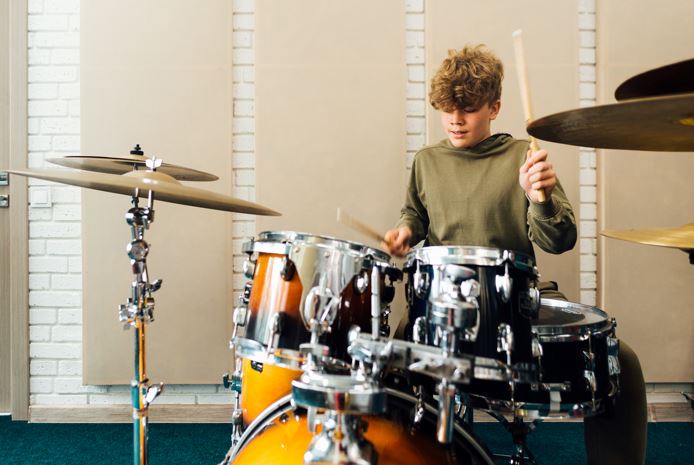
One lesson I often emphasize is to stop before practice becomes careless. Ten focused minutes can teach more than 45 rushed minutes. The goal is not to prove how long you can sit at the kit. The goal is to build clean, repeatable movement.
Do You Need Natural Rhythm to Play Drums?
You do not need perfect natural rhythm to learn drums. Rhythm can improve through listening, movement, repetition, and feedback.
Some people begin with strong timing because they have danced, played music, or spent years listening closely to songs. Others need more time to feel the pulse. Both groups can learn.
Try these simple rhythm exercises away from the drum set:
- Tap your foot steadily while listening to music.
- Clap along with the snare on beats two and four.
- Count “one and two and three and four and” out loud.
- Tap one rhythm with your hands while walking at a steady pace.
- Use a metronome and clap on every click, then every other click.
These exercises connect your ears, voice, and body. That connection helps you understand rhythm before adding the full drum kit.
If you often lose the beat, do not add more notes. Reduce the pattern. Play one sound at a slow tempo until it feels stable. Then add one new part at a time.

What Equipment Does a Beginner Need?
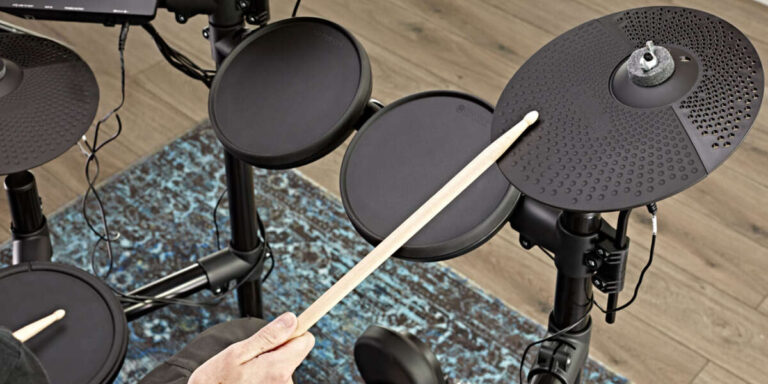
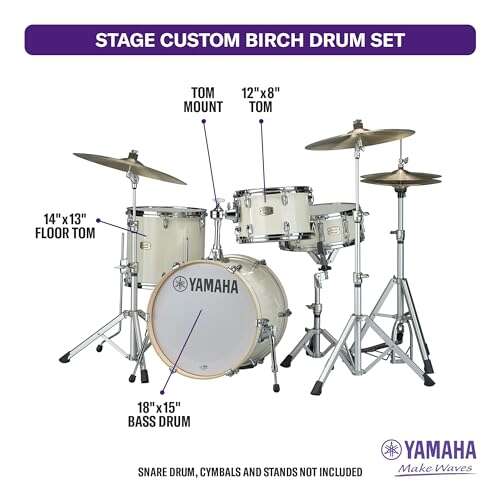
You do not need an expensive drum set to begin. A basic acoustic kit or electronic drum kit is enough for most early lessons.
A starter setup usually includes:
- A drum set or practice pad
- A pair of suitable drumsticks
- A metronome
- A drum throne with proper height
- Hearing protection
- A quiet practice plan
A practice pad is useful for learning stick control, rudiments, and timing. It cannot replace a full kit, but it allows quiet practice at home.
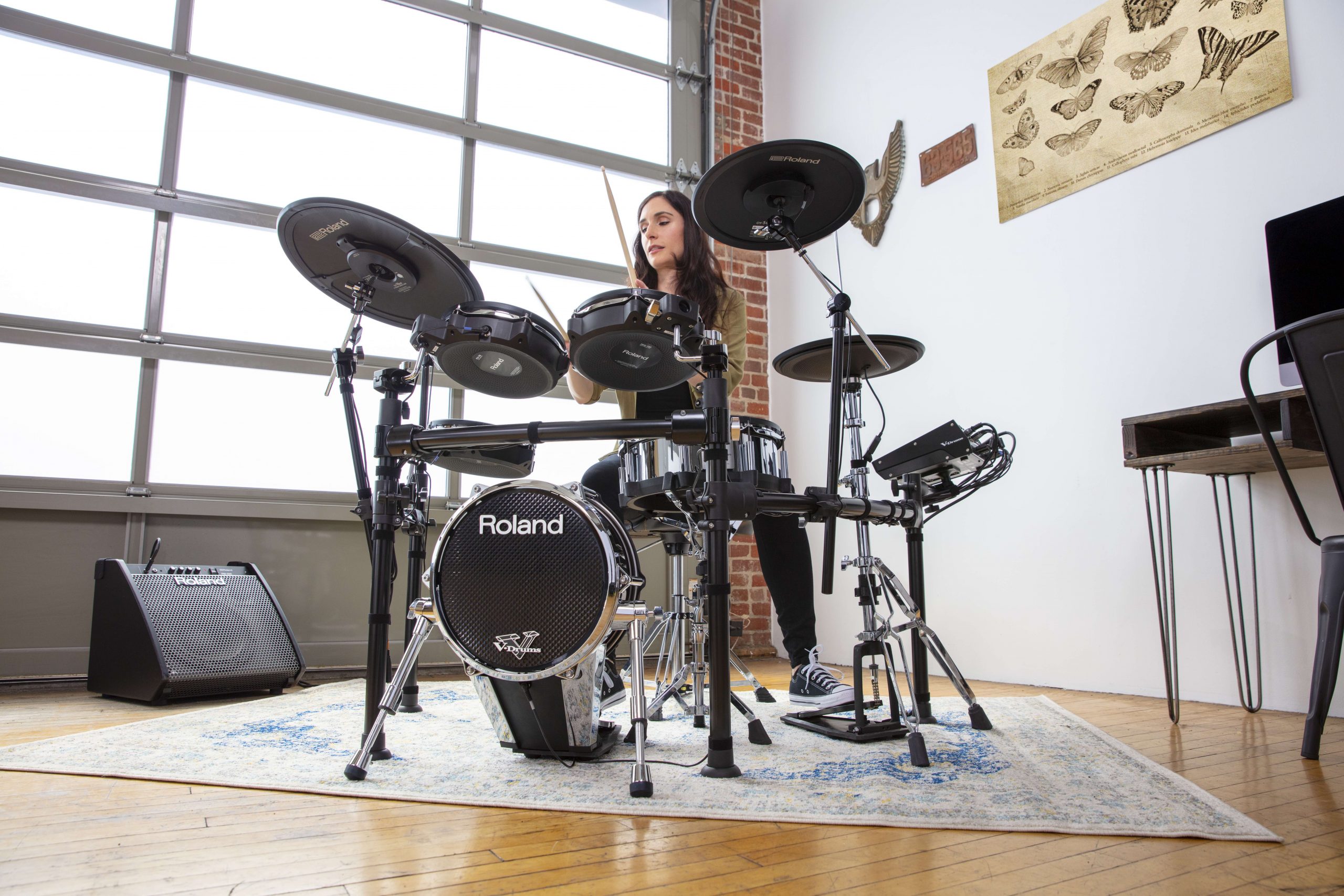
Electronic drums can help people who live in apartments. Many models include headphone output, volume control, and built-in metronomes. Acoustic drums often provide a more natural response, but they require more space and sound control.
Hearing protection is important. Repeated exposure to loud sound can damage hearing. Use musician earplugs or other suitable protection, especially during long sessions and rehearsals.
Posture also matters. Sit high enough to keep your hips slightly above your knees. Keep your back natural, shoulders loose, and wrists relaxed. Good setup reduces strain and makes movement easier.
Common Beginner Mistakes to Avoid
Many people who ask “is it hard to play drums?” are making the learning process harder than it needs to be. The most common problems are usually practice problems, not talent problems.
Playing Too Fast
Beginners often increase the tempo as soon as they learn a pattern. This can create tension and mistakes. Start slowly enough to play the pattern correctly several times in a row.
Ignoring the Metronome
A metronome may feel boring, but it teaches steady time. Use it for part of each practice session, even if you also play freely.
Practicing Only Fills
Fills are exciting, but the groove is the foundation. Spend most of your time playing steady beats and transitions. A simple groove that supports the song is more valuable than a flashy fill that interrupts it.
Gripping the Sticks Too Tightly
A tight grip limits movement and causes fatigue. Hold the sticks firmly enough to control them, but let your fingers and wrists stay flexible.
Skipping Rest
Muscles and joints need recovery. Pain is not a normal requirement for progress. Stop if you feel sharp pain, numbness, or ongoing discomfort, and seek professional medical advice when needed.
Comparing Yourself With Experts
Online videos often show drummers after years of practice. Comparing your first month with someone else’s tenth year can make learning feel hopeless. Measure your progress against your own previous performance.

How to Make Drums Easier to Learn
A clear learning plan can make drumming feel much less confusing. Start with a small number of skills and build them in order.
Follow a Simple Progression
Use this sequence:
- Learn correct posture and stick grip.
- Practice single strokes and basic control.
- Learn quarter-note and eighth-note timing.
- Play a basic kick, snare, and hi-hat beat.
- Add simple beat variations.
- Learn short fills.
- Practice moving from a fill back into the groove.
- Play complete songs with a recording or click track.
This order keeps the challenge manageable. Each skill supports the next one.
Choose Easy Songs
Pick songs with a steady tempo and simple structure. Repeating rock, pop, country, and blues grooves are often good starting points.
Listen to the song several times before playing. Find the pulse, notice the snare pattern, and identify when the sections change. Understanding the music makes the physical task easier.
Take Occasional Lessons
A qualified teacher can correct posture, grip, timing, and technique before bad habits become permanent. Online lessons can help, but live feedback often reveals problems that are difficult to notice alone.
A teacher should make the material clear, adjust exercises to your level, and support safe practice. You do not need weekly lessons forever. Even a short series can give your learning a strong foundation.
Record Yourself
Recording can feel uncomfortable, but it provides honest feedback. You may discover that your playing is steadier than it feels, or you may hear rushing that you did not notice while playing.
Use recordings as information, not judgment. Choose one issue to improve at a time.

Physical and Mental Benefits of Playing Drums
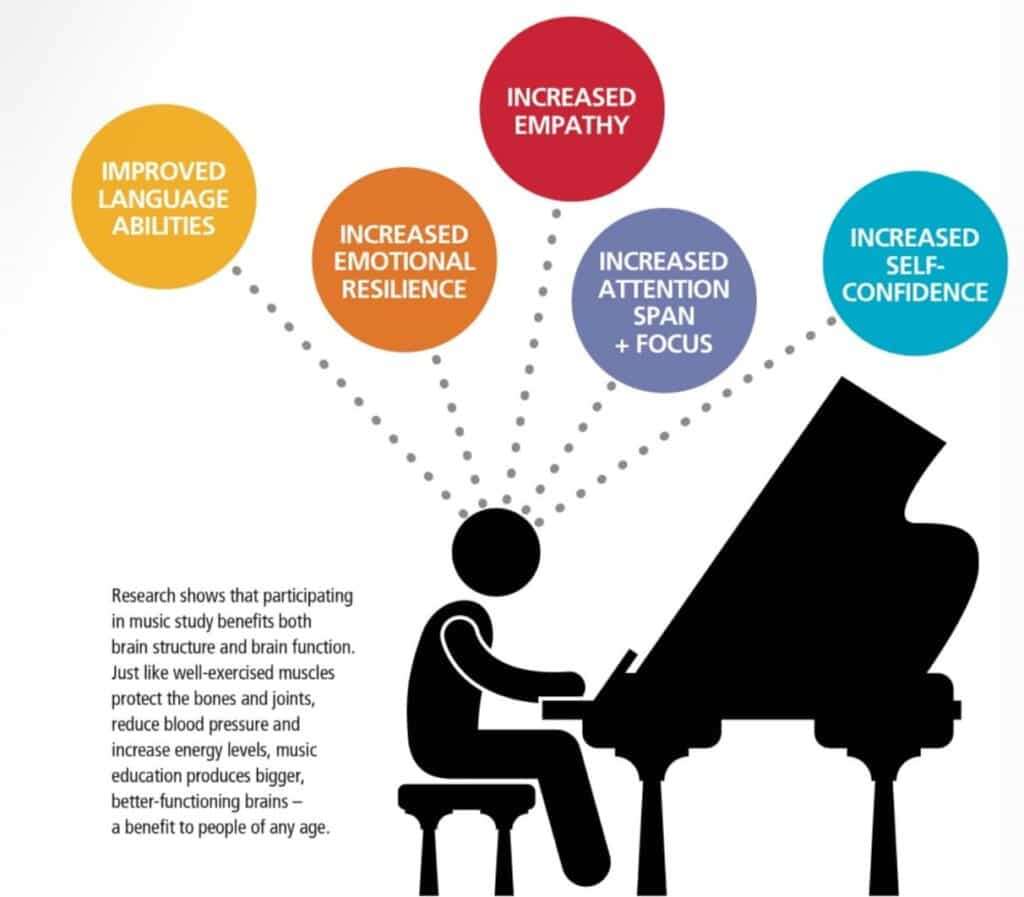
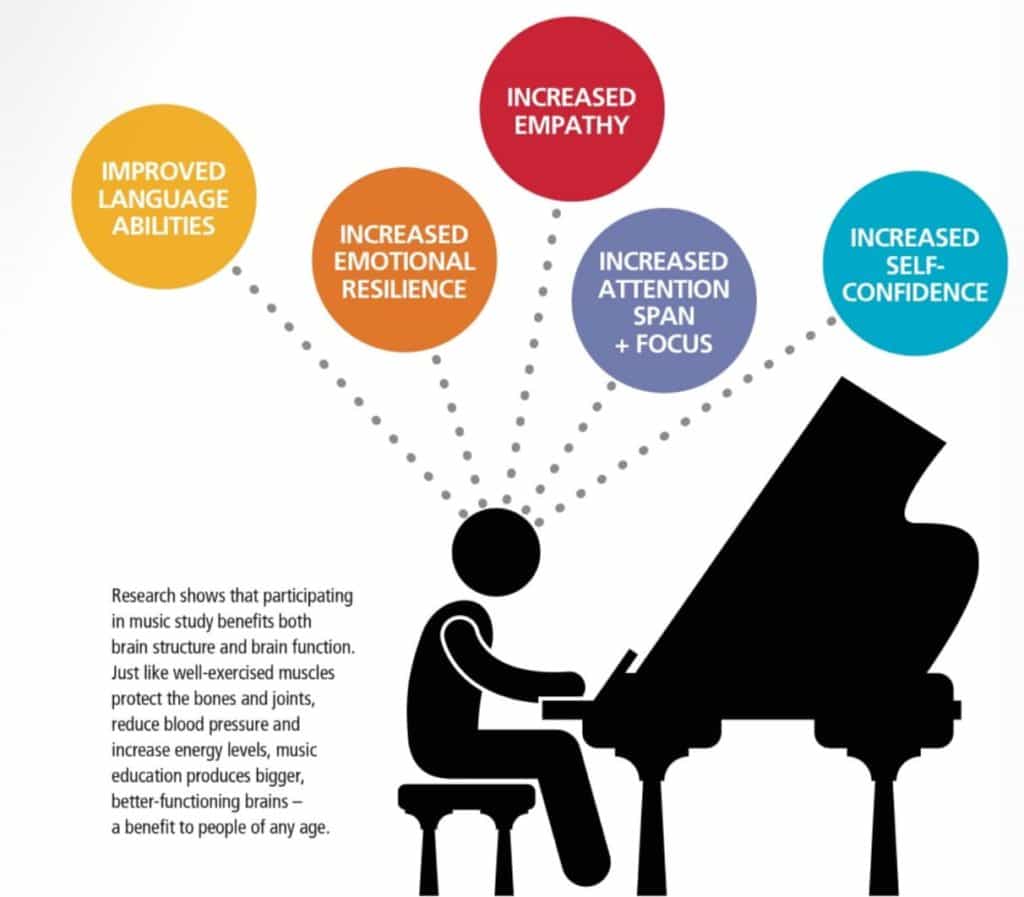
Drumming is more than entertainment. It combines movement, listening, concentration, and creative expression.
Research on music participation and rhythm-based activity suggests possible benefits for mood, coordination, attention, and social connection. The size of these benefits varies by person and by activity. Drumming should not be treated as a replacement for medical care, therapy, or regular exercise.
Playing drums may help you:
- Improve hand and foot coordination.
- Develop better awareness of timing.
- Release stress through controlled movement.
- Build concentration through repeated patterns.
- Express emotion without using words.
- Connect with other musicians.
- Gain confidence through visible progress.
Group drumming can also create a strong sense of connection. Everyone must listen and respond to the same pulse. That shared rhythm can make rehearsals and performances feel deeply social.
Still, drumming can be physically demanding. Warm up, use sensible posture, protect your hearing, and increase practice time gradually.
How Difficult Is It to Play Drums in a Band?
Playing drums alone and playing in a band are different experiences. At home, you control the tempo and can stop whenever you want. In a band, you must stay steady while listening to guitar, bass, vocals, and other sounds.
The drummer often helps shape the song’s energy. You may need to play softly under a verse, push the chorus forward, and leave space for the singer. This requires musical judgment, not just technical skill.
To prepare for band playing:
- Practice with full songs.
- Learn to count song sections.
- Listen closely to the bass player.
- Keep fills short and musical.
- Practice starting and stopping on time.
- Learn how to recover after a mistake.
Mistakes happen in live music. The best response is usually to return to the beat instead of stopping to correct every error. A steady recovery can keep the song moving.
This is another reason the answer to “is it hard to play drums?” changes with your goal. Playing basic patterns is one skill. Supporting a live band with confidence is a deeper one.
Can Adults Learn to Play Drums?
Adults can learn to play drums successfully. Age does not prevent improvement, although adults may have less free time or more physical limitations than younger students.
Adult learners often bring useful strengths. They may understand commitment, listen more carefully, and choose realistic goals. Many adults also know what music they enjoy, which makes practice more meaningful.
If you are an adult beginner:
- Choose a schedule you can maintain.
- Start with short sessions.
- Warm up before difficult exercises.
- Adjust the kit to fit your body.
- Avoid competing with younger or more advanced players.
- Use songs that genuinely motivate you.
Progress may not look dramatic every day. It often appears in small changes, such as fewer missed beats, smoother transitions, or better control at a slow tempo.
The important question is not whether you started late. It is whether you can practice often enough to keep learning.
Frequently Asked Questions About Is It Hard to Play Drums
Is it hard to play drums for the first time?
The first session may feel awkward because your hands and feet are learning new movements. Most beginners can play a simple pattern after guided practice, but smooth coordination takes time.
How long does it take to play a song on drums?
Many beginners can play a simple song within a few weeks or months. The timeline depends on the song’s tempo, structure, and drum part, as well as how often you practice.
Are drums harder than guitar?
Neither instrument is always harder. Drums require limb coordination and strong timing, while guitar requires chord changes, finger strength, and accurate notes.
Can I learn drums without a teacher?
Yes, you can learn basic drumming through books, videos, and structured online courses. A teacher can still help you fix technique, posture, timing, and tension more quickly.
Do I need strong arms to play drums?
You do not need unusually strong arms. Good drumming uses relaxed technique, controlled movement, and proper rebound more than force.
Can I learn drums quietly at home?
Yes. A practice pad and electronic drum kit with headphones can reduce noise. Acoustic drums need sound control, suitable space, and consideration for neighbors.
Is drumming hard if I have no rhythm?
You can still learn. Rhythm improves through clapping, counting, metronome practice, listening, and repeating simple patterns at a slow speed.
Conclusion
So, is it hard to play drums? The beginning can feel challenging because drumming combines timing, coordination, independence, and control. However, basic beats are accessible, and steady practice can turn confusing movements into natural habits.
Start with 15 to 30 focused minutes, use a metronome, choose simple songs, and practice slowly. Protect your hearing, stay relaxed, and measure progress by consistency rather than speed.
Set up a practice pad or drum kit this week and learn one basic groove. Then keep building one small skill at a time, and share your drumming goals or questions in the comments.

Senior Music Reviewer
Alex Carter is a seasoned music reviewer with over a decade of experience in the world of sound and instruments. Passionate about helping musicians and enthusiasts make informed choices, he brings sharp insights and in-depth knowledge to every review. From classical instruments to modern gear, Alex combines technical expertise with a love for music to deliver content that resonates with readers.
As a Senior Music Reviewer and expert author on Tuneluma.com, Alex is dedicated to sharing honest evaluations, practical advice, and thoughtful commentary to guide readers in their musical journey.