Where Can I Get A Violin: Best Places To Buy
You can get a violin from a local violin shop, reputable online dealer, school, or trusted private seller.
Knowing where can I get a violin is only the first step. The best choice depends on your skill level, budget, size, and need for expert setup. This guide explains where to shop, what to avoid, and how to choose an instrument that feels comfortable and sounds good.
Where Can I Get a Violin Locally?
A local violin shop is often the best place to start. You can hold different instruments, test their sound, and ask a trained person for advice. Many shops also offer rentals, repairs, trade-in programs, and lessons.
When asking where can I get a violin, consider these local options:
• Violin and string instrument shops
• Full-service music stores
• College music departments
• Community music schools
• Orchestra programs
• Local luthiers, who build and repair string instruments
• Estate sales and reputable music consignment stores
A good shop should let you compare several violins in the same price range. It should also explain the instrument’s size, condition, brand, age, and setup.
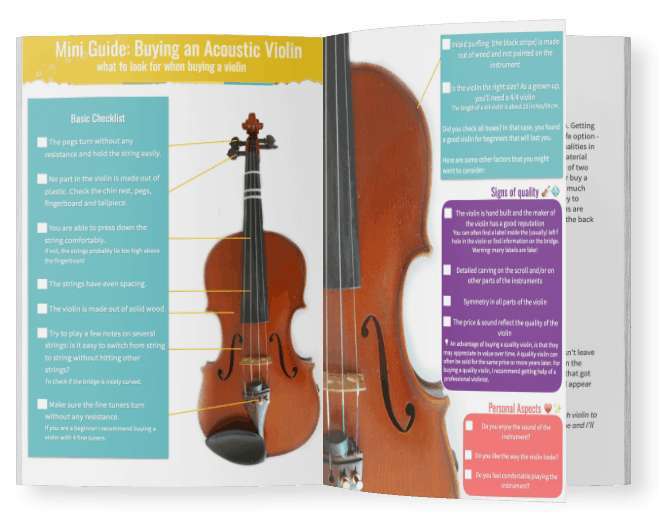
Try to bring a teacher or experienced player if possible. A beginner may not notice a warped bridge, poor tuning pegs, or a weak bow. An experienced player can often spot these problems within minutes.

Can I Get a Violin Online?
Yes, you can get a violin online. Online stores offer many choices and can be useful when local shops are far away. However, online shopping requires more care because you cannot inspect or play the violin before paying.
When deciding where can I get a violin online, look for a seller that provides:
• Clear photos of the front, back, scroll, bridge, and fingerboard
• Exact measurements and violin size
• A clear return policy
• Warranty information
• Customer service from trained staff
• Details about setup and inspection
• A case, bow, and basic accessories when included
A violin sold online should arrive ready to play. This usually means the bridge is fitted, the strings are installed, the pegs work, and the soundpost is in place.
Be careful with very cheap “professional” violins. A polished finish and fancy label do not prove quality. Some low-cost instruments look attractive but have poor tuning pegs, sharp fingerboard edges, weak bows, or thin sound.
If you buy online, use a payment method with buyer protection. Record an unboxing video, inspect the violin as soon as it arrives, and test it during the return period.

Should You Rent or Buy a Violin?
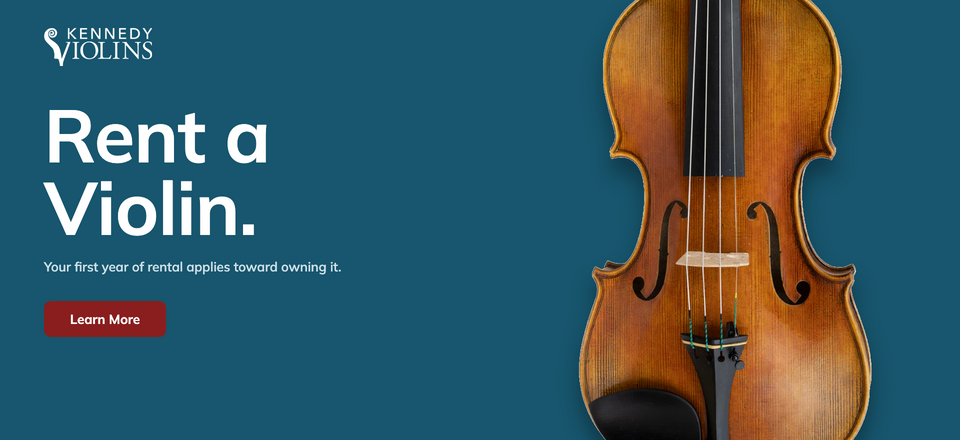
Renting is often the smartest choice for a new player. It lets you learn without making a large first investment. Children may also need a larger violin later, so rental programs can make size changes easier.
A rental plan may include:
• A violin
• A bow
• A case
• Rosin
• Basic repairs
• Insurance or damage protection
• Credit toward a future purchase
buying may make more sense when you or your child plans to play for several years. A well-made violin can last for decades if it receives proper care.
Ask the rental shop these questions:
- Can I apply rental payments toward purchase?
- What happens if the violin is damaged?
- Can I exchange it for another size?
- Are repairs included?
- Does the rental include a good bow and case?
If you are unsure where can I get a violin, renting from a local shop gives you a low-risk way to test the instrument. You can learn what size, tone, and feel you prefer before buying.
Where Can I Get a Violin for a Beginner?
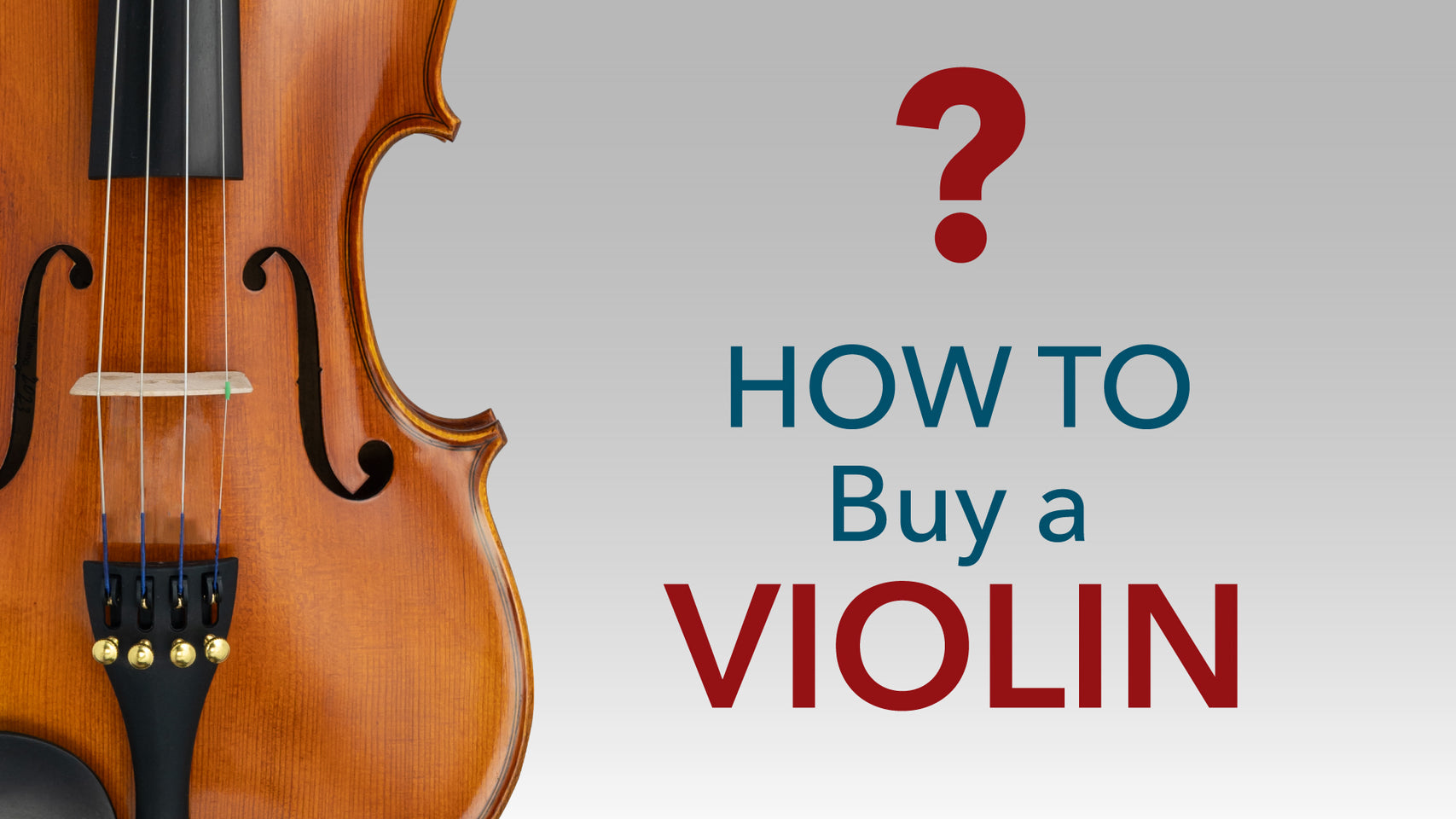
Beginners should look for a reliable student violin, not the cheapest violin available. A basic instrument with proper setup is easier to play and can make practice more enjoyable.
You can get a violin for a beginner from:
• A violin shop with a rental program
• A music school that recommends trusted suppliers
• A teacher who sells or sources student instruments
• A reputable online string instrument dealer
• A used instrument shop with inspection records
A beginner violin should have:
• A straight neck
• A properly fitted bridge
• Smooth tuning pegs
• A secure chin rest
• Comfortable string height
• A functional bow
• A sturdy case
• A clear, balanced tone
The violin should not fight the player. If the strings sit too high, the pegs slip, or the bow hair is poor, a beginner may blame their own ability. In reality, the instrument may be the problem.
One common mistake is buying a decorative violin from a general marketplace. These instruments may look beautiful in photos but often need costly repairs. A plain violin from a trusted shop is usually a better choice.

How Much Does a Violin Cost?
The cost of a violin varies widely. Price depends on materials, craftsmanship, condition, age, brand, setup, and sound quality.
Typical US price ranges include:
• Rental instruments: about $15 to $50 per month
• Basic student outfits: about $150 to $500
• Better beginner and intermediate violins: about $500 to $2,000
• Advanced instruments: about $2,000 to $10,000 or more
• Fine antique and professional violins: from several thousand dollars to much higher prices
These ranges are general. A used violin may cost less than a new one, but repairs can quickly change the total cost.
Remember to budget for more than the violin itself. You may also need:
• A bow
• A case
• Rosin
• Extra strings
• A shoulder rest
• A music stand
• Tuner or tuning app
• Repairs and regular maintenance
• Lessons
If you are researching where can I get a violin on a limited budget, ask about student rentals, certified used instruments, and school music programs. Avoid choosing based on price alone.

How Do I Choose the Right Violin?
Choosing a violin involves more than checking its color or label. The instrument should match your body, playing level, musical goals, and budget.
Choose the Correct Violin Size
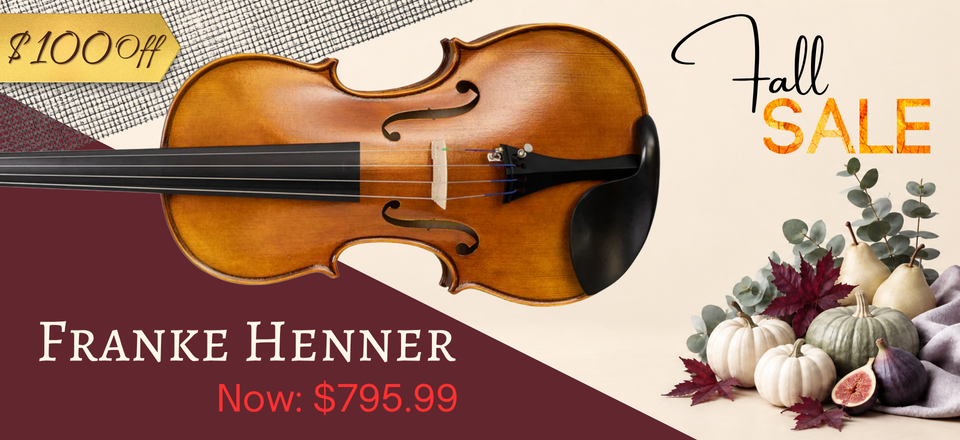
Most adults use a full-size 4/4 violin. Children may need smaller sizes, such as 1/16, 1/10, 1/8, 1/4, 1/2, or 3/4.
A teacher or shop worker should measure the player. A violin that is too large can cause tension and poor posture. One that is too small may limit comfort and control.
Test the Sound
Ask an experienced player to play the violin while you listen from several feet away. Then play it yourself if you can.
Listen for:
• A clear tone
• Even sound across all four strings
• Good response when the bow starts
• Enough warmth without sounding dull
• Enough brightness without sounding harsh
Every violin has its own voice. The most expensive instrument is not always the best match for every player.
Check the Setup
Setup affects how easily the violin plays. Ask a professional to check:
• Bridge shape and position
• String height
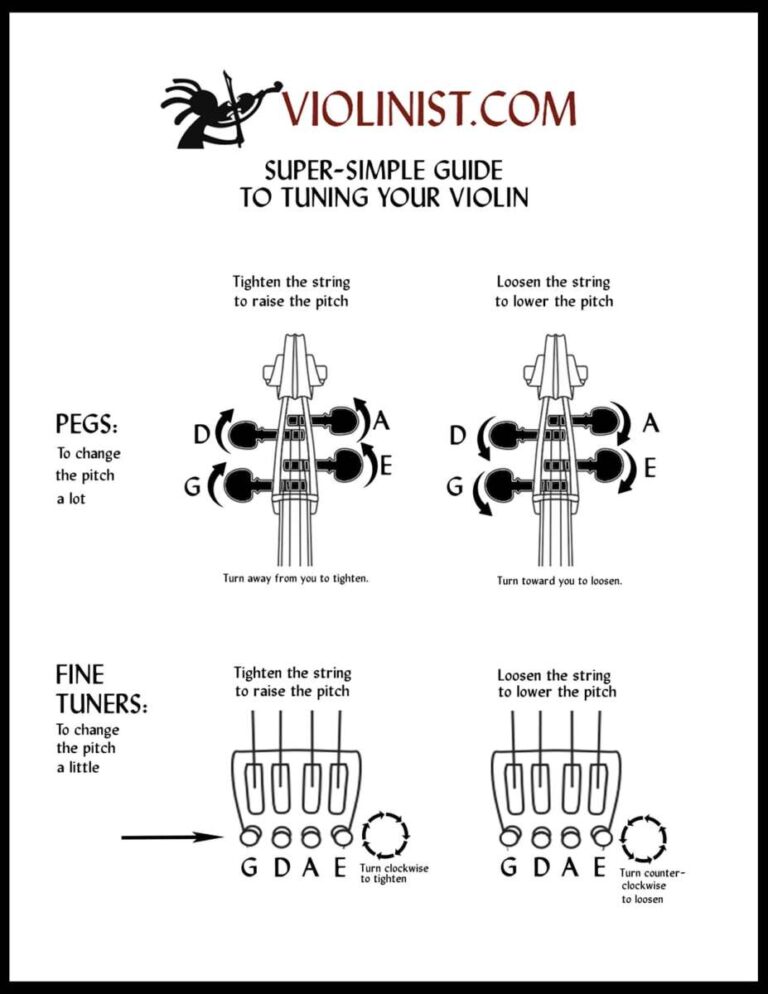
• Peg movement
• Fingerboard condition
• Soundpost placement
• Tailpiece and fine tuners
• Bow condition
A properly set-up violin can feel like a well-fitted pair of shoes. The same violin without setup may feel stiff, painful, and difficult to control.
Is a Used Violin a Good Choice?
A used violin can be an excellent choice. Older instruments may have a mature sound, and a good used violin often offers more value than a new instrument at the same price.
Buy used from a shop, teacher, luthier, or seller with a clear return policy. Ask whether the violin has had repairs and whether those repairs were completed by a qualified professional.
Inspect the instrument for:
• Open seams
• Cracks
• A leaning or warped bridge
• Loose purfling
• A damaged scroll
• A lifted fingerboard
• Pegs that do not hold
• A missing soundpost
• Signs of water or heat damage
Small cosmetic marks are not always serious. Structural cracks and poor repairs can be expensive. When deciding where can I get a violin used, the seller’s honesty and inspection process matter as much as the violin’s age.
Do not rely on a printed label inside the violin. Many instruments carry labels with famous names, but labels can be copied or misunderstood. Sound, condition, and professional evaluation are more useful.
What Should I Avoid When Buying a Violin?
A few warning signs deserve attention. They do not always mean the violin is worthless, but they should make you slow down and ask questions.
Avoid sellers who:
• Refuse to provide detailed photos
• Promise a famous violin at an unusually low price
• Offer no return period
• Cannot explain the setup
• Pressure you to pay immediately
• Use vague claims such as “concert quality” without proof
• Sell a complete outfit for an unrealistically low price
• Have many poor reviews or no clear business information
One lesson I often share with new players is simple: never let excitement replace inspection. A beautiful case and shiny varnish can create a strong first impression, but the important details are hidden in the setup and structure.
If a deal feels rushed, walk away. There will always be another violin.
What Accessories Do I Need?
A violin purchase is not complete without a few basic accessories. Some outfits include them, but quality can vary.
Start with:
• A suitable bow
• A hard or well-padded case
• Rosin
• A shoulder rest, if comfortable
• A spare set of strings
• A cleaning cloth
• A music stand
• A tuner or reliable tuning app
The bow matters greatly. A poor bow can make a good violin feel difficult to play. Ask the shop to match the bow to the violin instead of accepting the cheapest option in the case.
Never leave a violin in a hot car, near a heater, or in direct sunlight. Wood responds to heat and humidity. Sudden changes can cause cracks, open seams, or tuning problems.
Wipe rosin dust from the strings and instrument after each practice session. Small care habits protect the finish and help the violin stay in good condition.

Where Can I Get a Violin With Expert Help?
A private teacher can be one of the most helpful people when deciding where can I get a violin. Teachers often know which shops provide good setup and which online sellers have dependable service.
You can also seek help from:
• A professional violinist
• A luthier
• An orchestra director
• A school music teacher
• A community music program
• A chamber music organization
A teacher may recommend several instruments for you to test. This is useful because players hear and feel violins differently. A violin that sounds warm to one person may sound too dark to another.
If you do not have access to a teacher, ask the seller for a video demonstration. Request a slow scale, a simple melody, and notes played on all four strings. A video cannot replace an in-person trial, but it can reveal major issues.
A Simple Violin Buying Checklist
Use this checklist before you pay:
- Confirm the correct size.
- Set a total budget, including accessories.
- Compare at least three violins.
- Test the instrument or hear a demonstration.
- Check the bridge, pegs, strings, and fingerboard.
- Ask who completed the setup.
- Read the return and warranty terms.
- Confirm whether the bow and case are included.
- Ask about repairs and insurance.
- Have a teacher or luthier inspect the violin when possible.
When people ask where can I get a violin, I suggest they focus first on trust and playability. A dependable seller may cost a little more, but that support can prevent expensive mistakes later.
Frequently Asked Questions About Where Can I Get a Violin
Where can I get a violin near me?
You can get a violin from a local violin shop, music store, luthier, school music program, or community orchestra. Search for shops that offer rentals, setup services, and return policies.
Is it better to buy a violin online or in person?
Buying in person lets you test the sound, size, comfort, and setup. Online shopping can work well when the seller has strong reviews, clear photos, expert support, and a fair return policy.
How much should a beginner spend on a violin?
Many beginners spend about $150 to $500 on a basic student outfit or choose a rental plan. A teacher or violin shop can help you find a reliable instrument without paying for features you do not need.
Can I get a good violin from a pawn shop?
You may find a good violin at a pawn shop, but inspection is essential. Pawn shops may not understand violin setup, hidden cracks, or repair costs, so have a luthier check the instrument first.
Should I rent a violin before buying one?
Renting is often a wise choice for beginners and growing children. It lets you learn, test different sizes, and understand your needs before making a larger purchase.
How do I know if a violin is the right size?
A teacher or trained shop worker should measure the player’s arm length and comfort. Adults usually use a 4/4 violin, while children often need smaller sizes.
Are expensive violins always better?
No. Price can reflect craftsmanship, age, rarity, and condition, but the most expensive violin may not suit every player. A well-set-up instrument with a comfortable tone is often the better choice.
Conclusion
The best answer to where can I get a violin depends on your playing level, budget, location, and need for support. Local violin shops, trusted online dealers, teachers, rental programs, and qualified luthiers are usually the safest options.
Take time to compare instruments, check the setup, and read the return policy. If you are new to violin, renting or buying a certified student instrument can make your first steps easier and more enjoyable. Visit a reputable shop or speak with a teacher today, then choose the violin that feels comfortable, sounds inspiring, and encourages you to keep playing.

Senior Music Reviewer
Alex Carter is a seasoned music reviewer with over a decade of experience in the world of sound and instruments. Passionate about helping musicians and enthusiasts make informed choices, he brings sharp insights and in-depth knowledge to every review. From classical instruments to modern gear, Alex combines technical expertise with a love for music to deliver content that resonates with readers.
As a Senior Music Reviewer and expert author on Tuneluma.com, Alex is dedicated to sharing honest evaluations, practical advice, and thoughtful commentary to guide readers in their musical journey.