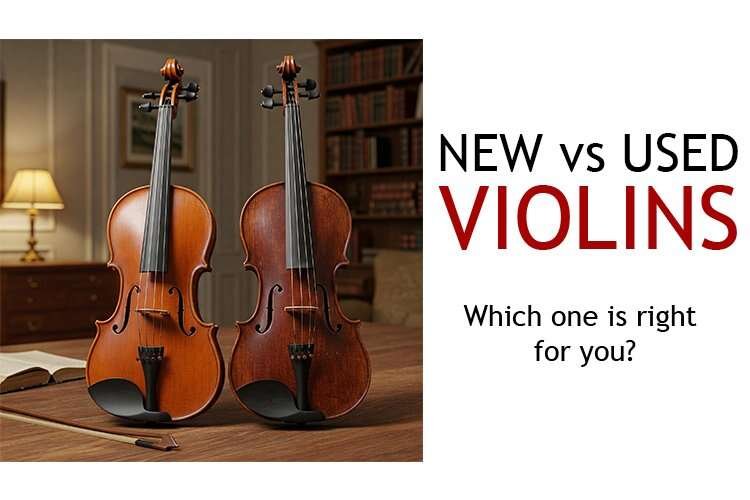
Where Do They Sell Violins: Best Places To Buy
You can buy violins at local music shops, violin dealers, online stores, luthier studios, and trusted used-instrument marketplaces.
Knowing where do they sell violins is the first step toward finding an instrument that fits your skill, budget, and musical goals. The best seller may be a nearby violin shop with expert help, a respected online dealer with a return policy, or a luthier who makes and restores instruments by hand. This guide explains each option so you can shop with confidence.
Where Do They Sell Violins?
Violins are sold in several places, but each seller offers a different buying experience. A beginner may need setup help and a comfortable trial period, while an advanced player may care more about tone, age, wood, and craftsmanship.
The most common places to buy violins include:
• Local music stores with string instrument departments
• Specialty violin shops and professional dealers
• Online violin retailers
• Independent luthiers and violin makers
• Used instrument marketplaces
• School music programs and rental companies
• Estate sales, auctions, and private sellers
The right choice depends on your experience, budget, location, and need for expert support. A low price is useful, but a poorly adjusted violin can make learning harder and cost more to fix later.

Local Music Stores
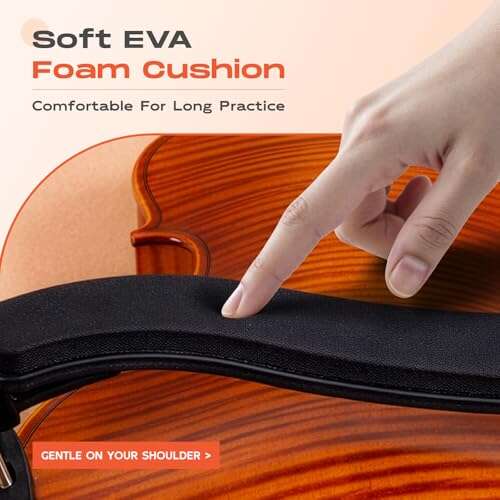
A local music store is often the easiest answer to where do they sell violins. Many stores carry beginner and intermediate instruments, along with bows, cases, rosin, shoulder rests, strings, and music books.
The main benefit is that you can see and hold the violin before buying it. You can also ask a staff member to play the instrument or help you compare sizes. This matters because two violins at the same price may sound and feel very different.
When visiting a local store, ask whether the violin includes:
• A properly fitted bridge
• Functional tuning pegs
• A quality bow
• A protective case
• Fresh or usable strings
• Basic setup by a trained technician
• A return or exchange period
Some general music stores sell violins as part of a large inventory. Their staff may be helpful, but they may not have deep knowledge of violin setup. If possible, choose a shop with a dedicated string specialist.

Specialty Violin Shops
Specialty violin shops are among the best places to buy an instrument. These stores focus on violins, violas, cellos, bows, and related repairs. Their staff usually understands sound, playability, construction, and instrument history.
A specialty dealer may let you try several violins in a quiet room. You can compare tone, response, projection, and comfort without the noise of a busy retail floor. Many dealers also allow home trials, which can help you test an instrument during lessons, rehearsals, or performances.
Specialty shops may sell:
• New student violins
• Intermediate and advanced instruments
• Antique violins
• Handmade violins
• Professional bows
• Restored instruments
• Trade-in instruments
Prices can range from a few hundred dollars to many thousands. A good dealer should explain why an instrument costs what it does. Be cautious if a seller makes dramatic claims about an instrument’s age or famous ownership without written proof.
Online Violin Stores
Online retailers are another common answer to where do they sell violins. They offer broad selections and make it easy to compare prices, features, sizes, and customer reviews.
Online shopping works best when the seller provides clear information. Look for detailed photographs, setup details, warranty terms, and a written return policy. A trusted store should explain whether the violin is ready to play or needs adjustment after delivery.
Before ordering, check:
• The full price, including shipping and taxes
• The return window
• Return shipping costs
• Damage and insurance policies
• Customer service contact details
• Included accessories
• The instrument’s size and measurements
• Whether the violin has been professionally set up
A violin can arrive safely and still need minor adjustment. Temperature and humidity changes may affect the bridge, pegs, or strings during shipping. Let the instrument rest indoors before making major adjustments, and ask a qualified repair technician for help if needed.

Luthiers and Violin Makers
A luthier is a craftsperson who builds, repairs, restores, or adjusts string instruments. Independent luthiers may sell handmade violins directly from their studios or through specialist dealers.
Buying from a luthier can provide a more personal experience. The maker can explain the wood, varnish, design, tone, and care needs of the violin. Some luthiers also offer adjustments after the sale.
Handmade instruments often cost more than factory-made models. However, price alone does not prove quality. The violin should still feel comfortable, respond well, and suit the player’s musical style.
Ask the luthier:
• What type of player is the violin designed for?
• What woods were used?
• Was the instrument made recently or restored?
• What setup is included?
• Is there a trial period?
• Can the bridge or soundpost be adjusted later?
• Does the instrument come with a certificate or written description?
A good luthier will usually welcome careful questions. Clear answers are a positive sign.

Used Violin Marketplaces
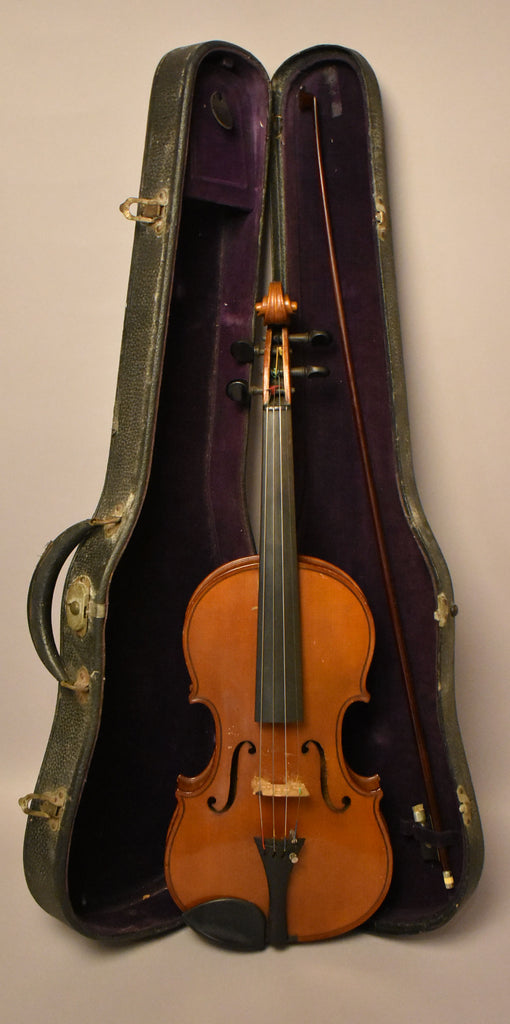
Used violins are sold through specialty dealers, local classified listings, auction websites, community groups, and private sellers. These sources can offer excellent value, but they also require more caution.
The biggest risk is buying an instrument that needs expensive repairs. A violin may look attractive in photos but have open seams, cracks, warped parts, poor setup, or replaced components. Repair costs can quickly remove the savings from a low purchase price.
If you are exploring where do they sell violins in the used market, follow these steps:
- Ask for clear photos of the front, back, sides, scroll, bridge, and pegbox.
- Request information about cracks, repairs, and previous ownership.
- Ask whether the violin is currently playable.
- Confirm the exact size and measurements.
- Check the seller’s reviews and history.
- Use a protected payment method.
- Have a violin teacher or luthier inspect it before the return period ends.
Avoid sellers who pressure you to pay quickly. A genuine bargain should still allow time for sensible questions.

Violin Rentals and School Programs
Renting is often the smartest choice for a young beginner or a player who is unsure about continuing. Music stores, school programs, and specialty dealers commonly offer monthly violin rentals.
Rental programs may include:
• A violin in the correct size
• A bow and case
• Basic maintenance
• Insurance or damage coverage
• Size exchanges as the student grows
• A rent-to-own option
Children often need several violin sizes before reaching a full-size instrument. Renting can prevent families from buying multiple instruments in a short period.
Read the rental contract carefully. Check the monthly fee, repair charges, insurance rules, ownership terms, and cancellation policy. Some plans apply part of the rental cost toward a future purchase, while others do not.
How Much Do Violins Cost?
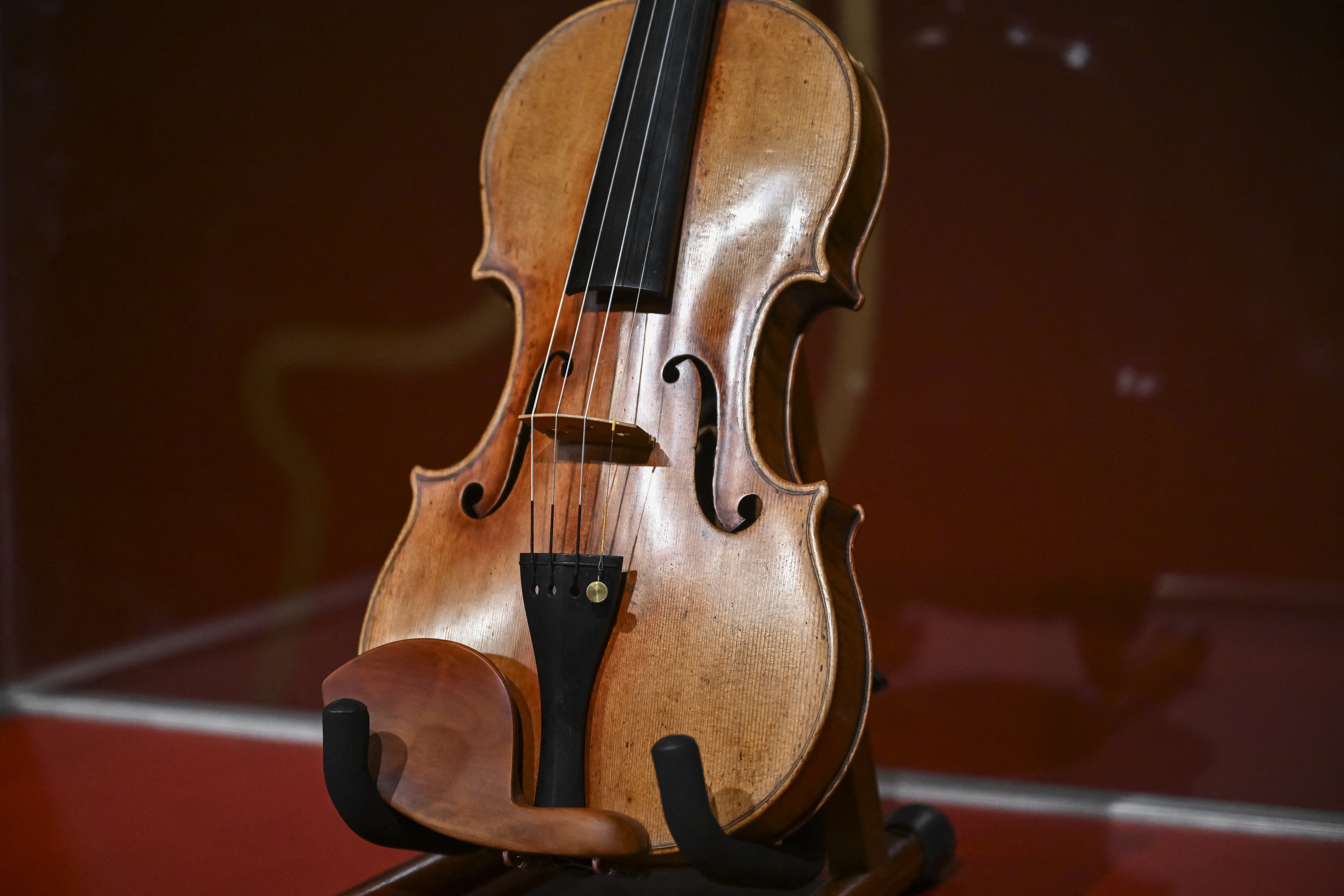
The answer to where do they sell violins is closely linked to how much you should spend. Violin prices vary widely based on materials, workmanship, setup, age, condition, brand, and seller reputation.
Typical price groups include:
• Beginner violins: often about $100 to $500
• Better student violins: often about $500 to $1,500
• Intermediate instruments: often about $1,500 to $5,000
• Advanced and professional violins: several thousand dollars and upward
• Rare or historically important instruments: potentially much more
These ranges are broad. A well-set-up violin at $400 may be more useful than a poorly made instrument at $700.
Remember to budget for the full package. You may also need a bow, case, rosin, shoulder rest, extra strings, cleaning supplies, lessons, and future repairs.

How to Choose the Right Seller
The best seller should do more than process a payment. They should help you choose a playable instrument and explain how to care for it.
Compare sellers using these points:
• Knowledge: Does the seller understand violin setup and sound?
• Selection: Are several sizes and models available?
• Trial policy: Can you test the violin before committing?
• Return policy: Are the terms clear and reasonable?
• Setup: Is the instrument ready to play?
• Service: Can the shop handle repairs and adjustments?
• Reputation: Do customers describe fair treatment and useful support?
A seller who refuses basic questions is not the right seller for a first violin. Trust grows when the seller explains both strengths and limits.
One practical lesson is to bring a teacher when possible. A teacher can hear problems that a new player may not notice. They can also help prevent a common mistake: choosing a violin because it looks beautiful rather than because it plays well.
What to Check Before Buying
Whether you shop online or in person, inspect the violin carefully. The instrument should be structurally sound and comfortable to play.
Look for:
• Straight neck alignment
• A centered bridge
• Pegs that turn smoothly
• A fingerboard without deep grooves
• No major cracks or open seams
• A secure tailpiece
• A soundpost that stands correctly
• Clean, even varnish
• Strings with reasonable tension
• A bow that grips the strings well
Some small marks are normal, especially on used instruments. Cosmetic wear is usually less important than structural damage.
Ask to play open strings and simple scales. Listen for a clear sound, even response, and comfortable left-hand movement. If you are a beginner, ask a teacher or experienced player to test the violin for you.
Buying a Violin Online Safely
Online shopping can be convenient, but it removes some of the personal guidance available in a shop. Good planning reduces the risk.
Use this process:
- Choose a seller with a clear business address and contact information.
- Read the full return and warranty policy.
- Confirm that the violin is professionally set up.
- Ask for recent photos of the exact instrument.
- Check the size, materials, and included accessories.
- Pay through a method with buyer protection.
- Record an unboxing video when the package arrives.
- Inspect the instrument before playing it heavily.
Do not trust claims such as “world-famous antique” or “rare master violin” without reliable documentation. Names and labels inside violins can be misleading. A label may describe a model or maker style rather than prove the instrument was made by that person.
Common Buying Mistakes to Avoid
Many first-time buyers focus only on price. That can lead to an instrument that is hard to tune, difficult to play, or expensive to repair.
Avoid these mistakes:
• Buying the cheapest violin without checking its setup
• Choosing the wrong size
• Skipping a trial period
• Trusting a famous label without proof
• Ignoring the bow and case quality
• Buying from a seller with no return policy
• Failing to inspect used instruments
• Expecting a beginner violin to sound like a concert instrument
• Forgetting the cost of lessons and maintenance
A violin is not like a standard electronic product. Each instrument has its own voice. The goal is not to find the most expensive option. The goal is to find a reliable instrument that supports steady progress.
Where Do They Sell Violins Near Me?
To find local sellers, search for violin shops, orchestral instrument dealers, luthiers, music stores, and violin repair studios in your area. Ask local teachers, orchestras, community music schools, and youth programs for recommendations.
A nearby shop may offer services that an online seller cannot provide. These include fitting a shoulder rest, adjusting the bridge, replacing strings, repairing pegs, and helping a child move to a larger size.
Call before visiting. Ask whether the shop carries your needed size and price range. You can also ask if appointments are required for instrument trials.
Local advice is especially valuable for beginners. A short visit with a skilled teacher or luthier can prevent months of frustration.
Frequently Asked Questions About Where Do They Sell Violins
Where is the best place to buy a violin for a beginner?
A reputable local violin shop or specialty dealer is usually the best choice. These sellers can provide the correct size, proper setup, trial options, and help with future adjustments.
Can I buy a good violin online?
Yes, you can buy a good violin online from a trusted retailer. Choose a seller with professional setup, detailed product information, buyer support, and a fair return policy.
Are violins sold at regular music stores?
Many regular music stores sell violins, especially beginner models. However, a specialty violin shop may offer deeper knowledge and better setup services.
Is it safe to buy a used violin?
Buying a used violin can be safe and economical if you inspect it carefully. Have a teacher or luthier check the instrument for cracks, repairs, setup problems, and hidden costs.
Should I rent or buy a violin?
Renting is often best for young students or beginners who are unsure about continuing. Buying may make more sense when the player is committed and has enough experience to choose a suitable instrument.
How much should I spend on my first violin?
Many beginners start with a reliable instrument costing a few hundred dollars. The best budget depends on setup quality, included accessories, lessons, and whether the violin will be used for a short or long time.
Conclusion
Violins are sold at local music stores, specialty dealers, online retailers, luthier studios, rental programs, and used marketplaces. Each option has benefits, but setup quality, seller support, trial terms, and instrument condition matter more than a low sticker price.
Take time to compare instruments and ask clear questions. If possible, bring a teacher or experienced player, and choose a seller who stands behind the violin after the sale. Explore trusted local shops and online dealers today, then share your experience or questions with other violin learners.

Senior Music Reviewer
Alex Carter is a seasoned music reviewer with over a decade of experience in the world of sound and instruments. Passionate about helping musicians and enthusiasts make informed choices, he brings sharp insights and in-depth knowledge to every review. From classical instruments to modern gear, Alex combines technical expertise with a love for music to deliver content that resonates with readers.
As a Senior Music Reviewer and expert author on Tuneluma.com, Alex is dedicated to sharing honest evaluations, practical advice, and thoughtful commentary to guide readers in their musical journey.