What To Know Before Buying A Violin: Smart Buyer Guide
Before buying a violin, check its size, sound, setup, condition, playability, and total long-term cost.
Buying a violin is more than choosing a pretty wooden instrument. The right violin should fit your body, support your goals, feel comfortable in your hands, and produce a sound you enjoy. After helping players compare student, intermediate, and professional instruments, I have seen how a careful test can prevent costly mistakes. This guide explains what to know before buying a violin, whether you are a beginner, a parent, or an advancing player.

Decide What You Need From Your Violin
The first thing to know before buying a violin is that there is no single “best” violin for everyone. A beginner may need a stable, easy-to-play instrument. An advanced player may want more power, color, and response. Your level, age, goals, budget, and practice habits should guide the choice.
Ask yourself these questions before you shop:
- Are you buying for a child or an adult?
- Are you a complete beginner or an experienced player?
- Will you play classical music, folk music, fiddle tunes, or several styles?
- Do you need a violin for lessons, school orchestra, performances, or home use?
- Do you plan to keep the instrument for several years?
- Is your budget for the violin only, or for the full setup?
A violin is a tool for learning. A poor instrument can make basic skills feel much harder. A well-set-up violin can make clean notes, smooth bowing, and good posture easier to develop.
Beginner and advanced needs
A new player usually benefits from a violin that responds easily. It should not require great force to make a clear sound. The tone should be pleasant, even across all four strings.
An advanced player may prefer a stronger and more complex tone. They may also want a wider range of colors. These qualities can be helpful, but they often cost more and may not help a beginner.
In my experience, many first-time buyers focus too much on age, brand, or shiny varnish. They often overlook setup. A modest violin with good setup can be more useful than an expensive violin with a poor bridge, weak strings, or an incorrect soundpost.
Choose the Correct Violin Size
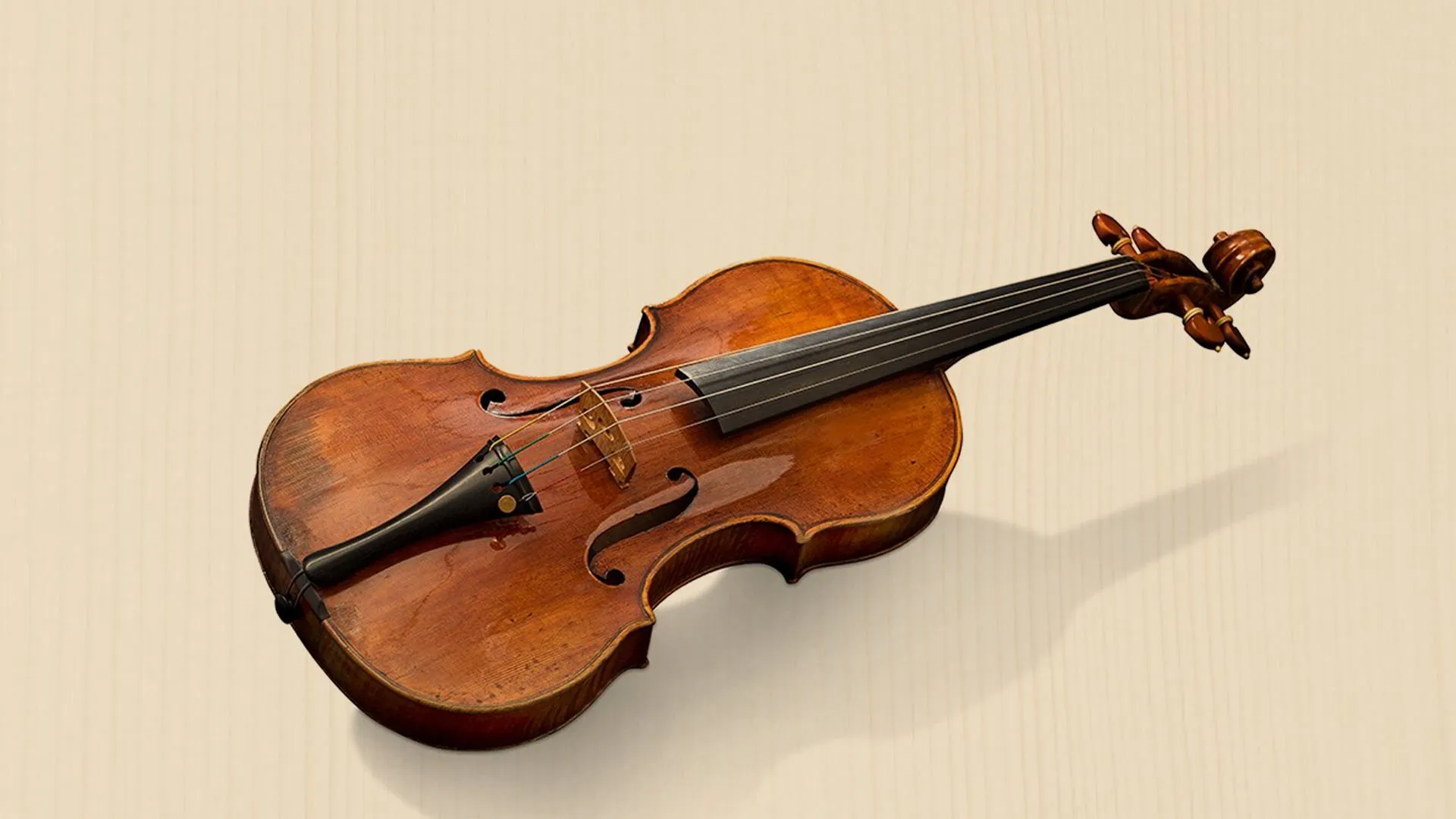
Size is one of the most important parts of what to know before buying a violin. A violin that is too large can cause tension and poor posture. One that is too small may limit comfort and sound.
Adult players usually use a full-size 4/4 violin. Children often need a smaller size, such as 3/4, 1/2, 1/4, or 1/8. The correct size depends on arm length, hand size, age, and physical comfort.
Common violin sizes
- 4/4: Usually for most teens and adults
- 3/4: Often for older children or smaller players
- 1/2: Often for children around seven to nine years old
- 1/4: Often for children around five to seven years old
- 1/8 and smaller: Often for very young children
These age ranges are only general guides. Children grow at different rates, so a proper fitting matters more than age alone.
A teacher or violin shop can measure the player’s reach. The player should be able to hold the violin comfortably without stretching the fingers or lifting the shoulder. The left hand should reach the notes with ease, and the instrument should not feel heavy or awkward.
Do not buy a larger violin because you hope a child will “grow into it.” That choice can lead to pain, poor technique, and frustration. A smaller violin that fits well is usually the safer choice.


How to check the fit
Hold the violin in playing position. The player should be able to curve the fingers over the fingerboard. The neck should rest comfortably in the hand. The left arm should not feel locked or strained.
The violin should also feel balanced. If the player must grip it tightly to keep it in place, the size or shoulder rest may be wrong.

Set a Realistic Budget
Budget planning is another key part of what to know before buying a violin. The listed price is not always the final cost. You may also need a bow, case, shoulder rest, rosin, strings, and professional setup.
A basic violin outfit may include most of these items. However, low-cost packages can vary greatly in quality. Some are suitable for early practice. Others may need repairs before they are comfortable to play.
Typical budget levels
Prices vary by region, maker, condition, and setup. These ranges are general examples, not fixed rules.
- Entry-level outfit: Often suitable for a young beginner or first lessons
- Better student violin: Usually offers more reliable parts and improved sound
- Intermediate violin: Often provides stronger tone and better response
- Advanced or professional violin: May offer greater projection, detail, and tonal range
A very cheap violin may look like a bargain. Yet repairs can quickly remove the savings. A warped bridge, loose seam, poor pegs, or badly fitted soundpost can cost a large part of the original price.
Include maintenance in your budget. Violin strings wear out. Bows need rehairing. Cases can break. A luthier may need to adjust the bridge or pegs.
In one common buying mistake, a player spends nearly the entire budget on the violin and then uses a weak bow and poor strings. The result is a frustrating setup. It is often better to buy a balanced outfit than to put all the money into one part.

Understand New, Used, and Vintage Violins
Knowing the difference between new, used, and vintage violins can protect your money. Each option has benefits and limits.
New violins
A new violin is often easier to buy with a return policy. It may come from a workshop that makes several instruments at the same level. A shop can also set it up for your needs.
New does not always mean better. Some new violins have thin tone or poor construction. Their quality depends on the maker, materials, workmanship, and setup.
Used violins
A used violin may offer better value. It may already have a mature sound and useful playing history. However, wear can hide serious problems.
Before buying a used violin, inspect:


- Open seams
- Cracks on the top, back, or ribs
- A warped or raised fingerboard
- Loose purfling
- Damaged corners
- Pegs that slip
- A bridge that leans or bends
- A soundpost that is missing or poorly placed
- Signs of woodworm
- Repairs without clear documentation
A used violin should be checked by an experienced luthier when possible. This cost is small compared with the cost of repairing a serious structural problem.
Vintage violins
The word “vintage” can sound impressive, but it does not prove quality. Older violins can be excellent, average, or badly damaged. Age alone does not create a good sound.
Be cautious when a seller makes dramatic claims about an old violin’s history. A certificate, repair record, and expert opinion are more useful than a story. If the instrument is said to be made by a famous maker, ask for written proof from a qualified expert.

Learn the Main Parts of a Violin
A basic knowledge of violin parts helps you inspect an instrument with confidence. You do not need to become a repair expert. You only need to know what each part does and what common problems look like.
The main parts include:
- Body: The hollow wooden box that creates and carries the sound
- Top: The spruce front plate
- Back: The maple plate on the rear
- Ribs: The curved wooden sides
- Neck: The wooden section that supports the fingerboard
- Fingerboard: The black surface where the fingers stop the strings
- Bridge: The thin maple piece that transfers string vibration
- Soundpost: The small wooden post inside the body
- Bass bar: An internal support under the bass side of the top
- Tailpiece: The part that holds the string ends
- Pegs: The tuning devices at the scroll
- Chin rest: The support under the player’s jaw
- Endpin: The small pin that holds the tailgut
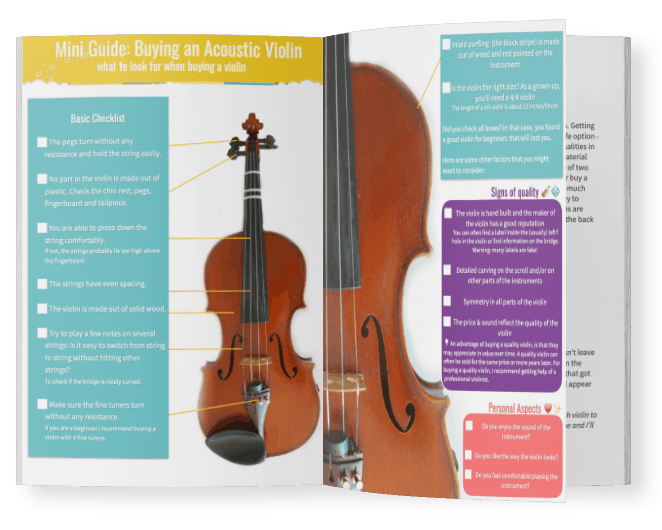
The bridge should stand upright and fit the top correctly. Its feet should sit flat on the violin. The fingerboard should have a smooth, even curve. The pegs should turn with control and hold their position.
The soundpost should not be moved by an untrained buyer. It affects tone and structural balance. A luthier should handle soundpost adjustments.
Pay Close Attention to Setup
Setup may be the most overlooked part of what to know before buying a violin. Setup means adjusting the instrument so it plays correctly and comfortably.
A good setup often includes:
- Correct bridge shape and height
- Proper fingerboard curve
- Smooth peg fitting
- Correct string height
- A well-fitted soundpost
- Suitable strings
- A comfortable tailpiece and chin rest
String height matters. If the strings sit too high above the fingerboard, the player must press harder. This can cause sore fingers and left-hand tension. If the strings sit too low, they may buzz against the fingerboard.
Pegs should turn smoothly but should not slip. A peg that is too tight can be hard to tune. A peg that slips makes practice frustrating.
The bridge must also be checked often. It can lean toward the fingerboard as strings are tuned. A leaning bridge may warp or fall.
When I test a violin, I do not judge tone before checking playability. A beautiful sound is not enough if the instrument fights the player. The violin should respond without excessive pressure and should feel stable under normal use.


Test the Violin Before You Buy
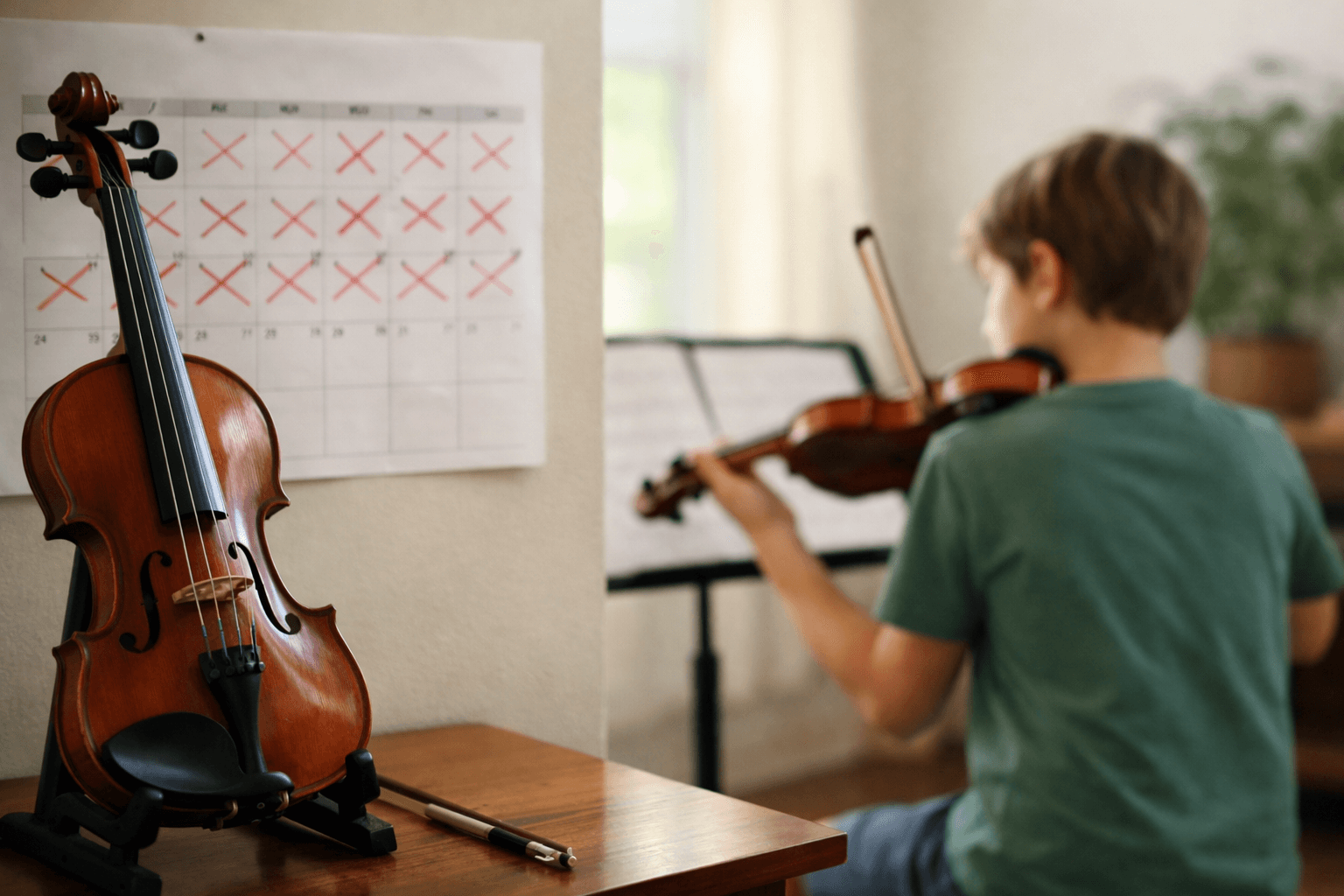
Testing is one of the best ways to understand what to know before buying a violin. If possible, test several violins in the same room, with the same bow and similar strings. This creates a fairer comparison.
A beginner may not know what to listen for. Bring a teacher, experienced player, or trusted violinist. Their advice can reveal problems that are hard to hear at first.
Test each string
Play open strings and listen for:
- Clear sound
- Even volume
- Excessive buzzing
- Rattling
- Weak response
- Harsh or thin tone
- Unwanted wolf notes
A violin should respond across the G, D, A, and E strings. It does not need to sound identical on every string, but the change should feel musical and manageable.
Test different areas of the bow
Play near the fingerboard, in the middle, and closer to the bridge. Try soft and strong bow strokes. A good violin should offer more than one useful sound.
Test long notes, short notes, scales, and simple music. Advanced players can test shifting, double stops, and higher positions.
Listen from a distance
The player hears the violin from behind the instrument. The sound may seem different to someone standing several feet away. Ask another person to play while you listen from the audience position.
This simple test often changes the decision. A violin that sounds bright under the ear may sound balanced across a room. Another may sound rich to the player but weak at a distance.

Judge Tone, Response, and Projection
Tone describes the character of the sound. A violin may sound warm, bright, dark, clear, open, focused, or rich. These terms are personal, but they still help describe what you hear.
Response describes how quickly the violin reacts to the bow and fingers. A responsive violin speaks with little delay. A slow violin may need more pressure or a more exact bow angle.
Projection describes how well the sound carries. A loud violin is not always a good violin. Good projection means the sound remains clear and useful at a distance.
Listen for balance between the strings. Also check whether the notes remain stable when you play softly. Some instruments sound impressive when played loudly but lose focus at a gentle volume.
Tone can change with strings, bow choice, room size, humidity, and setup. This is why one short test cannot reveal everything. Try the violin more than once if possible.


Choose the Right Bow and Case
The bow is not an optional extra. It shapes the sound, attack, rhythm, and control of the violin. A poor bow can make a good violin feel difficult.
Check that the bow:
- Has a straight stick when viewed from the frog toward the tip
- Tightens and loosens smoothly
- Holds hair evenly
- Has a secure frog
- Does not make unusual rattles
- Feels balanced in the hand
A beginner may not need an expensive bow. Still, the bow should be reliable and comfortable. A teacher can help compare bows because small differences may be hard to notice alone.
The case protects your investment. Look for strong padding, secure latches, good humidity protection, and space for the bow and accessories. A lightweight case is easy to carry, but it must still protect the violin from impact.
Never leave a violin in a hot car, a freezing trunk, or direct sunlight. Rapid temperature changes can damage wood and open seams.
Select Strings and Accessories Carefully
Strings affect tone, feel, and response. Different string types may produce a warmer, brighter, or more focused sound. Your teacher or luthier can suggest a good starting set.
Avoid changing many things at once. If you replace the strings, bow, shoulder rest, and chin rest together, you may not know which change helped.
Useful accessories include:
- Rosin
- Shoulder rest or sponge
- Cleaning cloth
- Electronic tuner
- Music stand
- Extra string
- Pencil
- Instrument insurance, when appropriate
Wipe rosin dust from the strings and violin after each practice session. Dust can build up on the varnish and affect the surface over time. Use a soft, dry cloth. Do not use household cleaners or furniture polish.
A shoulder rest is a comfort tool, not a rule. Some players use one. Others use a sponge or no shoulder rest. The best choice allows relaxed posture without forcing the shoulder upward.
Buy From a Trustworthy Seller
Seller quality matters as much as instrument quality. A reliable violin shop should answer questions clearly and allow a trial period when possible.
Look for:
- A written return policy
- A clear repair history for used instruments
- Professional setup
- Honest condition reports
- Trial instruments
- Access to a luthier
- Reasonable adjustment support
- Clear information about included accessories
Be careful with online listings that use only stock photos. Ask for clear images of the top, back, ribs, scroll, bridge, pegs, and any repaired areas. Ask whether the violin has cracks, open seams, or replaced parts.
A low price can be risky when the seller avoids questions. You should know the total price, shipping cost, return rules, insurance duties, and repair needs before paying.
Private sales can work well, but they offer less protection. If you buy privately, arrange an inspection before completing the purchase. A qualified luthier can often identify problems in a short appointment.
Consider Renting Before Buying
Renting can be a smart choice for beginners, especially children. It allows the player to learn without making a large early investment.
A good rental plan may offer:
- Size exchanges as the child grows
- Credit toward a future purchase
- Repairs during the rental period
- Insurance options
- A properly set-up instrument
Read the rental agreement carefully. Check the damage policy, late fees, ownership terms, and return process.
Renting is not always cheaper over many years. If the player is committed and the size is stable, buying may offer better long-term value. Still, renting gives families time to learn what they need before buying a violin.
Avoid Common Buying Mistakes
Many violin buyers make the same errors. Knowing them can save money and reduce stress.
Choosing looks over sound
A dark varnish, unusual label, or dramatic finish does not prove quality. Sound and playability matter more than appearance.
Trusting a label
Labels can be confusing. A label may name a model, workshop, region, or previous owner. It does not always identify the actual maker.
Buying the cheapest outfit
A very low price may hide poor materials or setup. The violin may be difficult to tune and hard to play.
Skipping the trial
A violin can feel different after several minutes. Always test it when possible, or use a seller with a clear return policy.
Ignoring the bow
The bow has a major effect on control and sound. A weak bow can make the whole outfit feel poor.
Buying too large for a child
A child should not struggle to reach the notes. Correct size supports comfort and healthy technique.
Failing to inspect repairs
Repairs are not always bad. A well-repaired crack may be stable. However, poor repairs can affect value and structure.
Making a rushed decision
Do not buy because a seller creates pressure. Take notes, compare instruments, and ask your teacher for advice.
Create a Simple Buying Checklist
Use this checklist when you visit a shop or inspect a violin.
- Confirm the correct size.
- Set a total budget.
- Ask who completed the setup.
- Inspect the body for cracks and open seams.
- Check the bridge and fingerboard.
- Turn each peg gently.
- Test all four strings.
- Listen for buzzes and rattles.
- Compare tone and response with other violins.
- Test the bow.
- Check the case and included accessories.
- Ask about the return period.
- Ask about future repairs and adjustments.
- Have a teacher or luthier review the choice.
- Sleep on the decision if you feel unsure.
Write down what you hear. For example, one violin may have a warm G string but a sharp E string. Another may feel easy to play but sound less powerful. Notes help you compare facts instead of relying only on excitement.
Understand Humidity and Long-Term Care
Violins are made from wood, so moisture and temperature affect them. Very dry air can cause cracks and open seams. Excess moisture can affect glue, varnish, and response.
Many violinists use a case humidifier in dry climates. Use one with care. Too much water can cause damage. A room hygrometer can help you monitor the environment.
Basic care includes:
- Loosen the bow after every use.
- Wipe rosin from the strings and top.
- Store the violin in its case.
- Keep food and drinks away from the instrument.
- Avoid extreme heat and cold.
- Check the bridge often.
- Replace worn strings.
- Ask a luthier about regular service.
Do not attempt major repairs with household glue. Violin glue and repair methods require specialist knowledge. A small mistake can lower the instrument’s value and make later repairs harder.
How Much Should a Beginner Spend on a Violin?
A beginner should choose the best reliable, well-set-up violin that fits the budget. The right price depends on the player’s size, goals, local market, and whether the outfit includes a bow and case.
Focus on value rather than the lowest price. A teacher or reputable shop can help you avoid an instrument that creates problems.
Is It Better to Buy or Rent a Violin?
Renting is often useful for young children or uncertain beginners. It allows size changes and lowers the first cost.
Buying may make sense when the player is committed, has reached a stable size, and can choose a well-set-up instrument. Compare the rental terms with the full cost of ownership.
Can You Buy a Good Violin Online?
Yes, but use a reputable seller with a trial period and a clear return policy. Ask for condition details, setup information, sound samples, and photos of the exact instrument.
Online buying is safer when a teacher or luthier can inspect the violin after delivery. Avoid sellers who refuse returns or hide repair history.
What Is the Most Important Part of a Violin?
There is no single most important part. The body, bridge, soundpost, fingerboard, strings, and bow must work together.
For most beginners, correct setup and comfortable playability matter more than an expensive label. A luthier can often improve a basic instrument through careful adjustment.
How Do You Know If a Violin Is Good?
A good violin feels comfortable, responds without excessive force, stays in tune, and produces a clear, balanced tone. It should not have serious structural damage or constant buzzing.
Have an experienced player listen from a distance. A professional inspection is especially important for used or expensive violins.
What Should You Avoid When Buying a Violin?
Avoid buying a violin only because it looks old, has a famous name on the label, or seems unusually cheap. Also avoid instruments with serious cracks, poor setup, slipping pegs, or no return option unless a qualified expert approves them.
Take time to compare several choices. The best violin is the one that supports your playing and fits your real needs.
Conclusion
The most important things to know before buying a violin are size, setup, condition, sound, bow quality, seller reputation, and long-term cost. Test more than one instrument, bring a teacher or experienced player, and ask a luthier to inspect expensive or used violins.
A violin does not need to be the most costly one in the shop. It needs to fit you, respond well, and encourage you to practice. Use the checklist in this guide, take your time, and choose with both your ears and your judgment. Explore trusted local shops and ask questions before making your final purchase.

Senior Music Reviewer
Alex Carter is a seasoned music reviewer with over a decade of experience in the world of sound and instruments. Passionate about helping musicians and enthusiasts make informed choices, he brings sharp insights and in-depth knowledge to every review. From classical instruments to modern gear, Alex combines technical expertise with a love for music to deliver content that resonates with readers.
As a Senior Music Reviewer and expert author on Tuneluma.com, Alex is dedicated to sharing honest evaluations, practical advice, and thoughtful commentary to guide readers in their musical journey.