Can You Learn The Violin At Any Age: Beginner Guide
Yes, you can learn the violin at any age with steady practice, good guidance, and realistic goals.
Can you learn the violin at any age? Absolutely. Children, teens, adults, and older beginners can all build skill, musical understanding, and confidence on the instrument. The pace may differ from person to person, but age does not close the door to learning.
As a music educator, I have seen beginners make strong progress when they focus on small steps instead of instant perfection. This guide explains what to expect, how age affects learning, how to practice well, and how to start without feeling overwhelmed.
Can You Learn the Violin at Any Age?
Yes, you can learn the violin at any age. The violin does not require you to start in childhood. It requires patience, regular practice, and a willingness to listen closely.
Young students may learn new movements quickly because they have flexible schedules and developing motor skills. Adult students often bring strong focus, better planning, and a clear reason for learning. Older adults may take more time with physical movements, but they can still enjoy steady progress.
Learning the violin is much like learning a new language. At first, the sounds may seem strange. With time, your ear begins to notice pitch, rhythm, tone, and phrasing. Each practice session adds another useful “word” to your musical vocabulary.
Many famous violinists began serious study later than people assume. More importantly, you do not need to become a concert violinist to benefit from playing. You can learn for joy, relaxation, personal growth, worship, community music, or performance.

How Age Affects Violin Learning
Age can affect the learning process, but it does not decide the final result. Your practice habits, teacher, health, and motivation often matter more than your birth year.
Children and young beginners
Children often learn through games, songs, and short lessons. Their practice sessions should be brief and positive. A parent or caregiver may need to help them remember practice times and care for the instrument.
A young learner may develop basic posture and rhythm quickly. However, children can also lose interest if lessons feel too strict or difficult. A supportive teacher can keep learning fun while building good habits.
Teenagers
Teenagers can make fast progress when they have a clear goal. They may want to join an orchestra, play popular songs, prepare for school auditions, or perform for family and friends.
They also understand musical ideas more easily than very young children. The main challenge is time. School, sports, work, and social life can make practice hard to maintain.
Adults
Adult beginners often ask, “Can you learn the violin at any age if you have a busy life?” Yes, but your plan must fit your schedule.
Adults usually benefit from:
• Clear goals
• Structured lessons
• Short daily practice
• Written notes from the teacher
• Music that feels meaningful
Adults may also feel more self-conscious. Remember that early sounds are not a test of your worth. Every skilled player once made a scratchy sound while learning how to control the bow.
Older adults
older adults can learn the violin, too. Playing may support mental activity, creativity, and social connection. Group lessons and community orchestras can also reduce loneliness and create a sense of purpose.
Physical comfort matters more with age. A teacher can help adjust posture, shoulder position, instrument size, and practice time. Anyone with arthritis, nerve pain, hearing concerns, or another health issue should ask a qualified health professional for advice.
Why Learn the Violin as an Adult?
Adult violin students often learn for reasons that go beyond technique. Some want to return to music after many years. Others always dreamed of playing but never had the chance.
Here are common benefits of learning the violin:
• Creative expression: You can turn feelings and ideas into sound.
• Mental engagement: Reading music and controlling pitch require attention and memory.
• Stress relief: Focused playing can give your mind a break from daily worries.
• Social connection: Lessons, ensembles, and orchestras help you meet other musicians.
• Personal achievement: Reaching a small goal can build confidence.
• Lifelong learning: The violin gives you new skills to explore at every stage of life.
Research on music learning suggests that adults can develop new skills through practice. The brain remains capable of change throughout life, although learning speed may vary. This ability is often called neuroplasticity.
The violin also teaches patience. You cannot force a beautiful tone in one afternoon. You build it through many small choices, such as a relaxed grip, a straight bow, and careful listening.

What Makes the Violin Difficult for Beginners?
The violin has a steep early learning curve. It has no frets to show where each note belongs, so your left hand must learn accurate finger placement through sound and muscle memory.
The bow adds another challenge. It must move at a steady speed and stay in the right place between the bridge and fingerboard. Small changes in pressure or angle can affect the tone.
Common early challenges include:
• Squeaky or scratchy sounds
• Sore fingertips
• Tight shoulders
• Trouble reading music
• Unsteady rhythm
• Difficulty keeping the bow straight
• Frustration with slow progress
These problems are normal. They do not mean you lack talent. They show that your body and ear are still learning a new skill.
One mistake I often see is trying to press harder when the sound is poor. More pressure usually makes the tone worse. A relaxed bow hand, slower movement, and careful setup often help more than force.

How Long Does It Take to Learn the Violin?
There is no single answer because “learn” can mean different things. You may play a simple song within a few months, while confident ensemble playing can take several years.
A general guide may look like this:
• One to three months: You learn basic posture, open-string bowing, simple rhythms, and beginner songs.
• Three to twelve months: You begin using left-hand fingers, reading simple music, and playing short melodies.
• One to three years: You improve tone, intonation, rhythm, shifting, and musical expression.
• Several years: You may play advanced pieces, join stronger ensembles, or prepare for formal performances.
These time frames are estimates, not promises. Ten focused minutes each day can help more than one long session once a week. Progress may also come in waves. You may improve quickly for a while, then feel stuck before reaching a new level.
Can you learn the violin at any age and become good quickly? You can improve quickly with smart practice, but real skill takes time. Be careful with anyone who promises mastery in a few weeks.
A Practical Violin Practice Plan
A simple routine makes learning less stressful. Your practice does not need to be long. It needs to be focused.
Try this 20-minute beginner plan:
-
Spend two minutes relaxing your shoulders, hands, and neck.
-
Spend five minutes playing open strings with slow, even bows.
-
Spend five minutes practicing a small set of notes or a scale.
-
Spend six minutes working on one short song.
-
Spend two minutes playing the easiest part again with a calm tone.
If you have more time, repeat the song section or add rhythm work. Stop before your body becomes tense. Pain is a warning, not proof that you are working hard enough.
Use a practice journal. Write down the date, practice length, difficult section, and one success. This record helps you notice progress that may be hard to feel from day to day.
Record yourself once a week, if possible. A phone recording can reveal changes in tone, rhythm, and posture. It may sound uncomfortable at first, but it gives you useful feedback.
Choosing the Right Violin and Teacher
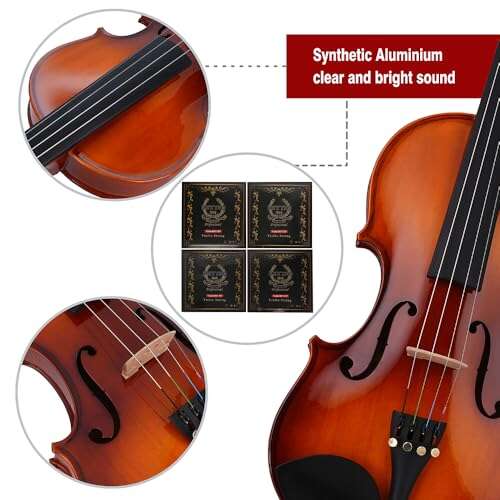
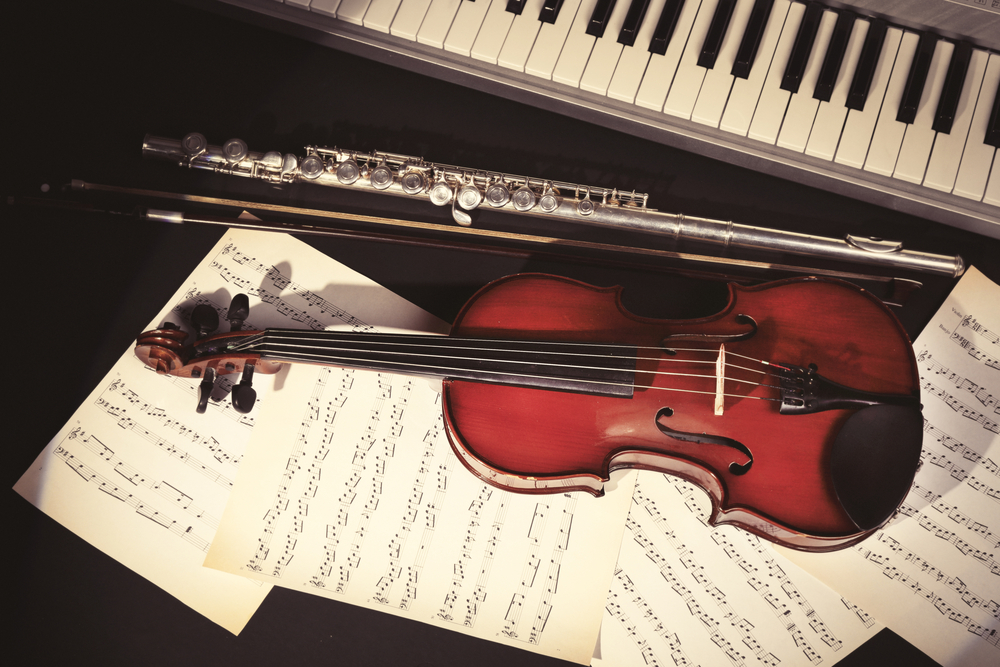
A poor instrument setup can make learning much harder. Beginners often blame themselves for weak sound when the real problem is an inexpensive violin with poor adjustment.
A violin teacher or reputable shop can help you check:
• Correct instrument size
• Comfortable string height
• A properly fitted bridge
• Suitable strings
• Smooth tuning pegs
• A well-shaped bow
• Proper shoulder and chin support
Adults usually need a full-size violin. Children may need a smaller size based on arm length, not age alone. Do not choose a smaller instrument simply because it feels easier to hold. The right size supports healthy movement.
A good teacher should explain the reason behind each exercise. Look for someone who:
• Teaches beginners regularly
• Uses clear, simple language
• Corrects posture with care
• Gives practical practice goals
• Respects your musical interests
• Adjusts lessons to your pace
Online lessons can work well for basic guidance, especially when travel is difficult. In-person lessons may be more helpful for correcting posture, bow angle, and tension. A mixed approach can offer the benefits of both.

Common Mistakes New Violinists Should Avoid
Many beginners lose confidence because they repeat a few preventable mistakes. The good news is that each one has a simple solution.
Practicing only when motivated
Motivation changes from day to day. A small routine works better than waiting to feel inspired. Even five focused minutes can keep your habit alive.
Playing too fast
Speed hides errors. Practice slowly enough to hear every note and keep the bow under control. Then increase the tempo in small steps.
Ignoring tension
Raised shoulders, a tight thumb, or a stiff wrist can cause discomfort. Pause often and reset your posture. Relaxation is part of technique.
Skipping the tuner
A tuner can help, but do not rely on it alone. Train your ear by listening to open strings, scales, and other players.
Comparing your first month with someone’s tenth year
Online videos often show polished performances, not years of effort. Compare your current playing with your own earlier recordings.
Avoiding scales
Scales may seem dull, but they develop finger patterns, pitch control, and listening skills. Keep them short and connect them to the songs you play.
Can you learn the violin at any age without making mistakes? No. Mistakes are part of the process. The goal is to notice them, correct them, and keep going.

How to Stay Motivated While Learning
Motivation grows when practice feels meaningful. Choose songs you genuinely want to play, even if they are simple. A folk tune, movie theme, hymn, or favorite pop melody can give your work a clear purpose.
Set goals that you can measure:
• Play a scale with a steady rhythm.
• Learn four lines of a song.
• Practice five days this week.
• Perform for one trusted friend.
• Play with a backing track.
Celebrate small wins. A clean bow stroke is progress. So is tuning without help, reading a new rhythm, or playing through a mistake without stopping.
You can also join a beginner group or adult orchestra. Ensemble playing teaches rhythm and listening in a way that solo practice cannot. It may feel intimidating at first, but most groups value steady participation more than perfection.
When frustration appears, reduce the task. Practice one measure. Play it slowly. Then rest. A difficult piece is like a long path; you only need to see the next few steps.
When to Seek Professional Help
A qualified violin teacher can save you months of confusion. This is especially true if you feel pain, cannot produce a stable sound, or are unsure whether your posture is safe.
Stop playing and seek advice if you notice:
• Sharp pain in the hand, wrist, elbow, neck, or shoulder
• Numbness or tingling
• Pain that continues after practice
• Persistent headaches or jaw tension
• Dizziness or unusual hearing changes
Mild fingertip tenderness can occur during the early weeks, but sharp pain is not a normal requirement. A teacher can check your technique, while a health professional can assess an injury or medical concern.
Expert advice also matters when choosing an instrument. A proper setup can improve comfort and sound at once. Good equipment cannot replace practice, but poor equipment can make useful practice much harder.
Frequently Asked Questions About Can You Learn the Violin at Any Age
Can you learn the violin at any age, including after 50?
Yes, many people begin violin lessons after 50 and make steady progress. Choose a comfortable routine, use a well-fitted instrument, and give your hands time to adapt.
Is it harder for adults to learn violin than children?
Adults may need more time to develop new physical habits, but they often bring stronger focus and planning skills. Consistent practice and clear instruction can offset many early challenges.
How often should a beginner practice violin?
Aim for 15 to 30 minutes on most days. Short, focused practice is usually more effective than one long session each week.
Can I teach myself to play the violin?
You can learn basic skills with books and videos, but a teacher can correct posture, bow technique, and intonation much faster. A few professional lessons can prevent habits that later become difficult to change.
Is violin good for older adults?
Violin study can support creativity, mental engagement, and social connection. Older adults should adjust practice for comfort and seek medical guidance for ongoing pain or physical limitations.
How much does a beginner violin cost?
Prices vary widely by quality, setup, and brand. Renting from a reputable shop is often a practical choice because you can test your interest before buying.
Can you learn the violin at any age without reading music?
You can begin by learning songs by ear, but reading music will expand your options. Many students use both methods as they develop their skills.
Conclusion
Can you learn the violin at any age? Yes. Children, adults, and older beginners can all learn when they use patient instruction, regular practice, and realistic goals.
The violin may feel difficult at first because it demands careful control of pitch, rhythm, posture, and bow movement. That difficulty is not a sign that you are too old. It is simply part of learning a detailed craft.
Start with a comfortable instrument, find a supportive teacher, and practice a little most days. Choose music that makes you want to pick up the bow. Explore beginner lessons, join a local music group, or share your first milestone in the comments.

Senior Music Reviewer
Alex Carter is a seasoned music reviewer with over a decade of experience in the world of sound and instruments. Passionate about helping musicians and enthusiasts make informed choices, he brings sharp insights and in-depth knowledge to every review. From classical instruments to modern gear, Alex combines technical expertise with a love for music to deliver content that resonates with readers.
As a Senior Music Reviewer and expert author on Tuneluma.com, Alex is dedicated to sharing honest evaluations, practical advice, and thoughtful commentary to guide readers in their musical journey.