In the United States, most guitars are made from a mix of wood, metal, plastic, adhesives, and protective finishes. The exact materials depend on the guitar type, price, design, and maker. An acoustic guitar relies on a thin wooden soundboard to move air, while an electric guitar uses pickups, strings, and an amplifier to turn string movement into sound.
This guide explains what each guitar part is made of, why manufacturers choose those materials, and how the choices affect tone, strength, weight, care, and repair.

The Main Materials Used to Make a Guitar
A guitar is not made from one material. It is an assembly of parts, and each part has a different job.
The main materials are:
- Wood: Used for the body, neck, bridge, and fingerboard
- Metal: Used for strings, frets, tuning machines, bridges, screws, and electronics
- Plastic and synthetic materials: Used for nuts, saddles, pickguards, binding, knobs, and some bodies
- Adhesives: Used to join the neck, body, braces, bridge, and other parts
- Finishes: Used to protect the wood from moisture, wear, and dirt
- Electronic materials: Used in pickups, controls, wiring, and circuit boards
- Composite materials: Used in some modern necks, bodies, and soundboards
The parts must work together. A strong neck keeps the strings at the right height. A stable bridge transfers string energy to the body. A thin, responsive top helps an acoustic guitar produce volume. On an electric guitar, the pickups sense string vibration and send an electrical signal to an amplifier.

What Is an Acoustic Guitar Made Of?
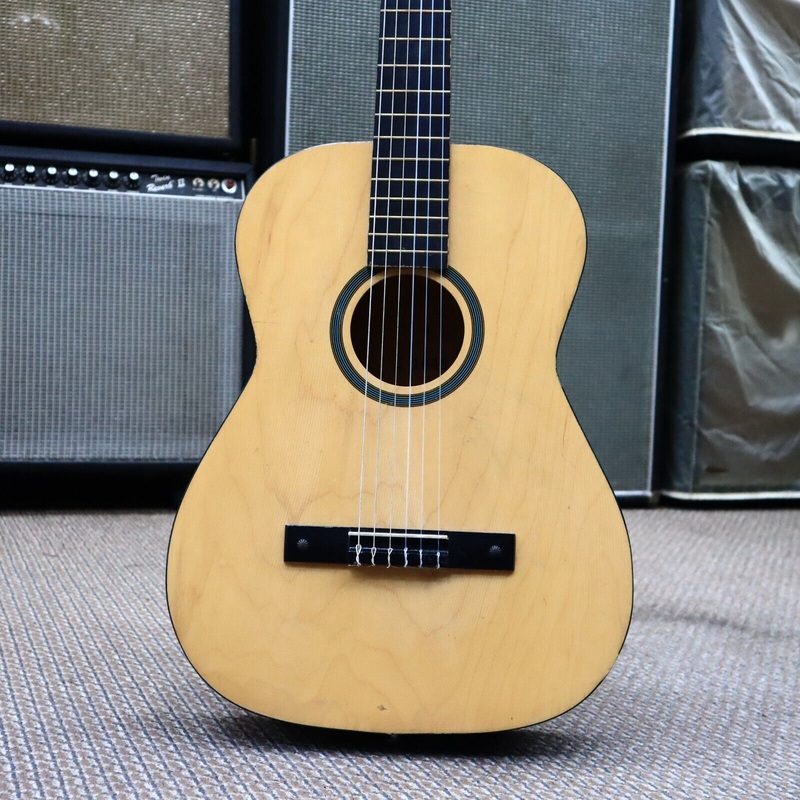
An acoustic guitar is made mainly from wood. Its body includes a thin top, a back, sides, internal braces, and a neck. The body acts as an acoustic chamber that increases the volume of the vibrating strings.
Acoustic guitar body
The body usually contains these parts:
| Part | Common materials | Main purpose |
|---|---|---|
| Top or soundboard | Spruce, cedar, mahogany, maple | Creates most of the guitar’s acoustic vibration |
| Back | Rosewood, mahogany, maple, walnut, ovangkol | Reflects and colors sound |
| Sides | Rosewood, mahogany, maple, walnut, ovangkol | Forms the body chamber |
| Bracing | Spruce, cedar, mahogany, or carbon fiber | Supports the top and controls its movement |
| Soundhole reinforcement | Wood or composite material | Strengthens the area around the soundhole |
| Binding | Wood, plastic, or fiber | Protects and decorates body edges |
The top, also called the soundboard, has the greatest effect on an acoustic guitar’s response. Spruce is common because it is light and stiff. Cedar is also used and often responds well to a lighter playing touch. Mahogany and maple tops create a different balance of warmth, clarity, and attack.
The back and sides help shape the sound, but they do not work alone. Body size, bracing pattern, top thickness, bridge design, and finish also affect volume and tone.
Acoustic guitar neck
An acoustic guitar neck is commonly made from:
- Mahogany
- Maple
- Spanish cedar
- Walnut
- Multi-piece wood laminates
The neck may contain a truss rod, which is a metal rod inside the neck. The rod allows a technician to adjust the neck’s curve and counteract the pull of the strings.
Some guitars use carbon fiber or other reinforcement rods in addition to, or instead of, traditional wood construction. These materials can improve stability, especially when temperature and humidity change.
Acoustic guitar fingerboard
The fingerboard, also called the fretboard, is usually made from:
- Rosewood
- Ebony
- Maple
- Pau ferro
- Walnut
- Composite materials
A fingerboard must resist wear from the player’s fingers and frets. Ebony is dense and hard. Rosewood has a naturally oily surface and is widely used. Maple is often finished or sealed, which helps protect its lighter surface.
Acoustic guitar bridge, nut, and saddle
The bridge is often made from rosewood or ebony. It holds the saddle and transfers string vibration to the soundboard.
The nut sits at the end of the fingerboard near the headstock. The saddle sits in the bridge. Both may be made from:
- Bone
- Synthetic bone
- Plastic
- Tusq or other engineered materials
- Brass on some specialty guitars
These parts guide the strings and affect string height, spacing, and vibration transfer. Bone is valued for its hardness, but a well-made synthetic part can also work reliably.
Acoustic guitar strings
Acoustic steel-string guitars usually use steel strings with a metal wrap. Common winding materials include:
- Phosphor bronze
- 80/20 bronze
- Nickel alloys
- Stainless steel
- Coated metal materials
A steel-string acoustic guitar should not be fitted with random string types without checking its design. Classical guitars use nylon or composite treble strings and wound bass strings. Putting high-tension steel strings on a guitar built for nylon strings can damage the neck or bridge.

What Is an Electric Guitar Made Of?
An electric guitar usually has a solid, semi-hollow, or hollow body. It still uses wood for many major parts, but its sound depends heavily on magnetic pickups, strings, wiring, and amplification.
Electric guitar body
Common electric guitar body woods include:
- Alder
- Ash
- Mahogany
- Maple
- Basswood
- Poplar
- Korina
- Walnut
- Paulownia
A solid-body electric guitar has no large acoustic chamber. The body mainly supports the neck, bridge, pickups, controls, and hardware. Its mass and construction can affect sustain, balance, resonance, and comfort.
A semi-hollow guitar has internal chambers and often a solid center block. A hollow-body guitar has a larger open cavity and may use carved or laminated wood plates.
Some electric guitars use:
- Laminated wood
- Plywood
- Veneers
- Chambered wood
- Carbon fiber
- Acrylic or other synthetic materials
The material name alone does not predict the sound. Two guitars made from the same species can sound different because of body thickness, construction, pickups, strings, setup, and the amplifier.
Electric guitar neck and fingerboard
Electric guitar necks are often made from maple, mahogany, or laminated wood. The fingerboard may use maple, rosewood, ebony, pau ferro, or synthetic materials.
Many electric guitar necks have a metal truss rod. Some also use graphite or carbon reinforcement. These parts help the neck remain straight under string tension.
Electric guitar pickups
A magnetic guitar pickup usually contains:
- A magnet or magnets
- Fine copper wire
- A coil or coils
- A bobbin or housing
- Metal pole pieces in some designs
- A cover in some models
Common pickup magnets include:
- Alnico
- Ceramic
- Neodymium
A pickup does not record the full acoustic sound of the guitar. It senses changes in a magnetic field caused by vibrating steel or nickel-based strings. The signal then travels through the guitar cable to an amplifier or other device.
Some electric guitars use piezo pickups instead. These use a piezoelectric material under the bridge to detect pressure and vibration. They are common in acoustic-electric guitars and some solid-body instruments.
Electric guitar hardware
Electric guitar hardware may include:
- Steel or zinc-alloy bridge
- Steel tuning machines
- Brass or steel saddles
- Aluminum tailpiece
- Plastic or metal control knobs
- Plastic, metal, or composite pickguard
- Nickel, chrome, gold, or black protective plating
- Steel screws and springs
Hardware material affects strength, corrosion resistance, weight, and appearance. Plated parts can wear over time, especially where the player’s hand contacts them.

What Are Guitar Strings Made Of?
Guitar strings are made from different metals or synthetic materials, depending on the guitar.
Steel guitar strings
Electric guitar strings usually have a steel core. The outer winding may be nickel-plated steel, pure nickel, stainless steel, or another alloy.
Acoustic steel strings often use a steel core with bronze-based winding. The most common types are:
- 80/20 bronze: Usually bright and clear when new
- Phosphor bronze: Often produces a warmer, balanced sound
- Silk and steel: Uses a softer construction for lower tension and a gentler feel
String coating can slow corrosion. However, coated strings may feel different and can cost more.
Nylon guitar strings
Classical guitars use nylon or advanced synthetic materials for the treble strings. Their bass strings usually have a nylon or composite core wrapped in silver-plated copper or another metal.
Nylon strings have much lower tension than steel strings. This is one reason classical guitars use different bracing, bridge designs, and neck construction.
What changes when you change string material?
String material can change:
- Brightness
- Warmth
- Sustain
- Finger feel
- Tuning stability
- Corrosion resistance
- Tension
- Volume
Always match the string type and tension to the guitar’s design. The manufacturer’s specifications are the safest starting point.

What Are Guitar Frets Made Of?
Guitar frets are usually made from a nickel-silver alloy. Despite its name, nickel silver contains no actual silver. It is mainly copper, nickel, and zinc.
Some modern guitars use stainless steel frets. Stainless steel is harder and can last longer, but it may require different tools and techniques during installation or leveling.
Frets must be shaped and installed accurately. Poor fret work can cause:
- Buzzing
- Dead notes
- Uneven volume
- Difficult bending
- Intonation problems
The fret material is only one factor. Fret height, crown shape, installation quality, and fingerboard condition matter just as much.

What Are Guitar Finishes Made Of?
A guitar finish protects the wood and gives the instrument its appearance. It also affects the feel of the neck and the way the body responds to changes in humidity.
Common guitar finishes include:
Nitrocellulose lacquer
Nitrocellulose lacquer has been used on many older and vintage-style guitars. It can be applied in thin layers and may develop checking or color changes as it ages.
It is more sensitive to some solvents, heat, and storage conditions than many modern finishes.
Polyurethane and polyester
Polyurethane and polyester finishes are common on modern guitars. They can provide strong resistance to scratches, moisture, and general wear.
These finishes may be thicker than some lacquer finishes, but thickness varies by manufacturer and instrument. It is not accurate to assume that every thin finish sounds better or that every thick finish sounds worse.
Oil and wax finishes
Some guitar necks and bodies use oil or wax finishes. These finishes can create a natural-feeling surface, but they may require more care and periodic reapplication.
Never use a household cleaner, furniture polish, or solvent on a guitar unless the guitar maker says it is safe. Some products can damage lacquer, soften plastic, or stain unfinished wood.

What Glues and Adhesives Are Used in Guitars?
Guitar makers use several types of adhesive because different joints have different needs.
Common choices include:
- Animal hide glue: Used in some traditional and high-end construction
- Aliphatic resin glue: Commonly known as wood glue
- Polyvinyl acetate glue: Used for many wood joints
- Epoxy: Used for repairs, inserts, and certain composite parts
- Cyanoacrylate: Used carefully for small repairs and finish work
- Contact adhesives: Used for some binding and overlays
The best adhesive depends on the joint, wood, repair method, and need for future service. A strong glue is not automatically the right glue. For example, an adhesive that is difficult to remove can make later repairs more complex.
Bridge lifting, loose braces, cracked tops, and neck joint problems should usually be handled by a qualified guitar repair technician.
Do Different Woods Really Change a Guitar’s Sound?
Yes, materials can influence a guitar’s sound, but wood species do not act alone.
A guitar’s sound also depends on:
- Body shape and size
- Top thickness
- Bracing design
- Neck joint
- Bridge construction
- String type
- Pickup design
- Electronics
- Amplifier settings
- Playing technique
- Room acoustics
For an acoustic guitar, the top and bracing have a major role because they control how efficiently the instrument moves air. For an electric guitar, the pickup and amplifier often have a larger effect on the final amplified sound than small differences between common body woods.
This does not mean body wood is irrelevant. It can affect weight, resonance, balance, sustain, and how the guitar feels. It means material claims should be treated as part of a larger system rather than as a simple formula.
Guitar Materials: Natural Wood Versus Synthetic Materials
Natural wood remains the most common guitar material, but synthetic materials have useful advantages.
| Material type | Benefits | Possible limits |
|---|---|---|
| Solid wood | Distinct appearance and acoustic response | Sensitive to humidity and may cost more |
| Laminated wood | Stable, affordable, and resistant to some movement | May respond differently from solid wood |
| Carbon fiber | High strength and good resistance to moisture changes | Different feel, sound, and repair needs |
| Plastic or composite | Consistent shape and low maintenance | May not suit every player’s feel or tone preference |
| Acrylic | Bold appearance and easy cleaning | Can be heavy and may scratch |
| Reclaimed wood | Uses existing material and can provide unique character | Supply, stability, and condition vary |
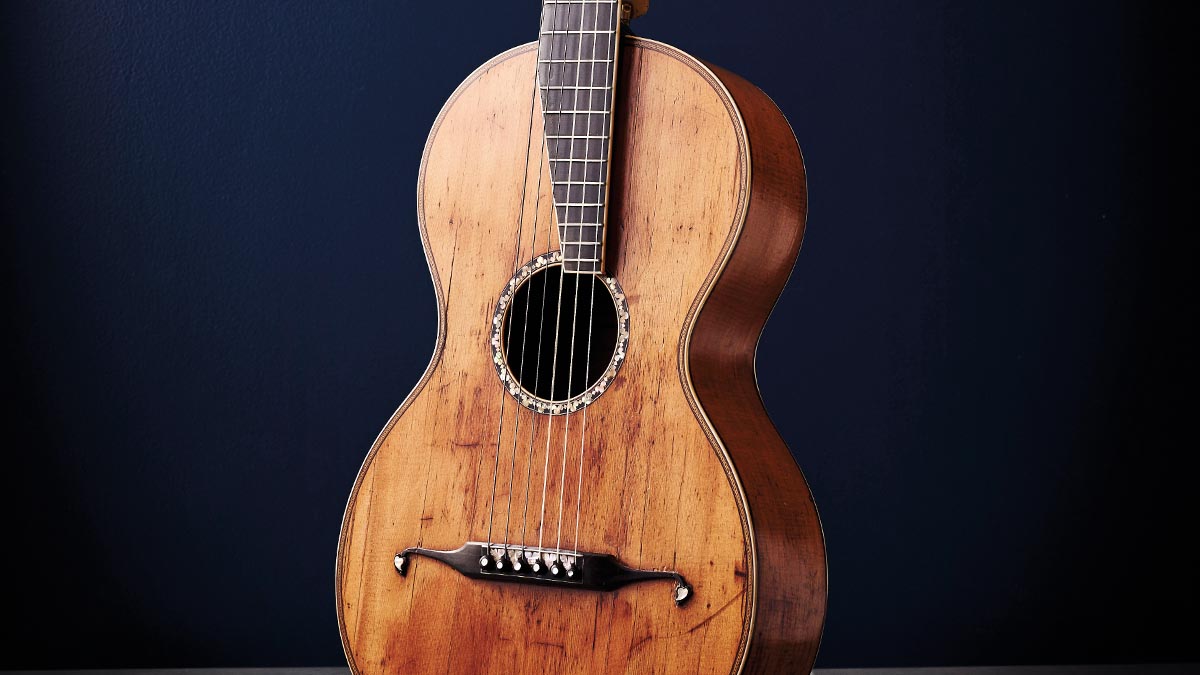
Some acoustic guitars use laminated backs and sides with a solid top. This can be a practical design because the top remains responsive while the laminated parts add stability and reduce cost.
A synthetic guitar is not automatically better or worse. The useful question is whether its material fits the player’s climate, care habits, budget, sound goals, and repair options.

How Climate Affects Guitar Materials
Wood absorbs and releases moisture from the air. This makes humidity one of the biggest care concerns for wooden guitars.
Very dry conditions can contribute to:
- Sharp fret ends
- Cracks in the top or back
- Lowered action
- A loose bridge
- Shrinking parts
- Finish damage
Excessive humidity can contribute to:
- High action
- A swollen top
- Dull response
- Loose glue joints
- Mold or odor in severe cases
The exact safe range depends on the manufacturer, construction, and local conditions. Many guitar makers recommend keeping a wooden guitar in a moderate, stable indoor environment rather than exposing it to rapid changes.
Do not leave a guitar in a hot car, near a radiator, in direct sun, or in a damp garage. A hard case, room monitor, and suitable humidification system can help, but a humidifier should be used carefully. Too much moisture can cause its own problems.

How to Identify What Your Guitar Is Made Of
You can often identify the main materials without taking the guitar apart.
- Check the manufacturer’s specifications. Look for terms such as solid spruce, mahogany neck, maple fingerboard, or laminated construction.
- Inspect the soundhole or control cavity. Acoustic guitar labels may list the model and construction details.
- Look at the end grain. On an acoustic guitar, the edge of the soundhole may help show whether the top is solid or laminated, but this is not always conclusive.
- Check the bridge, nut, and saddle. Their color and grain can offer clues, though synthetic materials may resemble bone or wood.
- Look for seams and layers. Laminated wood may show multiple layers along an exposed edge.
- Ask a qualified repair shop. A technician can identify construction details without causing damage.
Avoid sanding, scraping, drilling, or removing a finish simply to identify a wood species. Visual identification is often uncertain, even for experienced builders. A manufacturer record or professional inspection is more reliable.

Common Mistakes About Guitar Materials
“The most expensive wood always sounds best.”
Price does not prove that a certain wood will sound better to every player. Construction quality, setup, strings, and the player’s technique also matter.
“An acoustic guitar must be made entirely from solid wood.”
Many good acoustic guitars use laminated wood for the back and sides. Some use a solid top with laminated sides and back. Construction type is a design choice, not a simple quality label.
“A heavy electric guitar always has more sustain.”
Weight can affect balance and feel, but sustain also depends on the neck joint, bridge, frets, strings, setup, and construction.
“Any strings will work on any guitar.”
String type and tension must match the guitar. Classical guitars, steel-string acoustics, and electric guitars are not interchangeable in every case.
“Oil makes every fingerboard healthier.”
Some fingerboards need occasional conditioning, while finished maple fingerboards may need a different care method. Too much oil can collect dirt or damage nearby parts.
“Home repairs are safe because guitars are small.”
A guitar can suffer permanent damage from excess heat, incorrect glue, aggressive polishing, or the wrong truss-rod adjustment. Stop if a repair requires force or if you are unsure which material or finish is present.

Frequently Asked Questions
Are guitars made from real wood?
Many guitars use real wood, but not all parts are wooden. A typical guitar may combine wood, metal, plastic, adhesives, finishes, electronics, and composite materials.
What is the best wood for a guitar?
There is no single best wood for every guitar. Spruce is common for acoustic tops, while mahogany, maple, alder, ash, and other woods are used in different designs. The best choice depends on the guitar type, sound, weight, climate, and player preference.
Are electric guitars made of metal?
Most electric guitars have a wooden or composite body and neck. They contain many metal parts, including strings, frets, bridges, tuning machines, magnets, screws, and wiring.
What is the difference between solid wood and laminate guitars?
Solid wood uses a single piece or solid layers of wood for a part. Laminate uses thin layers bonded together. Solid wood may offer a particular acoustic response, while laminate can improve stability, consistency, and affordability.
Can I clean a guitar with household furniture polish?
Do not use furniture polish unless the guitar manufacturer confirms that it is safe for the finish. Use a clean, soft guitar cloth and a product designed for the specific finish when cleaning is needed.
Conclusion
A guitar is a carefully balanced combination of materials. Wood forms much of the body and neck, metal provides strings and hardware, plastics and composites support smaller parts, and adhesives and finishes hold and protect the instrument.
For acoustic guitars, the soundboard and bracing are central to how the instrument produces sound. For electric guitars, pickups, strings, electronics, and amplification are equally important. The material list is useful, but construction and setup determine how those materials work together.
Before buying, repairing, or changing strings, check the guitar maker’s specifications. If the instrument has cracks, a lifting bridge, severe neck movement, or finish damage, have it inspected by a qualified repair technician.

Senior Music Reviewer
Alex Carter is a seasoned music reviewer with over a decade of experience in the world of sound and instruments. Passionate about helping musicians and enthusiasts make informed choices, he brings sharp insights and in-depth knowledge to every review. From classical instruments to modern gear, Alex combines technical expertise with a love for music to deliver content that resonates with readers.
As a Senior Music Reviewer and expert author on Tuneluma.com, Alex is dedicated to sharing honest evaluations, practical advice, and thoughtful commentary to guide readers in their musical journey.