How Much Do Strings For A Guitar Cost: Price Guide
Most guitar strings cost $5 to $15 per set, while premium, coated, and specialty sets can cost $20 or more.
Knowing how much do strings for a guitar cost helps you plan basic maintenance without overspending. Prices depend on the guitar type, string material, brand, coating, and where you buy them. In this guide, you’ll learn what to expect, which strings offer the best value, and how to choose the right set for your playing style.
How Much Do Strings for a Guitar Cost?
For most players in the United States, how much do strings for a guitar cost comes down to the type of guitar and the quality of the set. A standard pack usually costs between $5 and $15. Higher-end sets may cost $15 to $25 or more.
Here is a simple price guide:
| Guitar string type | Typical price per set |
|---|---|
| Budget acoustic strings | $4 to $8 |
| Standard acoustic strings | $7 to $15 |
| Premium acoustic strings | $15 to $25 |
| Budget electric strings | $5 to $9 |
| Standard electric strings | $7 to $14 |
| Coated electric strings | $12 to $20 |
| Classical nylon strings | $6 to $18 |
| Seven-string guitar sets | $9 to $18 |
| Twelve-string guitar sets | $10 to $25 |
| Baritone guitar strings | $10 to $20 |
These prices reflect common U.S. retail ranges. Sales, bundles, local store prices, and shipping can change the final cost. Some professional players also buy strings in bulk, which may lower the price per set.
The cheapest set is not always the best deal. A string set that lasts twice as long may offer better value than a low-cost set that loses tone after a few days.

What Affects the Cost of Guitar Strings?
Several factors explain how much do strings for a guitar cost. The materials, design, brand, and production process all affect the final price.
Guitar type
Acoustic, electric, and classical guitars use different strings. Acoustic guitar strings often use bronze or phosphor bronze wire. Electric guitar strings commonly use nickel-plated steel. Classical guitars use nylon or composite treble strings with wound bass strings.
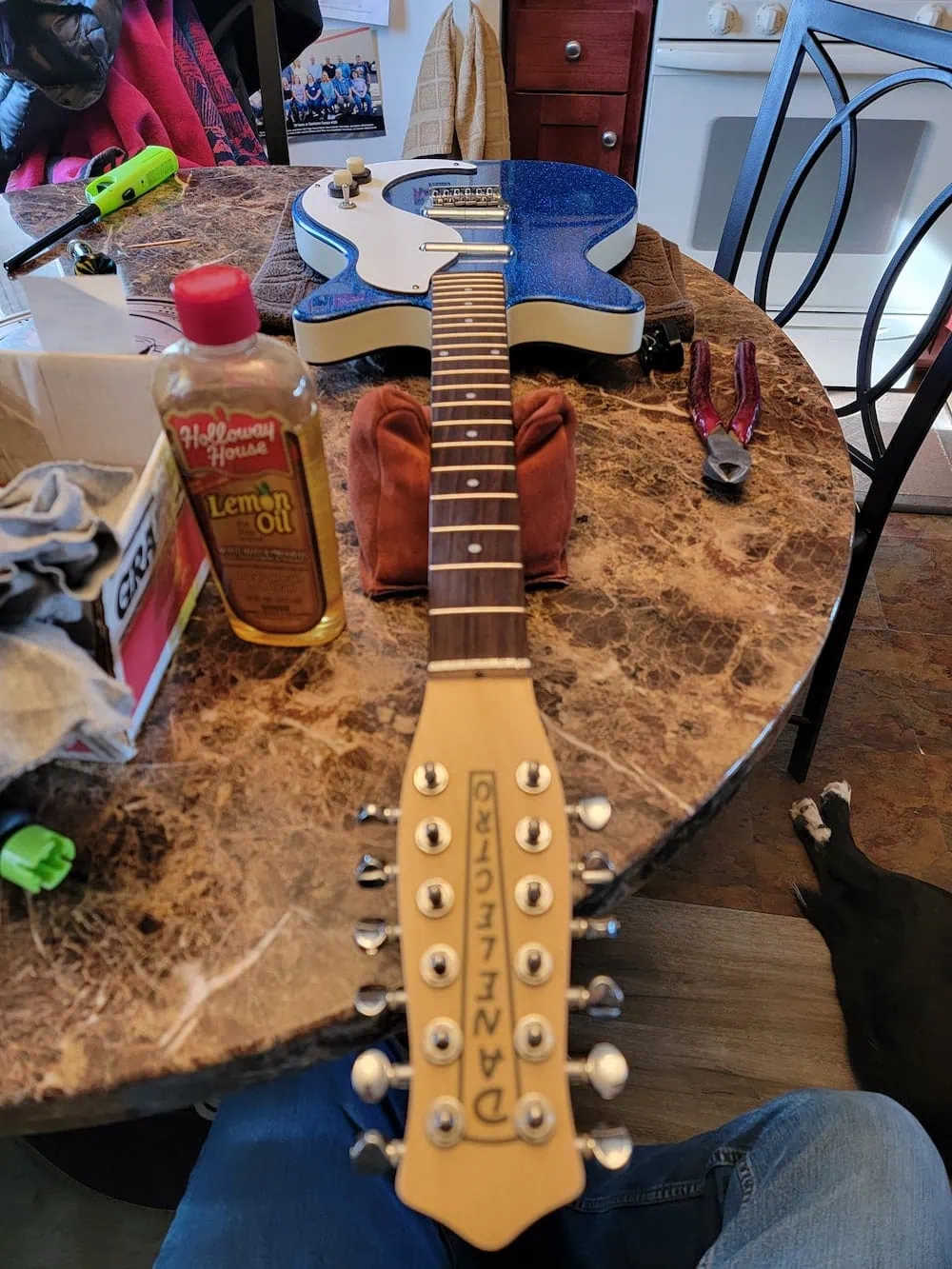
A set made for a twelve-string guitar costs more because it contains twice as many strings. A seven-string electric set also costs more than a standard six-string set.
String material
String material changes both the sound and the price.
• 80/20 bronze strings often sound bright and crisp.
• Phosphor bronze strings have a warmer and more balanced tone.
• Nickel-plated steel strings are common on electric guitars.
• Pure nickel strings tend to sound smooth and vintage-inspired.
• Stainless steel strings may feel bright and resist some forms of corrosion.
• Nylon strings are used on classical and some folk guitars.
Special materials usually cost more because they require different manufacturing methods.
Coating
Coated strings have a thin protective layer that helps block sweat, oil, and dirt. These strings often last longer, but the coating raises the price.
A regular electric guitar string set may cost $7 to $10. A coated version from the same brand may cost $12 to $20. For players with sweaty hands, frequent gigs, or acidic skin chemistry, coated strings can be worth the extra money.
String gauge
Gauge means the thickness of each string. Light, medium, and heavy sets may cost about the same, but unusual gauges can cost more.
Common electric guitar gauges include:
• Extra light: .008 to .038
• Light: .009 to .042
• Regular light: .010 to .046
• Medium: .011 to .049
Acoustic guitar gauges often range from extra light to medium. Heavier strings can produce more volume and low-end power, but they also create more tension.
Brand and manufacturing quality
Well-known brands often charge more for consistent materials, quality control, packaging, and research. That does not mean every expensive set sounds better on every guitar. Your instrument, playing style, and personal taste matter just as much.
Retail location
You may pay different prices at a local music store, large online retailer, or direct-from-brand website. Local stores may charge slightly more, but they offer useful advice and immediate help if you need the strings today.

Guitar String Prices by Guitar Type
The answer to how much do strings for a guitar cost becomes clearer when you look at each guitar category.
Acoustic guitar strings
Acoustic string sets usually cost $5 to $20. A basic 80/20 bronze or phosphor bronze set often sits near the middle of that range.
Acoustic players may choose between:
• 80/20 bronze for a bright, clear sound
• Phosphor bronze for a warmer and longer-lasting tone
• Silk and steel for lower tension and a softer feel
• Coated strings for longer life
A beginner can usually get a reliable acoustic set for $7 to $12. Premium coated sets often cost $15 to $25.
Electric guitar strings
Electric guitar strings usually cost $5 to $20 per set. Standard nickel-plated steel sets are often the most affordable and widely available.
Electric players may choose:
• Nickel-plated steel for a balanced modern tone
• Pure nickel for a softer vintage tone
• Stainless steel for a bright tone and smooth bending
• Flatwound strings for a mellow sound and low finger noise
Flatwound and specialty sets often cost more than standard roundwound strings.
Classical guitar strings
Classical guitar strings generally cost $6 to $18. The bass strings use a nylon or synthetic core with metal winding, while the treble strings may use clear nylon, rectified nylon, or composite materials.
Advanced players sometimes pay more for carbon trebles or high-tension sets. Beginners usually do well with a standard normal-tension nylon set.
Twelve-string guitar strings
Twelve-string sets commonly cost $10 to $25. They contain twice as many strings and require more material.
Twelve-string guitars also place more tension on the neck. Always choose a set designed for your instrument and avoid replacing it with random individual strings unless you understand the correct gauges.

How Often Should You Replace Guitar Strings?
String replacement frequency affects the real answer to how much do strings for a guitar cost. A casual player may replace strings every two to three months. A frequent player may need a new set every two to six weeks.
Consider changing your strings when:
• The tone sounds dull or lifeless
• The strings feel rough or rusty
• Tuning becomes less stable
• The strings develop visible discoloration
• Fretting feels harder than usual
• You notice flat spots or kinks
• The guitar no longer sounds balanced
Professional musicians may change strings before every show. That can seem expensive, but fresh strings provide predictable tone and tuning during important performances.
A casual player who buys a $10 set every three months spends about $40 per year. A gigging player who buys a $15 set every month spends about $180 per year. Your playing schedule matters more than the price of one package.

Are Expensive Guitar Strings Worth It?
Whether premium strings are worth the cost depends on your needs. More expensive strings may offer better consistency, longer life, improved corrosion resistance, or a specific tone.
Premium strings can make sense if you:
• Play several times per week
• Perform live
• Sweat heavily while playing
• Want a particular vintage or modern tone
• Dislike changing strings often
• Need stable tuning for recording
Budget strings can be the smarter choice if you are still learning, testing different gauges, or playing only once in a while. A beginner does not need the most expensive coated set to make progress.
In my experience helping guitar players compare string sets, the biggest mistake is buying based only on price. A low-cost set with the wrong gauge can feel uncomfortable, buzz badly, or make a guitar harder to play. The right gauge and material usually matter more than a few extra dollars.

Coated vs. Uncoated Guitar Strings
Coated strings are more expensive, but they can last longer. The coating helps protect the metal from air, moisture, sweat, and skin oils.
Benefits of coated strings
• Longer usable life
• Better resistance to corrosion
• Smoother feel for some players
• Less frequent string changes
• Useful for people with sweaty hands
Limitations of coated strings
• Higher purchase price
• Some players dislike the slick feel
• The tone may sound slightly less raw
• The coating can wear at picking points
Uncoated strings often have a more direct, lively sound. They also cost less, which makes them useful for players who enjoy changing strings often.
Think of coated strings like a rain jacket. They add protection, but the extra layer changes the feel slightly. Neither option is automatically better.

How to Choose the Right Guitar Strings
The best way to decide how much do strings for a guitar cost is to match your purchase to your instrument and playing habits.
1. Check your guitar type
Confirm whether you need acoustic, electric, classical, baritone, seven-string, or twelve-string sets. Never assume that all guitar strings are interchangeable.
2. Start with the current gauge
Look at the package of your current strings or check the guitar manufacturer’s recommendation. A major gauge change can affect neck relief, action, intonation, and tuning.
3. Choose a suitable material
Pick bronze or phosphor bronze for an acoustic guitar. For electric guitar, start with nickel-plated steel unless you want a special tone.
4. Consider your hands
If your hands sweat a lot, coated or corrosion-resistant strings may last longer. If you have sensitive fingers, lighter gauges may feel easier at first.
5. Think about your sound
Bright strings can add sparkle to a dark-sounding guitar. Warm strings may help control an overly sharp or thin tone.
6. Buy one or two sets first
Do not buy a large bulk pack until you know you like the strings. Your guitar may respond very differently from another instrument.
One lesson I have seen repeatedly is that string choice is personal. Two players can use the same guitar and prefer completely different sets. Testing a few affordable options is often more useful than trusting a single online opinion.
Ways to Save Money on Guitar Strings
If how much do strings for a guitar cost feels higher than expected, a few simple habits can reduce your yearly spending.
• Buy multipacks when you already know the set works for you.
• Compare the final price, including shipping.
• Watch for holiday and clearance sales.
• Clean your strings after playing.
• Wash and dry your hands before you play.
• Store spare sets in a cool, dry place.
• Avoid changing strings before every practice session unless needed.
• Use a string winder and cutter to make changes faster.
Wiping strings with a clean, dry cloth after playing can remove sweat and oils. Do not use household cleaners or harsh chemicals on guitar strings. Follow the care instructions from the string maker.
Saving money should not mean keeping dead strings on your guitar forever. Old strings can make practice less enjoyable and may cause you to press harder than needed.

Common Mistakes When Buying Guitar Strings
Many players ask how much do strings for a guitar cost but overlook compatibility. The wrong set can cause more trouble than the price suggests.
Avoid these mistakes:
• Buying electric strings for an acoustic guitar
• Using steel strings on a classical guitar
• Changing to heavy strings without a setup
• Choosing a very light gauge because it is cheaper
• Ignoring the number of strings your guitar needs
• Buying old or damaged packages
• Assuming every premium string lasts equally long
Steel strings can damage a classical guitar because classical instruments are not built for the same tension. Likewise, heavy acoustic strings may make a guitar feel stiff and may require a truss rod or setup adjustment.
If you are unsure, take a photo of your current package to a music store. A staff member can usually identify the correct replacement in minutes.
How Much Does It Cost to Have Guitar Strings Changed?
Changing strings yourself usually costs only the price of the set. If a music shop changes them, labor may cost about $10 to $30, depending on the store and the guitar.
A full setup costs more. Basic guitar setups commonly range from $50 to $100 or more. That service may include adjusting the truss rod, bridge, action, and intonation.
You do not need a professional setup every time you change strings. However, a setup can help if you change string gauge, buy a used guitar, or notice buzzing and tuning problems.
For beginners, learning to change strings can save money over time. The first attempt may feel awkward, but the process becomes simple with practice. Watch for the correct winding direction and leave enough slack for clean tuning.
Frequently Asked Questions About How Much Do Strings for a Guitar Cost
How much do beginner guitar strings cost?
Beginner guitar strings usually cost $5 to $12 per set. A standard set from a reliable brand is often a better choice than the cheapest option because it should provide more consistent tuning and tone.
How much do electric guitar strings cost?
Electric guitar strings commonly cost $5 to $20 per set. Standard nickel-plated steel sets are usually the least expensive, while coated, flatwound, and specialty sets cost more.
How much do acoustic guitar strings cost?
Acoustic guitar strings generally cost $5 to $25 per set. Most players can find a dependable phosphor bronze or 80/20 bronze set for about $7 to $15.
How long do guitar strings last?
Guitar strings may last from a few weeks to several months. Playing time, sweat, cleaning habits, string material, and storage conditions all affect their lifespan.
Are coated guitar strings worth the extra money?
Coated strings can be worth the extra cost if you play often or your hands cause strings to corrode quickly. Casual players may prefer uncoated strings because they cost less and often feel more natural.
Can I use any strings on my guitar?
No. Acoustic, electric, classical, baritone, and extended-range guitars need compatible string sets. Check the guitar maker’s recommendations before changing string type or gauge.
Is it cheaper to buy guitar strings in bulk?
Bulk packs can lower the cost per set, but only buy them after confirming that you like the brand, gauge, and material. Otherwise, you may spend more on strings you do not enjoy using.
Conclusion
So, how much do strings for a guitar cost? Most players should expect to pay $5 to $15 for a standard set, while coated, premium, twelve-string, and specialty sets may cost $20 or more.
The best value comes from choosing the correct guitar string type, gauge, and material for your instrument. Start with a reliable mid-priced set, track how long it lasts, and change it when the tone and feel begin to fade.
Try one new set during your next string change and note the sound, comfort, tuning stability, and lifespan. Share your results with other players or explore more guitar maintenance guides to keep your instrument playing its best.

Senior Music Reviewer
Alex Carter is a seasoned music reviewer with over a decade of experience in the world of sound and instruments. Passionate about helping musicians and enthusiasts make informed choices, he brings sharp insights and in-depth knowledge to every review. From classical instruments to modern gear, Alex combines technical expertise with a love for music to deliver content that resonates with readers.
As a Senior Music Reviewer and expert author on Tuneluma.com, Alex is dedicated to sharing honest evaluations, practical advice, and thoughtful commentary to guide readers in their musical journey.