Introduction
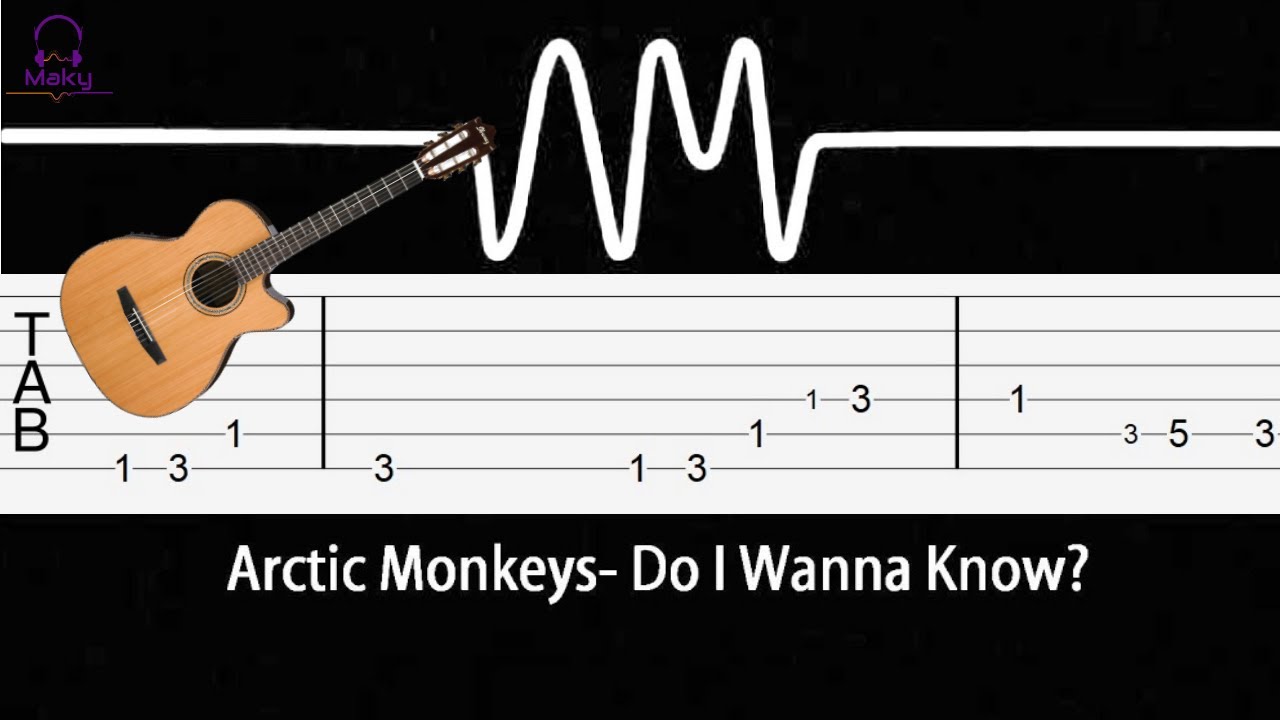
For guitarists in the United States, the easiest way to play “Do I Wanna Know?” by Arctic Monkeys is to use a short chord loop in G minor: Gm, F, and E♭. The song uses a slow, heavy groove, so the timing, muting, and repeated main riff matter more than playing many different chords.
This guide shows the chord shapes, a simple strumming pattern, the famous opening riff, and ways to make the part sound closer to the studio recording. It does not include the song’s copyrighted lyrics.

Chords Used in “Do I Wanna Know?”
The main chord progression is:


Gm – F – E♭
Most beginner and intermediate chord charts reduce much of the song to this three-chord loop. Some arrangements add passing notes or bass movement, but the core harmony stays simple.
| Chord | Notes in the chord | Common guitar shape |
|---|---|---|
| G minor | G–B♭–D | 355333 |
| F major | F–A–C | 133211 |
| E♭ major | E♭–G–B♭ | x68886 |
These are standard-tuning shapes. The numbers run from the low E string to the high E string.
Full barre chord shapes
The most direct version uses barre chords:
Gm   3 5 5 3 3 3
F    1 3 3 2 1 1
Eb   x 6 8 8 8 6
The number means the fret to hold. An x means do not play that string.
For example, the Gm shape uses the third fret as the barre fret. Place your first finger across all six strings, then use your other fingers to form the rest of the chord.
Easier chord shapes
If full barre chords feel difficult, try these smaller shapes:
Gm   x x 5 3 3 3
F    x x 3 2 1 1
Eb   x x 1 3 4 3
These shapes avoid the lowest strings. That can make the changes easier, but they may sound thinner than the full shapes.
A useful middle option is to play only the lowest three or four strings. This creates a darker sound and helps you focus on the groove.
How to Play the Chord Progression
Start with one chord for each section of the groove:


| Gm | F | Eb | Eb |
Then repeat the pattern. Keep each chord steady before trying to copy the song’s rhythmic feel.
Step-by-step practice method
- Tune the guitar to standard tuning: E–A–D–G–B–E.
- Form the Gm chord and check that each note rings clearly.
- Move to F without stopping the beat.
- Move from F to E♭.
- Repeat the three-chord cycle slowly.
- Add muted strums once the chord changes feel comfortable.
- Increase the speed only when the groove stays even.
The progression is not hard because of the number of chords. It is hard because the song leaves space between strong hits. A rushed strum can remove the tension that gives the part its sound.
A simple timing exercise
Count four beats per bar:
1   2   3   4
Gm  -   -   -

1   2   3   4
F   -   -   -

1   2   3   4
Eb  -   -   -
Play one controlled downstroke on beat 1 at first. When that feels stable, add a second hit on beat 3.
Use a metronome at a slow speed. A clean, relaxed pulse is more useful than trying to match the recording immediately.

The Main “Do I Wanna Know?” Guitar Riff
The opening guitar part is a riff rather than a simple block-chord pattern. It centers on the G minor sound and uses repeated, low-register notes with slides and pauses.
A basic way to learn the idea is:
- Start around the third fret.
- Focus on the low E and A strings.
- Use short, controlled notes.
- Let some notes ring into the next beat.
- Add slides only after the rhythm feels correct.
- Use light palm muting for a thick, restrained tone.
The exact tab can vary between arrangements because players may combine the main guitar part with bass notes. For that reason, chord names are more reliable for accompaniment, while the riff needs to be learned by ear or from a properly licensed transcription.
Riff practice without full tab
You can build the feel with this simplified exercise:
Low G note → pause → low G note → short move upward
Keep the notes separate rather than letting every note ring together. The riff should feel deliberate and slightly behind the beat, not busy.
Try playing the chord progression first. Then replace the Gm chord with a few single notes from the G minor scale:
G minor notes:
G – A – B♭ – C – D – E♭ – F
You do not need to play the entire scale. The goal is to hear how the riff fits over the Gm harmony.
Picking and muting
Use alternate picking if you play the riff one note at a time. For heavier notes, pick with a firm downstroke and rest the side of your picking hand lightly on the bridge area.
Too much palm pressure will make the notes disappear. Too little pressure may make the part sound loose and bright. Adjust until the notes stay clear but short.


Strumming Patterns for Beginners
The song works best with a restrained strumming pattern. Start with:
Down — Down —
1    2    3    4
Play the first downstroke with more weight, then keep the second stroke lighter. Let the empty spaces remain empty.
Once that feels natural, try:
D   -   D U   - U
1   2   3 &   4 &
Here, D means downstroke and U means upstroke. Do not force every stroke to be loud. The rests are part of the pattern.
Add muted strokes
Muted strokes can supply the steady pulse between the main chord hits:
D x D U x U
The x means mute the strings with your fretting hand. Relax the fingers without lifting them fully away from the strings. This stops the notes while keeping the rhythm moving.
The most useful strumming rule
If the chord changes sound correct but the song still does not feel right, reduce the number of strums. “Do I Wanna Know?” depends on space, weight, and repetition. A simple pattern played with control will sound closer than a complicated pattern played continuously.

Chord Voicings That Sound Darker
Full barre chords provide a strong foundation, but smaller voicings can sound more controlled.
Try these upper-string shapes:
Gm   x x 12 12 11 10
F    x x 10 10 10 8
Eb   x x 8  8  8  6
These shapes sit higher on the neck and can work well for a second guitar. They are not required for a basic performance.
You can also use power chords:
G5   3 5 5 x x x
F5   1 3 3 x x x
Eb5  x 6 8 8 x x
Power chords remove the major or minor third. That means they do not clearly sound major or minor on their own. They can still work in a band setting, especially when the bass or another guitar supplies the missing harmony.
Which version should you use?
| Goal | Best option |
|---|---|
| Beginner practice | Easier three- or four-string shapes |
| Full solo guitar sound | Barre chords |
| Heavy rhythm part | Power chords |
| Cleaner second-guitar part | Higher-neck voicings |
| Main riff reproduction | Single-note picking |
The deciding factor is not difficulty alone. Choose the shape that lets you keep the rhythm steady and the notes clean.


Tone and Effects
A similar tone begins with a solid, slightly dirty guitar sound. You do not need expensive equipment to practice the song.
Start with:
- Moderate gain
- A firm pick attack
- Controlled bass
- Clear mids
- A small amount of room or plate reverb
- Limited delay
Too much distortion can blur the chord changes. Too much reverb can hide the pauses. The part needs enough grit to sound thick, but the rhythm must remain easy to hear.
Guitar and pickup choices
A bridge pickup can give the riff more bite. A neck pickup can make the chords warmer and rounder. If the bridge pickup sounds harsh, lower the guitar’s tone control slightly or reduce the amplifier’s treble.
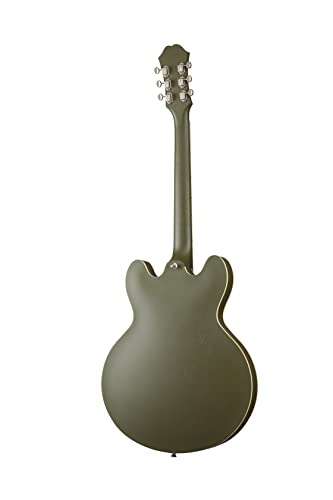
There is no single required guitar model. The hands, pick attack, muting, and amplifier settings have a greater effect on the part than the brand of guitar.
A simple amp setup
Use this as a starting point:
Gain:    low to medium
Bass:    medium
Middle:  medium to high
Treble:  low to medium
Reverb:  low
These are starting positions, not fixed settings. Adjust them for your guitar, amplifier, room, and volume level.

Common Problems and Fixes
The F chord buzzes
The F barre chord often causes buzzing because the index finger does not press evenly.
Try these fixes:
- Move your thumb slightly lower on the neck.
- Bring your elbow closer to your body.
- Place your finger near the fret wire.
- Practice the F shape on the top four strings.
- Check each string one at a time.
Do not squeeze as hard as possible. Better finger placement usually helps more than extra pressure.
The chord changes are too slow
Practice only the changes:
Gm → F
F  → Eb
Eb → Gm
Switch back and forth for one minute at a time. Keep your fingers close to the strings. Avoid lifting every finger high above the neck.
The song sounds too bright
You may be striking too many high strings. Try:


- Picking only the lower strings
- Using palm muting
- Moving toward the neck pickup
- Lowering the treble
- Playing fewer notes
The original feel comes from a controlled low-end pulse, not from constant full-range strumming.
The rhythm feels flat
Accent the first strong hit of each chord, then leave room before the next hit. Practice with a metronome and count aloud. If you cannot count the pattern, slow it down until the accents are clear.
The chords sound correct but the song is still not recognizable
The main riff carries much of the song’s identity. Chords alone can provide the harmony, but the pauses, picked notes, and rhythmic accents create the recognizable character. Learn the riff in small sections instead of trying to play the full part immediately.

Key Takeaways
- The core progression is Gm – F – E♭.
- Standard tuning works for the basic chord arrangement.
- Barre chords give the fullest sound.
- Smaller shapes are useful for beginners.
- The opening part is a riff, not only a chord progression.
- Muting and space are central to the groove.
- Start slowly and add complexity after the chord changes are secure.
FAQs
What key is “Do I Wanna Know?” in?
The song is commonly treated as being in G minor. The main chord loop uses Gm, F, and E♭, which supports that tonal center.
Does “Do I Wanna Know?” use a capo?
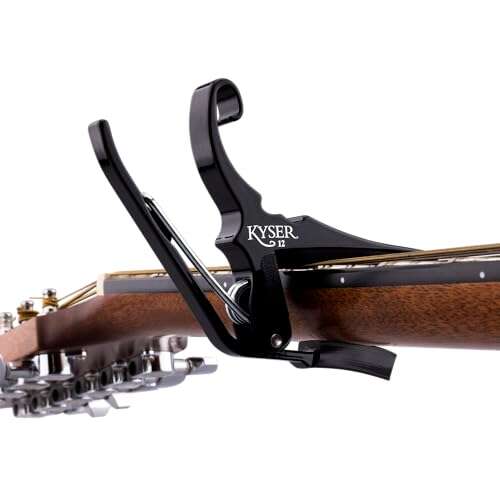
A capo is not required for the common Gm–F–E♭ arrangement in standard tuning. Some transcriptions may use a capo with different chord shapes, but that changes the fingering rather than the underlying harmony.
Can a beginner play the song?
Yes. A beginner can start with simplified chord shapes and one downstroke per beat. The full riff and muted rhythm take more control, but the chord progression itself is manageable with steady practice.
Is the main guitar part made from chords or single notes?
It combines a riff with chord-based harmony. The famous opening sound is mainly associated with picked notes and rhythmic pauses, while the accompanying guitar can use the Gm–F–E♭ progression.
What tuning should I use?
Use standard tuning:
E – A – D – G – B – E
Tune each string carefully before practicing. A small tuning error can make the chord changes sound wrong even when your finger placement is correct.
Conclusion
The fastest route to playing “Do I Wanna Know?” on guitar is to learn the Gm–F–E♭ progression first. Then work on the low, repeated riff, muted strokes, and pauses that give the song its heavy feel.
Practice the chord loop slowly, keep your strumming controlled, and add the riff only after the rhythm is steady. Once the basic version feels natural, experiment with power chords, higher voicings, and your own tone settings.

Senior Music Reviewer
Alex Carter is a seasoned music reviewer with over a decade of experience in the world of sound and instruments. Passionate about helping musicians and enthusiasts make informed choices, he brings sharp insights and in-depth knowledge to every review. From classical instruments to modern gear, Alex combines technical expertise with a love for music to deliver content that resonates with readers.
As a Senior Music Reviewer and expert author on Tuneluma.com, Alex is dedicated to sharing honest evaluations, practical advice, and thoughtful commentary to guide readers in their musical journey.