How To Properly Drum Roll: Step-By-Step Technique
Master a steady, smooth, controlled drum roll with relaxed grip and precise finger and wrist motion.
I’ve taught and played for years, and I’ll walk you through exactly how to properly drum roll. This guide breaks down grip, motion, timing, and practice steps so you can build clean rolls for studio work, live shows, or drum exams. Read on for clear steps, real tips, and quick practice routines that get results fast.

Why a good drum roll matters
A solid drum roll adds drama and fills space in music. Learning how to properly drum roll improves timing, tone, and control. Rolls can be used in fills, drum solo work, and orchestral parts. Good technique keeps your hands healthy and your sound consistent.

Drum roll types and when to use them
Knowing the type helps you practice the right move. Common types are single-stroke roll, double-stroke roll, buzz (multiple bounce) roll, and closed (pressed) roll. Each sounds different and suits different music. Practice each type to expand your toolbox and learn how to properly drum roll in any context.

Grip and stick control
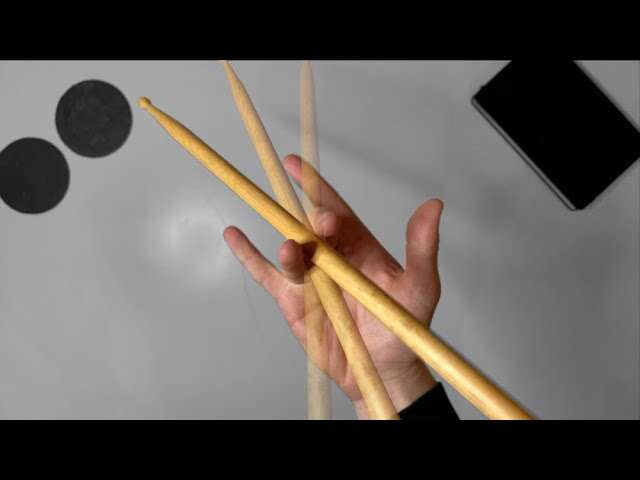
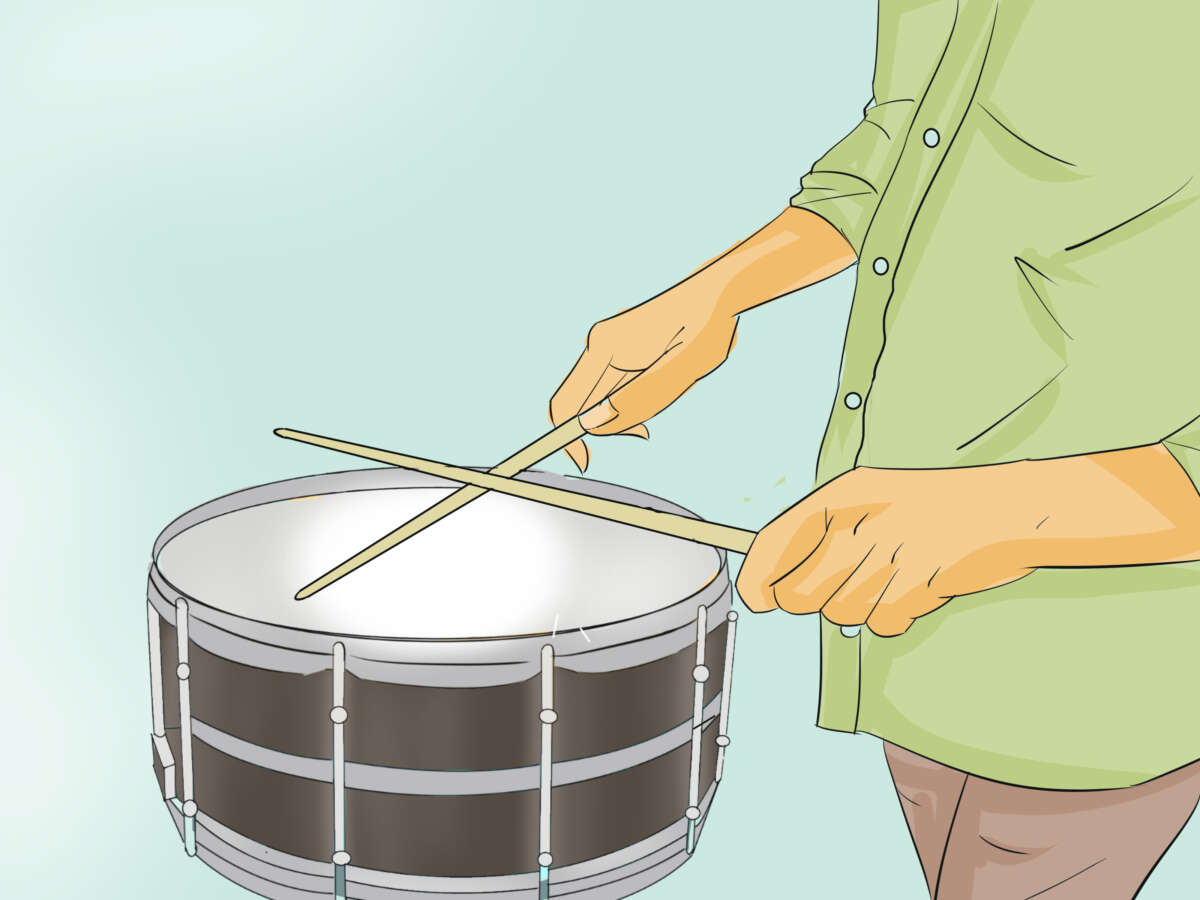
Grip is the base of every roll. Use a relaxed matched grip for modern drum kit work. Hold the stick between thumb and index finger. Let your fingers wrap gently around the stick for control. Keep the grip loose enough for rebound. Tight fists kill rebound and tire your hands. Mastering grip is the first step in how to properly drum roll.

Wrist versus finger motion
Move from wrist for broader strokes and from fingers for speed and finesse. Use wrist for control and power. Use fingers to speed up without extra tension. Combine both: a relaxed wrist with active fingers creates smooth, even rolls. Practicing slow to fast will teach you the balance you need to properly drum roll.

Step-by-step: building a single-stroke roll
- Start slow at a metronome-friendly tempo.
- Play alternating strokes R L R L with even volume.
- Focus on rebound and let the stick lift naturally after each hit.
- Increase tempo by 5-10 BPM once the stroke stays even.
- Record and listen for evenness and tone.
This method shows how to properly drum roll by training even strokes first, then speed. Small tempo jumps keep muscles relaxed and reduce bad habits.

Step-by-step: building a buzz roll (multiple-bounce)
- Hold the stick with a relaxed fulcrum.
- Place the stick at the center of the head or slightly off-center.
- Allow 2–4 bounces per stroke using wrist and fingers.
- Alternate hands smoothly to blend the sound.
- Practice long sustained rolls and short bursts for control.
Buzz rolls need even pressure and consistent bounce to sound smooth. Work slow, then tighten the gap between strokes to increase sustain. This is key to knowing how to properly drum roll for orchestral or jazz textures.

Dynamics, timing, and musical placement
A roll isn’t just speed. Work on dynamics from pianissimo to fortissimo. Use crescendos to lead into a hit or to build tension. Match the roll length to the song: short rolls for pop hits, long rolls for cinematic cues. Practicing with songs teaches how to properly drum roll in real music.

Practice routines and exercises
Consistent practice beats raw talent. Try these drills:
- 5-minute warm-up of slow single strokes for control.
- 3 sets of 30-second buzz rolls at medium volume.
- 10x paradiddle or double-stroke sets to build coordination.
- Metronome ladder: start 60 BPM, add 5 BPM every two minutes.
Short daily practice builds endurance and tone while teaching how to properly drum roll.
Common mistakes and how to avoid them
- Tensing the hands; relax the grip to keep rebound.
- Relying only on wrist; add finger control for speed.
- Ignoring stick height; even height equals even volume.
- Skipping slow practice; speed without control yields sloppy rolls.
Fix these to make learning how to properly drum roll faster and safer.
Gear and setup tips
Stick selection affects roll tone. Lighter sticks help speed, heavier sticks add body. Use a well-tuned snare or practice pad for clear feedback. Seat height and posture matter: sit with feet flat and back straight for better arm alignment. Proper setup makes it easier to properly drum roll for long sessions.
Personal experience and pro tips
Early in my playing I learned fast rolls by overplaying. That caused fatigue. Slowing down and focusing on finger control fixed my speed with less effort. When recording, I mute a little and cup the pad with my non-dominant hand to shape tone. These simple tweaks made my rolls sound cleaner and more musical. Practice smart, not hard, when learning how to properly drum roll.
People also ask (quick answers)
What’s the fastest way to improve a drum roll?
Practice slow, correct motion and use a metronome. Increase tempo in small steps and focus on even strokes.
Should I use wrist or fingers for rolls?
Use both. Wrist gives power and consistency; fingers give speed and finesse. Blend them for the best roll.
How long should I practice rolls daily?
Start with 10–20 minutes of focused rolls. Short, steady daily work beats long, sporadic sessions.
Frequently Asked Questions of how to properly drum roll
How long does it take to get a smooth drum roll?
Most players see clear improvement in weeks with daily practice. True control can take months depending on focus and prior skill.
Can I learn proper rolls on a practice pad?
Yes. A pad gives consistent rebound and helps you hear dynamics. It’s ideal for learning technique before moving to the drum kit.
How do I keep rolls even at high speed?
Work on finger technique and maintain a relaxed grip. Use a metronome and increase tempo in small steps to keep evenness.
Are buzz rolls bad for beginners?
No. Buzz rolls are fine if you start slow. Focus on even bounces and control; don’t force speed early on.
Should I change sticks for faster rolls?
Try lighter sticks for speed but keep comfort in mind. Change only if you need a different balance or feel for a specific sound.
Conclusion
Learning how to properly drum roll is a mix of grip, motion, sound awareness, and smart practice. Start slow, focus on even strokes, add finger work, and use short daily drills. Track progress with a metronome and recordings, and adjust gear to suit your sound. Take one small step today: set a 10-minute roll practice on your schedule and stick with it for a week. Share your progress or ask questions to keep learning.

Senior Music Reviewer
Alex Carter is a seasoned music reviewer with over a decade of experience in the world of sound and instruments. Passionate about helping musicians and enthusiasts make informed choices, he brings sharp insights and in-depth knowledge to every review. From classical instruments to modern gear, Alex combines technical expertise with a love for music to deliver content that resonates with readers.
As a Senior Music Reviewer and expert author on Tuneluma.com, Alex is dedicated to sharing honest evaluations, practical advice, and thoughtful commentary to guide readers in their musical journey.