What Is A Timpani Drum: Complete Guide For Musicians
A timpani is a tuned, pedal-operated kettle drum central to orchestras and bands.
I’ve spent over 15 years playing and teaching orchestral percussion, and I’ll walk you through exactly what a timpani drum is, how it works, and why it matters in music. This guide covers anatomy, sound production, history, tuning, playing techniques, buying and care tips, and real-world advice from my experience so you can understand and use timpani with confidence.

What is a timpani drum?
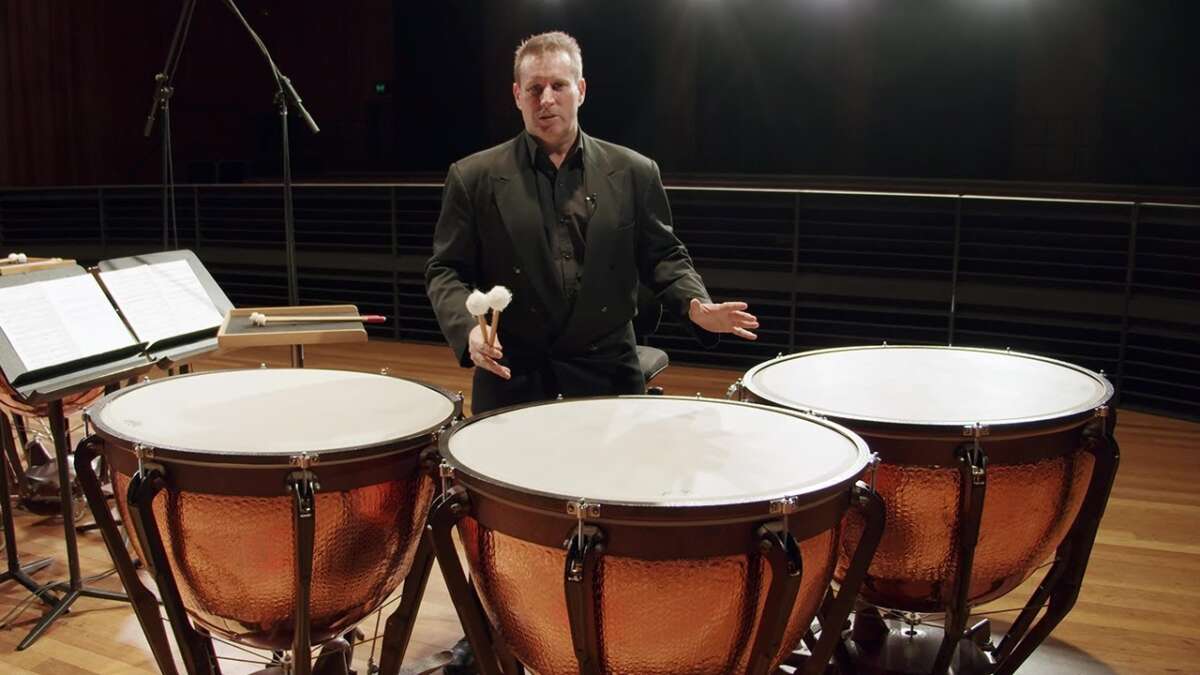
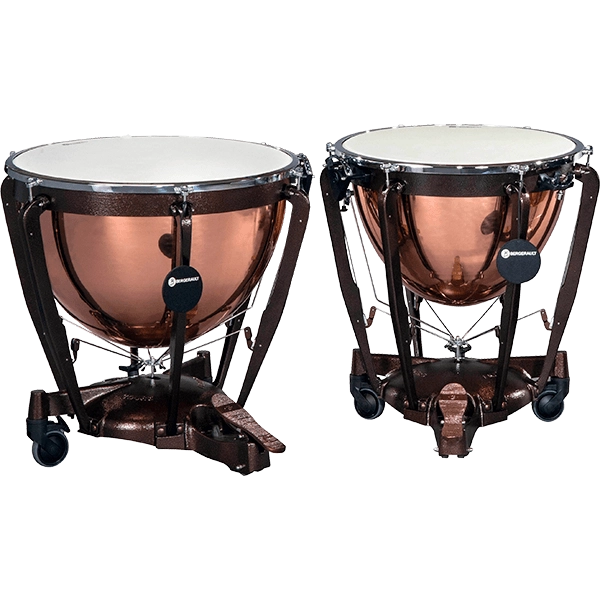
A timpani drum is a large, tunable percussion instrument with a hemispherical bowl and a stretched head. Musicians change pitch by tightening or loosening the head with a foot pedal or tuning mechanism. The timpani produces clear, pitched notes rather than unpitched drum sounds, making it unique among orchestral percussion.
Answering what is a timpani drum also means understanding its role. It blends rhythm and harmony, supports orchestral pulses, and adds dramatic color. When composers write for timpani, they expect precise pitch and dynamic control. Knowing what is a timpani drum helps musicians approach it like a melodic instrument, not just a rhythm tool.

Anatomy and core components
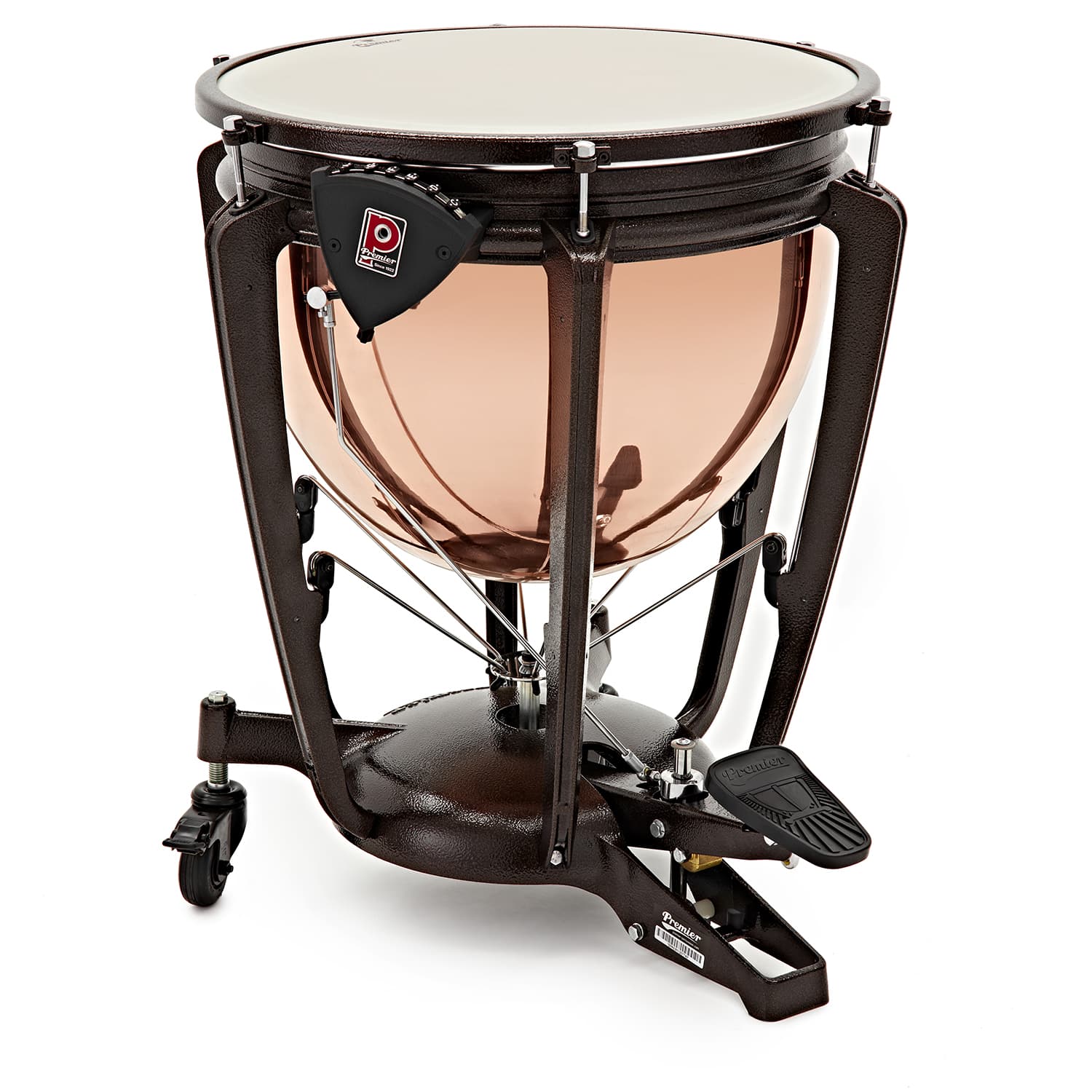
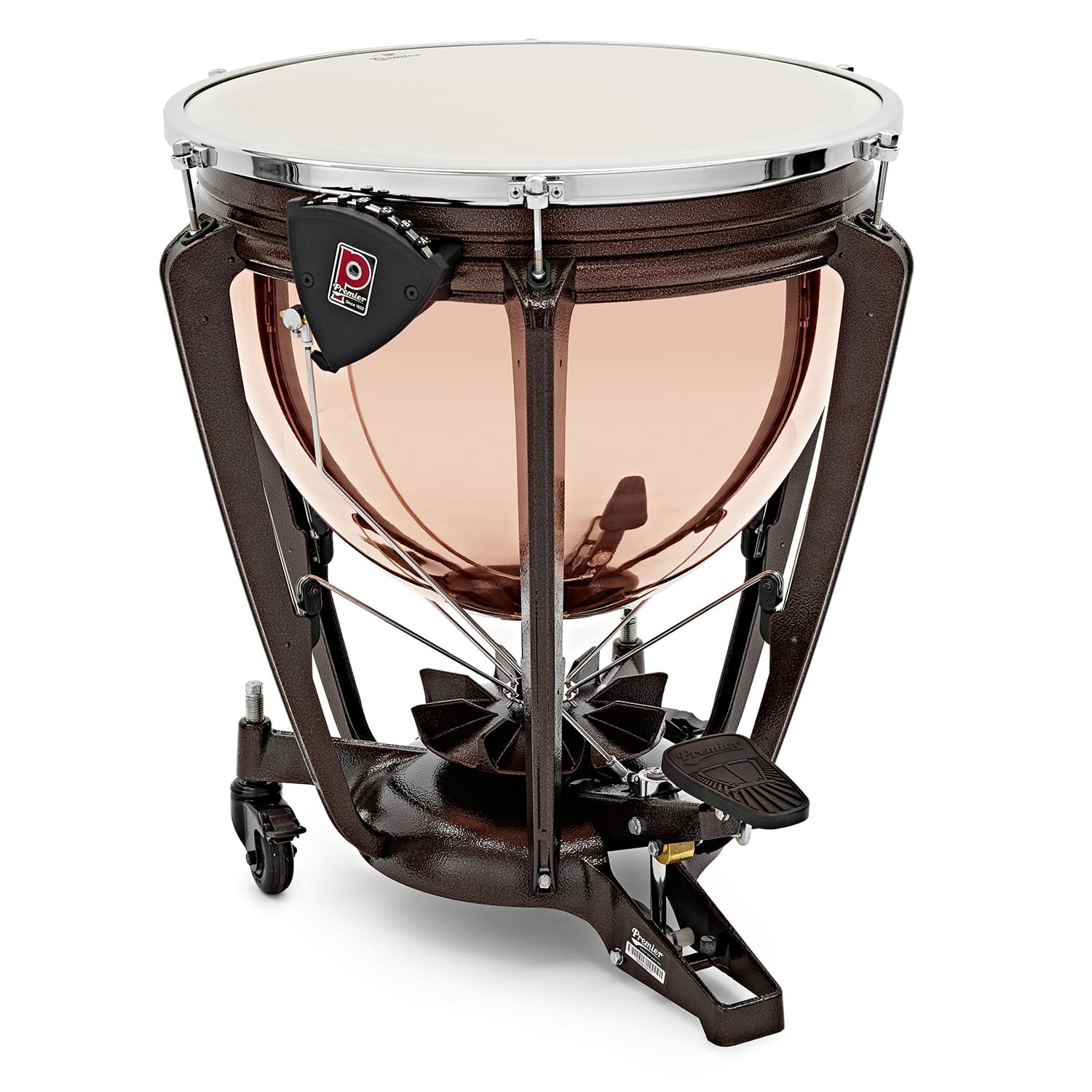
Understanding parts clarifies what is a timpani drum and how it functions.
- Bowl (or shell)
- Usually copper, sometimes fiberglass; shape and material shape tone.
- Drumhead
- Animal skin or synthetic; head tension controls pitch.
- Counterhoop and rim
- Hold the head in place and distribute tension.
- Tension system
- Rods or screws link the hoop to the frame for even tension.
- Pedal and tuning mechanism
- Foot pedal moves a central shaft or lever to change head tension quickly.
- Frame and legs
- Support the bowl and allow height adjustment.
- Muffler or thumbscrew
- Dampens overtones and controls sustain.
Knowing these parts makes it easier to diagnose problems and maintain the instrument.
How a timpani produces pitch and tone
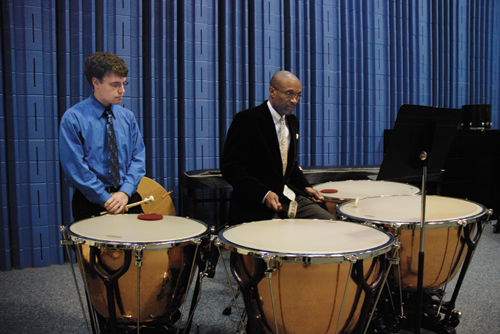
Explaining what is a timpani drum requires a look at acoustics in simple terms. The timpani head vibrates; the bowl reinforces and shapes the pitch. Tightening the head raises pitch; loosening lowers it. The bowl acts like a resonator that emphasizes a clear fundamental and a set of overtones. Players change tone with stroke location and mallet type.
Practical points:
- Hitting near the center yields a focused fundamental.
- Striking closer to the edge creates brighter overtones.
- Mallet felt hardness shifts attack and warmth.
- The pedal allows smooth tuning changes and glissando effects.
How does a timpani change pitch?
- The pitch changes by adjusting head tension, typically via a foot pedal that alters multiple tension rods together for consistent tuning.
Can a timpani play scales?
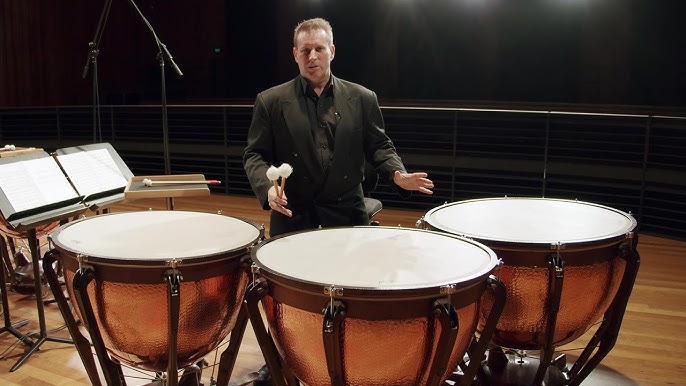
- Yes. With practiced pedal use and careful stroke control, players perform scales and melodic lines within the drum’s tuning range.
Brief history and evolution
To truly appreciate what is a timpani drum, it helps to know its story. Timpani evolved from medieval kettledrums used in military and court contexts. By the Baroque era, they appeared in orchestral and ceremonial music. The 19th and 20th centuries brought pedal timpani and modern tuning systems, expanding musical possibilities.
Composers across eras wrote distinct timpani parts that reflected technological advances. The modern timpani grew into a precise orchestral tool rather than only a dramatic effect.
Types, sizes, and tuning ranges
When learning what is a timpani drum, size matters. Timpani are sold and used in sets. Common sizes and approximate pitch ranges (may vary by model):
- 32-inch bowl
- Lowest range; commonly tuned to D2–A2.
- 29-inch bowl
- Often tuned around F2–C3.
- 26-inch bowl
- Mid-low range; used for flexible tunings.
- 23-inch bowl
- Mid range; common for melodic lines.
- 20-inch bowl
- Highest standard; used for top voices.
Other types:
- Fiberglass timpani
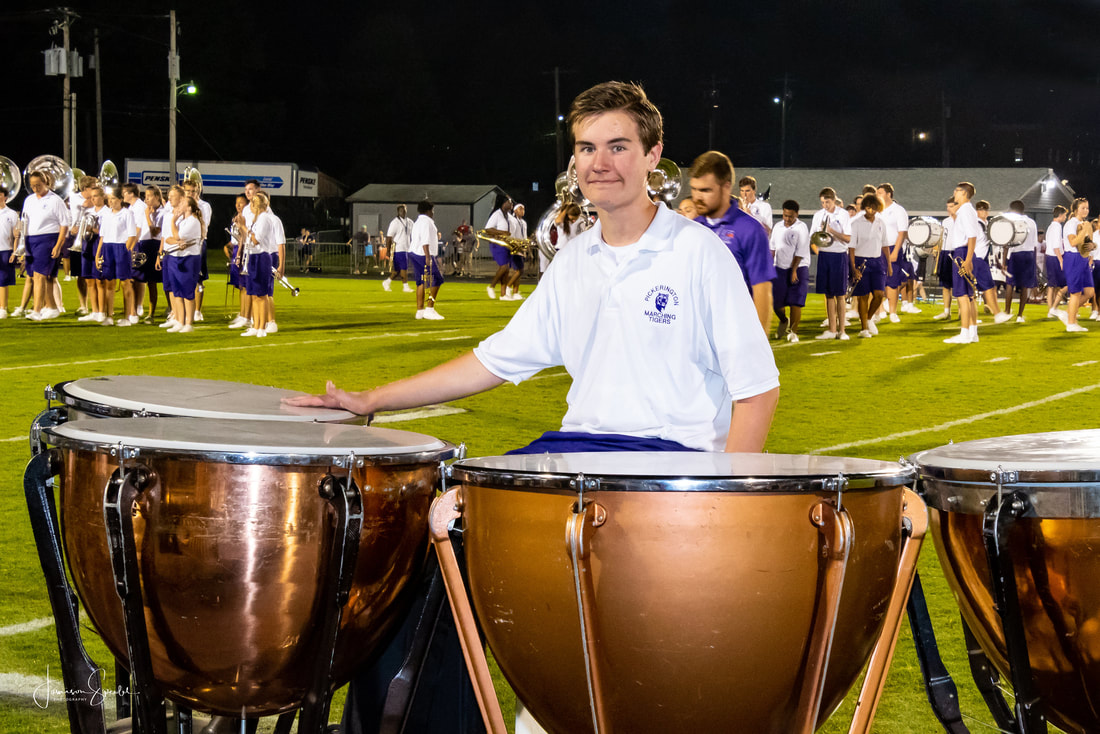
- Lighter and durable for marching or schools.
- Portable or practice timpani
- Smaller and quieter for home use.
Most orchestral setups use a matched set of four or five drums to cover required pitches.
Mallets, strokes, and playing techniques
Knowing what is a timpani drum includes how you strike it. Technique shapes sound and musical effect.
Mallet choices:
- Soft felt
- Warm, round tone; good for lyrical lines.
- Medium felt
- Versatile for most repertoire.
- Hard felt or layered heads
- Articulate attack for rhythms and accents.
Common strokes:
- Center stroke
- Produces clear pitch with strong fundamental.
- Edge stroke
- Brighter and more resonant.
- Roll
- Sustains pitch; controlled with wrist and alternating hands.
- Mute or damp
- Stops resonance quickly for short rhythmic figures.
Practice tips from my experience:
- Start slow and tune each drum before practice.
- Use a tuner and ear together; the ear should guide final adjustments.
- Work on smooth pedal transitions by practicing half-steps with slow glissandi.
Role in ensembles and repertoire
Understanding what is a timpani drum includes its musical functions.
Orchestral roles:
- Reinforce harmony and bass lines
- Accent climaxes and rhythmic figures
- Provide color and drama in solo moments
Other settings:
- Wind and concert bands
- Similar roles, often with smaller sets.
- Marching percussion
- Uses tympani-inspired kettle drums adapted for field use.
- Solo repertoire
- Contemporary works and concertos showcase melodic timpani writing.
Famous examples demonstrate the timpani’s power in shaping orchestral sound.

Buying, renting, and maintenance
If you’re asking what is a timpani drum because you want one, here’s practical advice.
Buying tips:
- Try different makes and bowl materials to test tone.
- Consider a matched set for orchestral needs.
- For schools, prioritize durable shells and simple tuning.
Rent or buy?
- Renting is good for short-term needs or beginners.
- Buying makes sense for long-term use or professionals.
Maintenance basics:
- Check and replace heads regularly when worn.
- Keep tension rods even to avoid warping.
- Clean copper bowls gently and avoid harsh chemicals.
- Have the pedal and bearings serviced periodically.
Common mistakes and practical tips
Real-world experience helps avoid pitfalls when learning what is a timpani drum.
Common mistakes:
- Neglecting to tune before practice, which trains the ear poorly.
- Using only one mallet type; tonal flexibility suffers.
- Over-muffling, which kills necessary sustain and color.
Practical tips:
- Warm up with scales and pedal exercises.
- Record practice to monitor tuning and tone.
- Learn basic maintenance to extend instrument life.
Frequently Asked Questions of what is a timpani drum
What is a timpani drum used for in an orchestra?
A timpani drum anchors rhythm and harmony. It supports bass lines, provides accents, and adds dramatic color.
How do timpani stay in tune during a performance?
Most modern timpani use a foot pedal with a geared mechanism to adjust head tension quickly and accurately. Players also fine-tune with hand adjustments and ears.
Are timpani hard to learn?
Timpani require coordination between hands and the pedal, but beginners can grasp basics quickly. Regular practice of tuning and strokes builds skill steadily.
Can a single player play multiple timpani?
Yes. One timpanist usually plays a set of drums arranged around them, switching drums by moving hands and using the pedal for pitch changes.
How often should timpani heads be replaced?
It depends on use. School instruments may need replacement yearly, while professionally used drums might need heads replaced every 6–18 months based on wear.
Is a timpani considered a melodic instrument?
Yes. Because it produces definite pitches and can be tuned accurately, a timpani functions melodically in many passages.
Conclusion
Timpani are tuned, resonant kettle drums that combine rhythm and pitch control to shape orchestral sound. From anatomy and acoustics to techniques and maintenance, understanding what is a timpani drum equips you to listen, practice, or buy with purpose. Start by getting hands-on time, practice pedal control, and care for the instrument regularly to hear real improvement. If you found this helpful, try tuning a drum yourself, share your experience below, or subscribe for more guides on orchestral percussion.

Senior Music Reviewer
Alex Carter is a seasoned music reviewer with over a decade of experience in the world of sound and instruments. Passionate about helping musicians and enthusiasts make informed choices, he brings sharp insights and in-depth knowledge to every review. From classical instruments to modern gear, Alex combines technical expertise with a love for music to deliver content that resonates with readers.
As a Senior Music Reviewer and expert author on Tuneluma.com, Alex is dedicated to sharing honest evaluations, practical advice, and thoughtful commentary to guide readers in their musical journey.