How Do I Read Guitar Music: A Beginner’s Guide
To read guitar music, learn standard notation, guitar tab, rhythm symbols, and how each note maps to the fretboard.
Learning how do i read guitar music becomes much easier when you treat the page like a map. Standard notation shows pitch and rhythm, while tablature shows exactly where to place your fingers. This guide explains both systems, common symbols, practical reading steps, and simple exercises you can use to play real songs with confidence.
What Does Guitar Music Look Like?
Guitar music usually appears in one or more of three forms:
• Standard music notation shows pitch, rhythm, timing, and musical expression.
• Guitar tablature, or tab, shows which string and fret to play.
• Chord charts show finger shapes for playing several notes at once.
Many guitar books place standard notation above tablature. This format is helpful because you can see both the musical idea and the physical movement on the fretboard.
When people ask, “how do i read guitar music,” they often mean one of these systems. The best approach is to learn them together, but start with tab if you are a complete beginner. Then add standard notation as your reading skills grow.

How to Read Guitar Tab
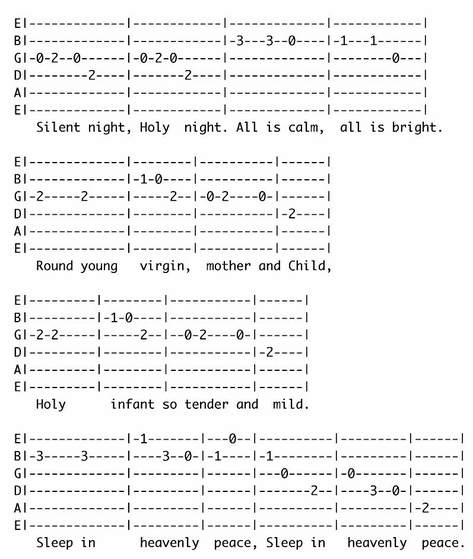
Guitar tab is often the fastest way to begin reading guitar music. It uses six horizontal lines, with each line representing one guitar string.
The lines usually appear in this order:
• Top line: high E string
• Second line: B string
• Third line: G string
• Fourth line: D string
• Fifth line: A string
• Bottom line: low E string
A number on a line tells you which fret to play. For example:
e|--------0--|
B|------1----|
G|----0------|
D|--2--------|
A|-----------|
E|-----------|
Read this tab from left to right. The notes form an open C major chord shape. A zero means play the string without pressing a fret. A number such as 3 means press the third fret.
Tab often uses symbols for common techniques:
• h means hammer-on, as in 5h7
• p means pull-off, as in 7p5
• / means slide up
• \ means slide down
• b means bend
• r means release a bend
• ~ means vibrato or a sustained wavering pitch
• x means a muted or percussive note
Tab is useful, but it has a weakness. Many tab sheets do not show rhythm clearly. You may know which notes to play but not exactly when to play them. Listen to a recording or use tab that includes rhythm marks whenever possible.
How to Read Standard Guitar Notation
Standard notation uses a staff made of five lines and four spaces. Guitar music is usually written in the treble clef, also called the G clef.
The lines of the treble clef are:
• E
• G
• B
• D
• F
A common memory phrase is “Every Good Boy Does Fine.” The spaces spell F, A, C, and E.
The notes above and below the staff use short lines called ledger lines. These lines extend the staff so composers can write higher or lower notes.
For guitar, written notes sound one octave lower than they appear. This is a normal convention. You do not need to change anything while reading, but it explains why written guitar music may seem higher than the sound from your instrument.
To understand how do i read guitar music in standard notation, learn one note at a time. Start with the open strings:
• Low E string: E
• A string: A
• D string: D
• G string: G
• B string: B
• High E string: E
Then learn the natural notes on the first few frets. The same pitch can appear in more than one place on a guitar, so standard notation does not always tell you one exact fingering. This is where finger numbers, position marks, or tab can help.

Learn Rhythm Before Playing Fast
Rhythm tells you when to play a note and how long to hold it. Good rhythm matters as much as correct notes. A player who misses a note but keeps steady time often sounds better than a player who plays every note with poor timing.
Most beginner guitar music uses a 4/4 time signature. The top number tells you there are four beats in each measure. The bottom number tells you that the quarter note receives one beat.
Common note values include:
• Whole note: four beats in 4/4 time
• Half note: two beats
• Quarter note: one beat
• Eighth note: one-half beat
• Sixteenth note: one-quarter beat
Rests use similar values, but they show silence. Silence is part of music. Do not treat rests as empty space.
Try counting aloud:
1 2 3 4
For eighth notes, count: