How Long Does Learning Guitar Take: A Realistic Timeline
Most beginners can play simple songs in one to three months with steady, focused practice.
How long does learning guitar take? The honest answer depends on your goal, practice time, learning method, and starting point. A new player may learn basic chords in weeks, while confident fingerstyle, improvisation, or professional skill can take years. This guide explains each stage clearly, so you can set a realistic guitar learning timeline and make steady progress without feeling rushed.
How Long Does Learning Guitar Take?
For most people, learning guitar follows a gradual path. You may learn a few chords quickly, but changing between them smoothly takes more time. Your hands, ears, timing, and memory must all work together.
Here is a realistic timeline for a beginner who practices three to five times each week:
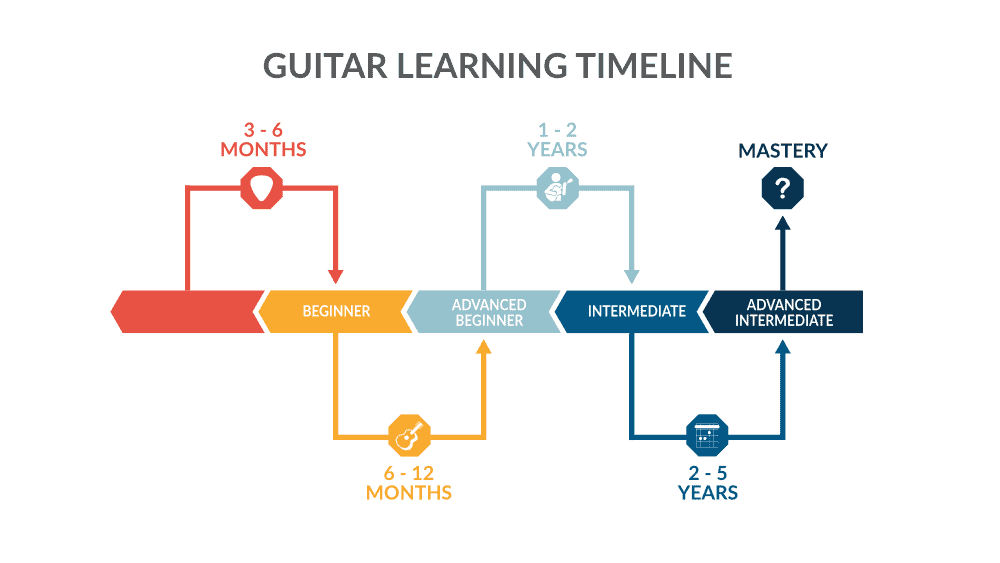
• One to two weeks: Learn how to hold the guitar, tune the strings, read chord charts, and play simple picking patterns.
• One to three months: Play basic open chords, change between common chords, and strum easy songs.
• Three to six months: Keep a steady rhythm, use more chords, play full songs, and begin simple riffs.
• Six to twelve months: Improve chord changes, learn barre chords, use basic scales, and play with better timing.
• One to two years: Play many songs, understand common chord patterns, improvise at a basic level, and develop a personal style.
• Two or more years: Build stronger technique, musical expression, speed, theory knowledge, and performance confidence.
These time frames are estimates, not promises. Someone who practices for 20 focused minutes each day may progress faster than someone who plays for two hours once a week. Consistency usually matters more than occasional long practice sessions.

What Changes the Guitar Learning Timeline?
The question “how long does learning guitar take?” has no single answer because every learner brings a different mix of skills, goals, and limits.
Your Practice Schedule
Practice frequency has a major effect on progress. Short, regular practice helps your brain and hands remember movements better than rare, stressful sessions.
A useful beginner schedule is:
• 10 to 15 minutes: Enough to build a daily habit.
• 20 to 30 minutes: A strong balance for most beginners.
• 45 to 60 minutes: Helpful when divided into small tasks.
• More than 60 minutes: Useful for serious students, but only with breaks and a clear plan.
Practice should not mean repeating mistakes. Slow, careful playing teaches your hands the right movements. Fast, careless playing can make poor technique harder to change.
Your Learning Method
A teacher can correct posture, finger placement, rhythm, and tension before bad habits become permanent. Online lessons, apps, books, and videos can also work well when you follow a clear path.
The best method is the one you can use often. A simple plan that you follow beats a perfect plan that you ignore.
Your Musical Goal
Learning three chords for campfire songs takes less time than learning jazz guitar. Your timeline will also change if you want to:
• Play basic pop or rock songs.
• Perform in front of people.
• Write your own music.
• Improvise guitar solos.
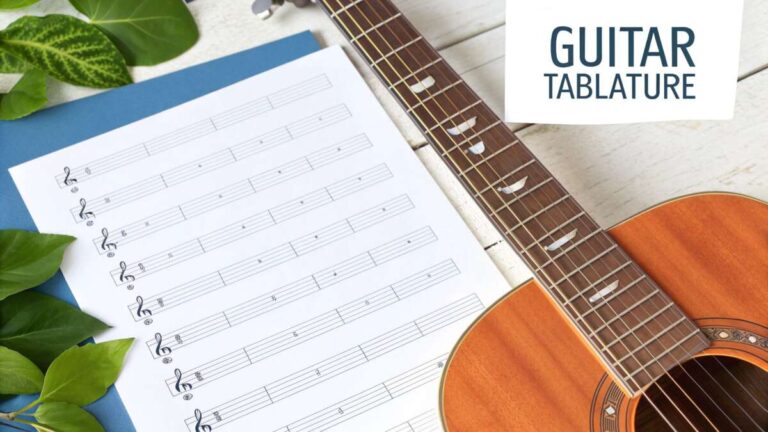
• Read standard music notation.
• Play fingerstyle or classical guitar.
• Record music at home.
Your Starting Point
A complete beginner must learn basic hand movement and rhythm. Someone who already plays piano, ukulele, bass, or another instrument may understand timing and music structure sooner.
Age is not a fixed barrier. Children may learn through play, while adults often bring better focus and discipline. Finger strength and hand comfort may take time at any age.
Guitar Progress by Skill Level
Breaking the process into skill levels makes the answer easier to understand. Instead of asking only how long does learning guitar take, ask what you want to do next.
Beginner: One to Three Months
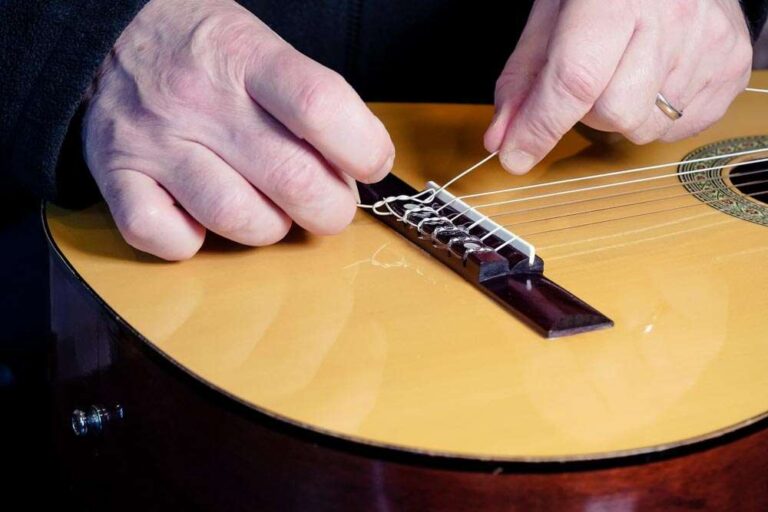
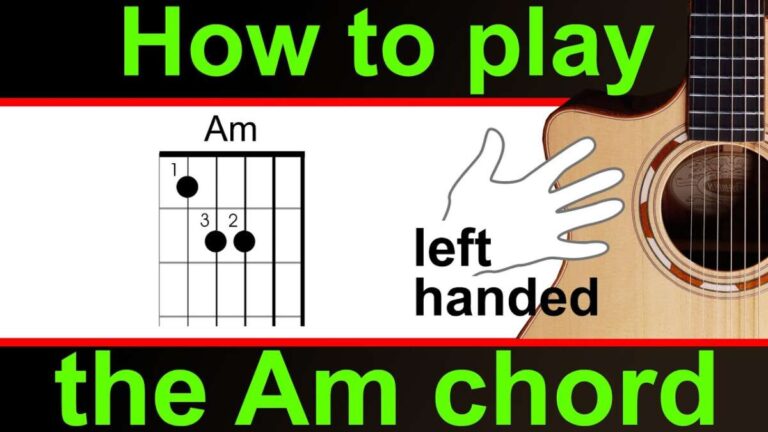
At this stage, focus on comfort and control. You should learn how to tune the guitar, hold a pick, read chord diagrams, and keep a simple beat.
Common beginner chords include:
• C major
• G major
• D major
• E minor
• A minor
• E major
You do not need to play every string perfectly at first. Clean progress often comes one small improvement at a time. A buzzing string or missed chord is normal during the first weeks.
Early Intermediate: Three to Twelve Months
You can begin playing complete songs at this point. Your main goals are smoother chord changes, stronger rhythm, and better listening.
You may also learn:
• Power chords.
• Pentatonic scales.
• Hammer-ons and pull-offs.
• Simple riffs.
• Basic palm muting.
• Common strumming patterns.
Many players feel stuck here because their first excitement fades. This is normal. The solution is not always more practice. It may be a better song, a slower tempo, or a new skill that gives your practice fresh energy.
Intermediate: One to Two Years
An intermediate player can usually learn songs with less help. You may understand keys, chord families, rhythm patterns, and basic improvisation.
At this stage, guitar practice should include both technique and music. Play along with recordings, use a metronome, and learn songs from start to finish. Do not spend all your time playing isolated exercises.
Advanced: Several Years and Beyond
Advanced guitar skill includes more than speed. It involves tone, timing, touch, musical judgment, theory, and the ability to adapt.
Players at this level may study:
• Complex rhythm.
• Modes and extended chords.
• Sweep picking.
• Hybrid picking.
• Fingerstyle independence.
• Jazz harmony.
• Song arrangement.
• Live performance and recording.
There is no final finish line. Even skilled players continue to learn because music offers endless depth.

How Much Should You Practice Guitar?
A practical routine can answer how long does learning guitar take more clearly than a calendar can. You control your progress through focused repetition.
Try this 30-minute routine:
-
Warm up for five minutes with slow finger movements or easy scales.
-
Practice chord changes for five minutes.
-
Work on strumming and rhythm for five minutes.
-
Learn one small song section for ten minutes.
-
Play the section from beginning to end for five minutes.
Use a timer if you tend to lose focus. Stop when your hands feel painful, not merely tired. Mild fingertip soreness is common at first, but sharp pain, numbness, or lasting discomfort deserves attention.
A metronome can help you build steady timing. Start at a slow speed where you can play correctly. Increase the speed only when your movements feel relaxed.

The Best Way to Learn Guitar Faster
Learning guitar faster does not mean rushing. It means removing wasted effort and practicing the skills that matter most.
Choose Simple Songs
Start with songs that use two to four chords. Easy songs give you a quick sense of progress and help you practice real musical changes.
Good beginner songs often use repeated chord loops. This lets you focus on timing instead of learning a new chord every few seconds.
Practice Difficult Changes
Do not play the whole song every time. Find the hardest two-chord change and repeat it slowly.
For example, if moving from G to C feels difficult, practice only that change for two minutes. This targeted work can improve your playing faster than repeatedly starting the song from the beginning.
Use Slow Practice
Slow practice is like building a road before driving fast on it. It gives your fingers time to learn the correct path.
Play slowly enough to avoid missed notes. Then raise the tempo in small steps.
Record Yourself
A phone recording can reveal problems you do not notice while playing. You may hear uneven rhythm, muted strings, or a song that is faster than you thought.
Recording also shows progress. Listening back after a month can be more encouraging than relying on memory.
Learn With Other People
Playing with a teacher, friend, or group improves timing and motivation. It also teaches you to keep going after a mistake.
Many learners improve quickly when they have a weekly goal, such as playing one song for another person.

Common Mistakes That Slow Guitar Progress
Some habits make the answer to how long does learning guitar take much longer than it needs to be.
Practicing Without a Goal
Picking up the guitar and playing random shapes can be fun, but it may not build a useful skill. Begin each session with one clear target.
Your goal might be:
• Change between G, C, and D without stopping.
• Play a strumming pattern for two minutes.
• Learn the chorus of one song.
• Practice a scale with a metronome.
Ignoring Rhythm
Many beginners focus on placing fingers but forget the beat. Good rhythm often matters more than playing every note perfectly.
Tap your foot or count out loud. Simple counting can transform uneven playing.
Avoiding Chord Changes
Holding a chord is easy compared with moving to the next one. Spend more time practicing transitions than posing on one chord.
Lift your fingers only as far as needed. Small movements are usually faster and more accurate.
Playing Through Pain
Pain is not proof that practice is working. Check your posture, loosen your grip, and take breaks.
If pain continues, ask a qualified teacher or health professional for guidance. This article cannot diagnose hand or wrist problems.
Comparing Yourself With Experienced Players
Online videos often show people after years of practice. Comparing your first month with someone’s tenth year can damage motivation.
Measure progress against your own past. A cleaner chord change is real progress, even if it seems small.
Acoustic Guitar vs. Electric Guitar
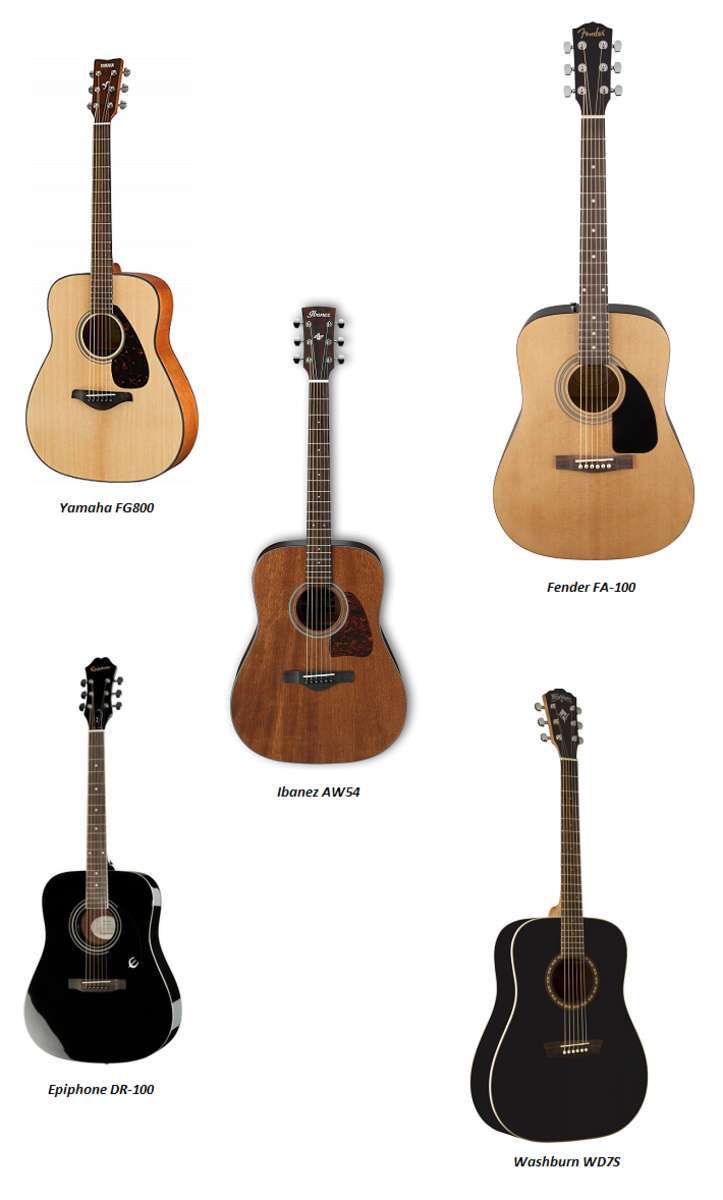
The type of guitar can affect how long does learning guitar take, but neither choice is automatically easier for everyone.
Acoustic guitars are portable and do not need an amplifier. They can build finger strength, but some acoustic strings feel harder to press.
Electric guitars usually have lighter strings and lower action. They may feel easier for beginners, though you also need an amplifier, cable, and basic equipment.
Choose the guitar that matches the music you want to play. Motivation is powerful. A learner who loves blues, rock, or metal may practice more often on an electric guitar. Someone who enjoys folk or singer-songwriter music may feel more inspired by an acoustic.
The best beginner guitar is one that is comfortable, properly set up, and easy for you to pick up each day.

How Long Does It Take to Play a Song on Guitar?
Many beginners can play a simple song within a few weeks. The song may sound slow or include pauses, and that is perfectly normal.
A more realistic progression looks like this:
• First week: Learn part of a song with two simple chords.
• First month: Play a full easy song with slow changes.
• Three months: Play several songs with a steady rhythm.
• Six months: Learn songs with more chords, riffs, or new techniques.
• One year: Build a larger song list and play with greater confidence.
The word “play” matters. You can play a song before you can play it perfectly. Aim to keep the music moving. Small mistakes are less noticeable than stopping after every error.
In my experience observing new players, confidence often grows when they finish songs instead of collecting unfinished exercises. Completion teaches musical structure and gives practice a clear reward.

Signs You Are Making Good Progress
Progress is not measured only by speed. Look for these signs:
• Your fingers reach chords with less thought.
• You can keep time for several minutes.
• You recover from mistakes without stopping.
• Your fingertips feel more comfortable.
• You can tune the guitar with less help.
• You recognize common chord patterns by ear.
• You can learn short parts from a recording.
• You feel more relaxed while playing.
A learning journal can help. Write down the date, practice time, song, tempo, and one small win. This creates evidence of progress when improvement feels slow.
Research on skill learning supports regular repetition, feedback, and gradual increases in difficulty. These principles apply to guitar because playing is a motor skill built through repeated, accurate movement.

A Simple 12-Month Guitar Learning Plan
A year-long plan can make how long does learning guitar take feel less uncertain.
Months One and Two
Learn basic chords, tuning, simple strumming, and two or three easy songs. Keep practice short and focus on comfort.
Months Three and Four
Add chord changes, power chords, basic riffs, and a metronome. Try to play complete songs without stopping.
Months Five and Six
Learn barre chord shapes, the minor pentatonic scale, and more varied strumming patterns. Start playing along with recordings.
Months Seven Through Nine
Explore solos, fingerpicking, songwriting, or music theory. Choose one area that excites you and study it in depth.
Months Ten Through Twelve
Record yourself, perform for a friend, join a group, or create a simple original song. Review your goals and choose the next skill to develop.
This plan is flexible. If a technique feels too difficult, spend more time on the earlier step. Strong foundations make later progress easier.
Frequently Asked Questions About How Long Does Learning Guitar Take
How long does learning guitar take for a complete beginner?
A complete beginner can learn basic chords and simple songs in one to three months with regular practice. Comfortable, fluent playing usually takes six months to two years, depending on the person’s goals and practice habits.
Can I learn guitar in 30 days?
You can learn tuning, basic chords, simple strumming, and part of a song in 30 days. You probably will not become an advanced player in that time, but one month is enough to build a useful foundation.
How many minutes a day should I practice guitar?
Aim for 20 to 30 focused minutes most days. Even 10 minutes can help if you practice with a clear goal and repeat the habit consistently.
Is guitar hard to learn?
Guitar is challenging at first because your hands must learn new movements and your ears must follow rhythm. It becomes easier when you use a comfortable guitar, practice slowly, and learn songs you enjoy.
Can I learn guitar without a teacher?
Yes, many people learn through books, apps, and online lessons. A teacher can still save time by correcting technique, explaining difficult ideas, and giving you a structured plan.
How long does it take to play guitar professionally?
Professional-level guitar skill often takes several years of focused study and real playing experience. The timeline varies widely because professional work may require performance, studio, songwriting, sight-reading, or specialist technique.
Conclusion
How long does learning guitar take? You can learn basic chords and simple songs in a few weeks or months, but strong confidence and advanced skill develop through steady practice over years. Your goals, routine, instrument, teacher, and patience all shape the timeline.
Start with 20 focused minutes today. Learn one useful chord change, practice one rhythm, and finish one small section of a song. Track your progress, stay kind to yourself, and explore more guitar lessons and resources as your skills grow.

Senior Music Reviewer
Alex Carter is a seasoned music reviewer with over a decade of experience in the world of sound and instruments. Passionate about helping musicians and enthusiasts make informed choices, he brings sharp insights and in-depth knowledge to every review. From classical instruments to modern gear, Alex combines technical expertise with a love for music to deliver content that resonates with readers.
As a Senior Music Reviewer and expert author on Tuneluma.com, Alex is dedicated to sharing honest evaluations, practical advice, and thoughtful commentary to guide readers in their musical journey.