Is Wurlitzer A Good Piano: Worth Buying?
Wurlitzer can be a good piano for beginners and casual players, but condition matters more than the name.
The answer to “is Wurlitzer a good piano” depends on the type, age, and condition of the instrument. Wurlitzer made many affordable acoustic pianos, as well as famous electric pianos used in rock, jazz, pop, and gospel music. This guide explains their tone, build quality, value, common problems, and what to check before buying one.

Is Wurlitzer a Good Piano?
Yes, a Wurlitzer can be a good piano when it has been well maintained and priced fairly. Many Wurlitzer acoustic pianos offer a warm tone, a comfortable action, and enough power for home practice. They are often affordable because they are older and less sought after than brands such as Yamaha, Kawai, Steinway, or Baldwin.
Still, the brand name alone does not tell the whole story. A well-kept Wurlitzer may be a better buy than a neglected premium piano. A damaged Wurlitzer, however, can cost more to repair than it is worth.
When asking “is Wurlitzer a good piano,” first identify these details:
• Is it an acoustic piano or an electric piano?
• What is the model number and approximate age?
• Has a piano technician inspected it?
• Does it hold its pitch?
• Are the soundboard, bridges, strings, and action in good condition?
• Is the asking price reasonable for the local market?
A Wurlitzer is best viewed as a condition-based purchase. The instrument may be excellent for a new player, but it may not satisfy a concert pianist who needs a wide dynamic range and strong projection.
Wurlitzer Acoustic Pianos: What to Expect
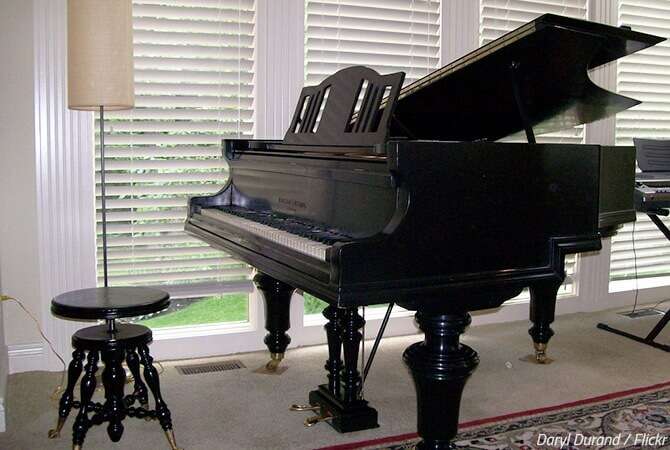
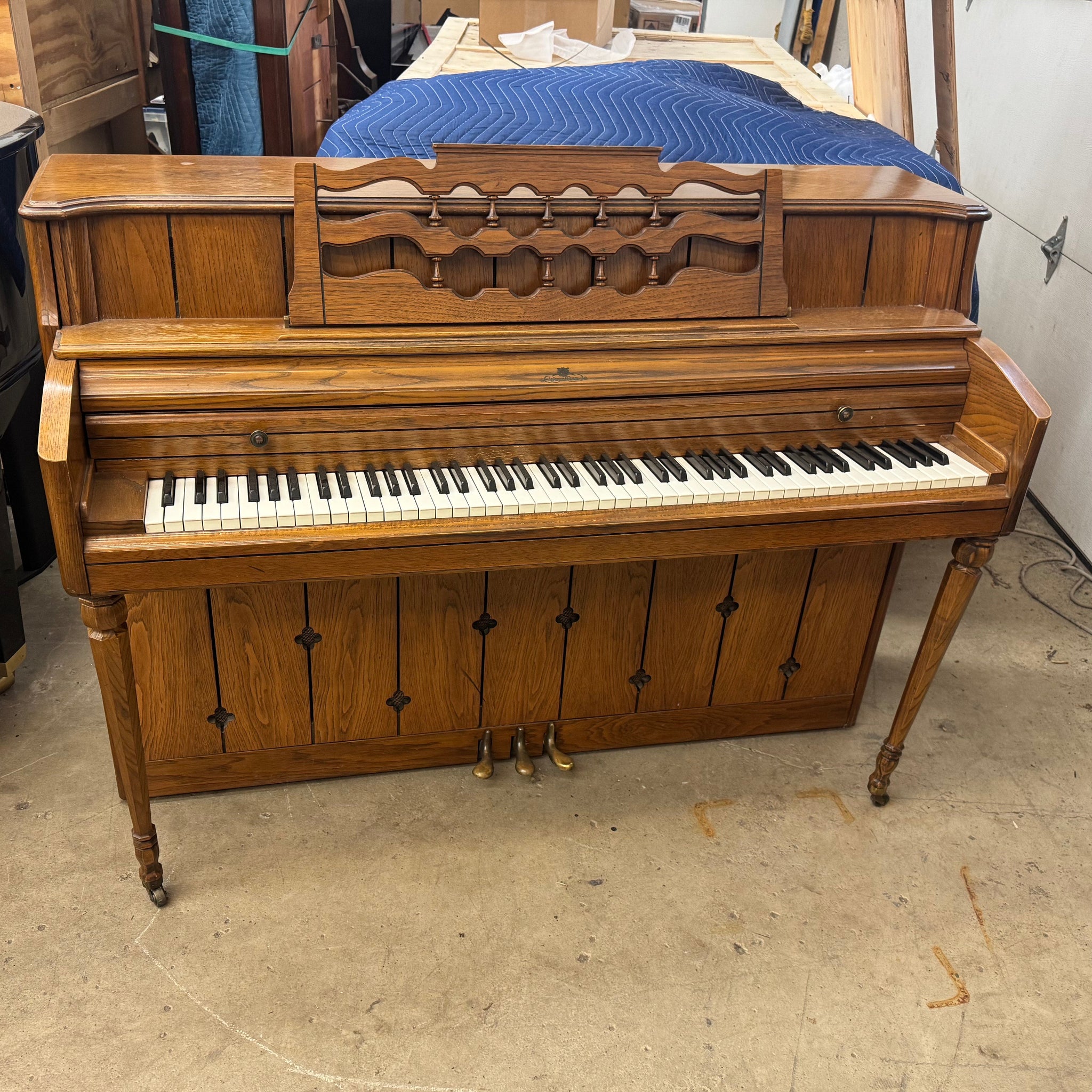
Wurlitzer acoustic pianos were made in several forms, including spinets, consoles, studios, and larger uprights. Many were built for homes, schools, churches, and practice rooms. Their designs vary by production year and model, so two Wurlitzer pianos can feel and sound quite different.
Most used Wurlitzer acoustic pianos have a warm and slightly mellow sound. Some models have a bright upper register, while others sound soft and rounded. The tone may suit classical study, hymn playing, ballads, and basic music lessons.
The main strengths of many Wurlitzer acoustic pianos include:
• Affordable prices on the used market
• A familiar traditional piano tone
• Full-size 88-key layouts on many models
• Simple designs that local technicians may know well
• A firm but usable action for beginner practice
Their limits are also important. Some smaller Wurlitzer spinets have less power and a shorter action than larger uprights. Older instruments may also have worn hammers, loose tuning pins, cracked bridges, or noisy pedals.
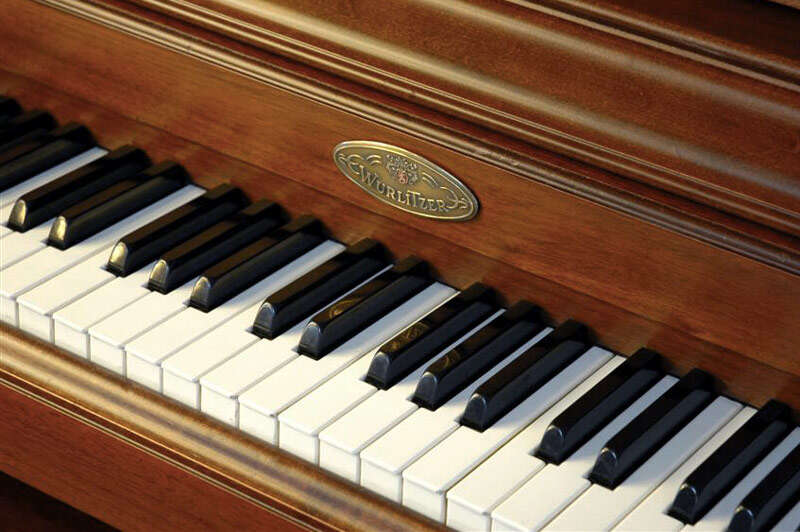
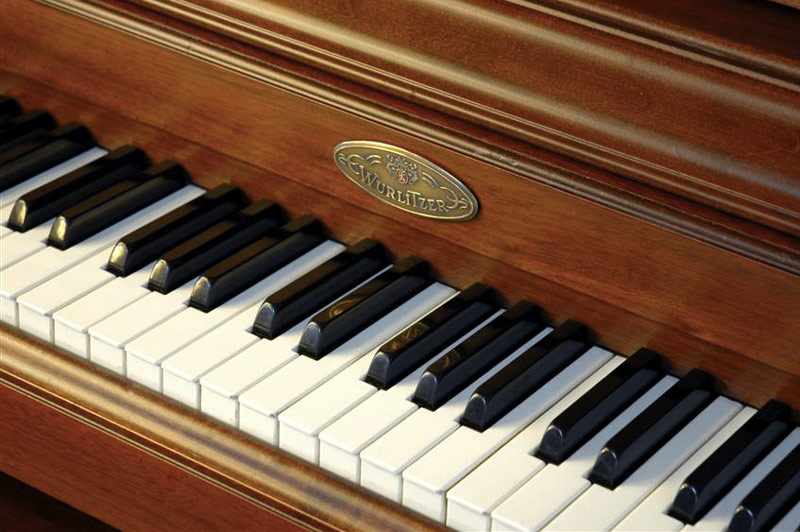
This is why the question “is Wurlitzer a good piano” cannot be answered with a simple yes or no. The model and condition matter more than the logo on the fallboard.

Wurlitzer Electric Pianos Are Different
A Wurlitzer electric piano is not the same as a Wurlitzer acoustic piano. The classic Wurlitzer electric piano creates sound with struck metal reeds and pickups. It does not use strings and a soundboard in the same way as a traditional piano.
The Wurlitzer 200A is the best-known model. It has a bright, gritty, slightly nasal sound that responds strongly to touch. Players can make the tone clean and gentle or loud and edgy by changing how hard they play.
Wurlitzer electric pianos became important in many styles of music. Their sound appears in soul, jazz, rock, pop, and gospel recordings. The tone is especially useful when a standard acoustic piano sounds too clean or too large in a mix.
Common benefits include:
• A unique tone that is easy to recognize
• Strong response to playing dynamics
• A compact design compared with a grand piano
• Vintage character that modern keyboards often imitate
• Excellent use in recording and live performance
Common drawbacks include:
• Older units may need reed, pickup, amplifier, or key repairs
• Original parts can be expensive or hard to find
• Some models are heavy and awkward to move
• The built-in amplifier may produce noise
• Vintage prices can be high because of collector demand
So, if someone asks “is Wurlitzer a good piano,” clarify whether they mean an acoustic piano or an electric keyboard. The two instruments serve very different purposes.

Wurlitzer Piano Sound and Playing Feel
A piano’s sound depends on its scale design, hammers, strings, soundboard, and condition. In a Wurlitzer acoustic piano, age often changes the sound more than the original factory design. Hardened hammers can make the tone sharp, while worn hammers can make it dull.
A skilled technician can sometimes improve the tone through voicing. Voicing adjusts the shape and firmness of the hammer felt. It can make a piano softer, brighter, or more balanced.
The playing feel also varies. Some Wurlitzer pianos have a light action that feels easy for beginners. Others feel heavier, especially when the action has not been cleaned or regulated. Sticky keys may point to dirt, swollen wood, worn bushings, or past moisture damage.
When testing a Wurlitzer, play:
• Soft notes near the bottom, middle, and top
• Repeated notes with the same finger
• Scales at different speeds
• Loud chords and very quiet chords
• The sustain and soft pedals
• Every key, including black keys
Listen for uneven volume, buzzing, clicking, rattling, and notes that fail to sound. A few small issues may be normal in an old piano. Many problems together may signal a costly restoration.
Are Wurlitzer Pianos Good for Beginners?
For many beginners, a Wurlitzer acoustic piano can be a practical choice. A student needs working keys, stable tuning, a useful range of tone, and a comfortable action. The piano does not need to be famous to support good practice.
A well-maintained Wurlitzer can help a new player learn:
• Correct hand position
• Scales and chords
• Reading music
• Pedal control
• Dynamics and expression
• Basic classical and popular songs
The main risk is buying a piano with serious defects. A student may lose motivation if several keys stick or if the piano sounds badly out of tune. Before purchase, have a piano technician inspect the instrument, especially if the seller cannot provide service records.
A digital piano may be a better choice if you need headphones, volume control, recording tools, or easy transport. An acoustic Wurlitzer may be better if you want natural strings, a real wooden action, and a traditional playing experience.
Wurlitzer Piano Quality and Durability
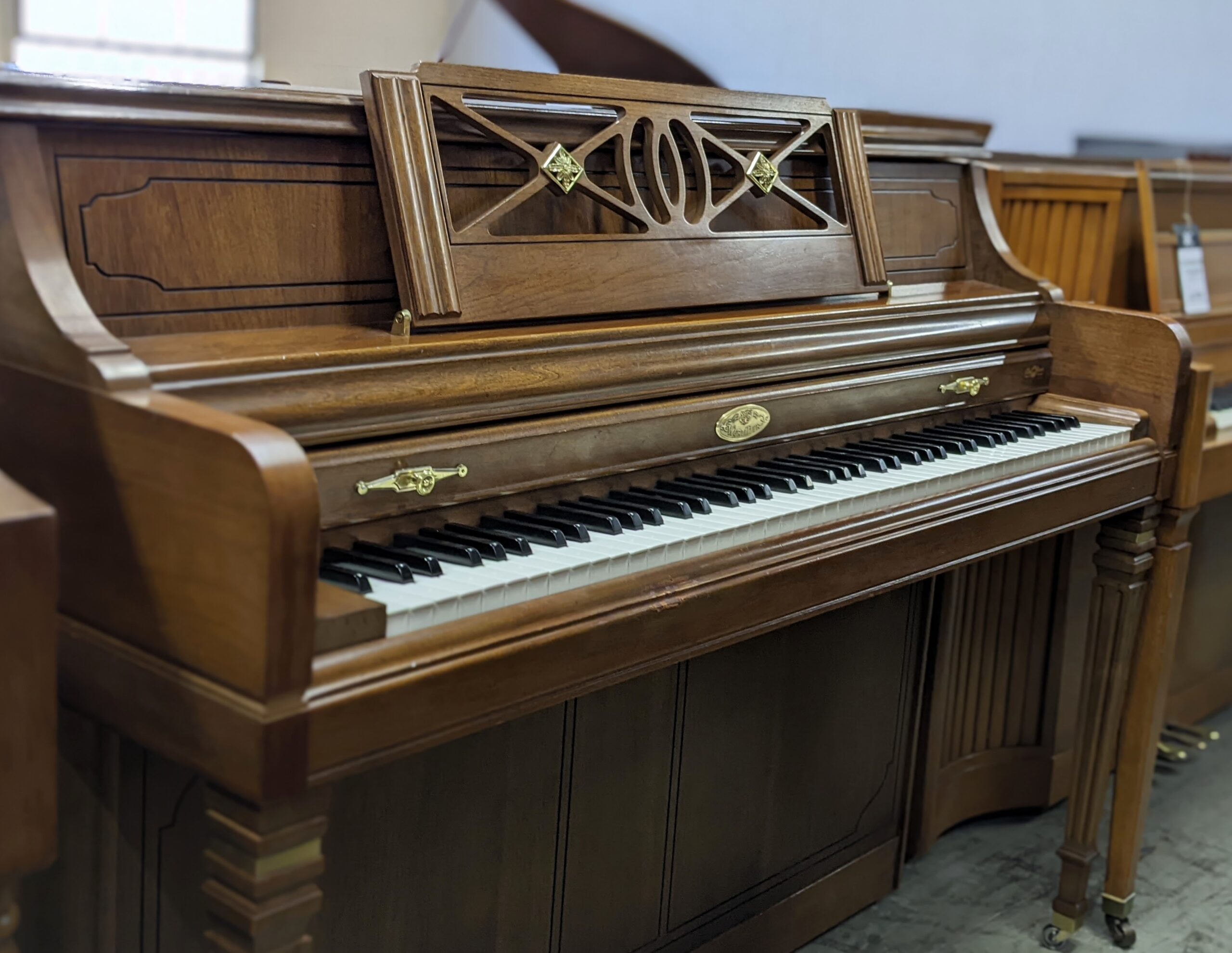
Wurlitzer quality varies across models and production periods. Many instruments were made for everyday use, but they were not all designed as high-end professional pianos. A small spinet, for example, usually has different limits than a larger studio upright.
A piano can last for many decades when it stays in a stable indoor environment. Heat, cold, dry air, damp air, and direct sunlight can cause damage. Sudden climate changes may affect tuning, glue joints, soundboards, and cabinet finishes.
Important parts to inspect include:
• Soundboard: Look for major cracks, bulges, or buzzing.
• Bridges: Check for splits around the bridge pins.
• Tuning pins: Loose pins make regular tuning difficult.
• Strings: Rust and broken strings can increase repair costs.
• Hammers: Deep grooves show heavy use.
• Action: Keys should return quickly and evenly.
• Pedals: They should move smoothly without loud noise.
• Cabinet: Water damage and swelling may reveal storage problems.
In my piano evaluations, I treat condition as the first filter and brand as the second. A clean, stable Wurlitzer with a recent inspection can be a smart buy. A cheap Wurlitzer with major structural damage is rarely a bargain.

Common Problems With Older Wurlitzer Pianos
Older Wurlitzer pianos can develop problems that are common across many vintage acoustic pianos. These problems do not automatically make the instrument bad. They do affect the total ownership cost.
Typical issues include:
• Tuning instability from loose tuning pins
• Worn hammers that create a harsh or weak tone
• Sticky keys caused by dirt, swelling, or worn parts
• Noisy action parts and pedals
• Cracked or loose bridge areas
• Damaged felts and brittle bushings
• Cabinet damage from moisture or moving accidents
• A soundboard buzz that needs professional diagnosis
Some repairs are simple. Cleaning, minor regulation, voicing, and replacing a few felts may restore a piano quickly. Structural repairs can be far more expensive and may not make financial sense on a low-priced instrument.
Do not assume that a piano is healthy because it looks attractive. Cabinet polish can hide years of poor storage. Always open the top and inspect the interior with a technician.
How Much Is a Wurlitzer Piano Worth?
The value of a Wurlitzer depends on the model, condition, location, age, finish, and recent service. Acoustic Wurlitzer pianos often sell for modest prices in local markets because moving them is expensive and demand is limited.
A piano may have little resale value but still be useful. This is common with older spinets and small uprights. The cost of transportation and tuning can exceed the purchase price.
When estimating value, include:
• Purchase price
• Moving fees
• First tuning
• Inspection cost
• Immediate repairs
• Future maintenance
• Insurance or climate control, if needed
Wurlitzer electric pianos follow a different market. A clean, original, working 200A may be valuable to musicians and collectors. Modified or incomplete units may still be useful, but their value depends on the quality of the repairs.
Never pay a premium for a Wurlitzer simply because it is vintage. Vintage does not always mean rare, reliable, or valuable.
Wurlitzer vs. Yamaha and Kawai
Yamaha and Kawai are often easier choices for buyers seeking a modern used piano. Their models are widely documented, and replacement parts and technician knowledge are usually easy to find. Many Yamaha and Kawai instruments also have stronger resale demand.
Wurlitzer may still win in a few areas:
• Lower purchase price
• A distinctive older tone
• A compact vintage design
• Availability in local listings
• A simple piano for basic home practice
Yamaha and Kawai often win in:
• Consistent manufacturing
• Long-term resale value
• Parts availability
• Modern action design
• Predictable tone and touch
This comparison does not mean every Yamaha or Kawai is better. A damaged Yamaha can be a poor purchase, while a serviced Wurlitzer can be enjoyable for years. The best choice is the instrument that passes inspection and fits your needs.
What to Check Before Buying a Wurlitzer
Use a careful process instead of making a quick emotional purchase. A piano can look charming in a living room and still need major work.
1. Find the serial number
The serial number can help identify the approximate age and production period. It may appear inside the piano, near the tuning pins, or on the frame.
2. Test every key
Play each key slowly and quickly. Check for weak notes, sticking, clicking, and keys that fail to return.
3. Test the pedals
The sustain pedal should work smoothly. The soft pedal should change the response or tone, depending on the model.
4. Inspect the interior
Look for rust, cracks, insect damage, loose parts, and signs of water exposure. Do not touch delicate components without guidance.
5. Ask about service
Request records for tuning, repairs, regulation, and moving. A seller who says “it was recently tuned” should be able to explain when and by whom.
6. Hire a piano technician
An inspection is one of the best ways to avoid a costly mistake. A technician can identify problems that a beginner may not hear or see.
7. Calculate the full cost
Add the purchase price, delivery, tuning, repairs, and climate needs. This gives you the real cost of ownership.
This checklist is especially useful when deciding “is Wurlitzer a good piano” for your home. It turns a vague brand question into a clear buying decision.
When a Wurlitzer Piano Is a Good Choice
A Wurlitzer may be a good choice when you want an affordable instrument for home use. It can work well for beginners, casual players, songwriters, churches, and people who enjoy vintage tone.
Choose one when:
• The keys and pedals work properly
• The piano holds a reasonable tune
• The technician finds no major structural damage
• The sound suits your taste
• The price leaves room for basic service
• You have enough space for delivery and maintenance
A Wurlitzer electric piano may be ideal for recording or performance. Its character can add life to a track in a way that a clean digital piano cannot fully copy.
When You Should Avoid a Wurlitzer
Avoid a Wurlitzer when the seller refuses an inspection or hides the serial number. Be cautious if the piano has severe rust, many broken strings, loose tuning pins, a cracked bridge, or major soundboard damage.
You should also look elsewhere if you need:
• A silent practice mode
• Headphone use
• Easy transportation
• A guaranteed modern warranty
• Strong resale value
• A concert-level instrument
A free piano is not always free. Delivery, tuning, repairs, and climate problems can quickly create a large bill. This is one of the most important lessons for anyone researching “is Wurlitzer a good piano.”
How to Maintain a Wurlitzer Piano
Good maintenance can protect both sound and value. Schedule tuning when the piano needs it, often once or twice each year for a regularly played acoustic piano. A technician can recommend the right schedule based on climate and use.
Keep the piano away from:
• Radiators and heating vents
• Air conditioners
• Damp basements
• Direct sunlight
• Exterior walls with major temperature changes
• Open windows during extreme weather
Do not place drinks, plants, or heavy decorations on the piano. Liquid damage can reach the action and soundboard. Use a soft, dry cloth for the cabinet and leave internal cleaning to a qualified technician.
For a Wurlitzer electric piano, maintenance may include cleaning contacts, checking the amplifier, inspecting pickups, and replacing worn components. Vintage electronics should be serviced by someone familiar with high-voltage equipment.
Frequently Asked Questions About Is Wurlitzer a Good Piano
Is Wurlitzer a good piano for beginners?
Yes, a well-maintained Wurlitzer can be good for beginners. It offers a traditional playing experience at a modest price, but a technician should check it before purchase.
Are Wurlitzer pianos still made?
Most Wurlitzer acoustic piano production ended decades ago, so most instruments found today are used. The name is best known now for vintage acoustic pianos and classic electric pianos.
Is a Wurlitzer electric piano worth buying?
A Wurlitzer electric piano can be worth buying if it is complete, working, and priced according to its condition. Its distinctive reed-based sound is valuable for recording, live music, and collectors.
How long do Wurlitzer pianos last?
A Wurlitzer piano can last for many decades with stable humidity, regular tuning, and proper repairs. Its useful life depends more on maintenance and structural condition than on age alone.
Do Wurlitzer pianos hold their value?
Most Wurlitzer acoustic pianos have modest resale value because they are older and costly to move. Certain electric models, especially clean and original examples, may hold stronger value because musicians and collectors seek them.
Should I buy a Wurlitzer piano without testing it?
No. You should test every key and pedal and arrange a professional inspection whenever possible. A low price does not protect you from hidden repair costs.
Conclusion
So, is Wurlitzer a good piano? It can be, especially when you find a well-kept model at a fair price. Wurlitzer acoustic pianos can serve beginners and casual players, while Wurlitzer electric pianos offer a rare vintage sound for modern music.
The safest approach is simple: identify the model, test the instrument, inspect its condition, and budget for delivery and service. Do not buy based on the name alone. If you find a promising Wurlitzer, ask a qualified piano technician to evaluate it before you commit, and share your experience or questions with other piano players.

Senior Music Reviewer
Alex Carter is a seasoned music reviewer with over a decade of experience in the world of sound and instruments. Passionate about helping musicians and enthusiasts make informed choices, he brings sharp insights and in-depth knowledge to every review. From classical instruments to modern gear, Alex combines technical expertise with a love for music to deliver content that resonates with readers.
As a Senior Music Reviewer and expert author on Tuneluma.com, Alex is dedicated to sharing honest evaluations, practical advice, and thoughtful commentary to guide readers in their musical journey.