Best Wood For Solid Body Guitar: Top Tonewoods Explained
The best wood for a solid body guitar is usually alder, mahogany, ash, maple, or basswood, based on your tone and budget.
You may have a guitar project on your bench, but the wood choice feels harder than the routing, sanding, and finish work. A heavy wood can add sustain yet make a guitar tiring to hold. A light wood can feel easy and lively, but it may dent more easily. I reviewed these solid guitar body blanks and replacement bodies with those real concerns in mind. I also looked at grain, weight, workability, finish potential, pickup layout, and value so you can choose the best wood for solid body guitar projects with more confidence.
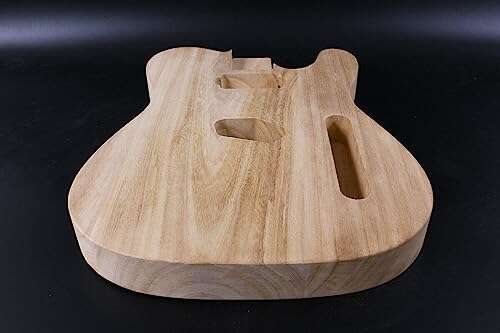
Paulownia T-Style Guitar Body Blank

This unfinished T-style body blank uses paulownia, a wood known for its very low weight. That makes it appealing for players who want a comfortable guitar for long rehearsals or stage sets. The T-style shape also gives you a familiar starting point for a classic custom build. I like this option for a first project because paulownia cuts quickly with sharp tools.
Paulownia has a soft surface, so I would handle it with care during routing and clamping. A thin, hard finish can help protect the body from dents and small knocks. Its light color also accepts stains, solid colors, and painted finishes well. If comfort matters more than a dense, powerful acoustic voice, this is one of the best wood for solid body guitar choices in this list.
Pros:
- Very light for comfortable playing
- Easy to shape with common shop tools
- Works well for a custom T-style build
- Light color suits paint and stain
- Useful choice for players with shoulder strain
Cons:
- Soft grain can dent during building
- Needs careful routing and clamping
- May need a strong protective finish
Conboxus Paulownia HSH Guitar Body

This Conboxus body blank is made from paulownia and follows an HSH-style layout. That pickup route gives you room for a humbucker, single coil, and another humbucker. It suits players who want broad tones from one instrument. The body arrives unfinished, so you can set the look and wiring plan yourself.
I would check the bridge, neck pocket, control cavity, and pickup route before applying finish. Body blanks can require small adjustments, and careful measurement prevents costly mistakes. Paulownia keeps the instrument light, which helps when an HSH guitar has several pickups and extra hardware. It is a smart pick for a flexible DIY build, though it needs more dent protection than harder woods.
Pros:
- Light body reduces shoulder and back fatigue
- HSH layout supports many pickup sounds
- Good canvas for custom paint
- Easy material for beginner woodworkers
- Leaves room for personal wiring choices
Cons:
- Soft wood needs careful handling
- Routing accuracy still requires close checks
- Hardware may add much of the final weight
Basswood Three-Piece Guitar Body Blank

This Exotic Wood Zone basswood blank uses three glued pieces and measures about 21 by 14 by 2 inches. Basswood has a fine, even texture and a relatively low weight. It is popular in factory guitars because it offers a balanced base for amplified sound. The blank size should give many builders enough material for common solid-body shapes.
Basswood sands with little effort and usually takes an opaque finish very well. Its plain grain may not be the first choice for a clear natural finish, but that is an advantage for bold colors and artwork. I would seal the surface before painting and check the glue joints during layout. For many players, basswood is the best wood for solid body guitar work when easy shaping and fair cost matter most.
Pros:
- Light and comfortable for regular use
- Even texture makes sanding simple
- Good base for solid-color finishes
- Three-piece construction can reduce waste
- Suitable for many standard body designs
Cons:
- Grain may look plain under clear finish
- Soft surface can show dents
- Glued sections need careful finish work
Exotic Wood Zone Basswood Blank

This second basswood option is an unfinished blank designed for custom guitar building. Its listed size is about 21 by 14 by 2 inches, which fits many common electric guitar templates. Basswood is easy to work by hand or with a router when you use sharp bits. It also gives beginners a forgiving material for learning body shaping.
I see this blank as a practical choice for a painted guitar rather than a showpiece with a clear coat. Basswood usually has a soft, neutral visual character, so your color, pickguard, and hardware can become the stars. Before cutting, I would compare the blank with your exact neck and bridge measurements. This is a useful best wood for solid body guitar option when you want low weight, simple work, and broad design freedom.
Pros:
- Helpful size for common DIY templates
- Easy to sand and rout
- Light enough for comfortable playing
- Works well with painted finishes
- Good learning material for new builders
Cons:
- Not ideal for a highly figured clear finish
- Can mark under hard clamps
- Requires accurate hardware measurements
Exotic Wood Zone White Ash Blank

This white ash body blank is listed at about 21 by 15 by 1-3/4 inches and comes as three planed pieces. Ash has a strong, open grain that can look excellent under a transparent stain. It also has a firm feel and can produce a lively response in a solid electric guitar. The extra width gives you useful room when choosing a body template.
Ash takes more sanding and pore filling than basswood, but the visual reward can be worth the time. I would use a grain filler before a clear or translucent finish if I wanted a smooth surface. White ash can also add weight, so I would consider chambering or a lighter hardware setup for a long-scale build. For a bright look and a pronounced grain pattern, ash is a strong contender for the best wood for solid body guitar projects.
Pros:
- Beautiful open grain for clear finishes
- Firm surface resists small dents better
- Good size for many body shapes
- Planed pieces reduce initial preparation
- Works well for natural-looking builds
Cons:
- Often heavier than basswood or paulownia
- Open pores need extra finish work
- Glued pieces may show under clear coats
Foyarinal Finished Mahogany Guitar Body

This Foyarinal guitar body uses solid mahogany and comes with a glossy painted finish. It is designed for an SSH pickup setup, giving you a bridge humbucker and two single coils. That layout covers clean, blues, rock, and many modern sounds. Since the body is already finished, it can save a great deal of sanding and painting time.
Mahogany is a dense tonewood with a warm feel and strong midrange character. In an electric guitar, pickups, bridge, neck, strings, and setup still shape the final sound, so I would not judge the wood alone. Check the neck pocket and mounting points before assembly. This body suits a builder who wants a fast route to a playable custom guitar rather than a blank for deep carving.
Pros:
- Finished surface saves build time
- Mahogany offers a warm, solid feel
- SSH layout supports varied tones
- Gloss finish gives a ready-made look
- Good option for a quicker parts build
Cons:
- Less freedom than an unfinished blank
- Existing routes limit some designs
- Mahogany may feel heavy to some players
Btuty ST01-TM Candlenut Body

The Btuty ST01-TM is an unfinished electric guitar body made from candlenut wood. Its ST-style format gives you a familiar platform for a simple replacement or DIY project. Candlenut is light and relatively easy to shape, which helps when you need to make small changes. The unfinished surface also lets you choose your own color and clear coat.
I would treat this body as a project part, not a finished instrument. Measure every cavity and mounting hole against your neck, bridge, and pickguard before you cut or drill. A sealer coat can help even out absorption and protect the soft grain. If you want something different from the usual alder or basswood, candlenut may be an interesting best wood for solid body guitar experiment.
Pros:
- Distinct alternative to common body woods
- Light feel helps reduce playing fatigue
- Unfinished surface invites custom designs
- Useful ST-style starting point
- Can be shaped with normal woodworking tools
Cons:
- Less common than alder or maple
- Soft wood needs careful finishing
- Exact fit should be checked before assembly
Mahogany Electric Guitar Body Blank
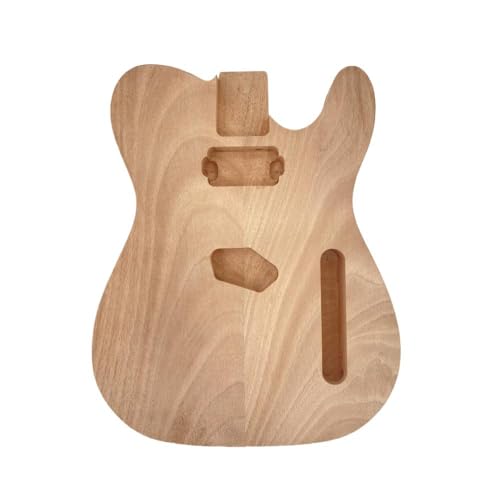
This unfinished mahogany body blank gives you a traditional base for a custom solid-body guitar. Mahogany has a smooth, rich appearance and often shows attractive reddish-brown color after oil or clear finish. Its density provides a substantial feel in the hands. This blank works well for builders who want to choose the shape, finish, and hardware layout from the start.
Compared with paulownia and basswood, mahogany usually asks for more effort during cutting and lifting. I recommend using a sharp router bit, supporting the blank well, and taking shallow passes. The grain can look excellent with a simple clear finish, but test your sealer on scrap first. For a warm, classic build, this is among the strongest best wood for solid body guitar choices here.
Pros:
- Classic appearance suits many guitar styles
- Dense body gives a solid, premium feel
- Works well with oil or clear finishes
- Unfinished format allows full customization
- Good foundation for warm-sounding builds
Cons:
- Can weigh more than light body woods
- Requires careful dust control when cutting
- May need grain filling for a flat finish
American Black Cherry Guitar Blank

This American black cherry blank is listed at about 21 by 14 by 1-3/4 inches and uses two glued, planed pieces. Cherry has a warm natural color that can deepen with age and finish. Its grain can look refined without needing a bright stain. I would consider it for a guitar where the wood itself should provide the visual focus.
Cherry sits between very soft and very hard body woods, so it offers a useful balance of workability and strength. It may take a little more time to rout than basswood, but it can reward careful tool control. A clear finish can reveal the grain, while a light tint can add depth without hiding it. This is a strong best wood for solid body guitar pick when appearance and everyday durability both matter.
Pros:
- Attractive warm color under clear finish
- Planed blank reduces preparation work
- Good balance of strength and workability
- Suitable for natural-looking custom guitars
- Two-piece format can support a stable build
Cons:
- May cost more than basic basswood
- Glue line needs attention in a clear finish
- Can be heavier than very light woods
Yinfente Mahogany Body With Maple Veneer
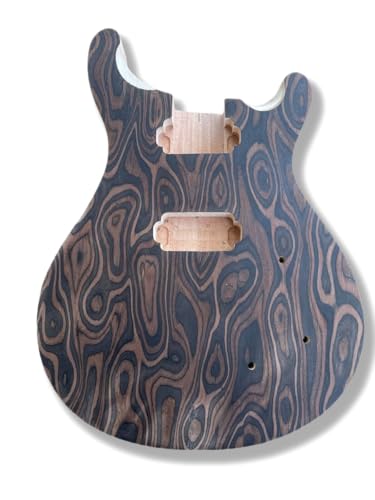
This Yinfente body combines a mahogany body with a flame maple veneer and an HH pickup layout. The veneer adds a figured face that can make a finished guitar look far more expensive. The two humbucker routes suit players who want a thick bridge sound and a full neck sound. It arrives unfinished, so you can choose the clear coat, tint, and final gloss level.
The veneer needs gentle sanding because aggressive work can cut through the thin decorative layer. I would also test the finish on a hidden area or scrap before committing to the full top. Mahogany supplies a firm base, while the maple face adds visual contrast rather than turning the whole body into solid maple. For a striking HH build, this may be the best wood for solid body guitar project when looks matter as much as feel.
Pros:
- Flame maple veneer creates a standout face
- Mahogany body gives a substantial platform
- HH layout fits many rock and high-gain rigs
- Unfinished surface allows finish control
- Good choice for a custom showpiece
Cons:
- Veneer requires careful sanding
- Heavy body may not suit every player
- Existing pickup routes reduce layout freedom
My Recommendation
After comparing these options, I would match the body wood to the player, not to a tonewood slogan. For most first-time builders, basswood offers the easiest mix of low weight, simple shaping, and affordable finishing. For a natural grain finish, I prefer white ash or black cherry. For a warm, substantial feel, mahogany remains a dependable classic.
Paulownia and candlenut make sense when comfort is the main goal. They help keep a finished guitar from becoming a shoulder workout, but both need extra care because their surfaces are soft. The finished Foyarinal mahogany body is the quickest route for someone who wants less finishing work. The Yinfente body is better for a bold HH guitar with a decorative top.
| Best for | Why |
|---|---|
| Lightweight guitar builds | Paulownia and candlenut help reduce body weight and playing fatigue. |
| Natural grain finishes | White ash, mahogany, and black cherry offer attractive grain and color. |
| Easy beginner projects | Basswood is simple to sand, rout, seal, and paint. |
How I Choose the Best Wood for Solid Body Guitar
When I review a guitar body blank, I start with the wood species, but I do not stop there. A good body must also have useful dimensions, sound glue joints, a workable surface, and routes that match the planned hardware. A famous wood can still disappoint if the neck pocket is wrong or the blank is too small for the template. Build quality matters as much as the species name.
I also consider how the guitar will feel after assembly. A body that looks beautiful on a workbench may become uncomfortable after you add a heavy bridge, tuners, pickups, and control plates. Weight matters even more on a long-scale guitar or a guitar used for several hours at a time. That is why paulownia and basswood can be excellent choices, even though they lack the prestige of mahogany or ash.
Alder, Ash, Mahogany, Maple, or Basswood?
Alder remains one of the safest all-purpose choices for a solid electric guitar. It often gives a balanced response and works with almost any pickup style. It is also easy to finish, which explains why many classic bolt-on guitars use it. None of the listed products uses alder, but it is a useful reference when comparing the best wood for solid body guitar builds.
Ash brings a more visible grain and can suit a transparent finish. Swamp ash may be lighter than some other ash boards, while dense ash can add noticeable weight. Mahogany often feels warm and firm, with a strong midrange and a rich look. Maple is very hard and bright in feel, so builders often use it as a top or neck rather than as the entire body.
Basswood sits near the easygoing end of the scale. It is light, smooth, and friendly to paint, but it can dent more easily. Paulownia is even lighter and may feel lively, yet its soft surface demands good finishing habits. The best wood for solid body guitar depends on the balance you want between weight, appearance, workability, and durability.
Does Guitar Body Wood Change Electric Guitar Tone?
Yes, body wood can affect the way a guitar vibrates, but its effect is often smaller than online arguments suggest. Electric guitar tone comes from the pickup, pickup height, strings, bridge, neck joint, electronics, amplifier, and player. The body still affects weight, sustain, resonance, attack, and how the instrument feels against your body. I treat wood as one part of the sound system.
A dense body may feel firm and sustain well, while a light body may respond quickly and feel more open. These are broad tendencies, not fixed rules. Two pieces of the same species can differ because of density, moisture, grain, and construction. If you want a reliable build, choose a well-made body first and use pickups and setup to shape the final voice.
Unfinished Guitar Body Buying Tips
Start by checking the listed length, width, and thickness. Compare those measurements with your template before buying. A body can look large enough in a photo but lose usable space after you account for curves and routing. Also confirm whether the body is a blank, a rough-cut shape, or a nearly finished replacement body.
Next, inspect the pickup and bridge layout. A blank gives you the most freedom, but a pre-routed body saves time. If the product has an HSH, SSH, or HH route, make sure it matches your pickups and pickguard. Small differences in spacing can create a frustrating assembly problem.
Look closely at glued pieces and decorative veneers. A multi-piece blank is not automatically poor quality. In fact, careful glue work can make an excellent stable body. However, a clear finish will show the joint, so plan the body color and grain direction before you begin.
Finally, plan your finish before sanding. Soft woods often need a sealer or sanding sealer to prevent uneven absorption. Open-grain woods such as ash and mahogany may need pore filler for a flat gloss surface. Always wear eye protection and a proper dust mask when cutting or sanding wood.
How Much Does Guitar Body Weight Matter?
Body weight affects comfort more than many new builders expect. A guitar may feel fine for five minutes and painful after a full set. Neck angle, strap position, and body balance also matter, but the body is a major part of the total load. If you already own a heavy guitar, a lightweight wood can make your next build feel like a fresh start.
Paulownia and basswood are good choices for low-weight builds. Mahogany and some ash bodies may feel much heavier. Hardware can shift the result, too. A large tremolo, metal control plate, set of locking tuners, and multiple humbuckers all add weight.
I recommend weighing the blank if the seller provides that information. If not, ask about expected body weight before ordering. Remember that a body blank may lose a little material during routing, but it can gain several ounces after hardware and finish are installed.
How to Finish Different Guitar Body Woods
Basswood and paulownia usually benefit from a solid color or a carefully sealed translucent color. Their light surfaces make bright finishes easy to build. Use thin coats and let each coat dry fully. A rushed finish can trap moisture and make a soft body feel uneven.
Ash looks attractive with stain, oil, or clear lacquer, but its open pores can remain visible. Grain filler helps create a glass-like surface. Mahogany also has open pores, so it may need similar preparation. If you prefer a natural satin feel, you can leave some texture rather than filling every pore.
Cherry often needs less visual help because its color and grain already provide character. A clear finish can protect it while keeping the natural look. Maple veneer demands light sanding and an even finish schedule. Never sand a figured top as if it were a thick solid board.
Common Guitar Body Building Mistakes
The first mistake is cutting before confirming measurements. I have seen builders trust a generic template and then discover that the neck pocket or bridge placement does not match the parts. Measure from the centerline. Mark the scale length and bridge position before drilling.
The second mistake is removing too much wood too quickly. A router can remove material in seconds, but putting wood back is impossible. Use shallow passes, secure the blank, and support the router base. Sharp tools improve control and reduce tear-out.
The third mistake is ignoring body balance. A very light body with a heavy neck can suffer from neck dive. A large body with heavy hardware can become tiring. Think about the complete guitar, not just the attractive blank on the listing page.
The fourth mistake is assuming a body wood guarantees a certain tone. I would rather see a builder buy a clean, stable basswood blank and choose good pickups than chase a rare wood with poor dimensions. The best wood for solid body guitar is the wood that fits the complete design and the player’s needs.
FAQs Of best wood for solid body guitar
What is the best wood for solid body guitar overall?
Alder is one of the best all-purpose choices because it offers balanced weight, easy finishing, and a versatile response. Basswood is a strong low-cost alternative, while mahogany suits a warmer, heavier build.
Is basswood good for a solid body electric guitar?
Yes. Basswood is light, easy to shape, and friendly to painted finishes. It may dent more easily than ash or maple, so use care during building and apply a protective finish.
Is mahogany too heavy for a guitar body?
Not always. Mahogany can be heavier than paulownia or basswood, but body thickness, chambering, hardware, and the individual board all affect final weight. Check the expected weight before buying.
Does a maple top make a guitar sound brighter?
A maple top can influence attack and appearance, but pickups and the rest of the guitar have a major effect. Many builders choose maple veneer or a maple cap mainly for its attractive figure.
What wood is easiest for a beginner to shape?
Basswood is usually one of the easiest choices. Paulownia is also easy to cut, but it is softer and can dent under clamps or rough handling.
Final Verdict: Which Should You Buy?
I recommend the basswood blank for most first builds because it is light, easy to shape, and affordable. Choose ash or cherry for grain, mahogany for a warm classic feel, and paulownia for low weight. Each can be the best wood for solid body guitar when matched to the right project.
Measure every part before cutting, protect soft wood, and plan the finish early. A careful build matters more than a famous species name. These guitar body options give DIY players a practical place to start.

Senior Music Reviewer
Alex Carter is a seasoned music reviewer with over a decade of experience in the world of sound and instruments. Passionate about helping musicians and enthusiasts make informed choices, he brings sharp insights and in-depth knowledge to every review. From classical instruments to modern gear, Alex combines technical expertise with a love for music to deliver content that resonates with readers.
As a Senior Music Reviewer and expert author on Tuneluma.com, Alex is dedicated to sharing honest evaluations, practical advice, and thoughtful commentary to guide readers in their musical journey.