Introduction
For most beginners in the United States, the violin feels harder than the piano during the first months of learning. The main reason is simple: a piano key gives you a fixed pitch, while a violin player must find each note by ear and finger position.
That does not mean the piano is easy. Piano players must learn two clefs, read several notes at once, use both hands independently, and control rhythm across complex pieces. Over time, advanced piano can become just as demanding—or more demanding—than many violin tasks.
The best answer depends on your age, goals, practice time, musical background, and preferred learning style. This guide compares the two instruments in a fair way so you can choose the better starting point.


Quick answer: Is violin harder than piano?
Yes, the violin is usually harder to start, but piano is not automatically easier to master.
The violin has a steeper early learning curve because beginners must:
- Produce a clean sound with the bow.
- Place fingers accurately without marked keys.
- Keep the instrument and bow in a stable position.
- Control pitch by listening closely.
- Coordinate the left hand and right arm.
The piano is often easier at the beginning because pressing a key produces a clear note. Beginners can play simple melodies within their first lessons.
However, piano becomes difficult when the player must read both hands, use complex rhythms, play with expression, and perform advanced music. The challenge shifts from making a note to controlling many notes at once.
Violin vs. piano at a glance
| Skill | Violin | Piano |
|---|---|---|
| Making a clear first sound | Harder | Easier |
| Playing in tune at first | Harder | Easier |
| Reading music | Moderate | Moderate to hard |
| Hand independence | Moderate | High |
| physical setup | More demanding | Simpler |
| Portability | Usually easier | Often harder |
| Early progress | Slower | Faster |
| Advanced technique | Very demanding | Very demanding |
| Playing melody | Natural fit | Easy |
| Playing many notes at once | Limited by one player | Natural fit |
The key difference is not total difficulty. It is when the difficulty appears and what form it takes.
Why the violin feels harder at first
The violin has no frets or keys that show exactly where each note belongs. A beginner must place the finger in the right spot on the string, then adjust by listening.
A small finger movement can make a note sound sharp or flat. This is called intonation, or the accuracy of pitch. New players often hear squeaks, weak notes, or sounds that seem close but not correct.
The bow adds another layer. The player must control:
- Bow speed.
- Bow pressure.
- Bow angle.
- Contact point on the string.
- Distance from the bridge.
- Smooth changes in direction.
If any one of these changes too much, the tone can become rough. This is why a beginner may spend weeks learning to make a steady sound before playing a full song.
The violin requires constant feedback
Piano keys give visual and physical feedback. The key is in one place, and the note is tuned before the player touches it.
The violin gives less direct feedback. Players must use their ears, fingers, eyes, and body position together. This makes violin practice more demanding for beginners, but it also develops strong listening skills.


Posture matters more on violin
A violin rests between the shoulder, neck, and chin. The left hand supports the neck while the right arm moves the bow. Poor posture can make the instrument feel unstable.
A teacher can help prevent habits such as:
- Raising the shoulder.
- Bending the wrist sharply.
- Gripping the bow too tightly.
- Pressing the chin down with too much force.
- Turning the instrument away from the correct angle.
Pain is not a normal sign of progress. A player who feels pain, numbness, or lasting tension should stop and ask a qualified music teacher or health professional for help.
Beginner violin progress is often less obvious
A new piano student may play a simple tune after one lesson. A new violin student may spend the same time learning how to hold the bow and place the fingers.
That can feel discouraging. It does not mean the violin student is learning less. Early violin work builds control that later allows the player to play in tune and create a richer tone.

Why piano feels easier at first
The piano offers a clear layout. The white and black keys repeat in a pattern, and each key produces a set pitch. This lets beginners focus on rhythm, note names, and reading music.
A student can often play a simple melody with one finger soon after beginning. Chords are also easy to produce compared with violin chords. The player presses several keys, and the piano creates the sound.
This early success is one reason many children and adults start with piano.
Piano still demands complex coordination
Piano playing becomes harder when both hands perform different jobs. One hand may play the melody while the other plays chords or a bass line.
More advanced pieces may require the player to:
- Read treble and bass clefs at the same time.
- Play different rhythms in each hand.
- Use pedals without blurring the sound.
- Control several volume levels at once.
- Move across a large keyboard.
- Memorize long passages.
- Shape phrases with touch and timing.
A piano does not remove coordination. It changes the type of coordination required.
Piano reading can become a major challenge
Many beginners think piano music is easy because the notes are visible on the keyboard. That advantage can fade as the music grows more complex.
Piano notation often shows several notes at the same time. A player may need to read melody, harmony, rhythm, dynamics, and pedal marks in one passage.
A violin player often reads one main melodic line. A pianist may read a full musical texture. This makes advanced sight-reading especially demanding on piano.


Piano can hide weak technique
Because a piano produces a clean note with little effort, beginners may play songs without learning good hand shape or relaxed movement. Later, fast scales, repeated chords, and long practice sessions may expose those weaknesses.
Piano students should still learn to:
- Sit at the right height.
- Keep wrists flexible.
- Avoid collapsing the fingers.
- Use relaxed arm movement.
- Take short breaks during practice.

Which instrument is harder to learn: violin or piano?
For the first year, violin is usually harder for most beginners. Piano often provides faster progress because the notes are fixed and the first sound is easier to produce.
After the beginner stage, the answer becomes less clear. Difficulty depends on the type of music and the skill being measured.
A practical difficulty comparison
| Learning stage | Usually harder | Main reason |
|---|---|---|
| First clear sound | Violin | Bow control is difficult |
| First simple song | Violin | Pitch and tone need more control |
| Basic note reading | Similar | Both use standard notation |
| Two-hand coordination | Piano | Hands often play different parts |
| Playing in tune | Violin | Pitch must be created by the player |
| Playing chords | Piano | Several notes are available at once |
| Advanced solo music | Both | Each has demanding techniques |
| Playing with an ensemble | Both | Timing and listening become critical |
This table is a guide, not a rule. A student with strong rhythm may find piano easy at first but struggle with hand independence. A student with a good ear may adapt to violin pitch more quickly.
The music you want to play changes the answer
If you want to play classical piano, jazz, film music, or pop arrangements, piano may be the more useful first instrument.
If you want to play orchestral music, fiddle tunes, chamber music, or melodic solos, violin may match your goal better.
A motivated student often handles a difficult instrument better than a bored student handles an easy one. Interest affects practice, and practice has a major effect on progress.
Violin or piano: which is better for a child?
For many young children in the United States, piano is the simpler first instrument. The child can sit at the instrument, press a key, and hear a stable note.
Violin can also be a good choice, especially when the child enjoys singing, copying sounds, or playing melodies. A patient teacher and a properly sized instrument matter greatly.
Piano may suit a child who:
- Likes patterns and puzzles.
- Enjoys harmony and chords.
- Wants quick early results.
- Can focus on reading two lines of music.
- Has regular access to a piano or keyboard.
Violin may suit a child who:
- Loves singing or melodic music.
- Has a strong interest in orchestras.
- Enjoys learning by ear.
- Accepts slow early progress.
- Likes physical, hands-on practice.
Parents should not judge progress only by the number of songs a child can play. A violin student may be building bow control, while a piano student may be learning rhythm and reading.
The quality of instruction is often more important than the instrument itself. A good teacher can make either instrument clearer, safer, and more enjoyable.

Which instrument is better for adults?
Adults can learn either instrument successfully. The best choice is usually the one that fits the adult learner’s goals, schedule, space, and motivation.


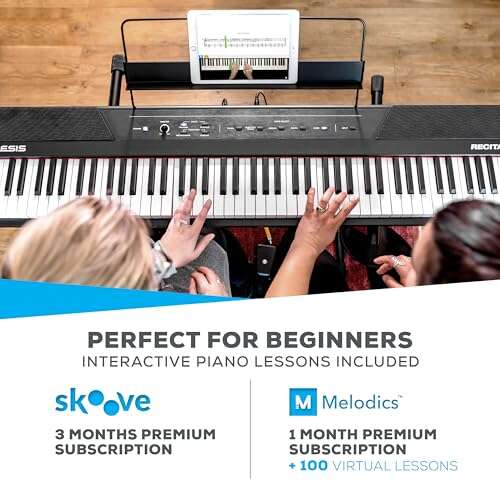
Piano may be more convenient for an adult who wants to practice quietly with headphones on a digital keyboard. It also gives a clear path for learning chords and songs.
Violin may appeal to an adult who wants to play melodies, join a community orchestra, or learn a traditional style. It requires more patience at the start, but many adults enjoy the close link between the ear and the instrument.
Choose piano if convenience matters most
Piano is often easier to practice at home because:
- A digital keyboard can use headphones.
- The instrument does not need tuning before each session.
- A beginner can practice quietly.
- Basic posture is easier to understand.
- Chords and melodies are available from the first lesson.
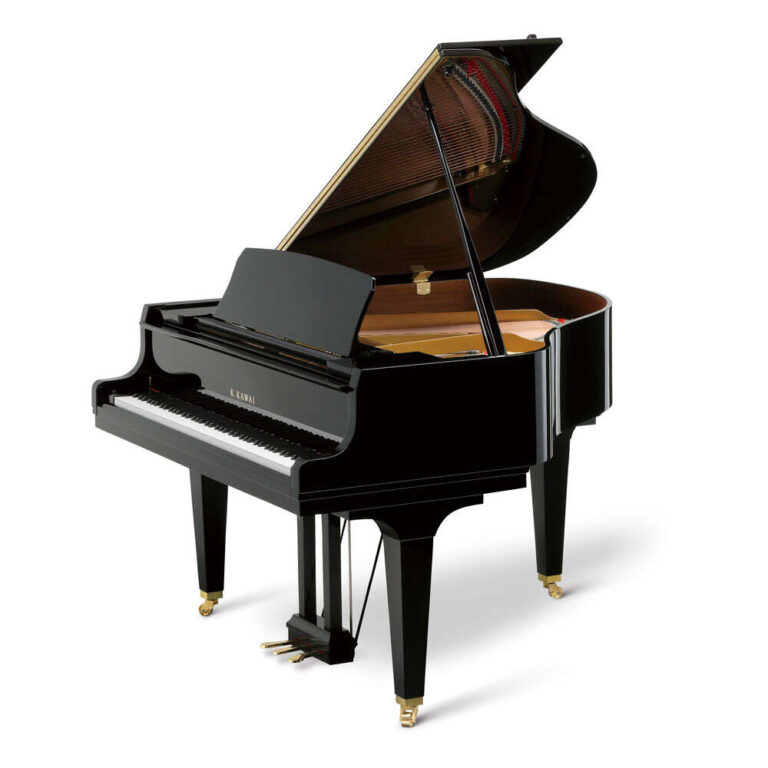
A full acoustic piano needs space and regular tuning. A digital keyboard needs less space, but its key feel and sound vary by model.
Choose violin if expression matters most
The violin can produce wide changes in tone, vibrato, articulation, and volume. These skills take time, but they give the player close control over musical expression.
The violin is also easier to carry to lessons, rehearsals, and group events. It still needs care, such as regular string checks, bow hair maintenance, and safe storage.
How long does it take to learn violin compared with piano?
There is no fixed timetable. Progress depends on lesson quality, practice habits, age, prior experience, and the kind of music the student wants to play.
A realistic pattern looks like this:
First few months
A piano beginner may learn simple melodies, basic chords, and short two-hand pieces.
A violin beginner may work on posture, open-string bowing, finger placement, and short melodies. The sound may remain uneven for a while.
After one year
A consistent piano student may read simple music and play beginner pieces with both hands.
A consistent violin student may play basic scales and songs, but pitch and tone still need close attention. Group playing can help with rhythm and motivation.
After several years
Both students can develop solid skills with regular practice. Piano players may handle more complex harmony and textures. Violin players may improve intonation, shifting, vibrato, bow control, and ensemble skills.
These are broad examples, not promises. Short, focused practice done often is usually more useful than rare, long sessions.
A practical beginner practice plan
For either instrument, start with 15 to 30 minutes on most days:


- Warm up with simple technical work.
- Review one skill from the last lesson.
- Practice a small section slowly.
- Repeat it without stopping.
- Play something enjoyable at the end.
- Write down one problem to ask the teacher about.
For violin, use a mirror or teacher-approved video method to check posture. For piano, practice hands separately when a passage feels too difficult, then combine them slowly.

Is violin harder than piano for small hands or weak fingers?
Small hands do not automatically prevent success on either instrument. Technique and instrument setup matter more than a simple hand-size comparison.
For violin, children should use an instrument sized for their body. A violin that is too large can make posture and finger reach much harder.
For piano, a player does not need to reach large chords at the beginner level. Music can be adapted, and a teacher can help avoid painful stretches.
Weakness is different from normal beginner effort. A student may feel tired after practice, but sharp pain, numbness, or continued soreness needs attention. Stop the activity and seek advice from a qualified teacher or health professional if symptoms continue.
Common mistakes that make either instrument feel harder
Many students blame the instrument when the real problem is practice design or poor setup.
Practicing mistakes
- Playing too fast.
- Repeating errors without fixing them.
- Practicing only favorite songs.
- Skipping warm-ups.
- Using long sessions instead of frequent short ones.
- Waiting until the day before a lesson.
- Ignoring tension or pain.
Slow practice is not a sign of failure. It lets the brain and body learn the correct movement.
Setup mistakes
A violin that is too large, poorly fitted, or out of tune can slow progress. A damaged bow or worn strings can also affect sound.
A piano with poor tuning, uneven keys, or a bad bench height can create problems. Digital keyboards may also feel different from acoustic pianos.
Ask a teacher to check the instrument before assuming the student lacks ability.
Learning alone without feedback
Apps and videos can help with rhythm, note names, and motivation. They may not catch every posture, bow, hand, or tension problem.
A qualified teacher is especially useful during the first stage of violin study. Piano learners also benefit from feedback when they begin using both hands or playing more complex rhythms.

Can learning piano make violin easier?
Yes, piano can help with several parts of violin study. A piano student may already understand rhythm, note names, scales, key signatures, and basic music reading.


However, piano does not teach the physical skills that make violin difficult. A new violin player still needs to learn bow control, intonation, posture, and tone production.
The reverse is also true. Violin study can help a student develop a strong ear, melodic awareness, and phrasing. Those skills can support later piano study.
Learning one instrument first may help, but it does not remove the need to learn the second instrument from the ground up.
What should you choose: violin or piano?
Choose the instrument that you are most likely to practice several times each week.
Use this simple decision guide:
- Choose piano if you want quick early results, chords, music production, or a quiet home practice option.
- Choose violin if you want melodic playing, orchestral music, fiddle styles, or a strong ear-training challenge.
- Choose piano first if you are unsure and want to learn basic music theory through a clear layout.
- Choose violin first if the sound and role of the violin strongly motivate you.
- Try both if possible before buying an instrument.
A short trial lesson is more useful than guessing from difficulty alone. Notice which instrument makes you want to practice again after the lesson.
Frequently asked questions
Is violin harder than piano for beginners?
Usually, yes. Violin beginners must create both pitch and tone, while piano keys provide fixed notes. Piano often feels easier during the first months.
Is piano harder than violin later?
It can be. Advanced piano requires two-hand independence, complex reading, fast movement, harmony, rhythm, and control of several musical layers. Advanced violin requires difficult intonation, bowing, shifting, vibrato, and tone control.
Which instrument is easier to play by ear?
Many beginners find violin natural for playing a single melody by ear. Piano is also useful for ear training because the notes are laid out clearly and several notes can sound together.
Can a child learn violin before piano?
Yes. A child does not need to learn piano first. The child needs a suitable violin size, patient instruction, and support for regular practice.
Is violin or piano better for self-teaching?
Piano is usually easier to begin alone because the notes are fixed and the layout is clear. Violin is more dependent on feedback for posture, bow control, and pitch, so lessons are often more helpful at the beginning.
Which instrument is better for adults with little time?
Piano may offer faster results in short practice sessions. Violin can still work well, but early progress usually requires steady practice because posture, bowing, and pitch depend on repetition.
Conclusion
So, is violin harder than piano? For most beginners, yes—the violin is harder to start because it requires the player to create accurate pitch and a clean tone from the beginning.
Piano gives faster early results, but advanced piano demands major coordination, reading, rhythm, and musical control. Neither instrument is easy at a high level.
Choose based on the music you love, the practice space you have, and the teacher you can access. If you are undecided, take one beginner lesson on each instrument. The better choice is usually the one that makes steady practice feel worth the effort.

Senior Music Reviewer
Alex Carter is a seasoned music reviewer with over a decade of experience in the world of sound and instruments. Passionate about helping musicians and enthusiasts make informed choices, he brings sharp insights and in-depth knowledge to every review. From classical instruments to modern gear, Alex combines technical expertise with a love for music to deliver content that resonates with readers.
As a Senior Music Reviewer and expert author on Tuneluma.com, Alex is dedicated to sharing honest evaluations, practical advice, and thoughtful commentary to guide readers in their musical journey.