Where Did Drums Originate From: A Brief History
Drums likely originated in prehistoric communities at least 8,000 years ago, with early examples found in ancient China and other regions.
The question “where did drums originate from” has no single answer because many cultures developed frame, barrel, and hand drums on their own. Archaeology, ancient art, and living musical traditions show that drums grew from a simple idea: stretch an animal skin over a hollow object, then strike it to make sound. This guide follows the evidence, explains what researchers know, and separates strong facts from popular myths.
Where Did Drums Originate From?
The safest answer to “where did drums originate from” is that drums emerged in several ancient societies rather than from one known inventor or country. Early people had access to hollow logs, clay pots, gourds, animal hides, and wood frames. These materials made it possible to create loud, useful sounds for ritual, dance, work, and communication.
The oldest surviving drums are rare. Skin, wood, and plant fibers decay much faster than stone or pottery. For this reason, researchers often study indirect evidence, such as drum-shaped objects, ancient paintings, carvings, and written records.
Some of the earliest clear evidence points to Neolithic China. Archaeologists have found pottery drums dating back roughly 6,000 to 8,000 years, including examples linked to the Yangshao culture. These drums often used a clay body with a skin head, although the original skins did not always survive.
Other early drum traditions appeared in ancient Mesopotamia, Egypt, India, and the Mediterranean world. These regions developed their own shapes and playing methods. That pattern suggests that drum making was a natural invention that could happen wherever people had flexible skins and hollow bodies.
The Earliest Evidence of Drums
Finding the first drum is difficult because the oldest instruments were probably made from materials that rarely survive. A wooden frame may disappear in damp soil, while a hide head can vanish within decades or centuries. Archaeologists must therefore combine physical remains with art and cultural records.
Neolithic China
China provides some of the strongest early evidence. Pottery drums from the Neolithic period show that people understood how a stretched surface could vibrate over a hollow chamber. The clay body helped project the sound, while the skin created the active playing surface.
These early drums may have served more than one purpose. They could mark ceremonies, support dancing, signal events, or express group identity. It is not always possible to tell how each surviving drum was played, so researchers avoid assigning one fixed use to every example.
Ancient Mesopotamia
Drums also appeared in ancient Mesopotamia, the region between the Tigris and Euphrates rivers. Cylinder seals, carvings, and later written records show musicians using frame drums and other percussion instruments.
Mesopotamian drums were connected with temples, royal events, military life, and public celebrations. Their presence in art matters because it shows that percussion was not viewed as a minor sound. Drums could carry social and religious meaning.
Ancient Egypt
Ancient Egypt developed several drum types, including frame drums and larger barrel-shaped instruments. Tomb paintings and reliefs show women and men playing drums during celebrations, religious events, and processions.
Egyptian drums help answer “where did drums originate from” in an important way. They demonstrate that drum design did not follow one straight path. Different societies adapted the basic instrument to their own ceremonies, music, and materials.
South Asia and the Mediterranean
South Asian cultures created rich drum traditions that later included instruments such as the mridangam, tabla, dhol, and pakhawaj. Some of these forms took shape much later than the first prehistoric drums, but they developed from a long history of skin, wood, and clay percussion.
Ancient Greece and Rome also used frame drums, hand drums, and military percussion. These instruments often accompanied dance, theater, religious rites, and processions. The spread of trade and migration helped drum designs travel across borders.
Why Humans Invented Drums
A drum is more than a hollow object with a skin top. It is a practical sound tool that solves several human needs at once.
People may have first noticed drum sounds by accident. Striking a stretched hide, hollow log, or overturned pot produces a strong pulse. That pulse can be repeated, shared, and understood by a group.
Early drums likely served these purposes:
• Ritual use: A steady beat can support chanting, dancing, prayer, and ceremony.
• Communication: Loud drum signals can travel farther than the human voice.
• Dance and music: Repeated pulses help people move together.
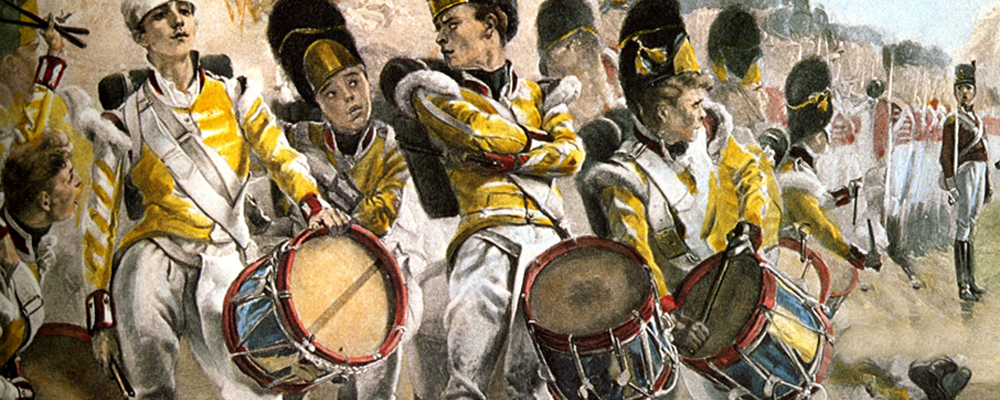
• Military use: Drums can organize marching and signal changes.
• Social identity: A drum can represent a village, temple, family, or cultural group.
• Work and celebration: Rhythm can help coordinate movement and create a shared mood.
This explains why the answer to “where did drums originate from” includes many regions. The need for rhythm is widespread, and the materials needed to make a basic drum are common.
A useful way to picture this is to compare drums with boats. Many societies built boats without copying one original design because water created the same need in many places. Drums followed a similar path: different cultures found their own solution to the same human desire for sound and rhythm.

A Timeline of Drum Development
The history of drums stretches across thousands of years. The dates below are estimates because some evidence is incomplete or debated.
-
Around 6000 to 4000 BCE: Pottery drums and drum-like objects appear in parts of Neolithic China.
-
Around the fourth to third millennium BCE: Drums become visible in the art and material culture of ancient Egypt and Mesopotamia.
-
Around the third to second millennium BCE: Percussion instruments spread through trade networks across Asia, North Africa, and the Mediterranean.
-
Around the first millennium BCE: Military, religious, and courtly drum traditions become more clearly documented in several regions.
-
Around the first millennium CE: Drums develop into specialized instruments for theater, dance, ritual, and court music.
-
From the medieval period onward: New drum forms spread through Africa, Europe, Asia, and the Middle East.
-
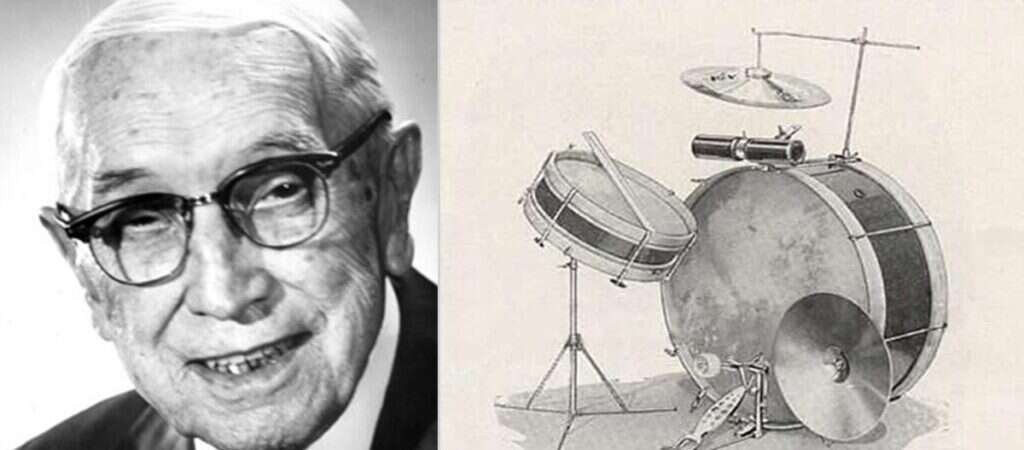
From the 1800s to the 1900s: The modern drum kit develops through marching percussion, orchestra instruments, and popular music.
-
Today: Drums include acoustic sets, hand drums, electronic pads, hybrid instruments, and digital sound systems.
This timeline does not prove that one location invented every drum. Instead, it shows how the basic idea became more specialized over time.

How Ancient Drums Were Made
The earliest drum makers worked with local materials. Their choices affected the instrument’s tone, strength, and purpose.
Drum shells
A drum shell could be made from:
• Hollow wood
• Baked clay
• Metal
• Woven plant material
• Carved stone in rare cases
Clay was useful because it could be shaped and hardened. Wood was lighter and easier to carry. Metal became more common when advanced casting and metalworking techniques developed.
Drumheads
Animal skin was the most important early drumhead material. Goat, sheep, deer, cattle, and other hides could be cleaned, stretched, and dried over a frame or shell.
The type of hide changed the sound. Thin skin often produced a bright response. Thick skin created a deeper and stronger tone. Humidity also affected tension, which is why traditional drum makers often adjust or heat drumheads before playing.
Tension systems
Early drums may have used simple pegs, cords, glue, or rawhide ties. Later designs added complex lacing and mechanical tuning systems.
Modern drums use metal rods and tension lugs. These allow players to change pitch with much greater control. The basic principle, however, remains the same: a tighter surface vibrates faster and usually produces a higher sound.

Where Did Drums Originate From Across Different Cultures?
Asking where did drums originate from becomes more useful when we compare regional traditions rather than search for one birthplace.
Africa
Africa has some of the world’s most varied drum cultures. West African instruments include the djembe, talking drum, dunun, and many local frame and barrel drums. Drums can support dance, storytelling, spiritual practice, communication, and community events.
African drum traditions also influenced music in the Americas through the forced migration of millions of African people during the Atlantic slave trade. Despite severe cultural oppression, African rhythmic ideas survived and shaped blues, jazz, gospel, salsa, samba, reggae, funk, and many other styles.
The Middle East
Frame drums and goblet-shaped drums have deep roots across the Middle East and North Africa. Instruments such as the daf and darbuka remain important in folk, classical, religious, and popular music.
These drums show how shape affects technique. A frame drum favors hand strokes across a broad surface, while a goblet drum supports sharp high tones and deep bass notes from different parts of the head.
South Asia
South Asian music treats rhythm as a detailed musical language. Drums such as the tabla use different tones, hand positions, and syllables to create complex rhythmic patterns.
This tradition reminds us that drums are not only tools for keeping time. In skilled hands, they can speak through pitch, tone color, silence, and intricate patterns.