Introduction
Yes, playing guitar burns calories, but usually not enough to replace a workout. In the United States, a person who plays guitar while seated may burn only slightly more energy than they would while resting. Playing while standing, moving, or performing can raise the total.
The amount depends on your body weight, playing time, posture, movement, and song style. A 150-pound person may burn about 80 calories during 30 minutes of seated guitar playing, using a standard activity estimate. That is useful extra movement, but it is not the same as walking, cycling, or strength training.

How Many Calories Does Playing Guitar Burn?
Playing guitar typically burns about 2.3 METs when seated, based on the 2024 Adult Compendium of Physical Activities. A MET compares an activity with resting energy use. One MET represents the energy your body uses at rest.


Using that estimate, guitar playing burns roughly:
| Body weight | 30 minutes seated | 60 minutes seated |
|---|---|---|
| 120 pounds | 63 calories | 126 calories |
| 150 pounds | 79 calories | 158 calories |
| 180 pounds | 95 calories | 190 calories |
| 200 pounds | 105 calories | 210 calories |
These figures are estimates, not direct measurements for every player.
How the estimate is calculated
You can estimate calories burned with this formula:
Calories per minute = MET × 3.5 × body weight in kilograms ÷ 200
For example, a 180-pound person weighs about 81.6 kilograms:
2.3 × 3.5 × 81.6 ÷ 200 = about 3.3 calories per minute
Over 30 minutes:
3.3 × 30 = about 99 calories
The estimate changes if you stand, move around, sing, or play with more physical effort.
Why online calorie numbers may differ
Different sources may list different calorie totals for guitar playing. That can happen because they use different:
- Body weights
- MET values
- Playing positions
- Time periods
- Heart-rate data
- Definitions of “playing guitar”
- Assumptions about movement and performance
A seated practice session is not equal to a live rock show. A guitarist who stands under stage lights, moves across a platform, sings, and plays for two hours may use much more energy than someone practicing scales in a chair.


Does Standing While Playing Guitar Burn More Calories?
Yes. Standing generally burns more calories than sitting because your muscles must support your body. The difference may be modest during quiet practice, but it can become larger when you move, shift your weight, walk, or perform.
A standing player may burn around 3 to 3.5 METs, depending on the activity and level of movement. Using 3.5 METs as an example, a 180-pound person would burn about:
- 144 calories in 30 minutes
- 288 calories in 60 minutes
- 576 calories in two hours
This is a rough illustration. It should not be treated as a guaranteed result for every standing guitarist.
What raises calorie burn during guitar playing?
The following factors can increase energy use:
- Standing instead of sitting
- Walking while playing
- Performing on stage
- Singing at the same time
- Moving your arms and shoulders more
- Playing percussion-style guitar
- Using a heavier instrument
- Playing for a long period
- Wearing stage clothing or performing under warm lights
Movement matters more than the guitar itself. Holding a guitar does not create a large calorie demand. The extra energy mainly comes from standing, walking, muscle tension, and full-body movement.
Electric guitar versus acoustic guitar
Neither acoustic nor electric guitar automatically burns more calories. The difference depends on how you play.
An acoustic guitar may require more arm effort in some styles. An electric guitar may lead to more movement during a live performance. A heavy instrument can also increase muscle strain, but it does not create a reliable or large calorie-burning effect.
The playing style matters more than the guitar type.

Is Playing Guitar Good Exercise?
Playing guitar is light physical activity, not a complete exercise program. It can help you avoid being completely inactive, especially during long practice sessions. Still, it usually does not raise your heart rate enough to meet standard aerobic exercise goals.
The U.S. Department of Health and Human Services recommends that most adults get at least:
- 150 minutes of moderate-intensity aerobic activity each week, or
- 75 minutes of vigorous aerobic activity each week, plus
- Muscle-strengthening activity on two days each week
Guitar practice does not usually meet those targets on its own.
What guitar playing can do
Regular playing may support:
- Hand and finger coordination
- Fine motor control
- Posture awareness
- Upper-body endurance
- Mental focus
- Stress relief
- A more active break from sitting
These benefits are meaningful. They simply differ from the benefits of brisk walking, running, swimming, or resistance training.


What guitar playing usually cannot do
Guitar practice usually does not provide enough stimulus to:
- Build major leg strength
- Improve cardiovascular fitness by itself
- Burn large amounts of body fat
- Replace a structured strength program
- Replace moderate or vigorous aerobic activity
Think of guitar playing as a light activity that may add to your daily movement. It is not a shortcut around exercise.

Can Playing Guitar Help You Lose Weight?
Playing guitar may contribute to weight loss, but only as one small part of your total energy balance. Weight loss occurs when your body uses more energy than it gets from food over time.
For example, a 150-pound person who plays seated guitar for 30 minutes may burn about 80 calories. That amount is helpful, but it is small compared with the energy in many snacks or drinks.
A guitar session can support weight management when it:
- Replaces a sedentary activity
- Adds movement to your day
- Helps you stay active for longer
- Supports a routine you enjoy
- Works alongside sensible eating and regular exercise
Enjoyment matters. A person who practices guitar for an hour each evening may gain more from that habit than from an exercise plan they quickly abandon.
Do not “eat back” estimated calories automatically
Fitness watches and calorie calculators can overestimate energy use. Their results may be affected by heart rate, wrist movement, body weight settings, and the activity selected.
Use calorie estimates as broad guides, not exact permission to consume extra food. For weight loss, track changes over several weeks rather than relying on one session or one device reading.

Guitar Playing Compared With Other Activities
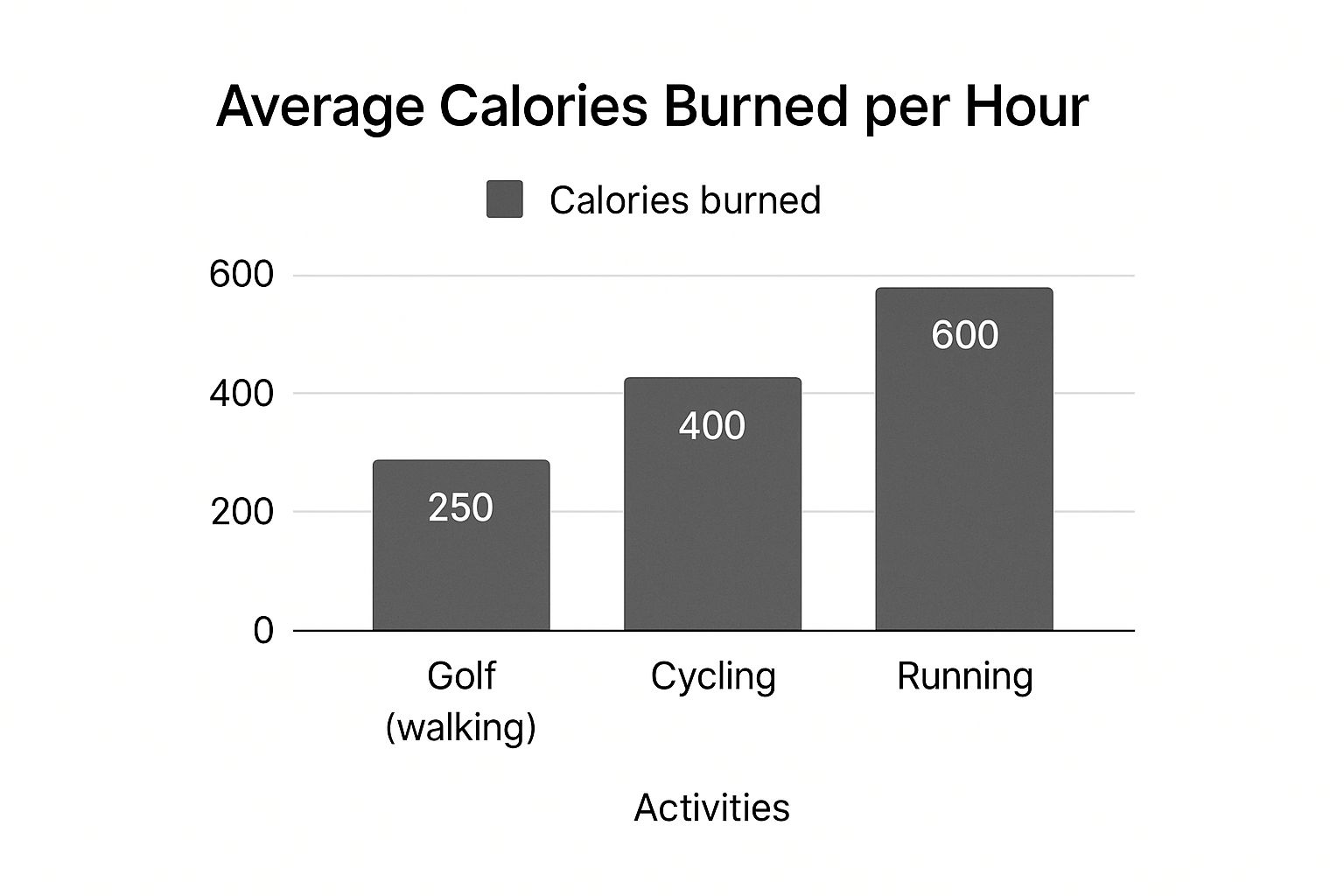
The table below shows why guitar playing usually counts as light activity. The values are broad examples based on common MET categories, not personal measurements.
| Activity | General intensity | Example for a 180-pound person in 30 minutes |
|---|---|---|
| Seated guitar practice | Light | About 95 calories |
| Standing guitar practice | Light to moderate | About 125–145 calories |
| Easy walking | Light to moderate | About 115–145 calories |
| Brisk walking | Moderate | About 170–190 calories |
| Casual cycling | Moderate | About 190–250 calories |
| Jogging | Vigorous | Often 250 calories or more |
Actual results depend on speed, terrain, fitness, body size, and effort.
The key comparison is intensity. Seated guitar playing usually uses less energy than brisk walking. A moving stage performance may approach the energy cost of light or moderate activity, but not every performance does.
How to Make Guitar Practice More Active
You can make practice more active without harming your technique or posture. The goal is to add safe movement, not to force exercise into every song.


Try these options:
- Stand for part of your practice. Use a properly adjusted strap and keep the guitar stable.
- Take short walking breaks. Walk for two to five minutes between practice blocks.
- Play while standing when appropriate. This can help you prepare for live performance.
- Add gentle movement. Shift your weight or move naturally with the rhythm.
- Sing while playing. Singing adds some breathing and muscular demand.
- Use a short practice circuit. Alternate guitar, walking, and simple body-weight exercises.
- Stretch after playing. Focus on the hands, forearms, shoulders, chest, and upper back.
- Keep your technique relaxed. Extra tension does not equal useful exercise.
Do not bounce, twist sharply, or hold an awkward position to burn more calories. Poor posture can lead to pain in the neck, shoulders, wrists, or lower back.

Common Mistakes When Estimating Guitar Calories
The most common mistake is treating a calorie estimate as a precise measurement. It is not. The same person may burn different amounts during two sessions of equal length.
Watch for these errors:
Counting all guitar time as active time
A two-hour practice block may include tuning, watching lessons, checking tabs, talking, and resting. Only part of that time may involve active playing.
Using a performance estimate for seated practice
A stage performance may involve standing, walking, singing, and emotional effort. A quiet practice session may involve very little movement. These should not use the same estimate.
Trusting a smartwatch without checking the activity
Wrist devices can mistake strumming or arm movement for higher activity. They may also miss effort that does not create much wrist motion.
Assuming sweat equals calorie burn
Sweating reflects heat control. It does not give a reliable measure of calories burned. Stage lights, warm rooms, and heavy clothing can make you sweat without greatly increasing energy use.
Holding tension to burn more energy
Tight shoulders, clenched hands, and a rigid back can increase discomfort without creating useful fitness benefits. Relaxed technique is safer and usually improves playing quality.

Is Playing Guitar Safe as Physical Activity?
For most healthy adults, ordinary guitar practice is low risk. The main concerns are overuse, poor posture, and long sessions without breaks.
Stop or reduce practice if you notice:
- Persistent wrist or finger pain
- Numbness or tingling
- Weakness
- Shoulder pain
- Neck pain
- Back pain
- Swelling
- Pain that worsens after practice
Rest may help mild soreness, but ongoing or worsening symptoms need evaluation by a qualified health professional. Seek urgent medical care for sudden weakness, severe pain, chest pain, trouble breathing, or other emergency symptoms.
To reduce strain:


- Keep your wrist as neutral as possible.
- Adjust the strap so the guitar does not pull on your shoulder.
- Keep both feet supported when sitting.
- Relax your picking hand.
- Take brief breaks every 20 to 30 minutes.
- Increase playing time slowly.
- Avoid playing through sharp or persistent pain.
People with a current injury, nerve problem, or medical condition should ask a clinician or physical therapist for advice suited to their situation.
What Does the Evidence Actually Show?
The calorie estimates in this article come from activity-intensity methods, not from a direct measurement of every guitarist. The 2024 Adult Compendium of Physical Activities lists seated guitar playing at about 2.3 METs, which supports the estimate for seated practice.
The calorie formula then converts that activity level into a rough value based on body weight and time. This is useful for comparison, but it has limits:
- MET values are population-level estimates.
- They do not capture every playing style.
- They may not reflect stage movement.
- They do not measure your personal metabolism.
- Calorie devices can produce different results.
- Calories “above rest” and total calories can be reported differently.
For a practical answer, treat seated guitar playing as light activity. Treat active performance as a separate case. Do not use a single calorie number for every guitarist.

Frequently Asked Questions
Does strumming guitar burn calories?
Yes. Strumming uses the arm, hand, shoulder, and core muscles, so it burns some calories. The amount is usually modest because the muscles work at low intensity. Standing and moving can increase the total.
Does playing guitar while standing burn more calories than sitting?
Usually, yes. Standing requires more muscle activity than sitting. Walking, singing, and moving during a performance can raise energy use further.
Can playing guitar count as cardio?
Most seated guitar playing does not count as moderate cardio. A very active performance may raise your heart rate, but you should judge intensity by your breathing and heart rate rather than by the fact that you are holding a guitar.
How many calories does playing guitar for two hours burn?
A 150-pound person might burn about 160 calories during two hours of seated guitar playing, using the 2.3-MET estimate. A standing or highly active performance could burn more. These are broad estimates.
Does playing guitar build muscle?
Guitar playing can improve endurance and coordination in the hands, forearms, shoulders, and upper body. It usually does not provide enough resistance to build substantial muscle mass. Progressive strength training is more effective for that goal.
Conclusion
Playing guitar does burn calories, but seated practice usually burns only a small amount. A reasonable estimate is about 2.3 METs, or roughly 80 calories in 30 minutes for a 150-pound person.
Standing, singing, walking, and performing can raise the total. Even so, guitar playing works best as enjoyable light activity, not as a replacement for aerobic exercise or strength training.
Use your guitar practice to add movement to your day. For better fitness, pair it with walking, resistance training, or another activity that raises your heart rate and challenges the major muscle groups.

Senior Music Reviewer


Alex Carter is a seasoned music reviewer with over a decade of experience in the world of sound and instruments. Passionate about helping musicians and enthusiasts make informed choices, he brings sharp insights and in-depth knowledge to every review. From classical instruments to modern gear, Alex combines technical expertise with a love for music to deliver content that resonates with readers.
As a Senior Music Reviewer and expert author on Tuneluma.com, Alex is dedicated to sharing honest evaluations, practical advice, and thoughtful commentary to guide readers in their musical journey.