How Many Black Keys Are On A Piano: The 2026 Expert Guide
A standard full-sized piano features exactly 36 black keys, which are distributed across the instrument’s 88 total keys.
Knowing how many black keys are on a piano is more than trivia. It is the first step to understanding the keyboard layout, reading music, and learning chord shapes. I spent years practicing scales until my fingers felt heavy, and I can tell you those black keys are more than decoration. They are the landmarks that help you find notes fast. Whether you are a new player looking at your first keyboard or an enthusiast studying instrument design, learning that there are 36 black keys on a full-size piano makes the whole instrument easier to read and play.
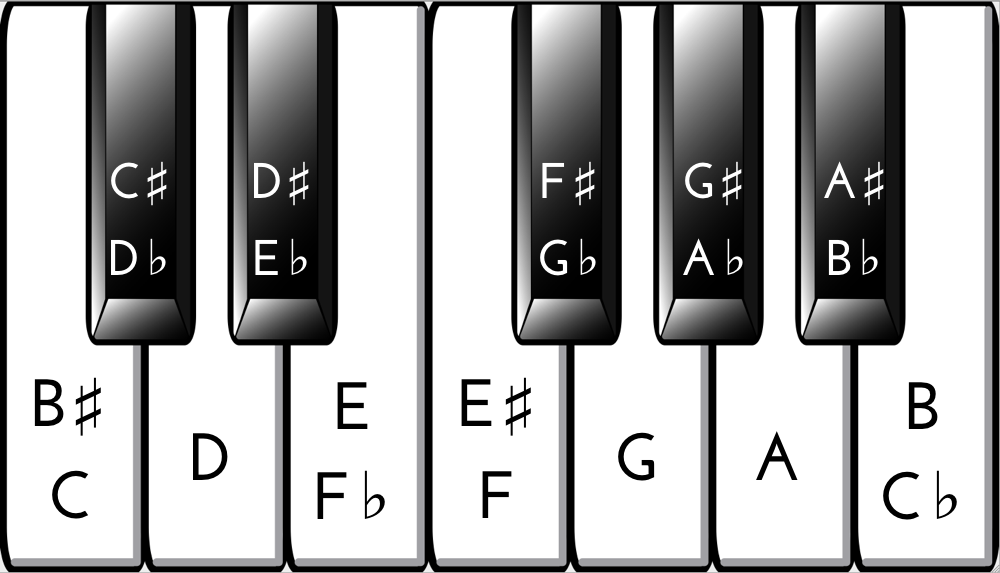
The Layout and Pattern of Black Keys
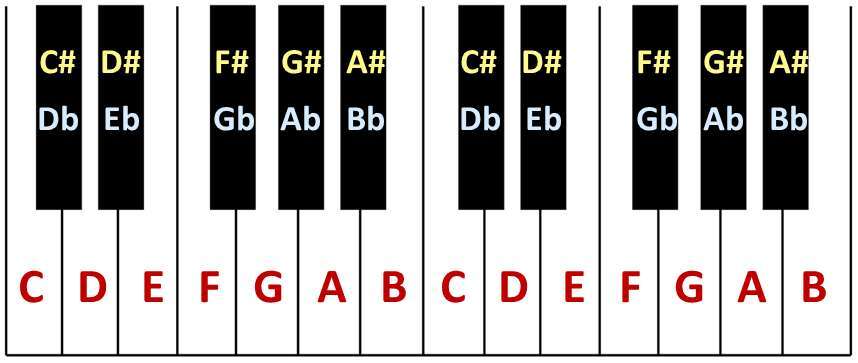
Look at a piano keyboard and you will see a repeating pattern: groups of two black keys, then groups of three black keys. This pattern repeats across the keyboard from left (low notes) to right (high notes). The black keys mark the sharps and flats in Western music. They help you find the white keys quickly—C, for example, sits just to the left of a two-black-key group.
That simple pattern is one of the fastest tools I teach beginners. Once you know where the twos and threes are, you stop staring at your hands and start using the keyboard’s geography. The grouping also supports visual memory: chord shapes and scale patterns often line up with the black-key clusters, which speeds learning and sight-reading.
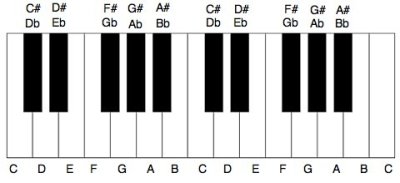
Why Do We Have 36 Black Keys?
The answer comes from the chromatic scale and how octaves are built. Western music divides an octave into 12 semitones: seven white-key notes and five black-key notes. A standard 88-key piano spans seven full 12-note octaves plus four extra semitones. Each full octave has five black keys. So, 7 full octaves × 5 black keys = 35, plus the single black key among the extra four semitones gives 36 total black keys.
This layout, combined with equal temperament tuning, lets you play in any key signature. Without the black keys you would be largely limited to C major and A minor (the white-key scales). The black keys supply the sharps and flats (accidentals) needed for most Western music. When I compose or arrange, those black keys are crucial for adding color, tension, and smooth voice leading.
How the math adds up: counting black keys across 88 keys
For a clear, quick check:
- One octave = 12 semitones (7 white + 5 black).
- Seven full octaves on a piano = 7 × 12 = 84 keys (7 × 5 = 35 black keys).
- The remaining 4 keys on an 88-key piano add one more black key (A♯/B♭), bringing the total to 36.
So the number 36 is not arbitrary. It follows directly from the piano span (A0 to C8), the chromatic scale, and the way octaves repeat.

Experience and Practice Tips
When I began, fast passages often made me lose my place. A simple trick fixed that: use the black keys as anchors. Stop, find the closest group of two or three black keys, then place your hand in relation to them. That alone reorients you instantly.
Focus on touch as well as sight. Black keys are slightly narrower and sit a little higher than white keys. Learn the feel and distances. Build muscle memory by practicing short exercises that begin and end on groups of black keys. Over time you can find notes without looking. That tactile habit is especially useful when playing complex chords, rapid scales, or transposed parts by ear.
Quick practice drills for locating notes
- Find Middle C by locating the two-black-key group near center keyboard.
- Play C major scale (white keys) then add sharps and flats to hear the difference.
- Practice simple patterns that start on a black key, like G♯ major fragments, to get used to finger angles.

Frequently Asked Questions of how many black keys are on a piano
Are there always 36 black keys on every piano?
No. Only full-sized 88-key pianos have 36 black keys. Smaller keyboards, practice keyboards, and some older or specialized instruments have fewer keys and therefore fewer black keys. For example, a 61-key keyboard has fewer octaves and about 25 black keys. Always check the total key count to know how many black keys are present.
Does the number of black keys change the sound?
The number itself doesn’t change the tone of each key, but fewer keys limit the playable range and the keys you can use. The black keys provide sharps and flats needed for most key signatures. Without these 36 black keys on a full piano, you would be limited in transposition and in the palette of harmonies available.
Why are the black keys raised higher than the white keys?
They are slightly elevated to give a tactile reference. That height difference makes it easier to feel the keyboard layout without looking. This helps with accuracy in fast passages and in playing complex hand crossings.
Can you play a song using only the white keys?
Yes. Many songs and entire genres (folk tunes, some pop, and simple classical pieces) can be played using only white keys—these are usually in C major or A minor. But black keys expand your options. They let you play in any key and add chromatic color and tension.
Is it harder to learn the black keys?
Not really. Most students find the black keys easier to remember because of the clear two-and-three pattern. Once you spot the groups, the keyboard becomes much more intuitive. The challenge is learning to use them fluidly in scales and chord voicings; that improves fast with targeted practice.
Key variations: smaller keyboards and extended pianos
Not all keyboards are 88 keys. Common smaller sizes include 61-key and 76-key digital pianos. These have fewer black keys proportionally. On the opposite end, some specialty or extended-range instruments add extra keys for very low or very high notes. Those instruments will have a different count of black keys. If you own a specific model, check the manufacturer’s specs to confirm the exact key and black-key count.
Conclusion
Understanding that a full-sized piano has 36 black keys gives you a clear map of the instrument. The twos-and-threes pattern, the chromatic scale, and the octave math all explain why that number exists. Use the black keys as anchors. Practice finding notes by touch and sight. That small habit speeds learning and builds confidence.
So sit at your keyboard today. Count the black keys, feel the raised heights, and practice a few scales that start on black keys. Those steps will improve your navigation and musical understanding. Keep exploring, keep practicing, and share what you learn with others.

Senior Music Reviewer
Alex Carter is a seasoned music reviewer with over a decade of experience in the world of sound and instruments. Passionate about helping musicians and enthusiasts make informed choices, he brings sharp insights and in-depth knowledge to every review. From classical instruments to modern gear, Alex combines technical expertise with a love for music to deliver content that resonates with readers.
As a Senior Music Reviewer and expert author on Tuneluma.com, Alex is dedicated to sharing honest evaluations, practical advice, and thoughtful commentary to guide readers in their musical journey.