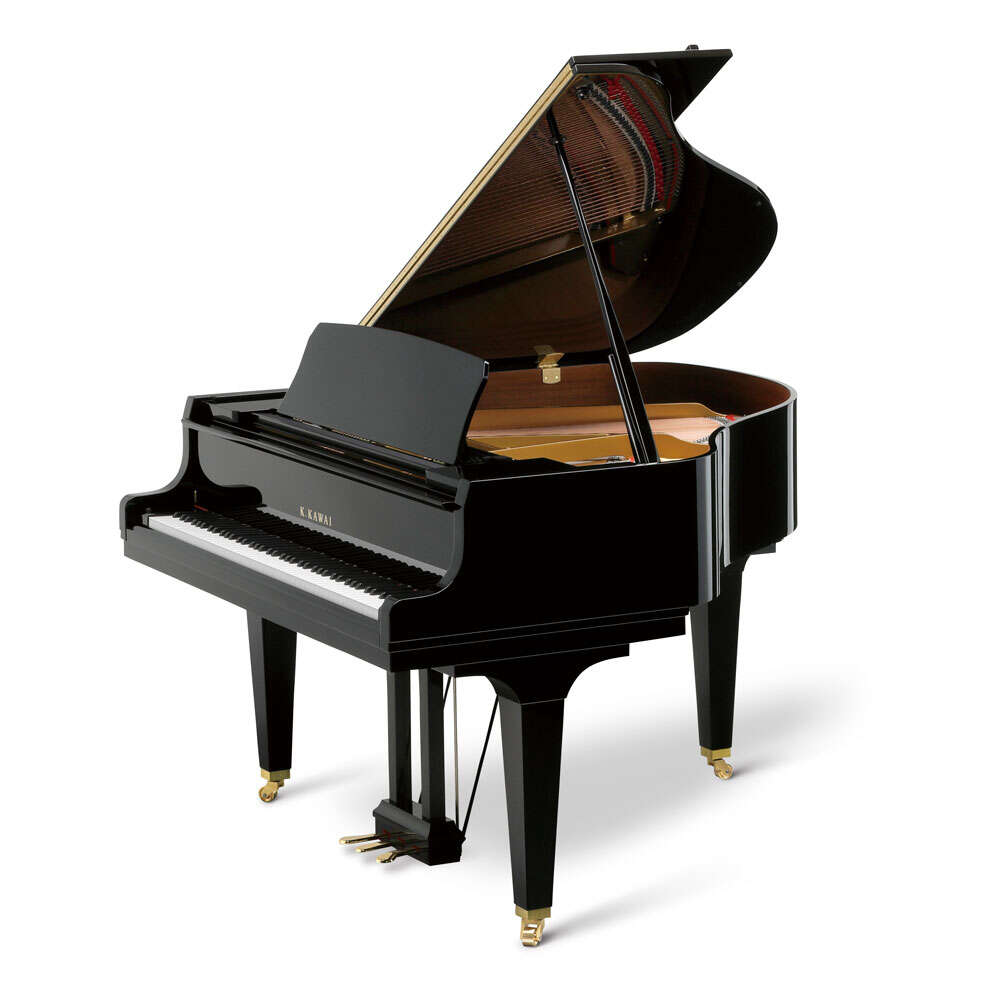
How Much Is A Baby Grand Piano: Price Guide & Tips
A baby grand piano typically costs between $5,000 and $50,000, depending on brand and condition.
I’ve spent years buying, tuning, and selling pianos for studios and private homes, so I know what drives price and value. This guide explains how much is a baby grand piano, what affects that price, and how to get the best instrument for your budget and goals. Read on for clear, practical advice and real-world tips to help you choose with confidence.
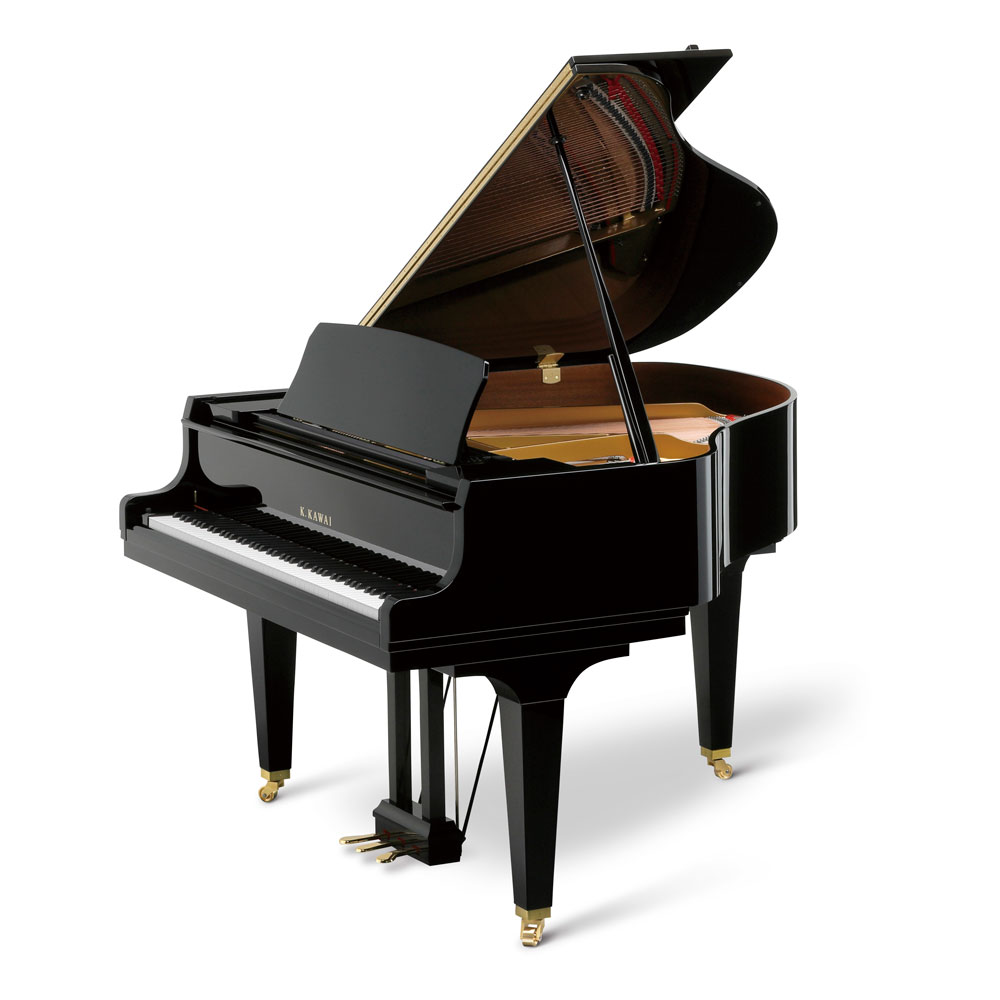
Pricing overview: how much is a baby grand piano right now
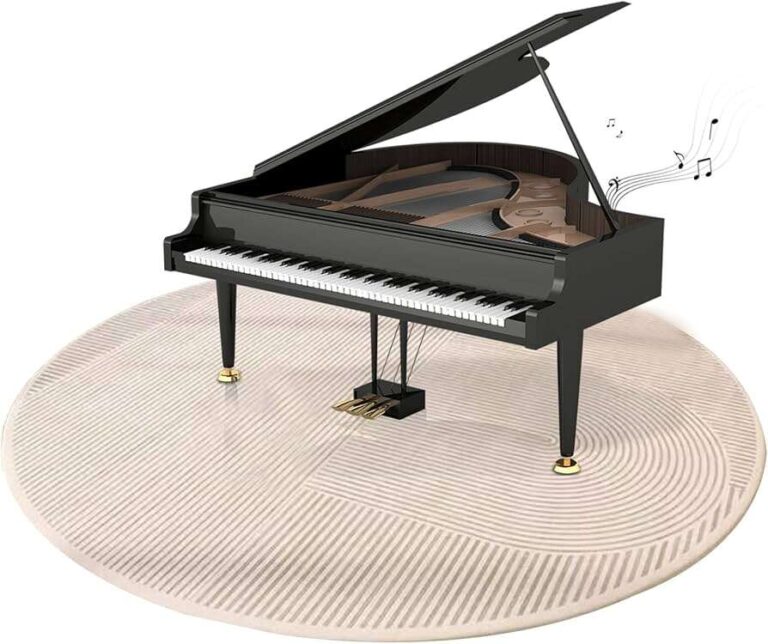
A baby grand piano sits between upright pianos and larger grand pianos in size and price. Expect wide price swings based on brand, age, size, and whether it’s new or used. For many buyers, the question how much is a baby grand piano means balancing sound, space, and budget.
Typical quick ranges to remember:
- Entry-level new baby grand pianos: $7,000 to $15,000.
- Mid-range new or high-quality used baby grands: $15,000 to $40,000.
- High-end new baby grands from top makers: $40,000 to $100,000+.
- Used and rebuilt instruments can fall below $5,000 but need careful inspection.
These ranges reflect market norms. Your local market, shipping costs, and availability will change prices. Keep reading to learn what moves these numbers and how to get the best deal.
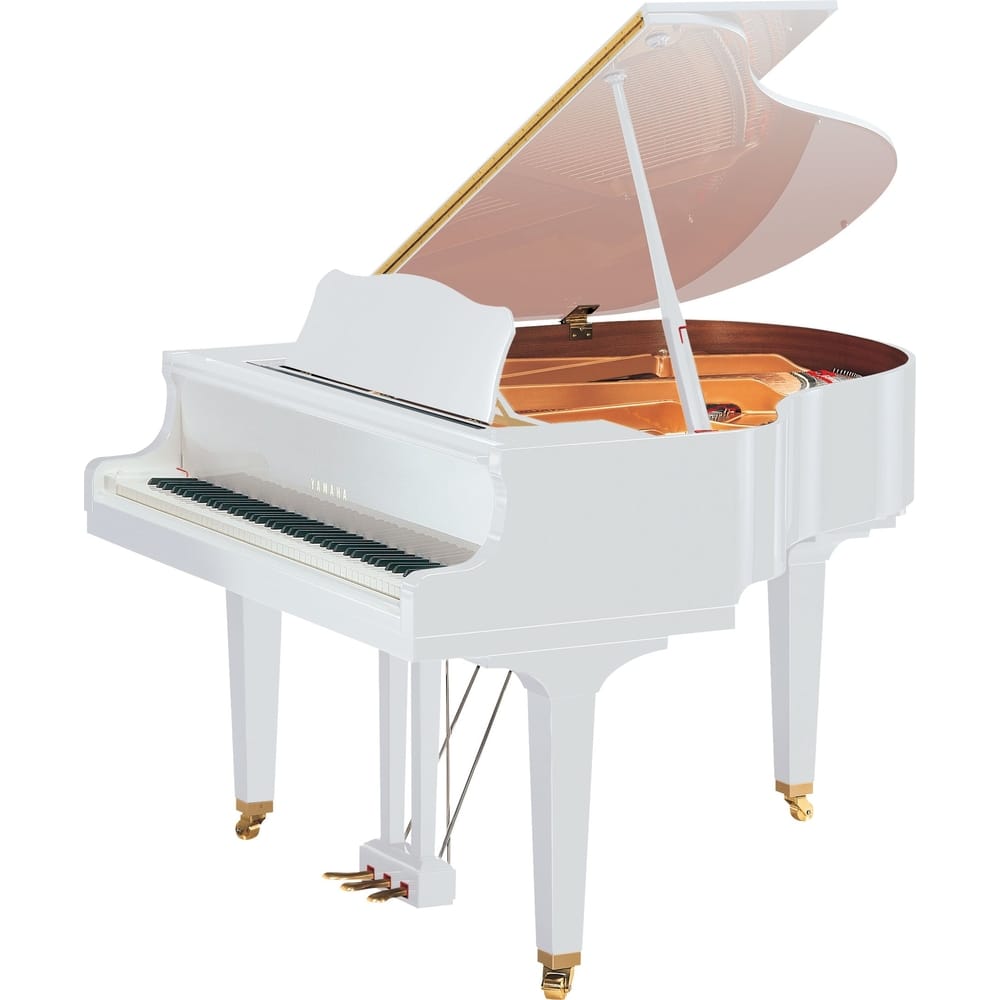
What affects how much is a baby grand piano
Several clear factors determine the price. Understanding them helps you spend wisely.
- Brand and maker. Prestige brands command higher prices. Lesser-known makers can be bargains if well-built.
- Age and condition. New pianos cost more. A well-maintained older baby grand can still be a great value.
- Size and model. Even within baby grands, lengths vary. Longer baby grands usually cost more.
- Soundboard and action quality. Better materials and craft yield better tone and touch—and higher price.
- Finish and cosmetic features. Exotic veneers and custom finishes add to cost.
- Location and shipping. Moving a baby grand requires pros and can add hundreds to thousands of dollars.
- Regulation and voicing history. A piano that was recently regulated, voiced, and tuned is more usable and often priced higher.
- Market demand. In some cities, pianos are pricier due to higher demand or fewer local sellers.
When you ask how much is a baby grand piano, weigh these factors against your goals. A musician focused on performance should prioritize tone and action over cosmetic features.

Price ranges explained: new vs used vs rebuilt baby grands
Here’s a clearer breakdown so you can match cost to expectations.
-
New entry-level baby grands ($7,000–$15,000)
- Often built using modern manufacturing and lighter materials.
- Good for private home use, lessons, and hobbyists.
- Warranty and dealer support included.
-
New mid-range baby grands ($15,000–$40,000)
- Better soundboards, heavier frames, and higher-quality actions.
- Better long-term stability and resale value.
-
New high-end baby grands ($40,000–$100,000+)
- Premium materials and top-level voicing.
- Designed for concert studios and serious professionals.
-
Used baby grands (varies widely: <$5,000 up to new prices)
- Older instruments can be bargains if kept dry and tuned.
- Be careful: some cheap used baby grands need expensive restoration.
-
Rebuilt or restored baby grands ($10,000–$60,000+ depending on work)
- A full rebuild can renew an old instrument and be cost-effective compared with buying new.
- Labor and parts add up. Get an itemized quote.
When evaluating how much is a baby grand piano, always ask about past maintenance and recent tuning. That often tells you whether the listed price is fair.

Hidden and ongoing costs to factor in
The sticker price is only the start. Plan for ongoing and one-time expenses.
- Moving and delivery. Expect $300–$1,200 locally; long-distance is more.
- Professional setup. Regulation and voicing after move can cost $200–$1,000.
- Tuning. New pianos need several tunings in the first year. Annual tuning costs $100–$250.
- Maintenance and repairs. Replacements like felts, pins, or strings add costs over decades.
- Humidity control. A humidity system can cost $500–$3,000 but protects tone and action.
- Insurance. Add replacement value to your home policy or buy a rider for $100–$300 per year.
When asking how much is a baby grand piano, add these items to your budget. They protect your investment and avoid surprises.
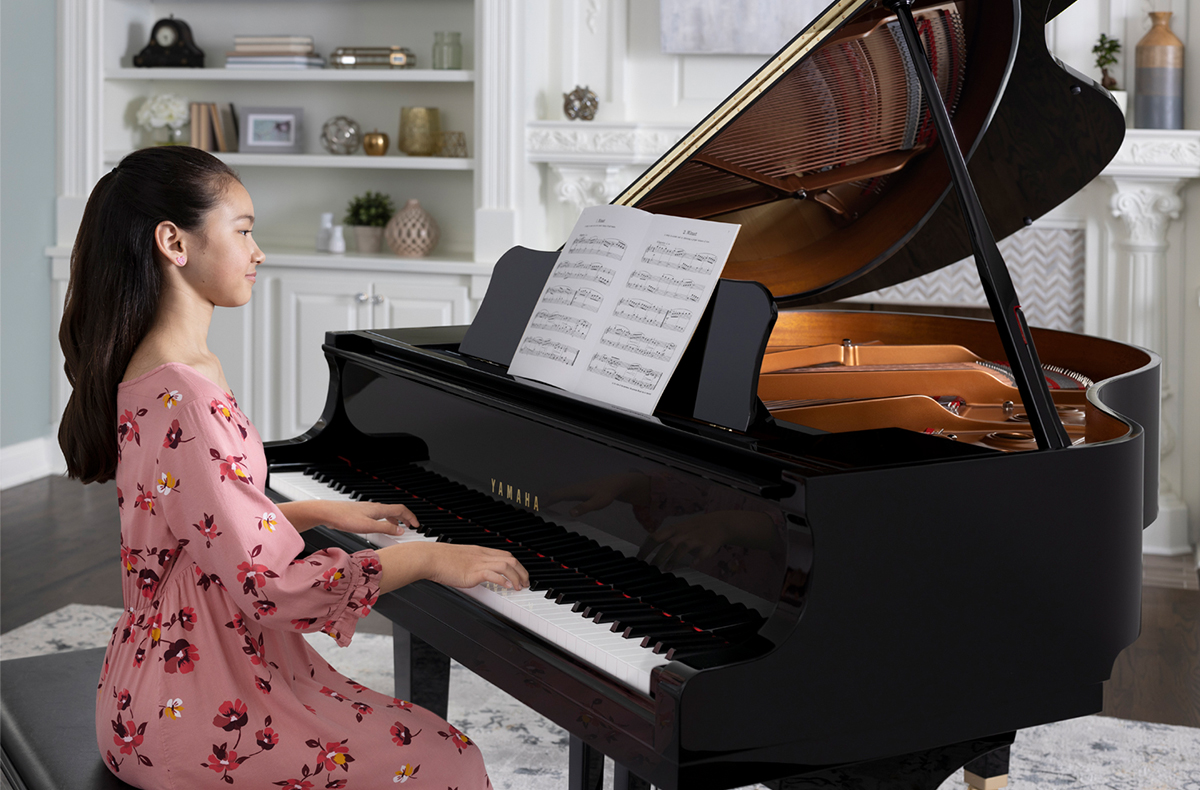
Where to buy and how to get the best deal
Choose your buying channel based on risk tolerance, budget, and need for support.
- Authorized dealers. Pros: warranty, setup, trusted service. Cons: higher price.
- Independent piano stores. Pros: hands-on testing, used inventory, service. Cons: variable selection.
- Private sellers. Pros: lower price. Cons: higher risk; no warranty or delivery included.
- Online marketplaces. Pros: broad options. Cons: need inspections and local movers.
- Auctions and estate sales. Pros: potential bargains. Cons: condition may be unknown.
Steps to get a good deal:
- Test multiple instruments in person if possible.
- Bring a knowledgeable friend or hire a tech for an inspection.
- Ask for a history of regulation, voicing, and tuning.
- Negotiate to include delivery and setup in the price.
- For used pianos, request a recent tuning and condition report.
If you’re wondering how much is a baby grand piano in your area, contact multiple sellers and compare total landed cost—not just the sticker price.

Financing, warranties, and insurance
Financing options make higher-quality pianos accessible. Know the terms.
- Dealer financing. Many stores offer 12–60 month plans. Compare interest rates and fees.
- Personal loans. Often lower monthly payments but check total cost.
- Leasing. Good for studios or schools; check buyout terms.
- Warranty. New pianos come with parts and labor coverage for a set time. Used pianos may have limited or no warranty.
- Insurance. Insure for replacement cost. Take photos and record serial numbers.
As you calculate how much is a baby grand piano, include monthly payments and warranty value. A solid warranty and good insurance lower long-term risk.
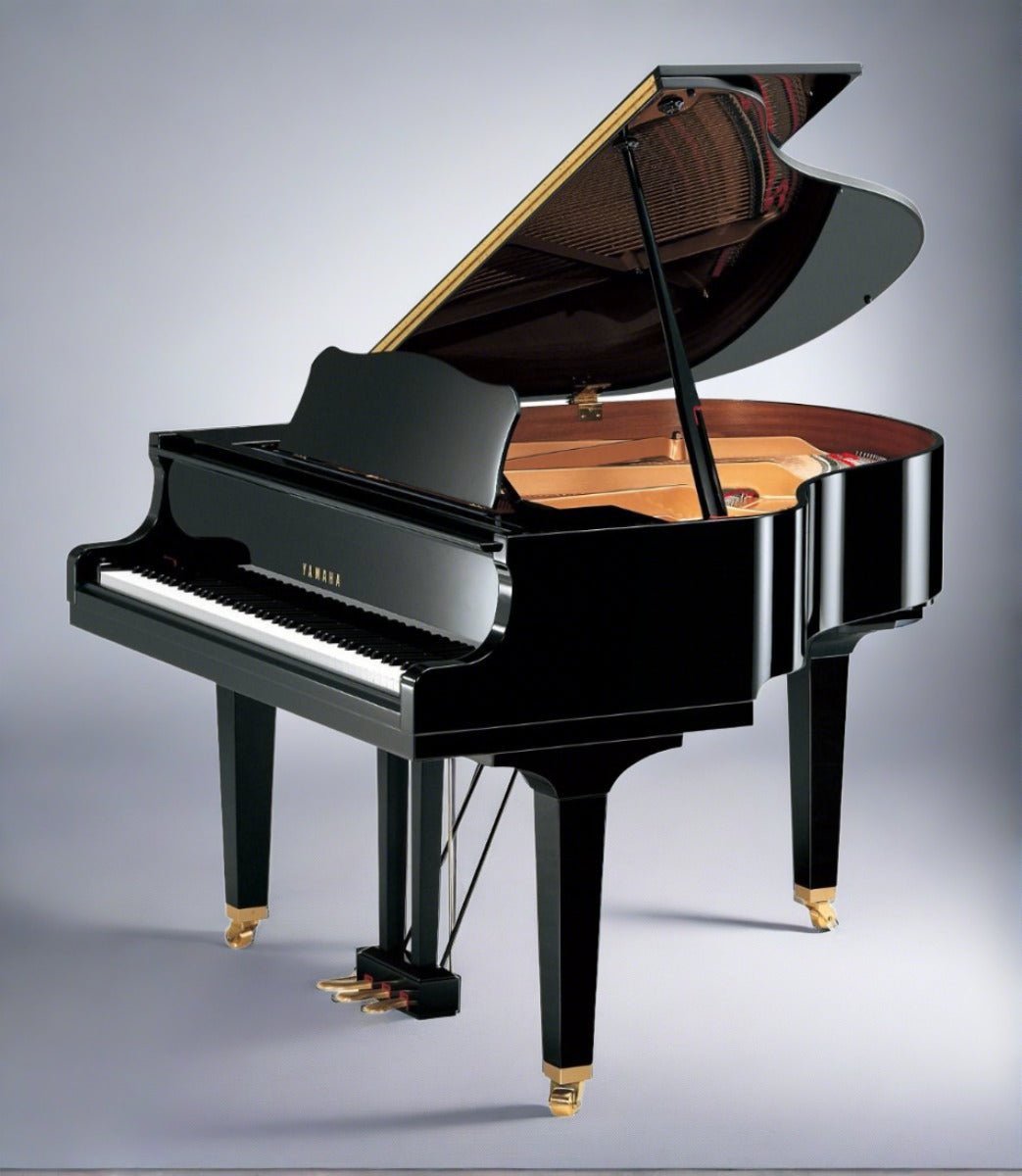
My experience buying and owning baby grand pianos
I’ve bought and sold over a dozen baby grands for students, studios, and home clients. Here are lessons I learned.
- Never skip an inspection. One “cheap” piano I bought needed $4,000 in internal repairs.
- Value good regulation and action. A piano that feels right inspires practice and grows in value.
- Humidity control pays. I lost a toneboard once to seasonal cracks—costly and painful.
- Test in the space. A piano can sound great in a show room and thin in your living room.
- Negotiate add-ons. I once saved $600 by bundling tuning, delivery, and a bench into the sale.
If you ask me how much is a baby grand piano for a serious player, I’ll say invest in action and tone over flashy finishes. Those deliver joy and durability.

Common maintenance needs and lifespan
Understanding upkeep helps you estimate true cost over time.
- Tuning frequency. New pianos: several times the first year, then 1–2 times per year. Frequent tuning keeps pitch and tone stable.
- Regulation. Action parts wear. Expect regulation every few years depending on use.
- Voicing. Hammers harden over time and may need reshaping or replacement.
- Strings and pin block. Strings can last decades but may break; pin blocks can slip on old pianos.
- Typical lifespan. With care, a quality baby grand lasts 50–100 years; major rebuilds extend life.
When calculating how much is a baby grand piano, include maintenance on a 5–10 year horizon. That gives a realistic ownership cost.
Frequently Asked Questions of how much is a baby grand piano
How much is a baby grand piano new?
New baby grands typically cost from $7,000 to $100,000 depending on brand and quality. Most buyers find solid options in the $15,000–$40,000 band.
How much is a baby grand piano used?
Used prices vary widely, from under $5,000 for older, worn instruments to nearly the cost of new for well-maintained high-end models. Always inspect or hire a tech before buying used.
How much does delivery and setup add to the price?
Local moves usually add $300–$1,200, while long-distance or difficult moves can exceed $1,500. Setup and initial regulation add another $200–$1,000.
Is a baby grand worth the extra cost over an upright?
For many, yes—baby grands offer better touch and sound projection in a comparable footprint. If you value tone and dynamic range, the added cost is often justified.
How much should I budget for annual maintenance?
Plan for $100–$300 per year for tuning and minor upkeep, plus occasional larger expenses for regulation or repairs. Budgeting ahead keeps surprises small.
Conclusion
Choosing a baby grand is both a financial and emotional decision. Know that how much is a baby grand piano depends on brand, age, condition, and your long-term goals. Think beyond the sticker price to moving, setup, tuning, and insurance to make a smart buy. If you want the best value, test many instruments, inspect carefully, and prioritize action and tone over looks. Ready to take the next step? Compare local dealers, request condition reports, and leave a comment with your budget—I’ll help you narrow choices.

Senior Music Reviewer
Alex Carter is a seasoned music reviewer with over a decade of experience in the world of sound and instruments. Passionate about helping musicians and enthusiasts make informed choices, he brings sharp insights and in-depth knowledge to every review. From classical instruments to modern gear, Alex combines technical expertise with a love for music to deliver content that resonates with readers.
As a Senior Music Reviewer and expert author on Tuneluma.com, Alex is dedicated to sharing honest evaluations, practical advice, and thoughtful commentary to guide readers in their musical journey.