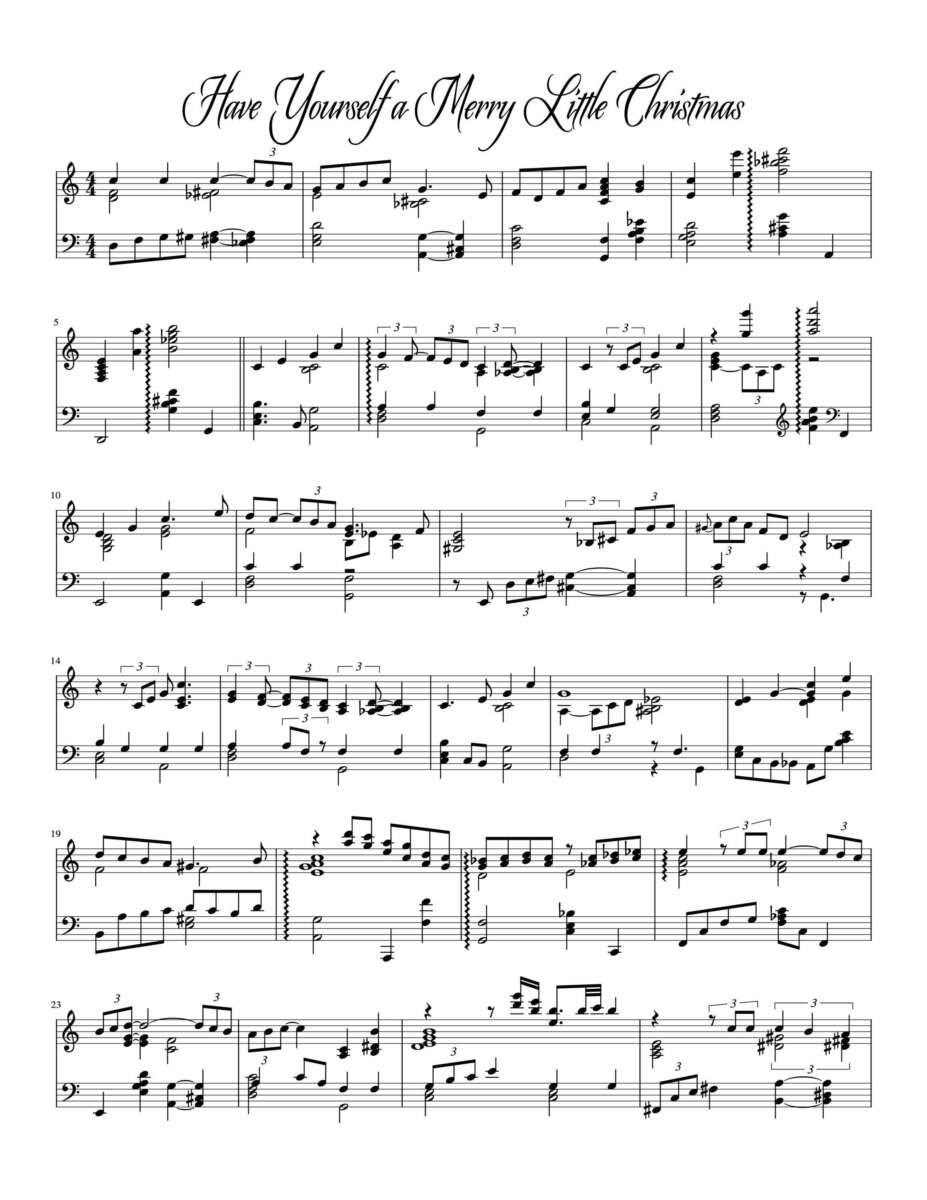
Have Yourself A Merry Little Christmas Piano: Easy 2026 Guide
Playing Have Yourself a Merry Little Christmas on the piano creates a nostalgic, sophisticated atmosphere perfect for any holiday.
Mastering this timeless standard is a journey. It turns a simple tune into a warm, heartfelt statement. Over the years of teaching and performing, I have found that the Have Yourself a Merry Little Christmas piano arrangement tests a player’s craft. It asks for technical precision and deep emotion at the same time. Whether you are a beginner who needs a clear lead sheet or an advanced pianist chasing lush jazz voicings, this song gives room to interpret. Learn its history and harmonic structure. Then your playing moves from basic accompaniment to true musical storytelling.
The Story Behind the Music
Hugh Martin and Ralph Blane wrote this classic in 1944 for the film Meet Me in St. Louis. The original lyrics were darker. Judy Garland asked for a kinder, more hopeful line. That change shaped the song’s bittersweet feel.
The melody now holds longing and comfort at once. That mix is why the tune still belongs in every pianist’s holiday set. When I first learned the piece, the verse-to-chorus changes gave me trouble. I discovered the key was inside the chords. The inner voices guide the ear. If you follow the middle notes, the melody settles into place.
I teach my students to think of the score as a conversation. The piano should speak, not just list notes. This approach helps with phrasing and emotional pacing.
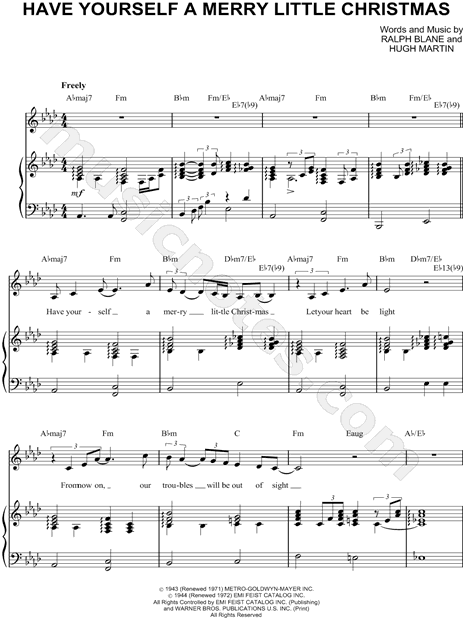
Choosing the Right Piano Arrangement
Pick an arrangement that fits your skill level and your goal for the audience. If you are starting, choose a simple score in C or G. Those keys use fewer accidentals. They let you focus on timing and tone. If you are more advanced, explore jazz-inflected versions. These use extended harmony for a cozy, fireside sound.
Advanced arrangements will include seventh chords, ninths, and added tones. They give a warm color. They also open space for improvisation.
Here are a few formats to consider:
- Lead sheets if you want to improvise your own accompaniment patterns.
- Solo piano arrangements if you prefer a self-contained melodic performance.
- Simplified scores that remove complex syncopation while keeping the soul of the track intact.
Look for notations that match your level. If buying online, check previews and user ratings. A good match speeds learning and improves results.
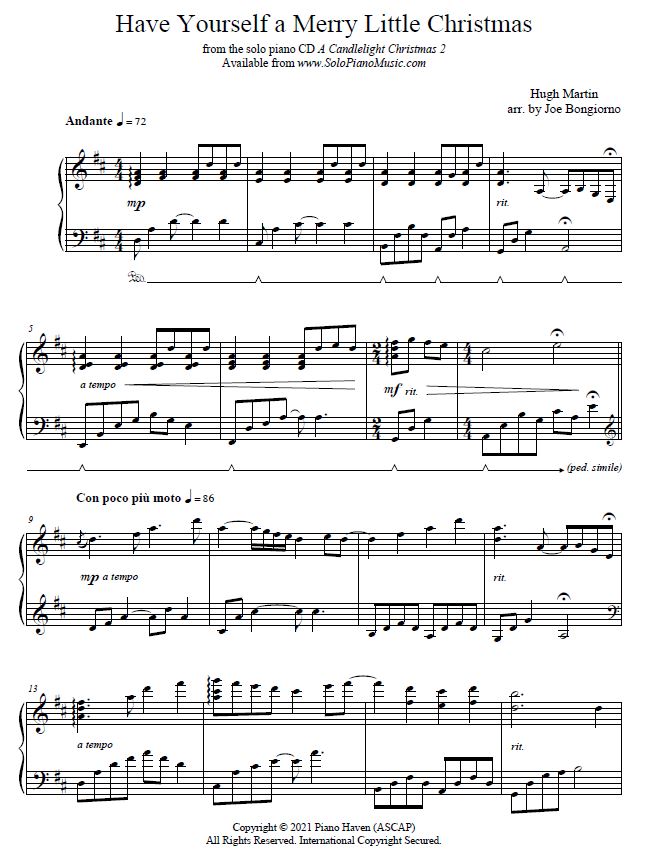
Technical Tips for a Better Performance
Touch matters. The song is gentle and reflective. A heavy, percussive attack will break the mood. Aim for legato. Keep fingers close to the keys. This creates a smooth, flowing sound. Think of snow falling slowly.
Watch the melody phrasing. Do not rush the iconic lines. Many beginners speed up to finish quickly. Instead, breathe with the music. Pause slightly at phrase ends. Let the harmony settle. This small change makes your rendition sound polished and professional.
Here are practical pointers I use with students:
- Balance inner voices. Keep the melody clear but allow the middle notes to move naturally.
- Use light finger legato in the right hand and gentle arm weight in the left.
- Mark dynamic shapes: warm mezzo-piano for verses, a soft crescendo into key lines.
- Practice hands separately, then together. Small slow repetitions beat long, fast runs.
- Use controlled rubato sparingly. A subtle stretch on a phrase can heighten emotion.
Pedal choice matters too. Use the sustain pedal to blend chords. But change it cleanly on harmonic shifts to avoid muddiness. I recommend the half-and-half lift method: release slightly then reapply. It keeps the sound clear.
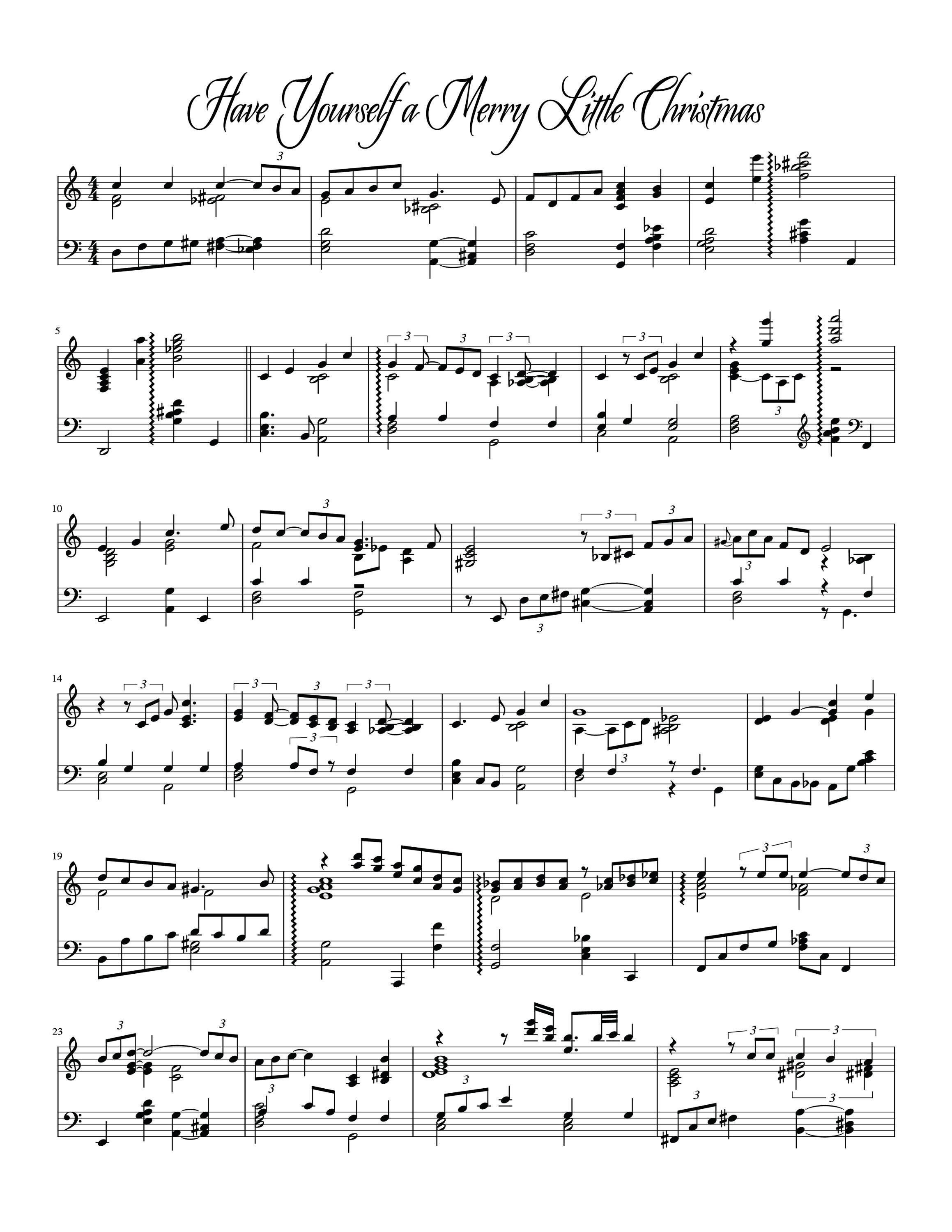
Frequently Asked Questions of have yourself a merry little christmas piano
Is this song difficult for beginners to learn on the piano?
This song is accessible for beginners when you use a simplified arrangement. Focus on the main melody and basic triads. Practice chord changes slowly. With steady practice, many students learn a recognizable version in a few lessons.
What is the best key to play this song in?
C major is the easiest for beginners. It has no sharps or flats. Advanced players often pick keys like Eb or F. These keys give a warmer tone. They suit the song’s nostalgic mood.
Should I use a sustain pedal while playing?
Yes. The sustain pedal helps create the lush, blended sound associated with this tune. But use it with care. Release and reapply the pedal at chord changes. That prevents a muddy texture.
Where can I find good sheet music for this piece?
You can find many versions of Have Yourself a Merry Little Christmas piano scores on major digital sheet music marketplaces or at local music stores. Choose an arrangement that states your skill level. Look for audio previews or sample pages. These help you judge the style and difficulty before you buy.
How do I add a jazz feel to the melody?
To add a jazz feel, try seventh and extended chords in the left hand. Use subtle syncopation. Replace block chords with flowing arpeggios. Work on smooth voice leading. Try ii–V–I turnarounds and rootless voicings. Keep the melody intact while coloring the harmony beneath it.
Practical Practice Plan: 4-Week Roadmap for Beginners
This short plan helps you learn a clean, playable version in a month. It breaks practice into simple tasks. Follow it at your pace.
- Week 1: Learn melody and right-hand rhythm. Play slowly. Mark breaths and phrase ends.
- Week 2: Add left-hand triads. Practice chord changes in isolation. Keep a steady tempo.
- Week 3: Connect hands. Add light pedal and dynamics. Record yourself and listen back.
- Week 4: Add small embellishments. Practice rubato and subtle jazz colors if you want. Prepare one polished performance version.
Common Mistakes and Simple Fixes
Students often make the same mistakes. Here are quick fixes I give them:
- Rushing: Use a metronome. Slow down until you can play cleanly.
- Muddy pedal: Change the pedal on chord shifts. Use lighter pedal pressure.
- Hidden melody: Bring the melody out by reducing left-hand volume and finger weight.
- Stiff phrasing: Sing the line as you play. Shape each phrase like a short sentence.
Conclusion
Bringing the beauty of Have Yourself a Merry Little Christmas to your piano is one of the most rewarding ways to celebrate the holidays. Focus on smooth phrasing. Choose the right level of complexity. Let your feelings guide your fingers. Do this and you will give listeners a lasting memory.
Start with a simple version today. Give yourself time to grow. If these tips helped, please share this guide with a fellow musician. Or leave a comment below about your own journey with this beautiful, classic carol.

Senior Music Reviewer
Alex Carter is a seasoned music reviewer with over a decade of experience in the world of sound and instruments. Passionate about helping musicians and enthusiasts make informed choices, he brings sharp insights and in-depth knowledge to every review. From classical instruments to modern gear, Alex combines technical expertise with a love for music to deliver content that resonates with readers.
As a Senior Music Reviewer and expert author on Tuneluma.com, Alex is dedicated to sharing honest evaluations, practical advice, and thoughtful commentary to guide readers in their musical journey.