What Musical Family Is The Piano In: Explained
The piano is a chordophone, or string instrument, though it is often grouped with percussion instruments.
Understanding what musical family is the piano in can seem confusing because the piano uses strings, hammers, and a keyboard at the same time. The best answer depends on the classification system: organologists place it in the chordophone family, while many musicians teach it as a percussion instrument because felt-covered hammers strike its strings. This guide explains both views in clear terms.
What musical family is the piano in?
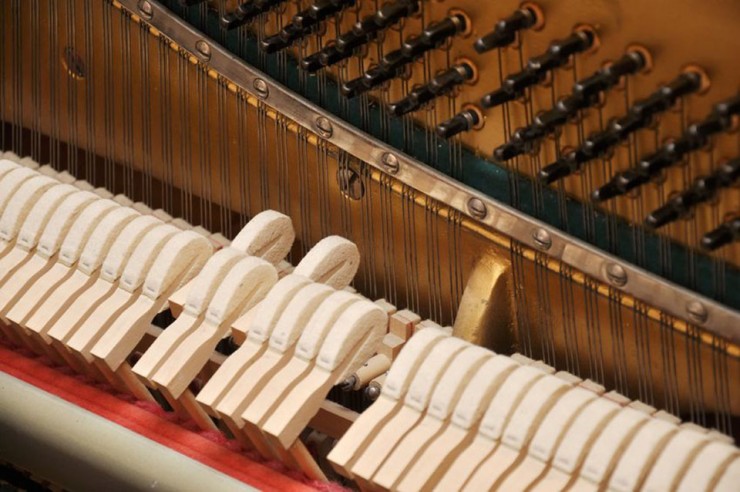
The piano belongs to the chordophone family because its sound comes from vibrating strings. When you press a piano key, a small hammer moves upward and strikes one or more tightly stretched strings. Those strings vibrate, and the piano’s soundboard makes the vibration louder.
In the common Western instrument groups, the piano is often placed with percussion instruments. This is because the player does not touch the strings directly. Instead, a hammer hits them, much like a mallet hits a xylophone bar or a drumstick hits a drumhead.
So, what musical family is the piano in? The most complete answer is:
• Scientific classification: Chordophone, or string instrument
• Common classroom classification: Percussion instrument
• Playing method: A keyboard controls felt-covered hammers
• Sound source: Vibrating metal strings
• Main amplifier: A wooden soundboard and the piano’s case
Both descriptions are correct. They simply focus on different parts of the instrument.
Why the piano is a string instrument
The piano’s strings are the main reason it belongs to the chordophone family. A chordophone is any instrument that produces sound through one or more stretched strings. Guitars, violins, harps, and dulcimers also belong to this broad family.
A piano has many strings. The lower strings are thick and may contain a copper winding. The higher strings are thinner and often use two or three strings for each note. These strings are tuned to precise pitches so the piano can produce harmony, melody, and rich overtones.
The sound does not come from the key itself. The key only starts a mechanical action. That action lifts a hammer, which strikes the string and then quickly moves away so the string can vibrate freely.
This design gives the piano a wide range of volume. A gentle key press creates a soft sound. A firm press moves the hammer faster and creates a louder sound. The player can also shape tone through touch, timing, and the use of pedals.
The main parts that create piano sound
• Keys: Start the action when the player presses them
• Hammers: Strike the strings
• Strings: Vibrate to create musical pitch
• Bridges: Transfer string vibrations to the soundboard
• Soundboard: Spreads and strengthens the vibrations
• Dampers: Stop strings from ringing when the key is released
• Pedals: Change sustain, tone, and resonance
This chain helps explain what musical family is the piano in. The instrument has a keyboard interface, but its sound begins with strings.
Why many people call the piano a percussion instrument
The piano is often called a percussion instrument because its strings are struck. In music education, instruments are sometimes grouped by how the sound begins. A drum is hit, a trumpet is blown, and a violin string is bowed or plucked.
The piano fits more than one group under this approach. Its strings vibrate like those of a violin, but a hammer strikes them like a percussion tool. This hybrid design makes the piano unusual.
In an orchestra, the piano may be treated as a keyboard instrument rather than placed in one fixed section. It may support harmony, play a solo part, or add color to the percussion section. Its role changes with the musical work.
The key point is simple: calling the piano percussion describes its striking action. Calling it a chordophone describes its vibrating strings. Neither term gives the entire picture by itself.
A simple comparison
Imagine a guitar with a tiny hammer system inside it. You would still hear strings, but you would not pluck them with your fingers. That is close to the difference between a guitar and a piano.
• Guitar: The player plucks or strums the strings
• Violin: The player bows or plucks the strings
• Harp: The player plucks the strings
• Piano: Hammers strike the strings
• Drum: A stretched membrane vibrates after being struck
This comparison makes what musical family is the piano in easier to remember. The piano has the sound source of a string instrument and the action of a percussion instrument.
How the piano fits into instrument classification systems
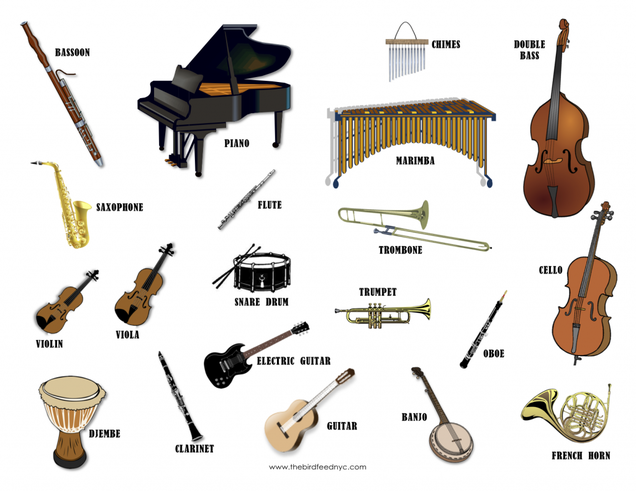
Musical instruments can be classified in several ways. No single system answers every question. The result depends on whether the system focuses on sound production, construction, playing technique, or orchestral use.
The Hornbostel-Sachs system is widely used in organology, the study of musical instruments. In this system, the piano is a chordophone because its strings are the primary sound-producing material. More specifically, it is a struck chordophone.
This system also places instruments such as the hammered dulcimer in the chordophone group. The dulcimer has strings that are struck by small beaters, so its classification is close to that of the piano.
Western school music may use a simpler family system. Many textbooks teach five broad families:
• Strings: Sound comes from vibrating strings
• Woodwinds: Sound comes from air moving through a tube
• Brass: Sound comes from buzzing lips and air
• Percussion: Sound comes from striking, shaking, or scraping
• Keyboard: Instruments are controlled by keys
The keyboard category is useful for lessons, but it is not always a true scientific family. A keyboard can control strings, pipes, electronic circuits, or percussion bars. The word “keyboard” describes the interface rather than the sound source.
That is why what musical family is the piano in has more than one reasonable answer.
The piano’s unusual hybrid design
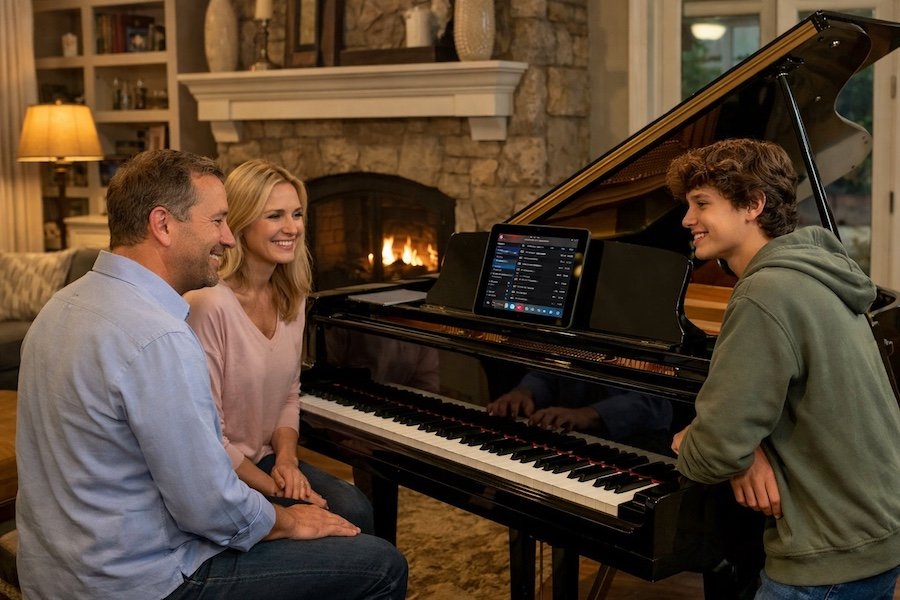
The piano combines several instrument ideas in one body. It has strings like a harp, hammers like a percussion instrument, keys like an organ, and pedals that change resonance. This blend is one reason the piano is so useful in music.
A grand piano also has a large soundboard beneath the strings. When the strings vibrate, the bridge transfers that energy to the soundboard. The soundboard then moves a larger amount of air, which makes the tone strong enough to fill a room.
The case shape affects the sound as well. In a grand piano, the strings stretch horizontally. In an upright piano, the strings stand vertically to save space. Both designs use the same basic sound process.
The pedals add another layer:
• Sustain pedal: Lifts the dampers and lets notes ring
• Soft pedal: Changes the hammer position or action for a softer tone
• Sostenuto pedal: Sustains selected notes while other notes remain controlled
When explaining what musical family is the piano in to a new student, I find it helpful to start with the string. Then I explain the hammer and keyboard. This order avoids the common mistake of assuming that every keyboard instrument belongs to the same sound family.
Piano versus other members of the chordophone family
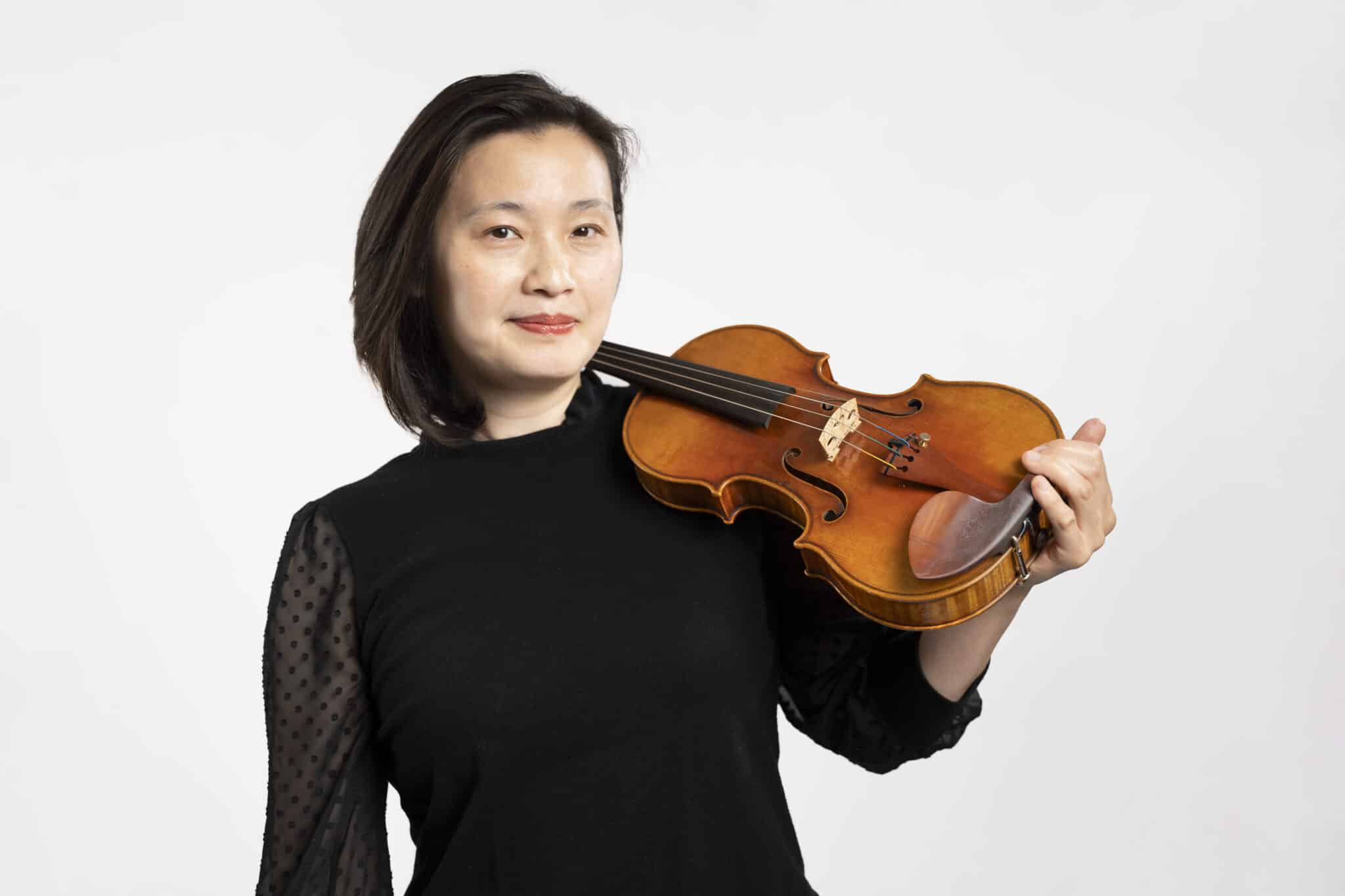
The piano shares its core sound source with many string instruments, but its playing method makes it distinct. A guitar player controls pitch by pressing strings against frets. A violin player changes pitch by placing a finger on the string and drawing a bow across it.
A pianist selects prepared pitches with keys. The keys do not usually change the length of the string during performance. Instead, each key is linked to strings that have already been tuned to a specific note.
The piano also has a much larger range than most individual chordophones. A modern concert grand can cover more than seven octaves. This allows one pianist to play bass lines, chords, melodies, and inner parts at the same time.
Here is a useful comparison:
| Instrument | Main sound source | How the sound begins |
|---|---|---|
| Piano | Metal strings | Hammer strikes strings |
| Guitar | Strings | Finger or pick plucks strings |
| Violin | Strings | Bow moves across strings |
| Harp | Strings | Fingers pluck strings |
| Hammered dulcimer | Strings | Mallets strike strings |
| Drum | Stretched membrane | Stick or hand strikes membrane |
The piano’s place in this table shows why the answer to what musical family is the piano in depends on the system being used. Its closest scientific family is chordophones, but its striking action connects it to percussion.
Common mistakes when identifying the piano family
One common mistake is saying that the piano is only a keyboard instrument. Keyboard tells us how the player controls the instrument. It does not tell us what vibrates to make the sound.
Another mistake is saying that the piano is only percussion. This answer is understandable, but it leaves out the strings that create the pitch. A more accurate answer explains both the struck action and the vibrating strings.
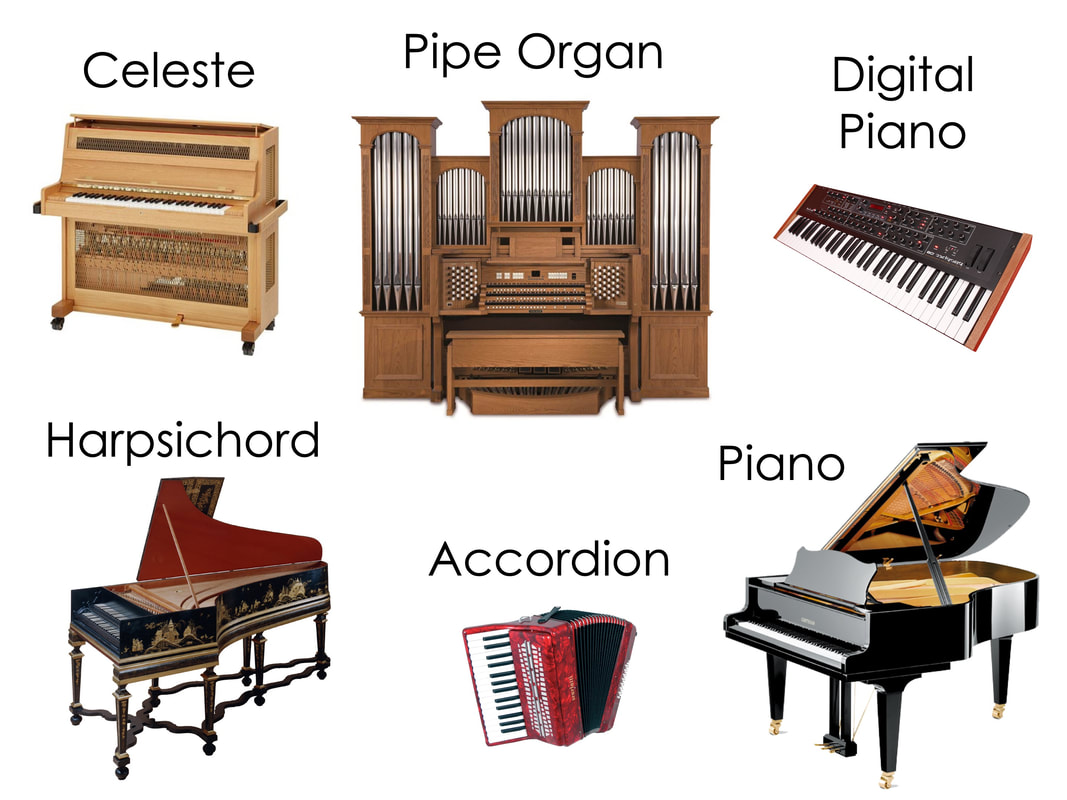
A third mistake is confusing the piano with the celesta. Both use a keyboard, but their sound sources differ. A piano uses strings, while a celesta uses tuned metal bars struck by hammers.
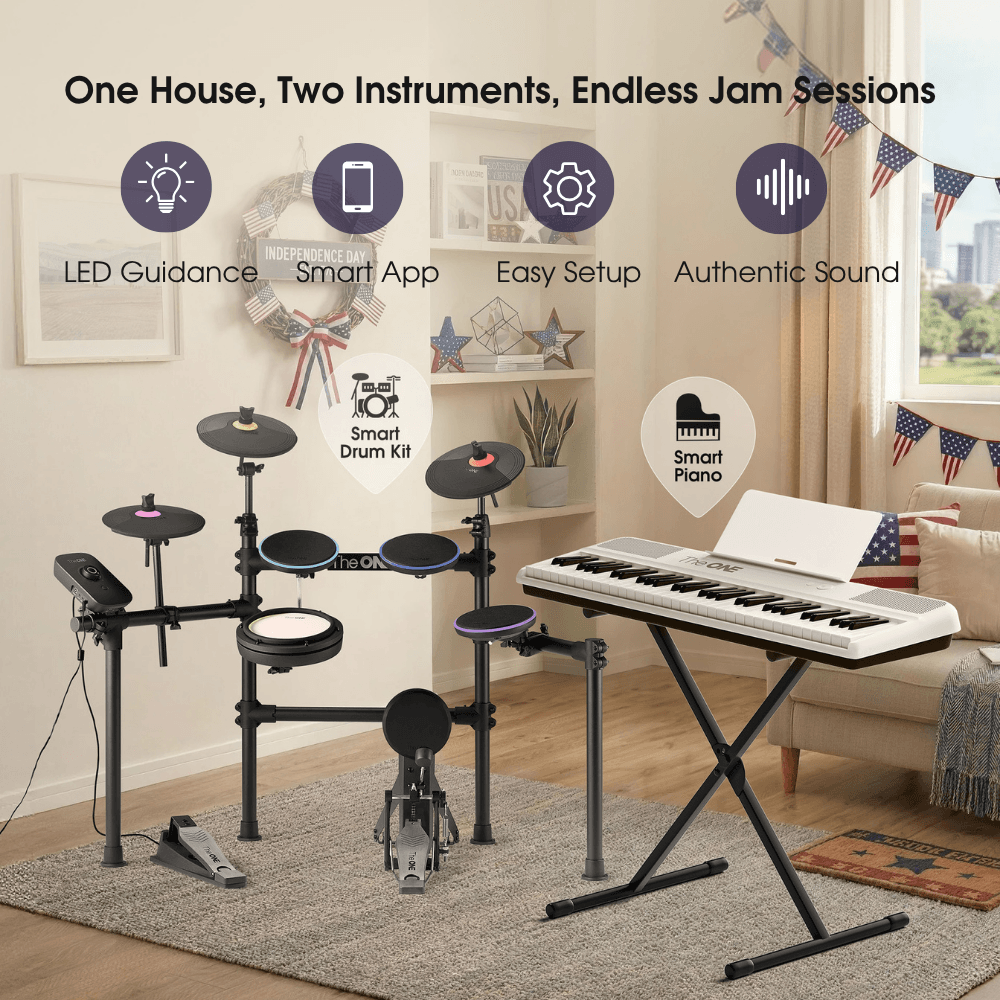
Electronic keyboards create another challenge. A digital piano may have no strings at all. It produces sound through recorded samples, digital modeling, or speakers. It copies the piano’s response and tone, but its physical sound source is electronic.
To identify an instrument correctly, ask three questions:
- What part vibrates?
- What starts the vibration?
- How does the instrument make the sound loud enough to hear?
For the acoustic piano, the answers are strings, hammers, and a soundboard. Those three answers provide the clearest explanation of what musical family is the piano in.

Does the piano belong to the orchestra’s percussion family?
The answer depends on the orchestra and the score. Some orchestral works list the piano near percussion instruments because its notes are created by hammers. Other works treat it as a solo keyboard instrument or give it a special role outside the main sections.
The piano does not usually sit in the standard percussion row beside timpani, snare drum, and cymbals. Its size, tuning system, and keyboard technique make it different from most orchestral percussion instruments.
Still, composers may use the piano for rhythmic attacks, repeated patterns, sharp accents, or color. In those moments, it can behave like a percussion instrument. In a concerto, it may act as the main melodic and harmonic voice.
This flexible role is common in modern music. The piano appears in classical, jazz, blues, gospel, pop, rock, film music, and musical theater. Its ability to play rhythm, harmony, and melody makes it one of the most versatile instruments in Western music.
Why knowing the piano family matters for students
Learning what musical family is the piano in helps students understand how music works. It connects the piano to strings, percussion, resonance, tuning, and acoustics. It also gives learners a better way to compare instruments.
This knowledge can improve practice. When a pianist understands that the hammer creates the initial attack but the string and soundboard shape the tone, they can focus on touch rather than simply pressing keys harder.
A helpful practice idea is to play the same note in three ways:
• Press gently for a soft attack
• Press with more speed for a strong attack
• Hold the sustain pedal and listen to the resonance
The goal is to hear the difference between the hammer’s impact and the string’s continuing vibration. This teaches control without forcing the hands.
One lesson many beginners learn late is that louder does not always mean better. A hard key press can create a harsh tone. Good piano playing uses controlled movement, relaxed hands, and accurate timing.
Frequently Asked Questions About What Musical Family Is the Piano In
Is the piano a string instrument?
Yes. The piano is a string instrument because stretched strings vibrate to create its notes. In the Hornbostel-Sachs system, it is classified as a struck chordophone.
Is the piano a percussion instrument?
The piano can also be described as a percussion instrument because felt-covered hammers strike its strings. This description focuses on how the sound begins rather than on the material that vibrates.
Why is the piano called a keyboard instrument?
The piano is called a keyboard instrument because the player controls it with rows of keys. “Keyboard” describes the control system, while “chordophone” describes the sound-producing system.
What part of the piano makes the sound?
The strings produce the original vibration. The hammers strike those strings, and the soundboard amplifies the vibration so people can hear it clearly.
Is a digital piano in the same musical family?
A digital piano copies the sound and touch of an acoustic piano, but it may not contain strings or hammers. Physically, it is an electronic instrument, although musicians often group it with pianos because of its design and use.
Is the piano part of the orchestra’s string section?
Usually, the piano is not placed in the standard orchestral string section with violins, violas, cellos, and basses. Its strings are struck rather than bowed, and its keyboard design gives it a separate role.
Conclusion
The most accurate answer to what musical family is the piano in is that the piano is a chordophone, or string instrument, because vibrating strings create its sound. It is also linked to percussion because hammers strike those strings, and it is called a keyboard instrument because keys control the action.
This dual identity is not a flaw. It is what makes the piano so powerful and flexible. The next time you play or hear one, listen for the hammer’s attack, the strings’ vibration, and the soundboard’s warm response. Explore more piano guides, practice with purpose, and share your favorite piano piece in the comments.

Senior Music Reviewer
Alex Carter is a seasoned music reviewer with over a decade of experience in the world of sound and instruments. Passionate about helping musicians and enthusiasts make informed choices, he brings sharp insights and in-depth knowledge to every review. From classical instruments to modern gear, Alex combines technical expertise with a love for music to deliver content that resonates with readers.
As a Senior Music Reviewer and expert author on Tuneluma.com, Alex is dedicated to sharing honest evaluations, practical advice, and thoughtful commentary to guide readers in their musical journey.