Introduction
For many people in the United States, the violin feels like the best instrument because it offers a rare mix of emotion, range, portability, and musical depth. A violin can play a soft folk melody, lead a school orchestra, support a bluegrass band, or carry the main voice in a concert hall.
Still, no instrument is best for every person. The right choice depends on your goals, body comfort, music taste, budget, and willingness to practice. The violin stands out because one instrument can serve beginners, students, performers, composers, and professionals for a lifetime.
This guide explains why the violin is often considered the best instrument, where it has limits, and how it compares with other popular instruments in the United States.

What Makes the Violin Stand Out?
The violin stands out because it gives the player direct control over pitch, tone, volume, and expression. Unlike a piano, which has fixed keys, a violinist creates each note with the left hand and bow.
That design creates both freedom and challenge. A skilled player can shape a note almost like a singer shapes a voice. A new player, however, must learn where to place each finger and how to move the bow.
The main reasons people choose the violin include:
- A wide musical range
- Strong emotional expression
- A small and portable design
- A large amount of music to study
- A central role in many ensembles
- A clear path from beginner skills to advanced study
- Use in classical, folk, country, jazz, rock, film, and popular music
The violin is also part of a family. The viola, cello, and double bass use related ideas, such as strings, bows, and finger placement. Skills learned on violin may help a student later explore these instruments.
Why Is the Violin So Expressive?
The violin is highly expressive because the player controls nearly every part of the sound after the note begins. The bow can move slowly or quickly. It can press more firmly or lightly. It can play near the fingerboard or closer to the bridge.
Each choice changes the sound.
A violinist can also use techniques such as:
- Vibrato: A small, controlled change in pitch that adds warmth.
- Pizzicato: Plucking the string instead of using the bow.
- Legato: Connecting notes smoothly.
- Staccato: Playing short, separated notes.
- Double stops: Playing two notes at once.
- Harmonics: Producing light, high sounds by touching the string in a special way.
- Shifting: Moving the left hand to a new position for higher notes.
These tools give the violin a voice-like quality. The instrument can sound bright, warm, tense, calm, joyful, or sad.
This does not mean the violin is more expressive than every other instrument. The human voice, cello, trumpet, guitar, and piano can also create deep emotion. The violin’s advantage is the amount of control it gives the player over pitch and tone in a compact instrument.

Does the Violin Have a Wide Range?
Yes. A standard violin has four strings, usually tuned in fifths: G, D, A, and E. Its written range covers more than three octaves in common playing, and advanced players can reach higher notes.
That range lets one violin perform several musical roles:
- A low harmony line
- A singing melody
- Fast runs
- Chords and double stops
- Rhythmic patterns
- Decorative fills
- High, bright lines above an ensemble
The violin does not have the lowest range in an orchestra. The cello and double bass play lower notes. It also cannot play as many notes at once as a piano.
Its strength is balance. The violin can move from low support to high melody without changing instruments.
Why Is the Violin Important in American Music?
The violin has a major role in American music. In the United States, people may call the instrument a violin or a fiddle. The physical instrument is often similar, but the playing style, setup, bow use, rhythm, and musical tradition may differ.
The violin appears in:
- American classical music
- Bluegrass
- Old-time music
- Country music
- Cajun and Creole music
- Folk music
- Jazz
- Broadway shows
- Film and television scores
- Worship music
- School and community orchestras
- Contemporary pop and rock
In bluegrass, a fiddle may play fast breaks and rhythmic lines. In a symphony orchestra, the violin section may carry the main theme or create a large musical texture. In a string quartet, the first violin often takes the highest melodic role.
This range makes the violin useful for people with different musical interests. A student may begin in a school orchestra and later move into chamber music, folk sessions, studio work, or another style.

Is the Violin Portable?
The violin is one of the most portable full-range instruments. A standard violin is small enough to carry in a case, and it does not need electricity, a stand, or a large room.
That portability helps in several ways:
- Students can practice in many locations.
- Players can take the instrument to lessons and rehearsals.
- Musicians can perform in small spaces.
- A violin is easier to store than a piano or drum kit.
- Outdoor and community performances are practical.
Portability does have limits. A violin is sensitive to heat, cold, moisture, and sudden changes in temperature. Leaving it in a hot car can damage the wood, glue, varnish, or strings.
A safe case, careful handling, and basic maintenance are part of owning the instrument.
Does the Violin Build Useful Musical Skills?
Learning violin can build several important music skills, but progress depends on teaching quality and practice habits. The instrument requires the player to coordinate both hands, read music or follow another notation system, listen closely, and control physical movement.
A beginner often develops:
- Pitch awareness
- Rhythm
- Ear training
- Fine motor control
- Bow control
- Musical memory
- Ensemble listening
- Sight-reading
- Dynamic control
- Patience and practice discipline
Research in music education links music participation with many possible cognitive, social, and emotional benefits. However, claims that playing violin automatically makes someone smarter or guarantees academic success are too broad. Benefits vary by person, setting, age, teaching, and amount of practice.
The strongest practical benefit is more direct: violin study trains a person to listen, repeat, adjust, and improve. Those habits can support musical growth and general learning, but they are not a promise of better grades or higher intelligence.

Is the Violin Good for Beginners?
The violin can be an excellent beginner instrument, but it is not usually easy at first. A beginner must learn basic posture, bow control, finger placement, and rhythm at the same time.
A piano gives a new player a clear note when a key is pressed. A violin does not have frets or keys that show the exact pitch. Beginners may produce squeaks or notes that sound out of tune during the first weeks or months.
That difficulty is not a reason to avoid the violin. It is a reason to start with good guidance.
A beginner has the best chance of success when they:
- Use a properly sized instrument.
- Learn from a qualified teacher or trusted program.
- Practice short sessions on a regular schedule.
- Use a mirror or video to check posture.
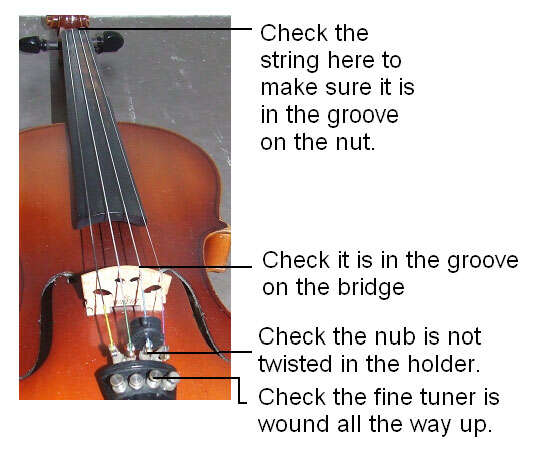
- Tune the instrument before playing.
- Practice slowly before increasing speed.
- Learn to care for the bow and strings.
- Play simple songs early to stay motivated.
For many new players, ten to twenty focused minutes can be more useful than one long session with poor form.
How Long Does It Take to Learn Violin?
There is no fixed timeline because “learn” can mean different things. A student may play simple melodies within weeks, join a beginner ensemble within months, or need years to develop advanced tone and technique.
A realistic pattern may look like this:
| Stage | Common abilities | Main challenge |
|---|---|---|
| First weeks | Hold the violin, use the bow, play open strings | Posture and sound control |
| First months | Play simple songs and basic scales | Accurate notes and rhythm |
| One to two years | Read more music and join an ensemble | Consistent tone and intonation |
| Several years | Use shifting, vibrato, and advanced bow strokes | Musical control and speed |
| Advanced study | Perform difficult repertoire with style | Refinement and interpretation |
These time frames are general examples, not guarantees. Practice quality matters more than simply owning a violin for a long time.
How Does the Violin Compare With Other Instruments?
The violin may be the best instrument for a person who wants a portable, expressive instrument with a large role in ensemble music. It may not be the best choice for someone who wants instant notes, low physical demands, or easy self-teaching.
| Instrument | Main strength | Main trade-off |
|---|---|---|
| Violin | Expressive melody and wide musical use | Difficult early pitch and bow control |
| Piano | Clear notes and strong harmony | Large, less portable, and costly at full size |
| Guitar | Chords, singing, and many popular styles | Finger pain and limits on some classical techniques |
| Cello | Deep, warm tone and expressive melody | Larger and less portable |
| Flute | Light, clear sound and easy transport | Breath control and limited chord ability |
| Trumpet | Strong sound and useful in bands | Requires breath control and can tire the lips |
| Drums | Rhythm, coordination, and group energy | Noise, space, and limited melodic ability |
The violin’s key trade-off is clear: it offers a high level of musical control, but the learning curve is steep.
A piano may be better for a beginner who wants to play chords right away. A guitar may be better for someone who wants to sing while playing popular songs. A cello may be better for a player who prefers a lower sound and does not mind a larger instrument.

Is Violin Better Than Piano?
Neither instrument is better in every situation. The violin is often better for melody, portability, and expressive pitch control. The piano is often better for harmony, composition, and seeing musical patterns clearly.
A piano player can press several keys at once and produce a stable chord. A violinist can shape one note in many ways but must work harder to produce several notes together.
Choose violin if you want:
- A small instrument
- A singing melodic sound
- Orchestra or chamber music
- Folk, fiddle, or bluegrass options
- Detailed control of pitch and tone
Choose piano if you want:
- Chords right away
- A clear visual layout of notes
- Strong support for composing
- Easy access to harmony
- A stable pitch without tuning each note by finger placement
Some musicians study both. Piano can help explain harmony, while violin can strengthen ear training and melodic control.
Is Violin Better Than Guitar?
The violin and guitar serve different needs. Guitar is often the faster path to basic chord accompaniment. Violin usually offers more direct control of sustained melody and pitch.
Guitar may be the better choice if you want to:
- Accompany your singing
- Play pop, rock, country, or folk chords
- Learn common songs quickly
- Use chord charts and tabs
- Perform alone with harmony
Violin may be the better choice if you want to:
- Play lead melodies
- Join an orchestra
- Study classical repertoire
- Play fiddle styles
- Develop detailed bow and pitch control
The best choice depends less on which instrument is “better” and more on the kind of music you want to make.
What Are the Main Disadvantages of the Violin?
The violin has real disadvantages. A fair answer should include them.
The early sound can be difficult
New players often struggle to make a clean tone. Poor bow angle, excess pressure, or weak contact can create scratchy sounds.
Pitch is not marked
Most violins do not have frets. The player must learn finger placement through listening, muscle memory, and repeated practice.
It requires regular tuning
Changes in temperature, string age, and playing can affect tuning. A beginner may need help from a teacher, tuner, or experienced player.
Good equipment matters
A very poor instrument can make learning harder. A rental from a reputable violin shop may be more practical than buying the cheapest available instrument.
Practice can disturb others
The violin can be loud in a small room. A mute may reduce volume, but it does not remove all sound. Players should follow apartment, school, and neighborhood rules.
Physical strain is possible
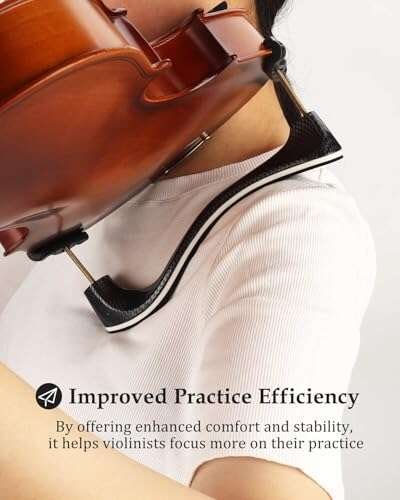
Poor posture can cause neck, shoulder, wrist, or back discomfort. Pain is not a sign of progress. Stop, check technique, and seek help from a qualified teacher or health professional if pain continues.
How Much Does It Cost to Start Playing Violin in the United States?
The cost varies widely by region, instrument quality, teacher, and program. A beginner may need to budget for more than the violin alone.
Common costs can include:
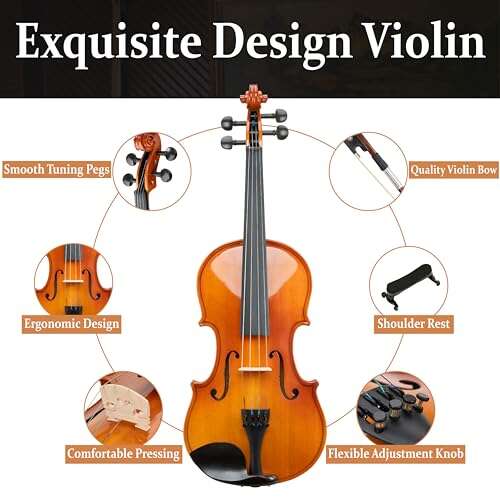
- Instrument rental or purchase
- Bow
- Case
- Shoulder rest, if suitable
- Rosin
- Extra strings
- Tuner
- Music books
- Private lessons
- Repairs and adjustments
Prices change often, so a local violin shop, school program, or established music organization is the best source for current costs.
Renting can be a sensible first step for a growing child. A rental program may offer size exchanges as the student grows. Buying can make sense when the player has committed to regular study and has received advice about setup and quality.
Avoid choosing only by the lowest price. A violin that is hard to tune, poorly set up, or uncomfortable may discourage practice.
How Should a New Player Choose a Violin?
A new player should choose an instrument that fits the body, works correctly, and supports comfortable technique. Size is especially important for children.
A teacher or violin shop can check:
- Arm and hand reach
- Instrument size
- Bridge shape
- String height
- Peg function
- Bow condition
- Sound quality
- Case safety
- Repair needs
A child should not stretch to use a full-size violin too soon. The correct size allows easier control and lowers the risk of poor posture.
For an adult beginner, a full-size violin is common, but comfort still matters. The player should be able to hold the instrument without excessive tension.
Common Mistakes New Violinists Should Avoid
Small habits can slow progress. These mistakes are common and fixable.
- Practicing only when motivated: A short routine works better than rare, long sessions.
- Ignoring tuning: An out-of-tune instrument can confuse ear training.
- Using too much bow pressure: More force does not always create a better sound.
- Raising the shoulder: Tension can limit movement and cause discomfort.
- Playing too fast: Speed hides errors rather than solving them.
- Skipping rest breaks: Tired muscles often create poor form.
- Buying without a setup check: A basic adjustment can affect playability.
- Comparing early progress with advanced players: Skill grows at different rates.
- Practicing mistakes repeatedly: Slow, careful repetition builds better habits.
- Treating pain as normal: Persistent pain needs attention.
A teacher can often correct a small technical issue before it becomes a long-term habit.
Who Should Choose the Violin?
The violin may be a strong choice if you want an expressive instrument and accept a gradual learning process. It suits people who enjoy melody, close listening, ensemble playing, and regular practice.
It may fit you if you:
- Like classical, folk, country, bluegrass, or film music
- Want to play in an orchestra or string group
- Prefer a portable instrument
- Enjoy detailed skill work
- Want to play both written music and by ear
- Can practice with patience
- Are willing to get feedback on technique
Another instrument may suit you better if you want to play full chords immediately, need a very quiet instrument, or do not enjoy careful repetition.
The best test is practical. Attend a beginner class, visit a violin shop, or borrow a properly fitted instrument under guidance. A short trial can reveal more than a general ranking.
Frequently Asked Questions
Why do people call the violin the best instrument?
People often call the violin the best instrument because it combines expressive tone, wide range, portability, and use across many musical styles. That judgment is personal, not an objective fact. The best instrument depends on the player’s goals and preferences.
Is violin harder than piano?
Many beginners find violin harder at first because it has no keys or frets to mark exact pitch. Piano provides clear notes and simple chords early on. Violin can become more comfortable with steady practice and good instruction.
Can adults learn violin?
Yes. Adults can learn violin at any age. Adults may progress well because they can understand instructions, plan practice, and listen carefully. Progress may be slower than a child’s in some areas, but age does not prevent meaningful improvement.
Is violin good for a child?
Violin can be good for a child who enjoys the sound and can follow a short practice routine. The instrument should be the right size, and an adult should support lessons, care, and safe practice habits.
Can a violinist play other instruments?
Many violinists later study viola, cello, mandolin, guitar, or other string instruments. Related skills can help, but each instrument has its own posture, technique, and musical demands.
Conclusion
The violin is often considered the best instrument because it offers an uncommon blend of emotional depth, musical range, portability, and long-term learning potential. It can serve a beginner, a school musician, a folk player, an orchestra member, or a professional performer.
Its main weakness is also clear: the first stage can be demanding. Pitch, bow control, posture, and tuning take time to learn.
Choose the violin if its sound and musical roles motivate you enough to practice with patience. Before buying, try a properly fitted instrument and seek guidance from a teacher or reputable violin shop. The best instrument is not the one with the highest reputation. It is the one you will enjoy learning and continue to play.
Sources and Further Reading
- National Association for Music Education: Music Education Standards
- Smithsonian Folkways: American Folk and Traditional Music
- Library of Congress: National Jukebox and American Music Collections
- The Metropolitan Museum of Art: Violin and String Instruments
- National Institutes of Health: Music and the Brain Research

Senior Music Reviewer
Alex Carter is a seasoned music reviewer with over a decade of experience in the world of sound and instruments. Passionate about helping musicians and enthusiasts make informed choices, he brings sharp insights and in-depth knowledge to every review. From classical instruments to modern gear, Alex combines technical expertise with a love for music to deliver content that resonates with readers.
As a Senior Music Reviewer and expert author on Tuneluma.com, Alex is dedicated to sharing honest evaluations, practical advice, and thoughtful commentary to guide readers in their musical journey.