Who Played Guitar On Bark At The Moon: The Answer
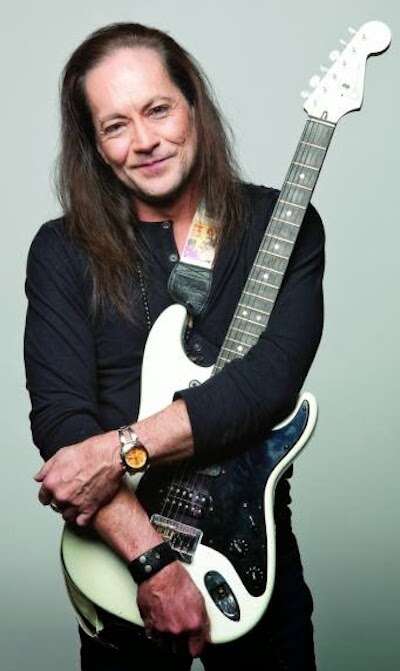
Jake E. Lee played the main guitar parts on Ozzy Osbourne’s “Bark at the Moon.”
The question of who played guitar on “Bark at the Moon” has a clear answer, but the full story is more interesting than a single name. Jake E. Lee shaped the song’s sharp riffs, fast lead work, and dark melodic style during his time with Ozzy Osbourne. This guide explains his role, the recording history, the album credits, and why his playing remains so important to heavy metal guitar.
Who played guitar on “Bark at the Moon”?
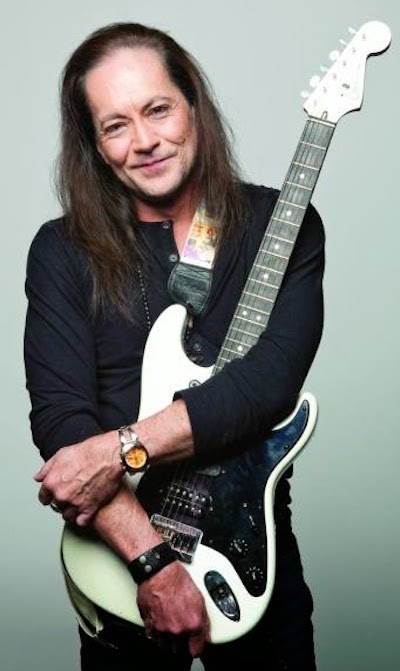
Jake E. Lee played guitar on “Bark at the Moon,” the title track from Ozzy Osbourne’s 1983 album. He was Ozzy’s lead guitarist at the time and replaced Brad Gillis, who had briefly filled the role after Randy Rhoads died in 1982.
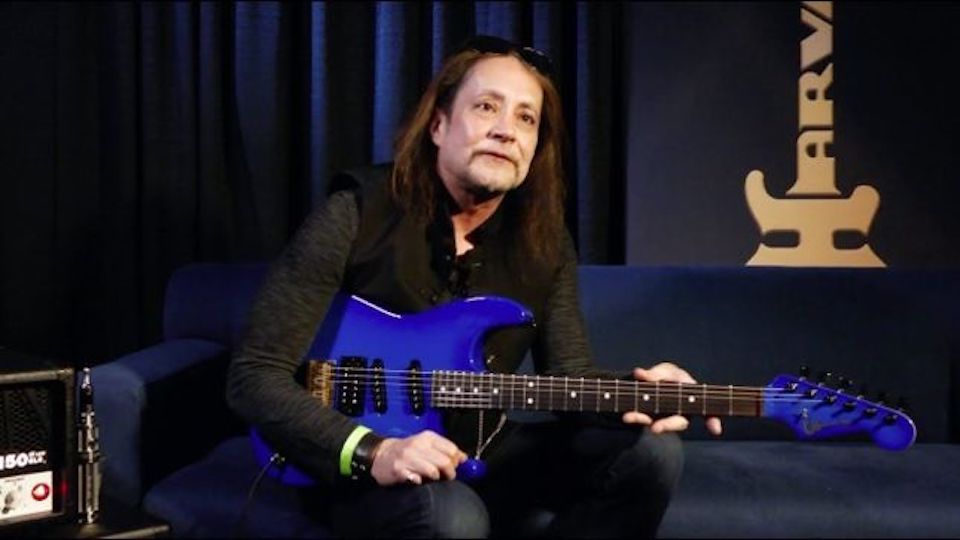
Lee played the main electric guitar parts on the studio recording. His work includes the opening riff, rhythm guitar layers, lead guitar lines, fills, and the song’s featured solo. His style helped give the track a fresh identity while keeping the dark and dramatic sound associated with Ozzy’s music.
The song was written and recorded for Ozzy’s third solo studio album, Bark at the Moon. The album marked Jake E. Lee’s first major studio appearance with Ozzy Osbourne.
Jake E. Lee’s role in the song
When asking who played guitar on “Bark at the Moon,” it helps to separate the studio recording from later live versions. Jake E. Lee was the guitarist heard on the original studio track, and his contribution was much more than a simple backing part.
His playing combines hard rock rhythm work with melodic lead guitar. The main riff uses tight timing and sharp accents. It sounds aggressive, but it is also carefully arranged. That balance helped the song appeal to both heavy metal fans and mainstream rock listeners.
Lee’s guitar work includes several key elements:
• The opening riff gives the song its instantly recognizable hook.
• The rhythm guitar supports the song with thick, controlled chord work.
• The lead fills add movement between Ozzy’s vocal lines.
• The solo combines speed, bends, vibrato, and melodic phrases.
• Multiple guitar layers create a wider and heavier studio sound.
Jake E. Lee also brought a different musical personality from Randy Rhoads. Rhoads was known for classical influence and highly structured compositions. Lee’s playing was often more blues-based, direct, and muscular, though he could still deliver complex and technically demanding parts.
Was Jake E. Lee the only guitarist on the recording?
Jake E. Lee was the primary guitarist on “Bark at the Moon,” but studio recordings can involve several musicians and guitar overdubs. The main guitar credit belongs to Lee, and he is the guitarist most listeners hear throughout the track.
The album’s credited lineup included:
• Ozzy Osbourne on lead vocals
• Jake E. Lee on guitars
• Bob Daisley on bass
• Tommy Aldridge on drums
Some editions and credit discussions have created confusion because musicians, producers, and record labels did not always present writing and performance information in the same way. However, the answer to who played guitar on “Bark at the Moon” remains Jake E. Lee.
It is also important not to confuse the original studio recording with live performances. Different guitarists played the song on stage during later periods of Ozzy’s career, including Zakk Wylde and Gus G.
The recording history behind “Bark at the Moon”
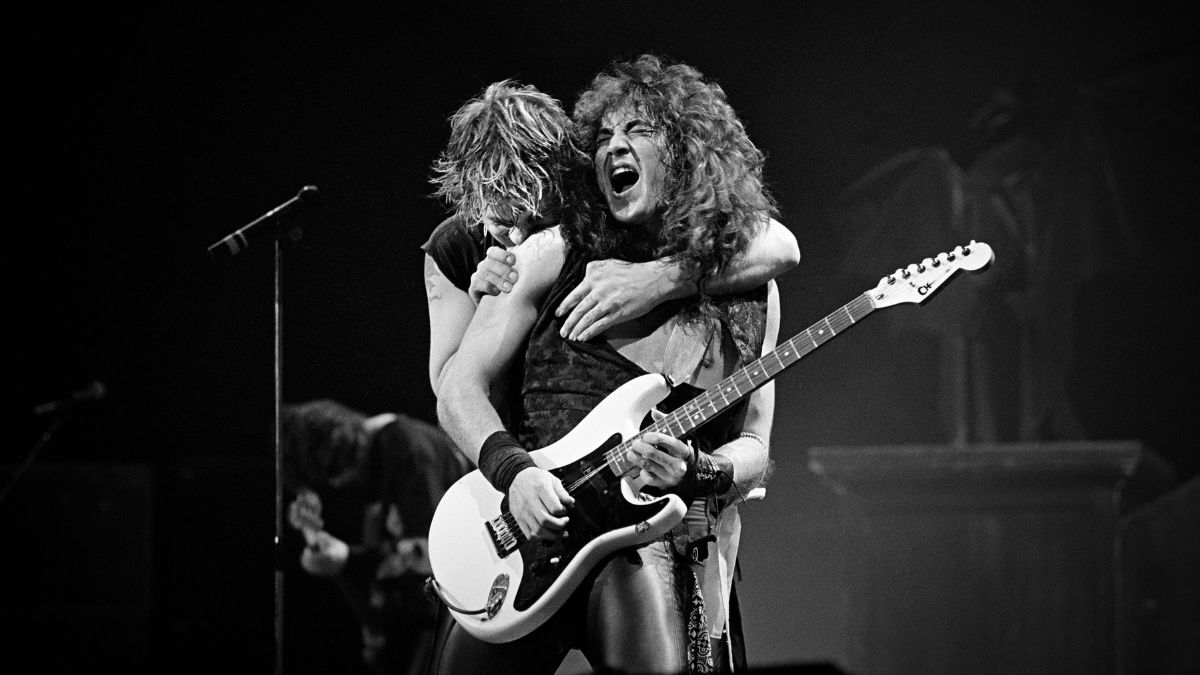
Bark at the Moon was released in 1983, during a major transition in Ozzy Osbourne’s band. Randy Rhoads had died in a plane crash in 1982, and the group needed a new guitarist who could handle both studio work and live performance.
Brad Gillis stepped in for touring duties and appeared on the live album Speak of the Devil. After that period, Jake E. Lee became Ozzy’s new full-time guitarist. Lee then helped create the sound of the Bark at the Moon album.
The title track was built around a strong guitar identity. Its opening figure feels like a musical entrance into a horror film. The riff is tense and dramatic, while the chorus opens up with a larger, more anthemic sound.
This arrangement shows why the answer to who played guitar on “Bark at the Moon” matters. The guitar is not only supporting the vocal. It drives the song’s mood, structure, and emotional impact.
What makes Jake E. Lee’s guitar sound unique?
Jake E. Lee’s playing on “Bark at the Moon” stands out because it is both forceful and melodic. He does not rely only on speed. He uses tone, phrasing, and rhythm to make each part serve the song.
Several features define his approach:
Strong riff construction
The main riff is easy to remember but not basic. It uses pauses, accents, and changes in attack to create tension. That is one reason the song remains effective decades after its release.
Expressive lead guitar
Lee’s solo has clear melodic ideas. He uses bends and vibrato to make the notes feel vocal. Even the faster passages have shape rather than sounding like random exercises.
Dark but clear tone
The guitar tone is heavy without becoming muddy. Each note has enough bite to cut through the bass, drums, and vocals. This clarity is especially important in the solo and high-register fills.
Tight rhythm playing
The rhythm guitar follows the drums closely. That tight connection gives the song its punch. A guitarist studying the track can learn a great deal about muting, timing, and controlled distortion.
From my perspective as a music-focused analyst, the most useful lesson is that Lee’s parts are memorable because they support the song first. The technique is impressive, but the arrangement is what makes the guitar work last.
How did Jake E. Lee compare with Randy Rhoads?
Many fans ask who played guitar on “Bark at the Moon” because they hear similarities to Ozzy’s earlier work. Jake E. Lee followed Randy Rhoads, but he did not simply copy him.
Rhoads brought a strong classical influence to songs such as “Crazy Train” and “Mr. Crowley.” His parts often used dramatic harmony, classical-style runs, and carefully planned composition.
Lee’s approach on “Bark at the Moon” was different:
• His riffs often feel more rooted in hard rock and blues.
• His tone has a sharper, more aggressive edge.
• His solos use energetic phrasing and strong bends.
• His rhythm parts are direct and groove-focused.
Both guitarists understood how to make a guitar part support Ozzy’s voice. That shared skill explains why the transition worked. Still, the title track has its own musical identity, and that identity comes largely from Jake E. Lee.
Who played guitar on live versions of “Bark at the Moon”?
The guitarist changed depending on the tour and the year. Jake E. Lee played the song during the original Bark at the Moon era and on tours supporting the album.
Later live versions featured other Ozzy guitarists. Zakk Wylde performed the song during his time with Ozzy, bringing a heavier and more blues-driven attack. Gus G. also played the song during his period in Ozzy’s touring band.
This distinction helps solve a common search mistake. If you watch a concert video, the guitarist on screen may not be Jake E. Lee. The original studio recording, however, is associated with Lee’s guitar performance.
Live arrangements may also change the solo, tuning, tone, and rhythm pattern. A performance can sound familiar while still reflecting the personality of the guitarist playing it.
Did Jake E. Lee write “Bark at the Moon”?
The writing credits for “Bark at the Moon” have been debated by fans and musicians. Jake E. Lee has discussed his contribution to the song and the album, while the official credits have changed or been presented differently across releases and publishing records.
The safest factual statement is this: Jake E. Lee played the guitar on the original recording, and he was deeply involved in the musical creation of the track. Credit disputes should be treated carefully because performance credits and songwriting credits are not the same thing.
A performer can record a guitar part without receiving full publishing credit. Likewise, a song can be shaped by several musicians even when only some names appear in the final writing information. This is why reliable album credits, musician interviews, and original release information should be compared rather than relying on one fan list.
How to learn the “Bark at the Moon” guitar parts
Guitarists who want to learn the song should begin with the rhythm parts. The opening riff is the foundation, and playing it cleanly is more important than rushing into the solo.
Try this step-by-step method:
-
Listen to the original track several times.
-
Learn the opening riff slowly with a metronome.
-
Practice the pauses and accents as carefully as the notes.
-
Add palm muting while keeping the rhythm steady.
-
Learn the vocal-supporting fills before attempting the solo.
-
Break the solo into short phrases.
-
Practice bends with a tuner or reference note.
-
Increase speed only when every note sounds clear.
A common mistake is to focus only on the solo. The song’s power comes from the complete guitar arrangement. If the rhythm part is weak, even an accurate solo will not sound convincing.
Another useful lesson is to avoid excessive distortion. Too much gain can hide timing errors and make fast notes blur together. A moderate amount of gain, strong pick control, and careful muting usually get closer to the focused sound of the recording.

Why the guitar performance still matters
The answer to who played guitar on “Bark at the Moon” is important because Jake E. Lee’s performance helped define 1980s heavy metal guitar. The track balances memorable songwriting with enough technical detail to reward close listening.
It also shows how a guitarist can enter an established band without losing personal identity. Lee had to follow one of rock’s most admired guitarists, yet he created a sound that stood on its own.
For guitar players, the song offers practical lessons in:
• Writing riffs that are simple but distinctive
• Using dynamics to create drama
• Mixing rhythm and lead guitar effectively
• Making solos serve the song
• Building a powerful tone without sacrificing clarity
That combination explains why the track remains a regular choice for guitar lessons, cover bands, tribute performances, and heavy metal playlists.
Frequently Asked Questions About Who Played Guitar on “Bark at the Moon”
Who played guitar on the original “Bark at the Moon” recording?
Jake E. Lee played the main guitar parts on the original studio recording. He performed the rhythm guitars, lead parts, fills, and featured solo.
Was Randy Rhoads the guitarist on “Bark at the Moon”?
No. Randy Rhoads had died before the song was recorded. Jake E. Lee became Ozzy Osbourne’s guitarist for the Bark at the Moon album.
Did Brad Gillis play guitar on “Bark at the Moon”?
Brad Gillis was part of Ozzy’s touring lineup after Randy Rhoads died, but Jake E. Lee played guitar on the original “Bark at the Moon” studio track.
Who played guitar on live performances of “Bark at the Moon”?
Jake E. Lee played the song during its original tour period. Later live versions featured guitarists such as Zakk Wylde and Gus G., depending on the tour.
Did Jake E. Lee play the solo on “Bark at the Moon”?
Yes. Jake E. Lee played the featured guitar solo on the original recording, along with the song’s main riffs and supporting guitar parts.
What album features “Bark at the Moon”?
“Bark at the Moon” appears on Ozzy Osbourne’s 1983 album of the same name. It was the first Ozzy studio album to feature Jake E. Lee as the primary guitarist.
Conclusion
Jake E. Lee played guitar on “Bark at the Moon,” and his performance helped give the song its sharp riffs, expressive solo, and lasting heavy metal character. Although other guitarists performed the song live in later years, Lee is the guitarist on the original studio recording.
Listen closely to the rhythm parts as well as the solo. That is where the full craft of the performance becomes clear. If you play guitar, learn the riff slowly, study the phrasing, and let the song guide your technique. Share your favorite Jake E. Lee performance or explore more classic Ozzy Osbourne guitar tracks.

Senior Music Reviewer
Alex Carter is a seasoned music reviewer with over a decade of experience in the world of sound and instruments. Passionate about helping musicians and enthusiasts make informed choices, he brings sharp insights and in-depth knowledge to every review. From classical instruments to modern gear, Alex combines technical expertise with a love for music to deliver content that resonates with readers.
As a Senior Music Reviewer and expert author on Tuneluma.com, Alex is dedicated to sharing honest evaluations, practical advice, and thoughtful commentary to guide readers in their musical journey.