How Old Is The Piano: History, Origins, And Evolution
The modern piano is about 325 years old, dating back to Bartolomeo Cristofori’s invention around 1700.
The answer to “how old is the piano” depends on what you mean by piano. Its direct ancestor appeared in Italy at the start of the 18th century, but its strings, keyboard, and hammer system grew from instruments that were much older. This guide explains the piano’s full history, how it changed, and how to estimate the age of an individual instrument.

How old is the piano?
The piano is about 325 years old in 2026. Most historians trace its invention to Bartolomeo Cristofori, an Italian instrument maker who developed the first known hammer-action keyboard instrument around 1700.
Cristofori’s invention was important because it allowed players to control volume through touch. Press a key gently, and the note sounded soft. Press it with more force, and the note became louder. This feature gave the instrument its early name, “gravicembalo col piano e forte,” meaning “harpsichord with soft and loud.”
There is no single birthday for the piano. Early records describe Cristofori’s instruments around 1700, but the oldest surviving Cristofori pianos date from the 1720s. For that reason, it is accurate to say:
• The piano began around 1700.
• The piano is about 325 years old in 2026.
• The oldest surviving pianos are roughly 300 years old.
• The modern concert grand developed much later, mainly during the 19th century.
So, when someone asks how old is the piano, the simplest answer is “about three centuries.” The fuller answer includes a long period of design changes and improvements.
Who invented the piano?
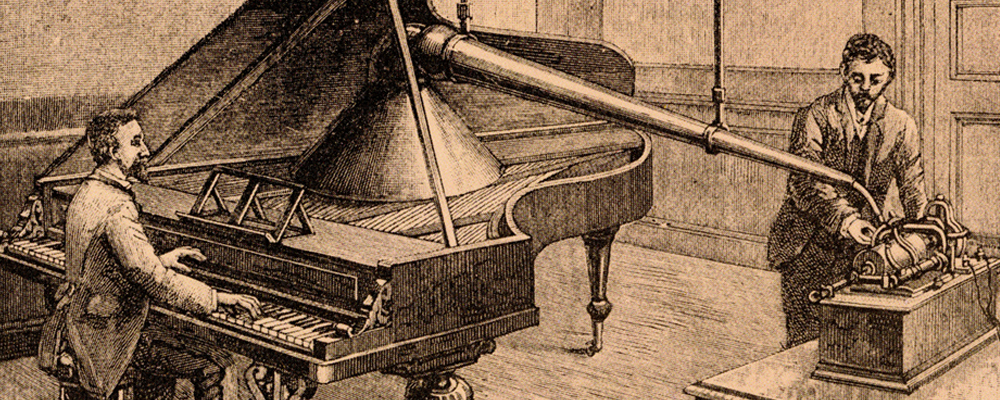
Bartolomeo Cristofori is widely credited with inventing the piano. He worked in Florence, Italy, for Prince Ferdinando de’ Medici, a member of a wealthy and influential family known for supporting music and the arts.
Cristofori wanted to solve a major problem with the harpsichord. A harpsichord could play many notes, but its strings were plucked rather than struck. This meant the player had little control over loudness. A clavichord allowed more expressive touch, but it was too quiet for large rooms.
Cristofori created a new action, or key mechanism. When a player pressed a key, a small hammer struck the string and quickly moved away. This let the string vibrate freely while keeping the key ready for another note.
His key ideas included:
• A hammer that struck instead of plucking the string
• An escape system that let the hammer fall away from the string
• A damper system that stopped the sound when the player released the key
• A strong frame and case to support the strings
These parts may sound simple today, but they solved complex mechanical problems. The action had to respond quickly, repeat notes, and produce both quiet and loud sounds.
Cristofori built several early pianos. Three instruments from the 1720s still exist in museums. They show that his design was already highly advanced, even though later builders changed many details.
What came before the piano?
To understand how old is the piano, it helps to look at the instruments that came before it. The piano did not appear from nowhere. It was the result of centuries of experiments with strings, keys, and musical expression.
The clavichord
The clavichord was a small keyboard instrument used in Europe from the Middle Ages through the 18th century. A metal blade called a tangent struck the string when the player pressed a key.
The clavichord allowed some control over pitch and volume. However, it was very quiet. It worked well for private practice but was not suitable for a concert hall.
The harpsichord
The harpsichord became popular during the Renaissance and Baroque periods. Its keys caused small quills or plectra to pluck the strings.
Harpsichords could sound bright and clear. Yet the player could not make a note much louder by pressing a key harder. Some instruments had multiple keyboards or stops to change the tone, but they lacked the direct touch control of a piano.
The dulcimer
The dulcimer had strings stretched over a wooden frame. Players struck the strings with small beaters. This basic idea may have influenced the development of hammer-based keyboard instruments.
The dulcimer had no keyboard, but it showed how striking a string could create a strong and expressive sound. The piano combined this idea with the organized layout of a keyboard.
The organ
The pipe organ also influenced keyboard design. It offered several manuals, or keyboards, and helped musicians become familiar with complex key systems. However, organs create sound through air and pipes rather than vibrating strings.
These earlier instruments explain why the piano was such a major step. It combined the keyboard of the clavichord, the range of the harpsichord, and the striking method of string instruments.

How did the piano change over time?
The answer to how old is the piano becomes more complex when we compare early pianos with modern ones. The basic concept stayed the same, but the instrument grew larger, louder, stronger, and more reliable.
The early 1700s
Early pianos were light and delicate compared with modern instruments. Their cases often looked similar to harpsichords. They used thinner strings and had a smaller range.
The sound was clear and gentle. It suited intimate rooms and the music of the early 18th century. Composers did not yet write the powerful, wide-ranging piano works associated with later periods.
The mid to late 1700s
German and Austrian builders refined the piano action. The instrument became more responsive, and its keyboard range expanded.
Composers such as Wolfgang Amadeus Mozart wrote music that used the piano’s changing volume and expressive touch. The piano became a central instrument in homes, courts, and small performance spaces.
The early 1800s
Piano makers began adding stronger parts and heavier strings. Iron supports became more common. These changes allowed builders to increase volume and extend the keyboard.
The Industrial Revolution also helped. Better metalworking, improved tools, and factory production made piano construction more consistent. The instrument became suitable for larger halls.
The late 1800s
By the late 19th century, the modern grand piano was taking shape. Builders developed:
• A cast-iron frame to handle high string tension
• Cross-stringing, with strings placed over one another
• Three pedals on many instruments
• A wider keyboard, often covering seven octaves or more
• More powerful hammers and a stronger soundboard
These changes created the rich and strong tone expected from a concert grand. In many ways, the piano that people recognize today is closer to a 19th-century design than to Cristofori’s first instruments.
The 20th and 21st centuries
Modern pianos use highly refined materials and manufacturing methods. Digital tools help makers measure soundboards, tune strings, and shape action parts with great accuracy.
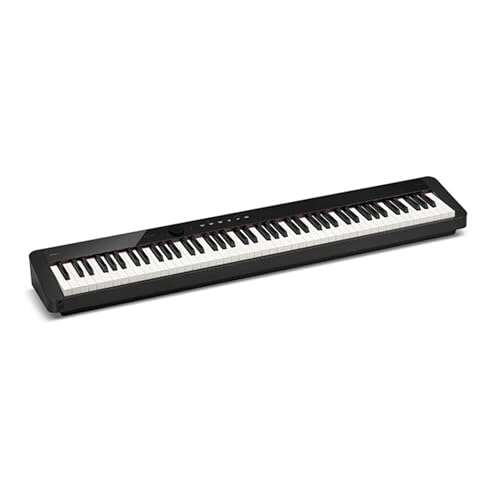
Digital pianos are a separate branch of the instrument’s history. They do not use vibrating strings in the same way as acoustic pianos. Instead, they create sound through electronic samples or digital modeling.
This distinction matters when asking how old is the piano. The acoustic piano is about 325 years old, while the digital piano is only several decades old.
Why did the piano become so popular?
The piano became popular because it offered a rare mix of melody, harmony, rhythm, and expression. One person could play several musical parts at once.
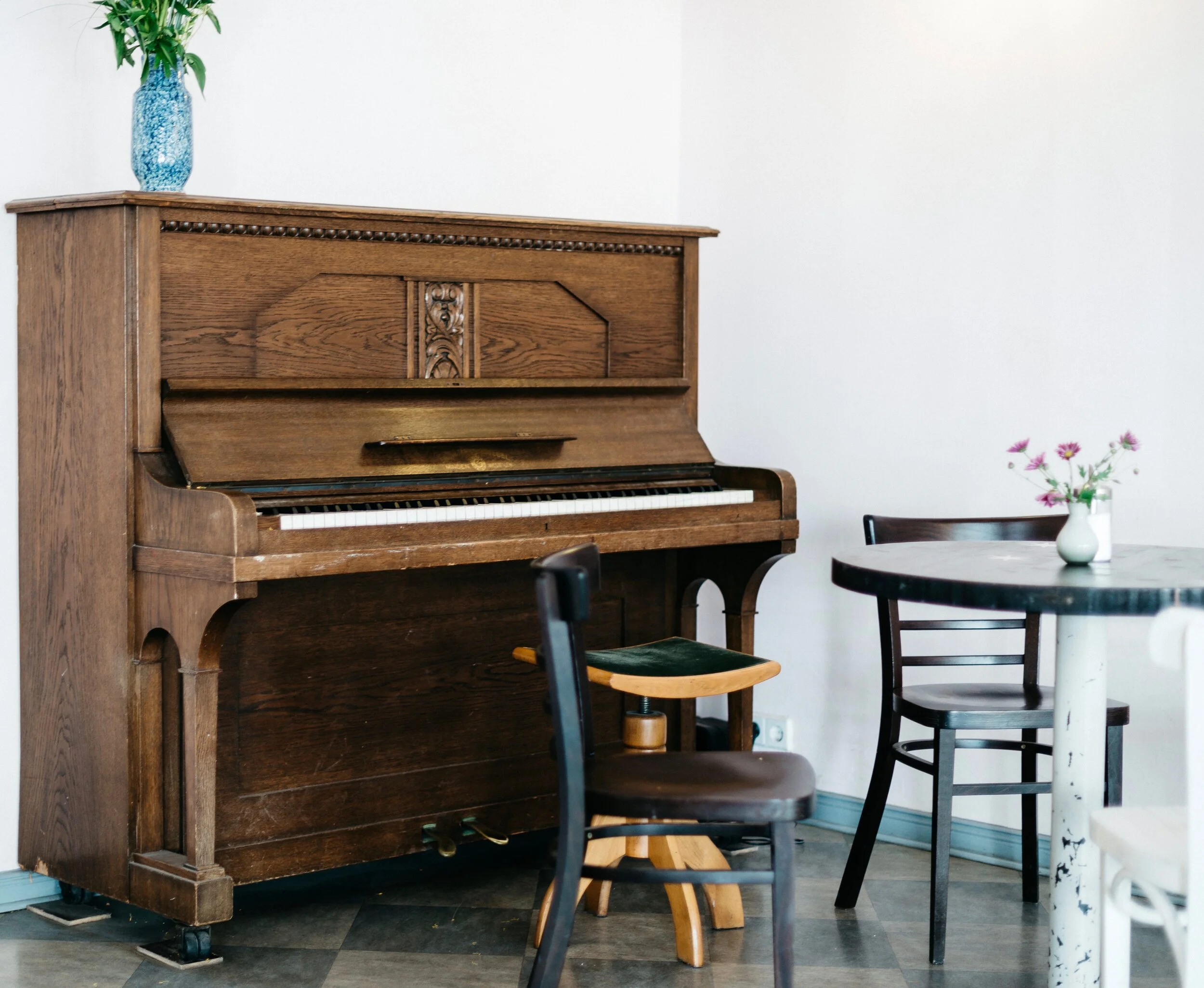
It also fit many settings. A small upright piano could sit in a family home, while a large grand piano could fill a concert hall. This range helped the piano become common in private homes, schools, churches, theaters, and studios.
Several factors supported its growth:
• Composers wrote more music for keyboard instruments.
• Middle-class families wanted music education at home.
• Piano manufacturing became more efficient.
• Public concerts created demand for louder instruments.
• Music publishers sold popular piano arrangements.
• Teachers used the piano to teach harmony and sight-reading.
During the 19th century, owning a piano became a sign of education and social status in many homes. Learning piano was especially common among children and young women in Europe and the United States.
The instrument also adapted to new music. It became important in classical music, ragtime, jazz, blues, gospel, rock, pop, and film scoring. Few instruments have traveled across so many musical cultures.

How old are the oldest surviving pianos?
The oldest surviving pianos are about 300 years old. They were made by Cristofori in the 1720s and are preserved in major museums and collections.
One surviving instrument dates to 1720. Others date to 1722 and 1726. These pianos are valuable because they show the shape and technology of the early instrument.
They are not identical to modern pianos. Early examples usually have:
• A smaller keyboard range
• Lighter construction
• Lower string tension
• A softer and more delicate tone
• A simpler action
• A case that resembles a harpsichord
It is important not to confuse the oldest piano with the oldest keyboard instrument. Organs, clavichords, and harpsichords can be much older than 300 years. The piano is younger, but it grew from those earlier designs.
Historical records can also be incomplete. Some instruments were rebuilt, renamed, or incorrectly dated. Experts often examine the case, soundboard, action, strings, labels, and construction methods before confirming an instrument’s age.

How can you tell how old a piano is?
If you own an old piano, its serial number is usually the best starting point. The number may appear inside the piano, on the iron plate, beneath the music desk, or near the tuning pins.
Use these steps to estimate the age:
- Find the manufacturer’s name.
- Locate the serial number.
- Photograph the nameplate and serial number.
- Compare the number with a reliable maker database or historical catalog.
- Ask a qualified piano technician to inspect the instrument.
- Check whether major parts were replaced during restoration.
The serial number usually identifies the year of manufacture, not the exact age of every part. A piano made in 1925 may have a newer soundboard, hammers, strings, or action parts.
Do not rely only on appearance. An ornate case can look old even when the piano is fairly modern. On the other hand, a plain upright may be more than a century old.
A technician can also assess condition. This includes:
• Soundboard cracks
• Loose tuning pins
• Bridge damage
• Worn hammers
• Rusted strings
• Cabinet repairs
• Action wear
• Previous rebuilding
Age affects value, but condition often matters more. A well-maintained 90-year-old piano may perform better than a neglected 40-year-old instrument.
In my experience researching and evaluating musical instruments, one common mistake is treating an old label as proof of age. Labels can be replaced, copied, or moved between cases. The serial number and construction details provide stronger evidence.

Does an older piano sound better?
An older piano does not automatically sound better. Some aged instruments have a warm, complex tone that musicians love. Others have damaged soundboards, worn action parts, or unstable tuning.
A piano’s sound depends on many factors:
• The quality of its original design
• The materials used
• How often it was played
• How it was stored
• The skill of past repairs
• The condition of the soundboard and bridges
• The quality of its tuning and regulation
Age can change wood and felt. Some changes may produce a pleasing tone. Other changes can reduce volume, clarity, or balance.
If you are buying an old piano, play every key across the full keyboard. Listen for buzzing, weak notes, rattling, and uneven volume. Also test the pedals and ask for an inspection before paying.
A piano is much like an old home. Its age can give it character, but the foundation still matters.
How long can a piano last?
A well-made acoustic piano can last 50 to 100 years or more. Some historic pianos remain playable after 200 or 300 years, but they usually need careful maintenance and major restoration.
There is no fixed expiration date. A piano’s useful life depends on climate, use, care, design, and repair history.
To extend a piano’s life:
• Keep indoor humidity fairly stable.
• Avoid placing it beside a heat vent or radiator.
• Schedule regular tuning.
• Have the action regulated when keys feel uneven.
• Clean the case with suitable products.
• Do not place heavy objects on the lid.
• Arrange professional inspections for older instruments.
Many technicians recommend tuning an acoustic piano about twice a year, though the ideal schedule depends on use and climate. Concert instruments may need tuning much more often.
The biggest lesson is simple: age alone does not decide whether a piano is useful. Regular care can help a good instrument remain musical for generations.
How old is the piano compared with other instruments?
The piano is young when compared with many traditional instruments. Flutes, drums, harps, and string instruments existed thousands of years before it.
The piano is older than many modern instruments and technologies, including:
• The saxophone, invented in the 1840s
• The modern drum set, developed mainly in the late 19th and early 20th centuries
• The electric guitar, developed during the 20th century
• The digital piano, developed during the late 20th century
The piano sits between ancient acoustic instruments and modern electronic instruments. Its sound is old enough to carry centuries of tradition, yet its design remains useful in current music.
That balance helps explain its lasting appeal. The piano is not frozen in history. It continues to change through new materials, digital systems, teaching tools, and performance styles.
Frequently Asked Questions About How Old Is the Piano
How old is the piano today?
The piano is about 325 years old in 2026 if its history is dated to Cristofori’s work around 1700. The oldest surviving examples are about 300 years old.
Who invented the piano?
Bartolomeo Cristofori, an Italian instrument maker, is generally credited with inventing the piano. He created a hammer-action keyboard instrument for the Medici court in Florence.
What was the piano originally called?
The early piano was called “gravicembalo col piano e forte.” This Italian phrase means “harpsichord with soft and loud,” describing the instrument’s ability to respond to touch.
Is the piano older than the violin?
No. The modern violin developed in the 16th century, more than 100 years before the first piano. However, both instruments have older ancestors and changing historical forms.
How old is an antique piano?
In the United States, an item is often called an antique when it is at least 100 years old. An antique piano may therefore date from the 19th century or earlier, but its condition and authenticity still need professional review.
Are old pianos worth money?
Some old pianos are valuable, especially rare historical instruments or well-restored models from respected makers. Many ordinary old pianos have limited resale value because moving, repair, and restoration can cost more than the instrument is worth.
How do I find the age of my piano?
Find the maker’s name and serial number, then compare the number with a reliable historical database. A qualified piano technician can confirm the estimate and identify replaced parts.
Conclusion
The piano is about 325 years old, with its roots in Bartolomeo Cristofori’s work around 1700. Its ancestors include the clavichord, harpsichord, dulcimer, and organ, while its modern form developed mainly during the 18th and 19th centuries.
The age of a specific piano is only part of the story. Its condition, history, materials, and repair work often matter more than the number of years since it left the factory.
If you own or plan to buy an old piano, start with its maker and serial number, then arrange a professional inspection. Explore its history, listen closely to its voice, and share your piano’s age or story in the comments.

Senior Music Reviewer
Alex Carter is a seasoned music reviewer with over a decade of experience in the world of sound and instruments. Passionate about helping musicians and enthusiasts make informed choices, he brings sharp insights and in-depth knowledge to every review. From classical instruments to modern gear, Alex combines technical expertise with a love for music to deliver content that resonates with readers.
As a Senior Music Reviewer and expert author on Tuneluma.com, Alex is dedicated to sharing honest evaluations, practical advice, and thoughtful commentary to guide readers in their musical journey.