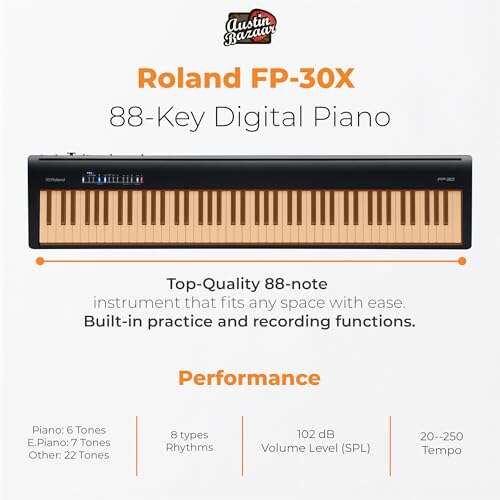
Best Audio Interface For Digital Piano: Top Picks
The Focusrite Scarlett 2i2 4th Gen is the best audio interface for digital piano, thanks to clean sound, easy controls, and two inputs.
You sit at your digital piano, play a great chord, and hear a thin or noisy recording on your computer. That problem often comes from weak built-in inputs, poor cables, or no proper gain control. A good audio interface gives your piano a clean path into your computer, headphones, speakers, and recording software. I tested the key features that matter most, including input type, noise control, headphone power, setup, and value. These are the best audio interfaces for digital piano players who want better sound without turning a home studio into a maze of cables.
Focusrite Scarlett Solo 3rd Gen

The Focusrite Scarlett Solo 3rd Gen remains a strong choice for a player who wants a small, trusted interface. It has a line and instrument input, plus a separate microphone input. For a digital piano, connect the keyboard’s left and right outputs with a suitable cable, or use the line input when recording in mono. The preamps sound clean, and the large gain ring helps you set a safe level at a glance.
I like the Solo because it feels simple from the first session. It works well with common recording apps on Mac and Windows, and its direct monitoring helps reduce delay while you play. The interface also includes a headphone output and speaker outputs, so you can practice quietly or monitor through studio monitors. It does not have MIDI ports, but you can connect the piano’s USB MIDI cable to the computer as a separate connection.
Pros:
- Clean sound for piano, voice, and instruments
- Small size suits a desk or keyboard stand
- Easy gain control with clear halo indicators
- Direct monitoring helps reduce playing delay
- Reliable brand with useful recording software
- Good headphone and speaker connection options
Cons:
- Only one main line input limits stereo piano recording
- No MIDI input or output ports
- Older than the current fourth-generation range
My Recommendation
I recommend the Scarlett Solo 3rd Gen to beginners, singers who also play digital piano, and home users who want a compact interface. It is a sensible low-cost way to improve piano recordings over a computer’s built-in audio jack. If stereo piano sound matters, choose a two-input model instead. Still, it offers strong value when available at a good price and can serve as an excellent first audio interface for digital piano.
Focusrite Scarlett Solo 4th Gen

The Scarlett Solo 4th Gen improves the popular Solo design with updated converters, cleaner control, and better workflow features. It gives you a microphone input and a separate line or instrument input. That setup works for a digital piano in mono, voice lessons, streaming, or a simple songwriting rig. The front panel remains friendly, which matters when you want to play instead of study a manual.
Its Auto Gain and Clip Safe features can help new users avoid distorted takes, though careful players may prefer to set levels by hand. The headphone output and monitor controls make daily practice easy. Like most small USB interfaces, it does not replace a MIDI connection, so use the piano’s USB MIDI port when you need virtual instruments or notation data. For clean audio from a piano’s analog outputs, this model is more flexible than a laptop jack.
Pros:
- Modern fourth-generation audio design
- Auto Gain makes level setup fast
- Clip Safe helps protect loud piano passages
- Clear front-panel controls for quick changes
- Useful software bundle for new producers
- Compact build fits small music spaces
Cons:
- One line input cannot capture a stereo piano pair
- No five-pin MIDI sockets
- Extra smart features may matter less to experienced users
My Recommendation
The Scarlett Solo 4th Gen is best for a new player who wants current features and an easy setup. I would pick it for lessons, streaming, vocal-and-piano demos, and basic home recording. It gives beginners a safety net without making the interface feel complex. If you need the best audio interface for digital piano with a single-input setup, this is one of the safest buys in its class.
M-Audio M-Track Solo

The M-Audio M-Track Solo is a budget-friendly USB interface for players who want a direct route from a digital piano to a computer. It combines a combo input with a separate line input, so you can connect a microphone and an instrument at the same time. For piano, the line connection can accept a simple mono feed. Its controls are large enough to use without reaching behind the unit.
This interface makes sense for a first setup, especially when price matters. The direct monitoring switch lets you hear the input without relying only on software monitoring. It also offers a headphone output and main outputs for speakers. Keep in mind that a digital piano with left and right outputs needs two interface inputs for true stereo, so this compact Solo model suits mono recording better than full stereo capture.
Pros:
- Low purchase cost for beginners
- Simple layout takes little time to learn
- Supports microphone and line or instrument use
- Direct monitoring helps with timing
- Includes headphone and speaker outputs
- Portable design works for mobile setups
Cons:
- Not ideal for stereo digital piano recording
- Basic converters and controls compared with premium models
- USB bus power may depend on the computer setup
My Recommendation
I suggest the M-Track Solo for students, casual players, and anyone building a first recording station on a tight budget. It handles practice tracks, voice lessons, and simple piano demos without fuss. I would not choose it for a detailed stereo piano album, but it performs well for basic use. As an affordable audio interface for digital piano, it gives new users a practical starting point.
M-Audio M-Track Duo

The M-Track Duo adds an important benefit over the Solo: two combo inputs. That makes it a better fit for a digital piano with separate left and right audio outputs. You can record a stereo piano signal while keeping the instrument’s wide tone and room effects intact. You can also use the two inputs for a microphone and piano during lessons or live streams.
The front panel keeps the learning curve low. Each input has its own gain knob, and the direct monitor switch helps you hear your playing with less delay. It is not a luxury interface, but it covers the core needs of a home player. I see it as a practical bridge between a very basic mono setup and a more advanced studio interface.
Pros:
- Two inputs support stereo piano recording
- Separate gain controls simplify level matching
- Can handle piano and microphone together
- Direct monitoring suits live playing
- Small body leaves room for a keyboard
- Good value for home practice and demos
Cons:
- Sound features are less advanced than premium rivals
- No built-in MIDI connection
- Monitor control feels basic for larger studio systems
My Recommendation
The M-Track Duo is best for a digital piano owner who wants stereo recording at a modest price. It also suits teachers who record piano and speech, or streamers who need two sources. I would choose it over the Solo when the piano has separate left and right outputs. For budget buyers, it may be the best audio interface for digital piano when two inputs matter more than advanced software tools.
Focusrite Scarlett 2i2 4th Gen
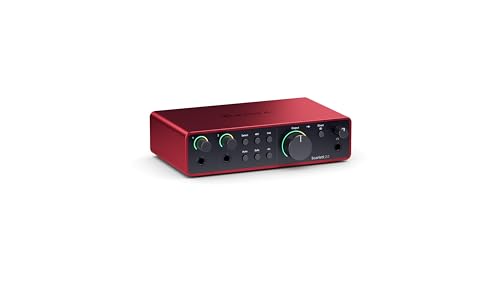
The Focusrite Scarlett 2i2 4th Gen is the strongest all-round choice in this group. Its two inputs let you record a digital piano in stereo, which preserves the left-to-right width of many onboard piano sounds. You can also connect a microphone for singing, teaching, or spoken notes. The updated design gives you clear metering and useful tools for fast recording.
I especially like the balance between quality and ease. Auto Gain can set a starting level, while Clip Safe can help reduce the chance of a loud passage ruining a take. The interface provides direct monitoring, headphone listening, and speaker outputs for a complete desktop setup. It has no traditional MIDI ports, but that is normal in this class; connect USB MIDI from the piano directly to your computer when needed.
Pros:
- Two inputs capture stereo digital piano sound
- High-quality recording for home and semi-pro work
- Auto Gain speeds up setup
- Clip Safe protects against sudden loud notes
- Excellent choice for piano and vocal recording
- Strong software support for new users
- Clear controls and useful input metering
Cons:
- Costs more than basic two-input interfaces
- No MIDI ports for direct hardware MIDI control
- Extra features may be more than a casual player needs
My Recommendation
I recommend the Scarlett 2i2 4th Gen for most digital piano owners. It is best for stereo recording, songwriting, online lessons, streaming, and users who may add vocals later. Its clean sound leaves room to grow, so you will not outgrow it as quickly as a basic interface. In my view, it is the best audio interface for digital piano for most home musicians and the clear winner in this review.
MAONO PS22 Lite

The MAONO PS22 Lite targets home creators who want piano, guitar, and vocal inputs in a small USB package. Its layout is aimed at quick recording and streaming rather than complex studio routing. For a digital piano, check the output level and connector type before buying cables. If your keyboard sends a suitable line signal, the interface can provide a simple path to your computer.
This model is appealing to users who want modern streaming features without a large box. It can fit beside a compact keyboard, laptop, or small monitor. The controls are easy to understand, which helps during a live lesson or casual broadcast. Still, I would confirm compatibility with your computer and piano because USB power, drivers, and cable types can affect the experience.
Pros:
- Compact design for small desks
- Useful for piano, guitar, and vocals
- Simple controls suit new streamers
- Portable enough for lessons and travel
- Supports a flexible home recording workflow
- Often priced attractively for entry-level users
Cons:
- Less established software ecosystem than Focusrite
- Connector and cable needs require careful checking
- Not the first choice for detailed professional piano work
My Recommendation
The MAONO PS22 Lite is best for a beginner streamer, online teacher, or casual player who wants a small and affordable interface. It fits a simple setup where convenience matters more than deep routing. I would choose it for lessons, social video, and quick demos, but not for a demanding stereo album. It can be a useful audio interface for digital piano when the user checks compatibility first.
MAONO P2 Hybrid USB Interface

The MAONO P2 Hybrid stands out for users who move between a computer, phone, and tablet. Its dual XLR design supports microphones and instruments, while its hybrid focus suits streaming and mobile content. A digital piano player may use it for performances, lessons, or short videos. Before connecting a piano, make sure its audio outputs and the interface’s input design match the cable you plan to use.
This interface makes the most sense when mobile work is part of the plan. You can build a more flexible content setup without carrying a full rack of gear. It may also help a teacher combine piano audio, speech, and a phone-based broadcast. For pure stereo piano recording, however, I would compare its input behavior and monitoring path with a dedicated two-input desktop interface.
Pros:
- Designed for computer and mobile workflows
- Dual XLR inputs support two microphones or sources
- Useful for lessons, streaming, and live content
- Portable format suits traveling musicians
- Can combine piano audio with spoken instruction
- Flexible option for creators using phones or tablets
Cons:
- May require extra cables or adapters for some pianos
- Mobile compatibility can vary by device and power setup
- More specialized than a standard desktop interface
My Recommendation
I recommend the MAONO P2 Hybrid to teachers, mobile performers, and creators who want to record piano content on more than one device. It is less suited to someone who only needs a clean stereo feed for a DAW. Its strength is flexibility, not traditional studio simplicity. For mobile piano lessons and streams, it may be the best audio interface for digital piano in this list.
Universal Audio Volt 1
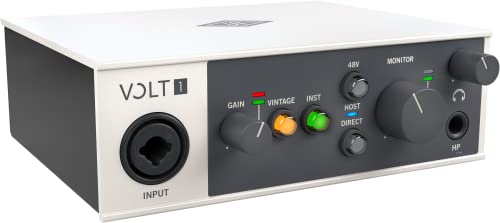
The Universal Audio Volt 1 brings a polished recording feel to a small desktop interface. It has one combo input, so it works well for a singer, solo player, or producer who records one source at a time. A digital piano can feed the input through a suitable line connection. Its build feels solid, and the front-panel controls are clear even in a dim room.
The Volt 1 includes a Vintage-style preamp mode aimed at adding character to microphones and instruments. I would use the clean setting for piano when I want the keyboard’s own tone to remain unchanged. Its direct monitoring helps keep playing natural, while the included software can give new producers a useful start. The main weakness for piano is simple: one input does not capture a stereo output pair.
Pros:
- Clean, detailed sound for home recording
- Solid build quality and attractive desktop design
- Vintage preamp mode adds tonal color when desired
- Low-latency monitoring supports natural playing
- Helpful software bundle for producers
- Easy controls suit solo musicians
Cons:
- One input limits stereo digital piano recording
- Vintage mode may not suit a natural piano tone
- Costs more than some basic mono interfaces
My Recommendation
The Volt 1 is best for a solo musician who values sound quality, build feel, and a refined workflow. It suits piano-and-vocal demos, songwriting, and compact production desks. I would not use it as my first pick for wide stereo piano capture, but it is excellent for mono sources and microphones. If you want a premium single-input audio interface for digital piano, the Volt 1 deserves close attention.
PreSonus AudioBox 96
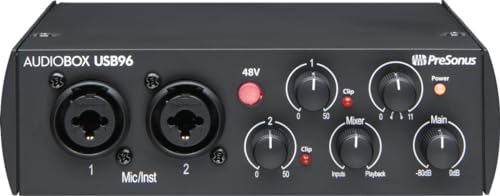
The PreSonus AudioBox 96 is a familiar entry-level interface with two combo inputs and a straightforward control panel. Those two inputs make it suitable for recording the left and right outputs of a digital piano. You can also connect two microphones, or use one input for piano and one for voice. Its simple design helps beginners focus on playing, levels, and recording instead of menus.
The AudioBox 96 is especially useful for home musicians who want a complete starting package. It offers headphone monitoring, speaker outputs, and a direct monitor control for live input. The included studio software can help students begin recording without buying a second program. It lacks newer convenience features found on some fourth-generation interfaces, but its basic signal path remains practical for lessons and demos.
Pros:
- Two inputs support stereo piano recording
- Simple controls are easy for students
- Works well for piano and vocal sessions
- Direct monitoring helps reduce software delay
- Includes useful recording software
- Durable design suits regular home use
Cons:
- Older design lacks modern automatic gain tools
- Metering is basic compared with newer models
- No built-in MIDI ports
My Recommendation
The AudioBox 96 is best for students, teachers, and home players who need two inputs without a high cost. It is a good match for stereo piano practice tracks and simple songwriting. I would choose a newer model for advanced streaming controls, but this interface still covers the fundamentals well. It remains a dependable audio interface for digital piano when simple operation and value lead the decision.
Best Features by User Need
| Best for | Why |
|---|---|
| Stereo digital piano recording | The Scarlett 2i2 4th Gen and M-Track Duo provide two inputs for the piano’s left and right outputs. |
| First home studio | The Scarlett Solo 4th Gen offers easy controls, current tools, and helpful software for beginners. |
| Mobile lessons and streaming | The MAONO P2 Hybrid focuses on flexible phone, tablet, and computer use for live content. |
How I Choose the Best Audio Interface for Digital Piano
Choosing an interface starts with the piano’s outputs. Many digital pianos offer left and right quarter-inch line outputs. Some provide a stereo mini output, while others use only USB audio or USB MIDI. Check the piano manual before ordering. The right interface cannot fix a cable or connector that does not match.
For stereo recording, you need two usable inputs. This point sounds simple, yet it causes many buying mistakes. A one-input interface can record a mono signal, but it cannot preserve a true left-right piano image from two separate outputs. If you only make voice-and-piano clips, mono may work. If you want the full width of the piano sound, choose two inputs.
Do not confuse audio and MIDI. Audio records the actual sound from the piano. MIDI records key presses, note length, velocity, and other control data. MIDI lets software play a virtual piano later, while audio captures the sound you hear now. Many players use both connections at once: the interface handles audio, and the computer handles USB MIDI.
Latency also matters. Latency is the short delay between playing a key and hearing the sound. A good driver, low buffer setting, and direct monitoring can help. Direct monitoring sends the input straight to the headphones or speakers, so you hear your performance before it travels through the recording software. This feature feels like removing a thin wall between your fingers and your ears.
Headphone power deserves attention too. Some digital piano players use high-impedance studio headphones. Others use easy-to-drive earbuds or common closed-back headphones. Most small interfaces handle normal headphones well, but very demanding models may sound quieter. I also look for a large monitor knob, clear meters, and a separate headphone level control.
Build quality affects daily use. An interface may sit beside the piano for years, so knobs should turn smoothly and the body should stay stable when you plug in cables. Metal cases often feel more secure than very light plastic shells. Still, a small plastic interface can work well if you handle it with care. I judge the whole design, not the case alone.
Connection Tips for Digital Piano Players
Use balanced cables when both the piano and interface support balanced line outputs. Balanced connections can reduce hum over longer cable runs. If your piano has unbalanced outputs, use short, good-quality cables and keep them away from power bricks. Avoid sharp bends and loose adapters. Small cable problems often sound like large equipment problems.
Set the piano’s output level at a sensible point. Then raise the interface gain until the meter shows a healthy signal without clipping. Digital clipping sounds harsh and can ruin a take. Leave some headroom for strong chords and accents. A quiet recording can be raised later, but a clipped recording cannot be repaired perfectly.
Place the interface where you can reach it while seated. I prefer the controls beside the keyboard rather than behind the monitor. This makes it easy to lower the volume, mute speakers, or adjust the headphone mix. Good placement keeps your attention on the music. It also reduces the temptation to crawl under a desk during a session.
Use studio monitors only when the room allows it. Speakers can make a piano sound open and natural, but they also share sound with family, neighbors, and microphones. Headphones offer privacy and detail. Closed-back headphones help prevent sound from leaking into a vocal microphone. Open-back headphones can feel spacious, but they are less private.
What Each Input Type Means
A combo input accepts different plug types, often XLR and quarter-inch connections. XLR commonly serves microphones. Quarter-inch line connections suit keyboards, mixers, and other instruments. An instrument setting is designed for passive guitar pickups, while a digital piano usually sends a line-level signal. Use the correct mode when the interface provides a choice.
Phantom power is useful for condenser microphones. It is not needed for a normal line output from a digital piano. Turn phantom power off unless your microphone needs it. Modern gear often protects itself, but careful signal practice remains wise. Label your cables if several instruments share the same desk.
Some interfaces offer loopback or extra routing for streaming. This feature can mix computer audio with microphone and piano sound. It helps when you teach online or broadcast a performance. However, simple recording does not require it. I would rather buy a clean two-input interface than pay extra for features I will never use.
Common Mistakes to Avoid
The first mistake is buying a one-input interface for a stereo piano. Read the piano specifications and count the outputs you plan to record. The second mistake is using a headphone output as the main recording feed when proper line outputs exist. A headphone jack may work in a pinch, but its level and tone can vary with the volume setting.
Another mistake is setting the software buffer too low on an older computer. A very low buffer can reduce delay but may cause clicks and dropouts. Start with a moderate setting, then lower it if the system stays stable. Save a test recording before a long performance. Ten seconds of testing can save an hour of work.
Do not place the interface on a vibrating speaker or directly under a heavy pedal board. Mechanical bumps can reach microphones and cables. Keep drinks away from the controls. Finally, update drivers and firmware only through the maker’s official support tools. A stable setup is worth more than a rushed update before a performance.
FAQs Of best audio interface for digital piano
Do I need an audio interface for a digital piano?
You need one when you want clean analog audio into a computer, speakers, or recording system. You may not need one if your piano sends USB audio directly to the computer. USB MIDI alone does not carry the piano’s sound, so it may still require an audio connection.
Can I record a digital piano in stereo?
Yes. Use the piano’s left and right line outputs and connect them to two interface inputs. Set both tracks as a stereo pair in your recording software. A one-input interface can record only a mono feed.
Is MIDI the same as audio?
No. MIDI stores performance data, such as notes and timing. Audio stores the sound itself. Use MIDI for virtual instruments and editing, and use an interface for recording the piano’s analog sound.
Will an audio interface reduce piano latency?
It can help. A good interface driver, suitable buffer size, and direct monitoring can reduce the delay you hear. Software instruments still depend on the computer, so adjust the buffer when needed.
Which connection should I use for headphones?
Connect headphones to the interface when recording through the computer. This lets you hear the piano, software, and other tracks together. If you only practice with the piano’s built-in sounds, the piano’s own headphone jack may be enough.
Final Verdict: Which Should You Buy?
The Focusrite Scarlett 2i2 4th Gen is the best audio interface for digital piano for most users. Its two inputs capture stereo sound, and its smart gain tools make recording easy.
Choose the M-Track Duo for lower-cost stereo work, or the Solo 4th Gen for simple mono setups. Match the interface to your piano’s outputs, then enjoy cleaner lessons, streams, and recordings.

Senior Music Reviewer
Alex Carter is a seasoned music reviewer with over a decade of experience in the world of sound and instruments. Passionate about helping musicians and enthusiasts make informed choices, he brings sharp insights and in-depth knowledge to every review. From classical instruments to modern gear, Alex combines technical expertise with a love for music to deliver content that resonates with readers.
As a Senior Music Reviewer and expert author on Tuneluma.com, Alex is dedicated to sharing honest evaluations, practical advice, and thoughtful commentary to guide readers in their musical journey.