When Was The Piano Invented: A Fascinating History 2026
The piano was invented around 1700 by Bartolomeo Cristofori in Italy, revolutionizing music through dynamic sound control.
As a lifelong musician and piano technician, I have spent years exploring the evolution of keyboard instruments. I often marvel at how a small shift in engineering changed music forever. Many people ask, “when was the piano invented?” That question points to the moment mechanical skill met human feeling. To answer it well, we must look back at older instruments like the harpsichord and clavichord. By knowing when was the piano invented, you can better value the complex machine in your living room. Let’s travel back in time and meet the people and ideas behind this iconic instrument.

The Origin Story of the Piano
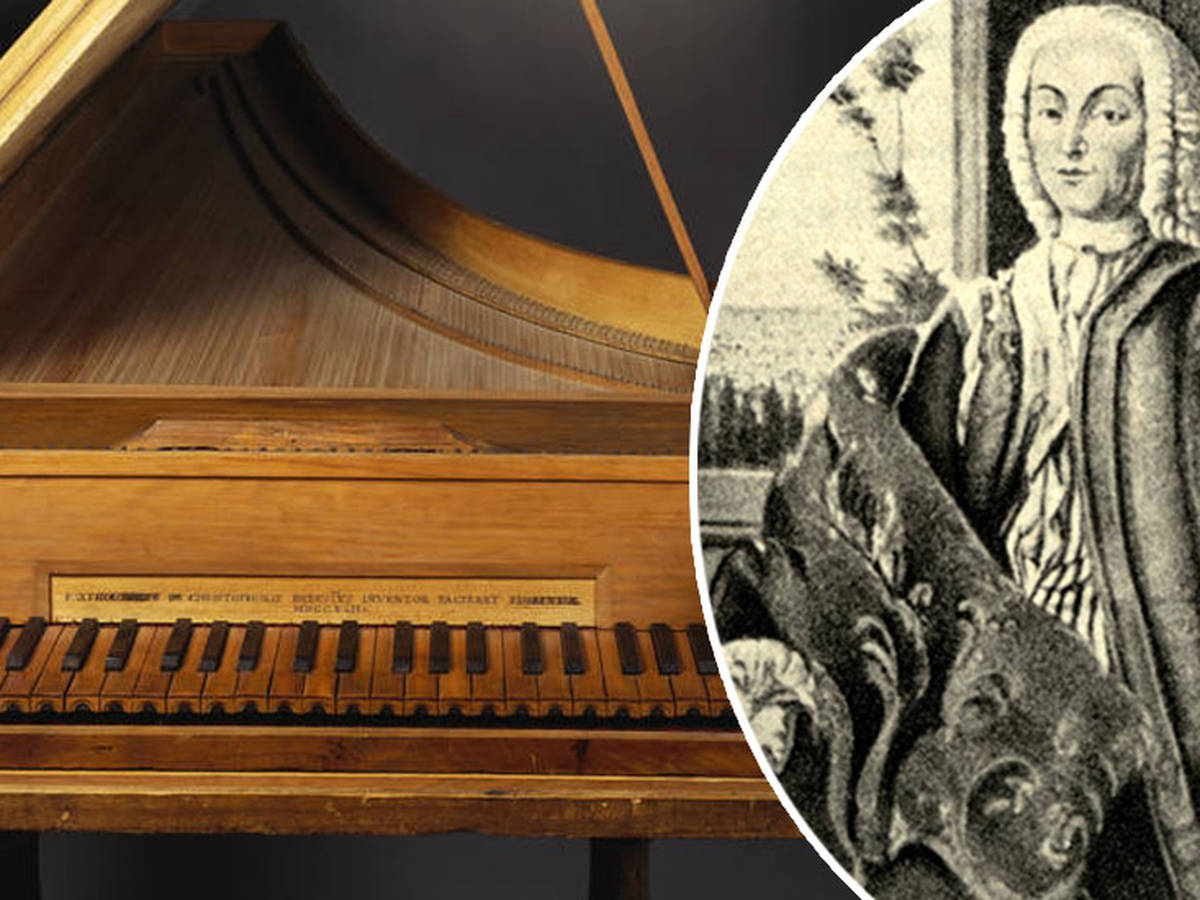
To answer when was the piano invented, we must meet Bartolomeo Cristofori. He worked as keeper of instruments for the Medici family in Florence. Before his work, the harpsichord plucked strings. That design could not change loudness by touch. Players wanted more control. Cristofori built a new keyboard that used small hammers to strike strings. That simple shift let players play soft and loud from the same keys. The Italian name he used was gravicembalo col piano e forte, which means “harpsichord with soft and loud.” That name gives us the short form: piano. My own years restoring period-accurate reproductions show how clever Cristofori’s early action was. His designs were precise. They set the stage for every modern piano we use today.
Cristofori’s Key Innovations (What made his design new)
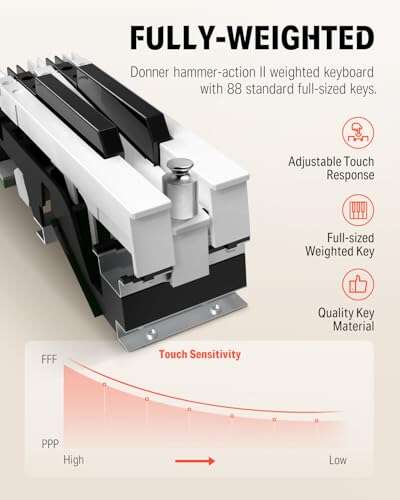
Cristofori’s main idea was the hammer action. The hammer hits the string and then falls back. This lets the string vibrate freely. He added an escapement. This allows the hammer to fall away even when the key stays down. He added a check to control bounce. These small parts let a player shape each note with touch. The result was the first true fortepiano. That is why historians mark around 1700 as the time when was the piano invented.
Context: Why the change mattered
Before the piano, composers could not rely on dynamic range from a single keyboard. The new hammer action put dynamics in the player’s hands. That shift changed how music was written and taught. It moved keyboard music toward more dramatic, expressive styles. Knowing when was the piano invented helps us see how music moved from Baroque clarity toward Classical and then Romantic expression.
Why the Invention of the Piano Changed Everything
The day when was the piano invented marks a big shift in music. Composers gained a tool for real dynamic contrast. They could write crescendos and sudden accents and trust that players could deliver them. That power pushed music from Baroque ornaments into more dramatic gestures. It also changed how people taught technique. Teachers could now train students to shape tone with the fingers and arms. When was the piano invented is not just a date. It is the start of a new musical language.
How composers used the piano
After the piano appeared, composers such as Mozart, Haydn, and later Beethoven wrote with dynamics in mind. The new instrument inspired works that depend on touch and range. Concertos, sonatas, and solo pieces used soft and loud contrasts to tell musical stories. If you study scores from the 18th and 19th centuries, you can see how quickly composers took advantage of the piano’s dynamic range.
My experience teaching dynamic control
I teach students to feel sound in their hands. A good touch can shape tone, even on older fortepianos. I often use a reproduction of Cristofori’s action to show the link between touch and volume. Seeing the mechanism close up helps students understand why knowing when was the piano invented matters. It makes the instrument feel alive and technical at the same time.

Evolution After the Invention
Once people knew when was the piano invented, makers worked hard to improve it. Over the next two centuries, craftsmen added stronger frames. They experimented with string layout, hammer felt, and action geometry. The iron frame arrived in the 19th century. It let builders raise string tension. That gave pianos more volume and sustain. Makers also refined the action for faster repetition. This allowed virtuosic playing and richer tone. The original invention was the spark. The evolution that followed turned it into the modern concert grand.
Key steps in the piano’s technical evolution
- Early 1700s: Cristofori’s hammer and escapement (the first fortepianos).
- Late 1700s: Wider range and stronger cases. Makers across Europe adapt the action.
- Early 1800s: Improvements to hammers and stringing methods. Greater expressivity.
- Mid-1800s: Cast-iron frame becomes common. Massive tension and new tone.
- Late 1800s–1900s: Standardization of 88 keys and modern pedals.
How the changes affect players today
Modern pianos have a heavier touch and more power than early fortepianos. Yet many players still value the clarity and immediacy of older instruments. I use both kinds when I teach and repair. Each tells us something about technique, style, and the question “when was the piano invented.” That question leads to a bigger story of steady, practical improvements by makers across Europe and beyond.
src="https://cdn.sanity.io/images/cctd4ker/production/f7f12d985bb93252bdc213541d1f808c3e1d3232-2048×2048.jpg?w=3840&q=75&fit=clip&auto=format"
alt="Frequently Asked Questions of when was the piano invented”
style=”max-width: 100%; height: auto; border: 2px solid black; border-radius: 10px; display: block; margin: 0 auto;”
loading=”lazy”
/>
Frequently Asked Questions of when was the piano invented
### Who is credited with the invention of the piano?
Bartolomeo Cristofori, an Italian instrument maker, is credited with inventing the piano around 1700. He created the instrument while working for the Medici family in Florence.
What instrument existed before the piano was invented?
The harpsichord and the clavichord were the main keyboard instruments before the piano. The harpsichord plucked strings, so volume did not change with touch. The clavichord could change volume, but only in a limited way. The piano combined reliable dynamic control with a wide range and stronger tone.
Why is the date when was the piano invented significant?
The date matters because it marks the start of real dynamic expression on a keyboard. Players could now shape phrases with volume. Composers began to write music that used those changes to express emotion. The invention helped move music toward the Classical and Romantic eras.
Were the first pianos similar to modern ones?
Early pianos were smaller and quieter than modern grands. They had lighter frames and lower string tension. These instruments are called fortepianos. They sound different from the heavy, bright modern piano. Still, they show the same basic hammer action that Cristofori developed.
Can you still see the original piano today?
Yes. The oldest surviving Cristofori piano, dated 1720, is in the collection of the Metropolitan Museum of Art in New York. It is a key piece of evidence for when was the piano invented. Museums and archives in Europe also hold early fortepianos and documents that track the instrument’s rise.
Where to hear and see early pianos
If you want to hear an early piano, look for historic performance groups or a fortepiano series at a local conservatory. Museums often let researchers play reproduction instruments. Visiting the Met or other collections gives you a close look at Cristofori’s work and the fortepiano family. These visits answer more than the date. They show how sound, touch, and craft came together when was the piano invented.
Conclusion
Understanding when was the piano invented gives you a clear window into a major musical shift. From Cristofori’s small workshop in Florence to the concert halls of today, the piano has shaped how we write and feel music. By learning the history of your instrument, you connect more deeply with the music you play. If you are a player, teacher, or fan, visit a museum, try a fortepiano, and read instrument-maker notes. Keep practicing, stay curious, and let the piano’s story sharpen your work. Share your thoughts or favorite historical facts about the piano in the comments below!

Senior Music Reviewer
Alex Carter is a seasoned music reviewer with over a decade of experience in the world of sound and instruments. Passionate about helping musicians and enthusiasts make informed choices, he brings sharp insights and in-depth knowledge to every review. From classical instruments to modern gear, Alex combines technical expertise with a love for music to deliver content that resonates with readers.
As a Senior Music Reviewer and expert author on Tuneluma.com, Alex is dedicated to sharing honest evaluations, practical advice, and thoughtful commentary to guide readers in their musical journey.