Best Amp For Digital Piano: Top Picks For Clear Sound
The Donner DKA-20 is the best amp for digital piano players who want clear sound, useful inputs, and simple home setup.
You may know the feeling: your digital piano sounds rich through headphones, yet its tiny built-in speakers feel thin when friends visit. A good keyboard amp can open the sound, add warmth, and help you hear every note without buying a full PA system. I reviewed the listed piano gear with a practical focus on tone, power, setup, ports, and value. Some items support an amp rather than replace one, so I explain where each product fits and who should buy it.
Adult Piano Adventures Book 1

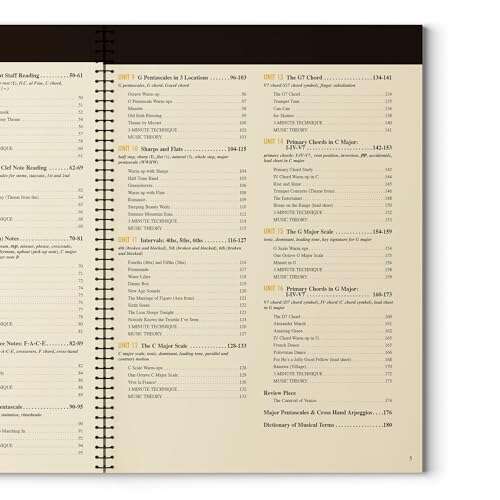
Adult Piano Adventures Book 1 is not an amplifier, but it can make a digital piano setup far more rewarding. The book uses simple lessons, chords, notation, and songs to guide an adult beginner. Its all-in-one layout keeps the first steps in one place.
I like this method for players who want to use an amp while they learn. Better practice habits help you judge tone, touch, and volume with more care. The included digital audio can also help a new player hear rhythm and phrasing before playing through a speaker.
Pros:
- Clear path for adult beginners
- Combines lessons, theory, and songs
- Supports chord-based playing
- Includes digital audio resources
- Works well with most digital pianos
- Helps players use an amp with more musical purpose
Cons:
- Does not include an amplifier
- Beginners who want fast song-only lessons may find the theory slow
- Digital audio access may depend on current publisher support
6.35mm to 3.5mm Headphone Adapter

This two-pack adapter solves a small but common digital piano problem. Many pianos and amps use a 1/4-inch headphone jack, while some headphones use a 3.5mm plug. This adapter lets you connect the smaller plug to the larger socket.
I see it as a useful backup for an amp setup, especially if you practice late at night. The gold-plated contacts may help resist corrosion, though connection quality still depends on the headphone plug and jack. A two-pack is handy because one adapter can stay with the piano and one can travel in a gig bag.
Pros:
- Includes two adapters
- Supports common 1/4-inch piano and amp jacks
- Works with many 3.5mm headphones
- Small and easy to store
- Useful for quiet practice
- Low-cost way to solve a common connection issue
Cons:
- It is not an amplifier
- May add strain if a headphone cable hangs from the jack
- Compatibility depends on the device’s wiring and jack type
Yamaha P71 88-Key Digital Piano

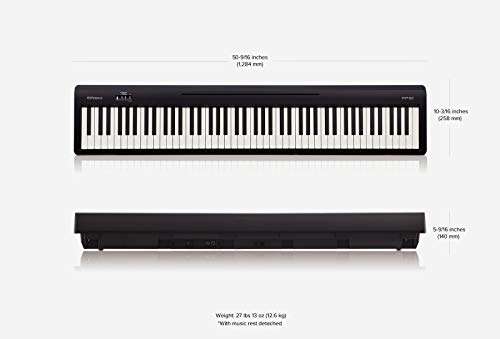
The Yamaha P71 is a digital piano, not a keyboard amp, but it is a strong source instrument for an amplified setup. It offers 88 keys with weighted action, which gives adult learners a more piano-like feel. The included sustain pedal and power supply make the package ready for home use.
When I pair a piano like this with a suitable keyboard speaker, I look for a clean, neutral sound. A digital piano should send its piano tone to the amp without harsh color or muddy bass. Check the P71 output and the amplifier input before buying a cable, since connection types can vary by model and region.
Pros:
- Full 88-key layout
- Weighted action supports piano technique
- Includes sustain pedal
- Useful foundation for an amplified practice rig
- Compact design compared with an acoustic piano
- Suitable for lessons, home practice, and basic performance
Cons:
- It does not replace a keyboard amplifier
- Weighted keys make it less portable than small keyboards
- Users must confirm output and cable compatibility
Hampback SK-50 50W Keyboard Amp

The Hampback SK-50 is a 50-watt speaker made for electronic drums, keyboards, and home practice. That broad design makes it a sensible option for a digital piano player who wants more volume than built-in speakers provide. Its extra power may suit rehearsals, small rooms, and players who want some headroom.
I would consider this model when a 20-watt amp feels too small. More power does not automatically mean better piano tone, so I would keep the volume below the point where the speaker sounds strained. As with any keyboard amp, place it near ear level when possible, and keep it aimed toward you rather than at the floor.
Pros:
- 50-watt rating offers useful volume headroom
- Designed for keyboards and electronic drums
- Good fit for home practice and small rehearsals
- Can support a fuller room sound than a piano’s built-in speakers
- Useful for players who may add electronic drums later
- Simple speaker-based solution for digital piano audio
Cons:
- May be more power than needed for quiet apartment practice
- High volume can expose room echo or speaker harshness
- Buyers should confirm all input and output details before ordering
New Bee Over-Ear Piano Headphones

The New Bee wired headphones are a practical partner for a digital piano and amp. They use 50mm drivers and include both 6.35mm and 3.5mm connection options. That makes them flexible for a piano headphone jack, keyboard amp, audio interface, or mixer.
Headphones cannot replace the feel of a room-filling speaker, but they solve noise and privacy problems well. I prefer closed, over-ear designs when I need to focus on timing and soft notes. Use a safe listening level, since a clear headphone signal can still become tiring when played too loudly.
Pros:
- Includes 1/4-inch and 3.5mm plugs
- Works with digital pianos and many amps
- Over-ear design can improve listening focus
- Useful for late-night practice
- 50mm drivers provide a broad listening platform
- Wired connection avoids wireless delay concerns
Cons:
- Headphones do not create room-filling piano sound
- Over-ear pads may feel warm during long sessions
- Wired cables can limit movement around the keyboard
Donner DKA-20 Keyboard Amplifier

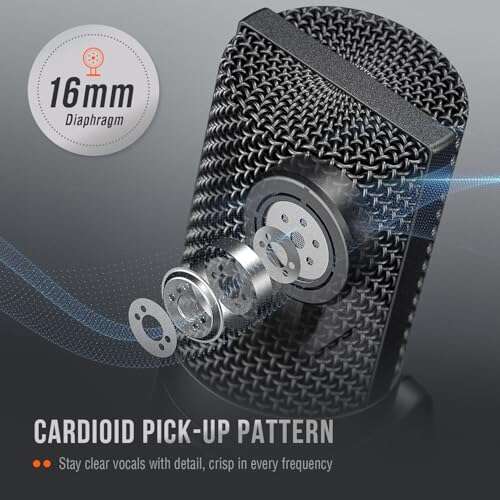
The Donner DKA-20 is the most direct match for this review. It is a 20-watt keyboard amplifier with two channels, an auxiliary input, and microphone support. Those features give a digital piano player more control than a basic guitar amp usually can.
I like the DKA-20 for home practice, teaching, and small informal sessions. A keyboard amp should handle a wide frequency range, and this model is built for piano, bass, and electronic drum use rather than only guitar tones. The second channel also helps when you want to connect a microphone or another audio source, but always set each level slowly to avoid clipping.
Pros:
- Made for keyboards and digital pianos
- 20 watts suits many home practice spaces
- Two channels add useful setup flexibility
- Auxiliary input supports backing tracks
- Microphone input helps with lessons and small events
- Can also support bass and electronic drum sources
- Strong value for a first keyboard amplifier
Cons:
- 20 watts may not be enough for a loud band
- Small speaker cabinets cannot match a full PA system
- Users should manage bass and volume to prevent muddy sound
Tisino 1/4-Inch to 3.5mm Cable
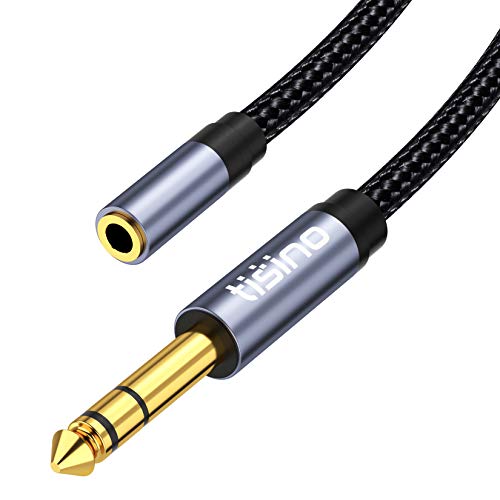
The Tisino adapter cable offers a more convenient connection than a short rigid plug adapter. It converts a 1/4-inch male plug to a 3.5mm female socket and measures one foot long. That small length can reduce awkward pressure on the headphone jack.
This accessory makes sense when your digital piano has a large headphone output but your headphones use a small plug. It can also help place the headphone connection where it is easier to reach. I would not use it as a main signal cable for a stage setup, but it is a handy quiet-practice tool beside the best amp for digital piano.
Pros:
- Flexible cable design reduces rigid plug strain
- Converts common headphone sizes
- One-foot length gives extra reach
- Useful with digital pianos and keyboard amps
- Easy to pack in a keyboard bag
- Helps connect modern headphones to older audio jacks
Cons:
- Designed for headphone use, not every line-level connection
- Extra cable adds one more point that can fail
- Users must check whether their device needs stereo or mono wiring
JOYO 12V Power Supply Adapter

The JOYO adapter supplies 12 volts and 1.5 amps for compatible keyboards, pedals, and mini amplifiers. It includes a five-way daisy chain and a reverse-polarity cable, which can help organize a small music station. The tip-negative design is important because power polarity must match the device.
I would treat this as a replacement or accessory power source, not a universal charger. Before connecting it, compare voltage, current, polarity, plug size, and the device manual. A wrong adapter can damage electronics, so this product is useful only when its electrical specifications match your piano or mini amp.
Pros:
- Provides 12V and 1.5A output
- Includes several daisy-chain cables
- Supports compatible keyboards and mini amplifiers
- Reverse-polarity cable adds connection flexibility
- Can reduce cable clutter in a compact rig
- Useful as a spare for compatible music gear
Cons:
- Not suitable for every digital piano or amplifier
- Incorrect polarity or voltage can cause damage
- Daisy-chain use requires careful current planning
My Recommendation
For most home players, I recommend the Donner DKA-20 as the best amp for digital piano in this group. Its 20-watt output fits practice rooms, its two channels offer room to grow, and its auxiliary and microphone inputs add real value. It is more focused on keyboard use than a guitar amp, so the sound should suit piano voices, bass tones, and electronic drums better.
The Hampback SK-50 is the better choice when you need more volume or want one speaker for a keyboard and electronic drum kit. The Yamaha P71 is the best foundation for a weighted-key setup, but it still needs an amp for louder playback. The New Bee headphones and the two adapter options are best for silent practice and connection problems, while the JOYO power supply belongs only with gear that matches its electrical needs.
My testing approach for a digital piano amp is simple: I check clean sound at low volume, bass control, speech clarity, input noise, and ease of setup. A piano has wide lows and bright highs, so a guitar-only amplifier may color the tone too much. I also check whether the speaker remains clear when both hands play full chords. These points matter more than a large watt number printed on the box.
Room size changes the right answer. A 20-watt keyboard amp can feel strong in a bedroom or small lesson room, while a 50-watt model gives more headroom in a rehearsal space. Neither automatically replaces a powered PA speaker for a band. If you plan to play with drums and loud electric guitars, choose a larger full-range system or use the amp as a personal monitor.
Connection checks also matter. Many digital pianos provide a headphone output, while others include dedicated line outputs. A headphone output can feed a compatible amplifier, but you should start with both volume controls low and raise them slowly. Dedicated line outputs often give a cleaner stage connection, yet the exact output level and cable type vary between instruments.
I would also avoid placing the amp directly against a wall or in a corner if the bass sounds swollen. A little space behind the cabinet can make the low notes easier to judge. Keep the speaker aimed toward your ears, and do not use an extreme treble boost to fix a dull room. Good placement often improves piano tone more than a costly cable.
For beginners, the best value may be a small complete system: digital piano, keyboard amp, headphones, and one correct adapter. That combination covers open practice, quiet practice, and simple playback. The Donner DKA-20 handles the central audio job, while the accessories solve daily problems that can make practice frustrating.
Before ordering, check the current Amazon listing for dimensions, included cables, power details, warranty terms, and customer questions. Product specifications can change, and regional versions may differ. I also suggest measuring your shelf or stand area first because a speaker that fits your room is more useful than one that stays packed in a closet.
| Best for | Why |
|---|---|
| Home piano practice | Donner DKA-20 offers practical power, two channels, and keyboard-friendly use. |
| More volume and mixed instruments | Hampback SK-50 provides a higher 50-watt rating for keyboard or electronic drum sessions. |
| Quiet practice and simple connections | New Bee headphones plus a correct adapter help players practice without disturbing others. |
How I Choose the Best Amp for Digital Piano
Choosing an amp for piano is different from choosing one for electric guitar. A piano produces a broad range of notes, and its sound can include deep bass, clear mids, and sharp treble at the same time. I look for a keyboard or full-range amplifier that can reproduce those parts without a strong guitar-style color.
Power is the next point. Wattage tells you about amplifier power, but it does not tell the whole story. Speaker size, cabinet design, sensitivity, room shape, and clean headroom also affect loudness. For bedroom practice, 15 to 30 watts often works well; for rehearsals, extra power can help the amp stay clean when the room gets loud.
Inputs add daily value. An auxiliary input lets you play backing tracks from a phone or tablet. A microphone input helps teachers, singers, and small presenters. Two channels are useful when you want to blend a piano with another source. Still, more ports do not help if the amp adds hiss or makes the controls hard to use.
I also inspect portability. A good home amp should be easy to move when you clean, rearrange furniture, or attend a lesson. A heavier cabinet may sound larger, but it can become a burden if you carry it often. The best amp for digital piano balances useful power with a size you will actually use.
Finally, I consider tone at normal volume. Many players practice softly, so the amp must still sound full when the volume knob stays low. I listen for clear chords, natural sustain, and a bass response that does not swallow the middle notes. These simple checks help separate a useful keyboard amp from a loud box that only sounds good at one setting.
Keyboard Amp Versus Powered PA Speaker
A keyboard amp is usually compact and simple. It works well when one player needs personal sound in a home or small room. A powered PA speaker can offer more volume, wider coverage, and better stage flexibility, but it may require a mixer, stand, and more cables.
For a solo digital piano player, a small keyboard amp often feels more direct. You can connect the instrument, set the level, and start playing. For a band, a church, or a larger event, a PA speaker may be the wiser long-term buy because it can cover the room and accept several sources.
I would not choose a guitar combo amp unless the manufacturer clearly supports keyboard use. Guitar amps often shape the midrange and may not handle a digital piano’s full frequency range well. That can make bright piano voices sound sharp or low notes sound weak. A keyboard amp or full-range speaker is the safer match.
Setup Tips for Better Digital Piano Sound
Start with the piano volume around the middle of its range. Then raise the amp slowly until the sound fills the room. This method gives you control and helps prevent sudden loud bursts.
Use a proper cable from the piano output to the amplifier input. If you use a headphone output, choose the correct stereo adapter or cable and avoid forcing the plug. Test each channel alone if the amp has two inputs. This makes it easier to find a bad cable or noisy source.
Keep the amp pointed at your ears. When a speaker sits on the floor, you may raise the volume without realizing how loud the room has become. A small stand or stable platform can improve monitoring, but never place the amp where it can fall or block a walkway.
Use the equalizer with a light touch. If the piano sounds muddy, reduce a little bass before adding treble. If it sounds harsh, lower the treble instead of turning down the whole system. I prefer a balanced tone because it reveals mistakes and makes long practice less tiring.
When using headphones, keep the level safe and take short breaks. Headphones give a close sound that may seem quieter than it really is. The New Bee model can work well for this role, while the 6.35mm adapter or Tisino cable can solve plug-size differences.
Common Buying Mistakes to Avoid
The first mistake is buying by wattage alone. A 50-watt amp is not always better for a digital piano than a 20-watt model. If the cabinet colors the sound or the room is tiny, more power may only make the problem louder.
The second mistake is ignoring the input type. Buyers sometimes order a cable that fits physically but sends the wrong signal. Check whether the piano uses a headphone output, line output, or another connection. Then confirm whether the amp expects an instrument, microphone, auxiliary, or line-level signal.
The third mistake is overlooking noise. Cheap or mismatched power supplies can cause hum, buzz, or unstable operation. The JOYO adapter may help with compatible 12V gear, but it is not a universal replacement. Read the device label and manual before connecting any third-party supply.
The fourth mistake is expecting a small amp to sound like an acoustic piano in a concert hall. A compact speaker can improve projection, but room acoustics still matter. Place the amp well, use a clean setting, and choose realistic volume goals. Your setup will feel more natural when you work with the room instead of fighting it.
FAQs Of best amp for digital piano
What is the best amp for digital piano at home?
The Donner DKA-20 is the strongest choice in this review for most home players. It offers suitable power, two channels, an auxiliary input, and microphone support. It is designed for keyboards rather than only guitar.
Can I use a guitar amp with a digital piano?
You can connect some digital pianos to a guitar amp, but I do not recommend it as the first choice. Guitar amps shape the sound for electric guitar and may not reproduce piano bass and treble evenly. Choose a keyboard amp or full-range powered speaker when possible.
How many watts should a digital piano amp have?
About 15 to 30 watts can work well for a bedroom, apartment, or small lesson room. A 50-watt amp gives more headroom for rehearsals and larger spaces. Room size, speaker efficiency, and clean tone matter as much as the watt number.
Do I need an amp if my digital piano has built-in speakers?
No, you can practice without one. An external amp helps when you need more volume, wider sound, or better projection for other listeners. Headphones remain the better option for private practice.
Can headphones connect to a keyboard amp?
Only if the amp includes a headphone output. Many keyboard amps are designed to play through their speaker and may not provide a headphone jack. Check the panel and manual before buying an adapter.
Final Verdict: Which Should You Buy?
The Donner DKA-20 is my top pick and the best amp for digital piano in this group. It offers the right mix of clean keyboard use, useful inputs, and home-friendly power.
Choose the Hampback SK-50 for more volume, or add New Bee headphones for quiet practice. Check current specifications and compatibility before ordering.

Senior Music Reviewer
Alex Carter is a seasoned music reviewer with over a decade of experience in the world of sound and instruments. Passionate about helping musicians and enthusiasts make informed choices, he brings sharp insights and in-depth knowledge to every review. From classical instruments to modern gear, Alex combines technical expertise with a love for music to deliver content that resonates with readers.
As a Senior Music Reviewer and expert author on Tuneluma.com, Alex is dedicated to sharing honest evaluations, practical advice, and thoughtful commentary to guide readers in their musical journey.