Where Was The Piano Invented: Origins And Facts
The piano was invented in early 18th-century Italy by Bartolomeo Cristofori, around 1700.
I’ve studied musical history and tuned pianos for years, so I can take you straight to the facts and the rich story behind where was the piano invented. This piece traces the birthplace, the inventor’s key innovations, how the instrument evolved, and why that origin matters for musicians and music lovers today. Read on for clear, expert insight into where was the piano invented and how that early Italian workshop changed music forever.

History and the birthplace of the piano
The story of where was the piano invented begins in Italy at the turn of the 18th century. Musical life in Florence and other Italian cities was lively then. Craftsmen and instrument makers experimented with sound and mechanics. Bartolomeo Cristofori, a skilled harpsichord maker working in Florence, built the first practical piano around 1700. This early instrument solved the harpsichord’s limitation: it could play both soft and loud notes depending on how a key was struck. The need to express dynamics in music drove the search for an instrument that could vary volume with touch.

Bartolomeo Cristofori: who he was and what he did
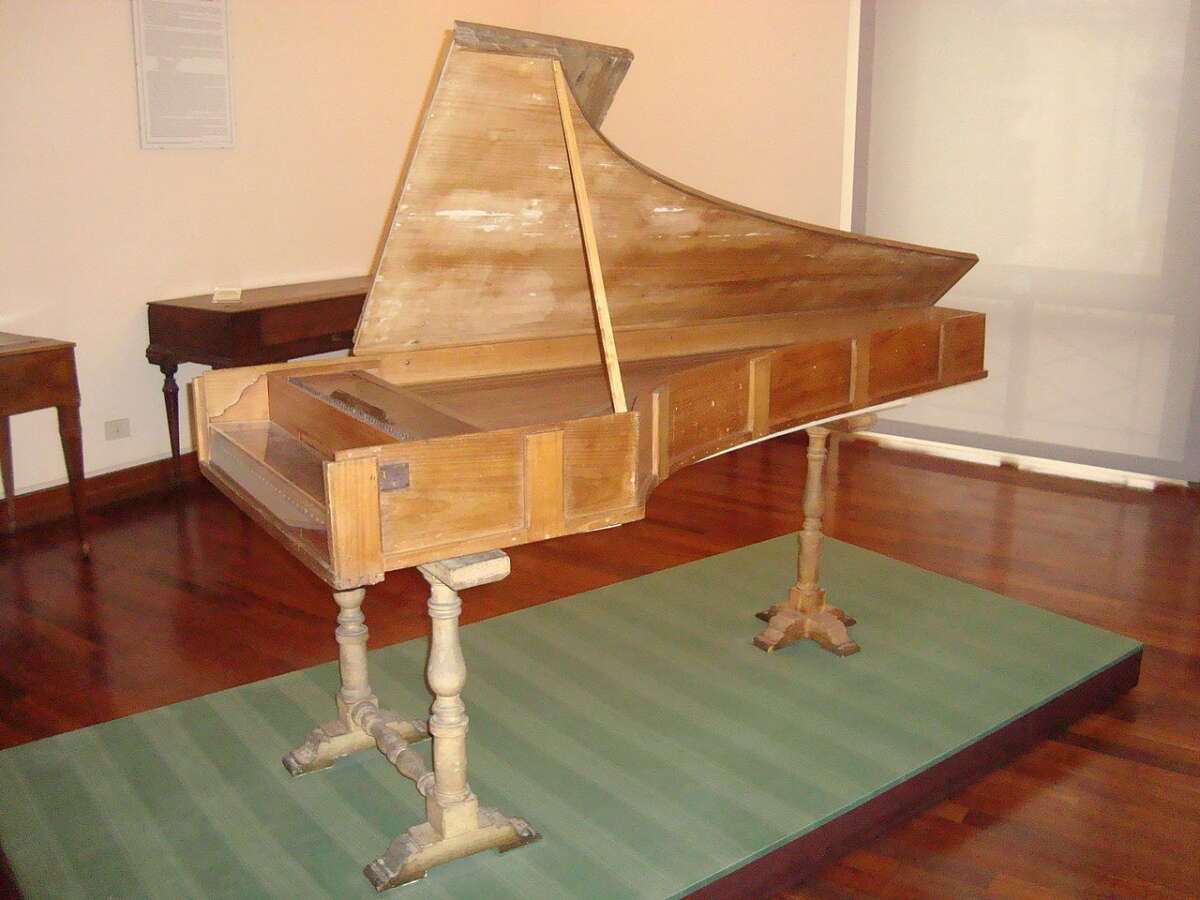
Cristofori was an expert keyboard maker employed by the Medici family in Florence. He combined fine woodworking, metalwork, and mechanical insight to design a new action that struck strings with hammers. His experiments led to an action that returned hammers away from strings so they did not mute vibration. Cristofori’s design allowed dynamic control and rapid repetition of notes. His surviving instruments show the basic blueprint of the piano still used today. Understanding Cristofori helps answer where was the piano invented because his workshop is the concrete birthplace of the instrument.
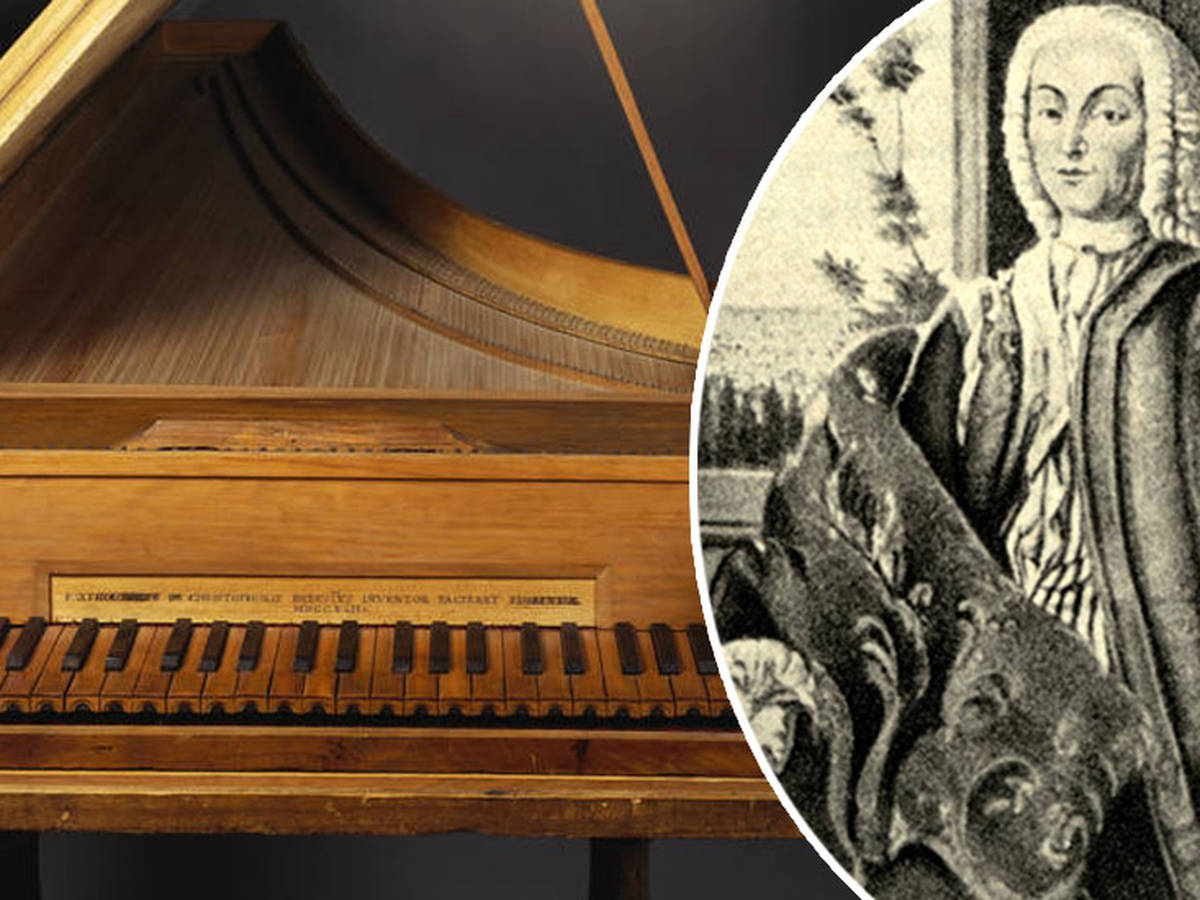
How the early piano worked compared to the harpsichord
The key difference between Cristofori’s piano and the harpsichord lies in how sound is produced. The harpsichord plucks strings with a plectrum, producing a fairly constant volume. The early piano struck strings with leather-covered hammers. That hammer strike created variable dynamics based on touch. Key features of Cristofori’s action included:
- A hammer that struck then rebounded from the string.
- An escapement that let the hammer fall away quickly.
- Dampers to stop strings when keys were released.
These mechanics answered the practical question of where was the piano invented by showing how a maker translated musical need into physical design.
Source: classicfm.com
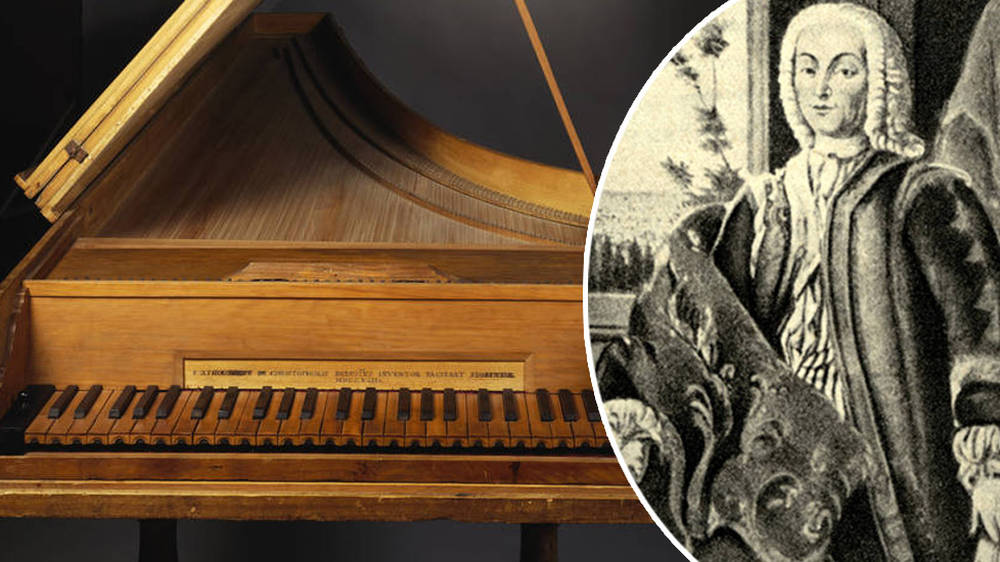
Evolution from the fortepiano to the modern piano
After Cristofori, makers across Italy, Germany, and England refined the instrument. Early pianos, called fortepianos, had lighter frames and a clearer, more transparent tone. Over the 18th and 19th centuries, builders added:
- Stronger iron frames to hold greater string tension.
- More strings per note and cross-stringing for richer sound.
- Improved actions for faster repetition and greater control.
By the late 1800s, the modern grand piano shape and powerful tone were largely in place. The question where was the piano invented shifts to how innovations spread from Florence across Europe and the world. The answer remains rooted in Italy, even as later advances happened elsewhere.
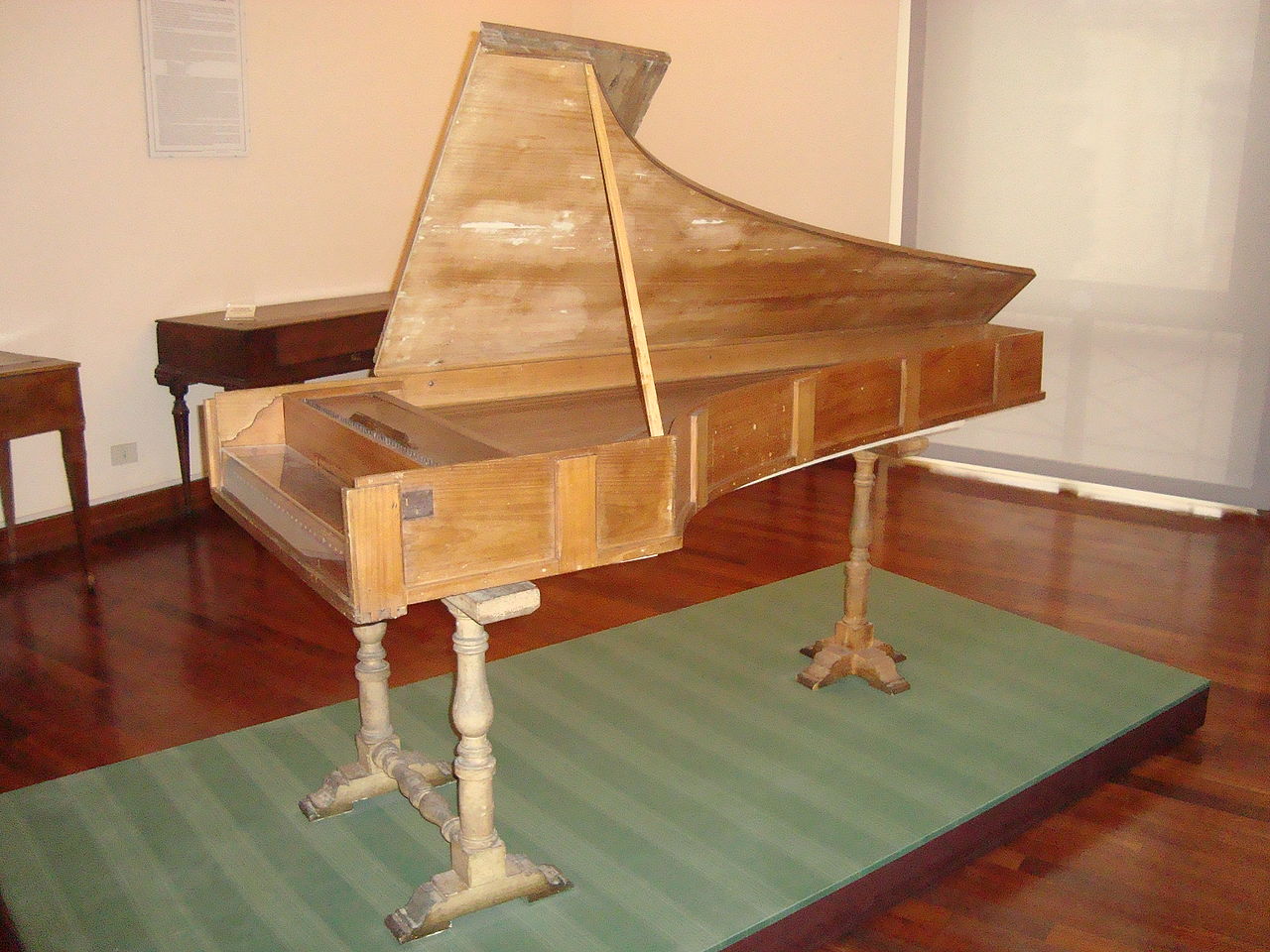
Source: chuppspianos.com
Cultural impact and global spread
The invention location shaped music history. Once people asked where was the piano invented, musicians and composers recognized the new instrument’s expressive power. Composers like Mozart, Beethoven, and Chopin embraced the piano and expanded its repertoire. The piano became central in:
- Home music-making and salon culture.
- Concert life and concerto repertoire.
- Music education and composition training.
From its Italian origin, the piano traveled to Germany, Austria, England, France, and beyond. Each region added design tweaks and playing styles, making the instrument a global cultural staple.
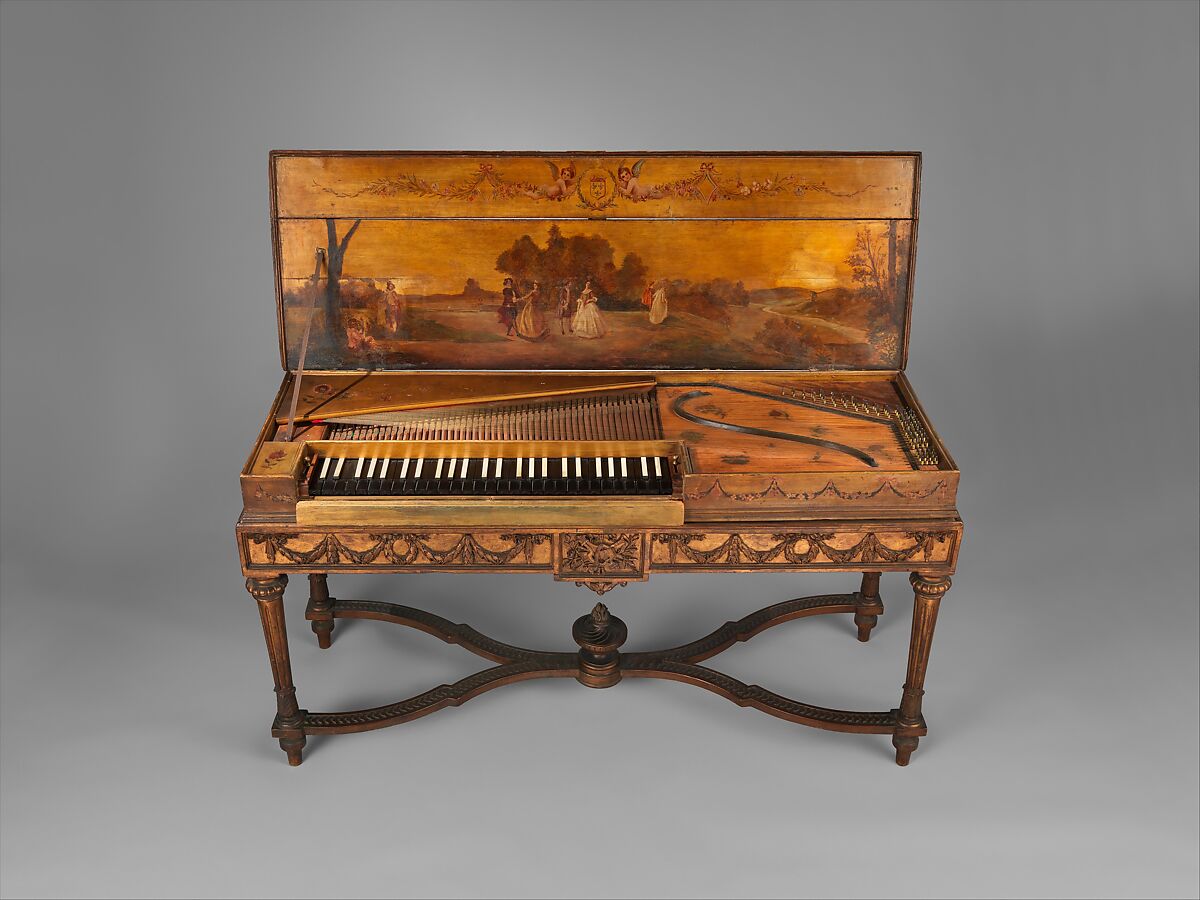
Source: nortenews.org
Benefits, limitations, and musical implications
Understanding where was the piano invented helps explain the instrument’s strengths and limits. Benefits include:
- Wide dynamic range from pianissimo to fortissimo.
- Rich harmonic support for solo and ensemble music.
- Versatility across genres from classical to pop.
Limitations include: - Large size and cost that limit portability.
- Maintenance needs like tuning and regulation.
- A design originally meant for Western tonal music, though players adapted it across cultures.
Knowing the history clarifies why the piano sounds and behaves the way it does. It also guides musicians when choosing repertoire or instruments.
Practical examples and applications
Here are concrete ways the origin story matters for players and buyers:
- Selecting period instruments: If you want authentic Mozart sound, a fortepiano replica of early instruments near where was the piano invented gives a lighter touch.
- Tuning and voicing: Modern pianos need different voicing than fortepianos. Knowing the instrument’s lineage helps technicians restore intended tone.
- Teaching: Teachers who explain where was the piano invented can motivate students by linking technique to history.
These examples show how history informs choices today.
My experience, lessons learned, and tips
I’ve tuned and restored many pianos and taught students for years. Seeing a Cristofori copy in a museum changed how I hear touch and tone. Lessons I learned:
- Respect the action: Small mechanical differences create big tonal shifts.
- Try period instruments: Playing a fortepiano clarifies phrasing and articulation.
- Regular maintenance matters: A well-kept piano reveals the maker’s intent faster and lasts longer.
Practical tips: - When shopping, test dynamics across the keyboard to feel how touch translates to volume.
- Ask technicians about action design and provenance; it ties back to where was the piano invented and why that matters.
Frequently Asked Questions of where was the piano invented
Where exactly was the piano invented?
The piano was invented in Florence, Italy, around 1700 by Bartolomeo Cristofori. His workshop under the Medici patronage produced the first practical hammer-struck keyboard instrument.
Who invented the piano?
Bartolomeo Cristofori is credited as the inventor. He designed the hammer action that allowed dynamic touch and created surviving pianos that demonstrate his innovations.
Why did Cristofori invent the piano?
He wanted an instrument that could play soft and loud notes based on touch, addressing the harpsichord’s inability to vary dynamics. Composers and players needed greater expressive control.
How did the piano spread from its birthplace?
Musicians and instrument makers in Germany, Austria, and England adopted and refined Cristofori’s ideas. Improvements in materials and construction helped the piano gain popularity across Europe.
Is the modern piano the same as the one invented in Italy?
No, modern pianos have stronger frames, more strings, and refined actions. However, the basic hammer mechanism developed by Cristofori remains the core idea from where was the piano invented.
Conclusion
Tracing where was the piano invented leads you to Cristofori’s workshop in Florence and to a simple but profound idea: strike a string with a hammer and let touch control sound. That invention reshaped music, performance, and instrument building. If you play, teach, or love music, explore both modern and period pianos to hear the difference for yourself. Try a fortepiano to feel the original touch, or ask your local technician about action history when buying or tuning. Leave a comment with your own piano experiences or subscribe for more practical histories and tips.

Senior Music Reviewer
Alex Carter is a seasoned music reviewer with over a decade of experience in the world of sound and instruments. Passionate about helping musicians and enthusiasts make informed choices, he brings sharp insights and in-depth knowledge to every review. From classical instruments to modern gear, Alex combines technical expertise with a love for music to deliver content that resonates with readers.
As a Senior Music Reviewer and expert author on Tuneluma.com, Alex is dedicated to sharing honest evaluations, practical advice, and thoughtful commentary to guide readers in their musical journey.