Best Affordable Piano For Beginners: Top Budget Picks
The RockJam RJ5061 is the best affordable piano for beginners seeking a complete, easy-to-use starter setup.
You may want to learn piano, but a full-size instrument can cost a lot and take up too much room. A basic keyboard can feel limiting, while a pile of books can make your first lesson confusing. I looked at this beginner-friendly group with a practical eye: key feel, lesson support, song choice, setup, and long-term value. The best affordable piano for beginners should make practice feel simple, not like a chore.
Beginner Piano Classics Book
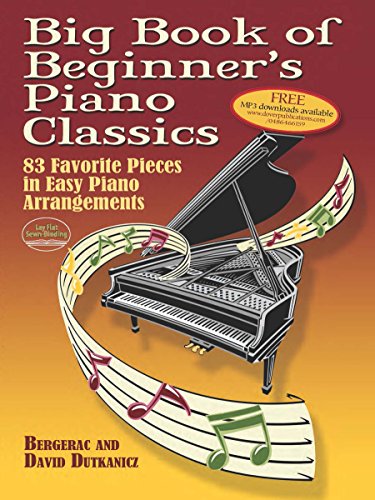
The Big Book of Beginner’s Piano Classics gives new players a useful path into classical music. It contains 83 easy piano arrangements, so you can build skill without starting with pieces that feel too hard. The book also includes downloadable MP3 tracks, which can help you hear the beat and shape of each song. I like this format because beginners can read, listen, and play at their own pace.
The song list gives practice more purpose than random drills. Short pieces help improve note reading, rhythm, finger movement, and basic expression. The arrangements also let students enjoy real music early, which can keep motivation alive after the first few lessons. This is a strong companion for a keyboard such as the RockJam RJ5061, especially for learners who enjoy classical sounds.
Pros:
- Includes 83 beginner-friendly classical pieces
- Downloadable MP3 tracks support guided practice
- Builds note reading and rhythm in small steps
- Offers more variety than a single-method lesson book
- Works well for adults, teens, and older children
- Lets beginners play recognizable music early
Cons:
- It is a music book, not a piano or keyboard
- Classical songs may not suit every learner
- Some students may still need a teacher or method book
My Recommendation
I recommend this book for beginners who want to learn classical piano without facing advanced scores too soon. It is also a good pick for a student who already owns a keyboard and needs fresh music. The audio tracks add value because beginners can copy the pulse before they fully understand every note. As part of the best affordable piano for beginners setup, this book turns a low-cost keyboard into a more complete learning tool.
Hit Songs Super Easy Songbook

Many new players lose interest when their first songs sound unfamiliar. The Hit Songs Super Easy Songbook solves that problem with 60 popular songs arranged for simple piano playing. It uses easy melodies, letter note names, and chord diagrams to reduce the first barrier to reading music. I find that these visual aids can help adults and children start playing sooner.
The book favors a practical approach over a strict classical course. A learner can play a melody with the right hand, then add simple chords when ready. That gives beginners a clear sense of progress without forcing both hands to move through complex patterns at once. It pairs especially well with an affordable 61-key keyboard, since many popular songs do not require the full range of an 88-key piano.
Pros:
- Features 60 familiar popular songs
- Uses simple arrangements for early success
- Letter note names help new readers find keys
- Chord diagrams introduce basic accompaniment
- Suitable for adults, kids, and casual learners
- Encourages practice through familiar music
Cons:
- Very easy arrangements may feel basic over time
- It does not replace a full piano lesson method
- Song preferences will vary from player to player
My Recommendation
Choose this songbook if you want the best affordable piano for beginners to feel fun from day one. It suits students who care more about pop music than classical study. I would also suggest it for parents who want a child to practice without constant pressure. The letter names and chord diagrams offer a gentle bridge between “I have never played” and “I can play a song.”
First 50 Popular Piano Songs

First 50 Popular Songs You Should Play on Piano gives beginners a broad mix of music. The collection includes pop, jazz, classical, and Broadway-style favorites, so it can serve more than one taste. The arrangements remain approachable and help players stay focused on the joy of making music. For a learner who dislikes repetitive drills, that variety can make a real difference.
The book works well in a home practice routine. You can choose one song for the week, practice the melody, and add chords as your hand control improves. Teachers can also use the songs as rewards after a student completes a technical exercise. Since the pieces come from several styles, the book can help a beginner discover which kind of piano playing feels most exciting.
Pros:
- Includes 50 songs across several music styles
- Offers pop, jazz, classical, and Broadway choices
- Helps learners explore personal music tastes
- Provides approachable arrangements for beginners
- Useful for home lessons and teacher-led study
- Keeps practice fresh with a varied song list
Cons:
- Some songs may still need slow, careful practice
- It does not include a keyboard or piano
- Players seeking formal theory may need another book
My Recommendation
I recommend this collection for families or adults who want flexible music choices. It is a smart add-on when buying the best affordable piano for beginners because it gives the instrument a clear purpose. The wide song range also helps prevent early boredom. If you are not sure whether you prefer jazz, pop, or theater music, this book gives you an easy way to test each style.
Removable Piano Keyboard Stickers
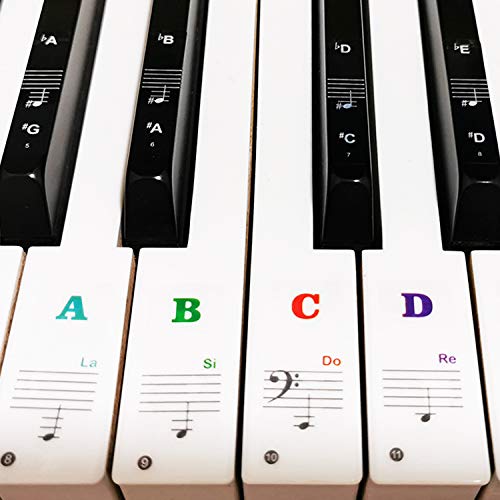
Finding the right key can feel like searching for a street address in a new city. These removable piano keyboard stickers give each key a clear letter name and note label. They fit many common layouts, including 88-, 61-, 54-, 49-, and 37-key keyboards. The large, colorful print can help children and visual learners identify notes with less guesswork.
I see keyboard stickers as a short-term learning aid, not a permanent substitute for note reading. They can help a beginner connect a printed letter to a physical key during the first weeks of practice. The removable design also lets you take them away once your memory improves. Before applying them, clean and dry the keys, and check the layout so each label sits in the correct place.
Pros:
- Fits several popular keyboard sizes
- Large letters are easy to see
- Color helps visual learners remember notes
- Removable design supports gradual independence
- Useful for children and first-time players
- Can reduce early frustration during practice
Cons:
- Labels may slow note memorization if used too long
- Incorrect placement can confuse a new player
- Stickers may not suit players who prefer a clean keyboard
My Recommendation
These stickers are best for young learners, visual students, and anyone who feels lost on the keyboard. They make an affordable piano for beginners less intimidating during the first few lessons. I suggest using them with a method book, then removing them section by section as note memory grows. Their value is highest when they act as training wheels rather than a permanent map.
Piano for the Young Beginner Primer A
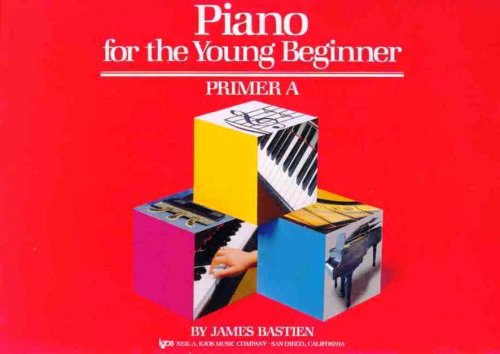
Piano for the Young Beginner—Primer A is designed for early piano study. Its paced lessons introduce basic notes, rhythms, and keyboard skills in a way that can suit young children. The material gives parents and teachers a clear starting point instead of asking a child to jump between random pages. A gradual method matters because small wins help a child build confidence.
This primer is most useful when an adult guides the practice. Young students may need help sitting correctly, counting beats, and reading the instructions. The book can support a steady weekly routine on either a digital keyboard or an acoustic piano. I would pair it with short sessions, praise, and a few fun songs so learning does not feel like a test.
Pros:
- Made for young first-time piano students
- Introduces skills in a clear sequence
- Supports teacher-led or parent-guided practice
- Helps build early rhythm and note skills
- Gives children a structured learning path
- Works with many beginner keyboard setups
Cons:
- May feel too simple for older beginners
- Young children may still need close adult help
- It is not a complete instrument package
My Recommendation
I recommend this primer for children who need a calm, step-by-step introduction. It is a better fit than an adult method book when the student is still learning how to follow directions and count beats. Used with the best affordable piano for beginners, it creates a low-cost home lesson plan. The main value comes from its order and pace, not from a large song count.
RockJam RJ5061 61-Key Piano Kit

The RockJam RJ5061 is the only complete keyboard kit in this group, and that makes it the main hardware choice. It includes a 61-key keyboard, stand, bench, and headphones, so a beginner can start without buying every accessory separately. The 61-key layout gives enough range for many starter songs while keeping the unit smaller than a full 88-key piano. For a first home setup, that balance is practical.
The headphones are useful when you share a home or practice late in the day. The stand and bench also give a new player a more natural playing position than a keyboard placed on a table. Keep in mind that this is a portable keyboard, not a weighted digital piano with the same key feel as an acoustic piano. I would choose it for affordable entry-level practice, simple songs, and casual learning rather than advanced classical technique.
Pros:
- Includes keyboard, stand, bench, and headphones
- 61 keys offer useful range for beginner songs
- Headphones allow quiet practice at home
- Portable setup suits small rooms and apartments
- Starter kit reduces the need for extra purchases
- Good fit for children, adults, and casual players
Cons:
- Keys do not provide a weighted acoustic-piano feel
- 61 keys offer less range than a full 88-key model
- Included bench and stand may feel basic for some users
- Serious classical students may outgrow it
My Recommendation
The RockJam RJ5061 is my top choice for the best affordable piano for beginners when value means a ready-to-play package. It suits a child starting lessons, an adult testing a new hobby, or a renter who needs a compact setup. I especially like that the buyer gets the basic furniture and headphones in one purchase. If you later move into advanced classical work, you may want a weighted 88-key piano, but this kit offers a friendly and affordable first step.
Alfred’s Basic Adult Piano Course

Alfred’s Basic Adult Piano Course, Level One remains a well-known choice for adult beginners. It combines reading, technique, rhythm, and simple songs in one organized book. The lessons move in a logical order, so you can build each new skill on the last one. I appreciate this kind of structure because adult students often want clear reasons for each exercise.
The course is a better choice for focused learners than for someone who only wants quick pop songs. It asks you to practice both hands, understand basic music symbols, and develop steady timing. That work may feel slower at first, but it builds a stronger base for future study. Pair it with a keyboard stand, a comfortable bench, and a weekly schedule for the best results.
Pros:
- Designed specifically for adult beginners
- Covers reading, rhythm, and basic technique
- Uses a clear, progressive lesson format
- Supports independent home practice
- Builds skills that transfer to many piano styles
- Works well with a teacher or online lessons
Cons:
- May feel less exciting than a book of hit songs
- Requires regular practice for steady progress
- Adults seeking advanced theory will need later levels
My Recommendation
I recommend Alfred’s book for adults who want a real foundation, not just a few memorized tunes. It is one of the strongest learning partners for the best affordable piano for beginners. Choose it if you enjoy a clear plan and can practice several times each week. It may not be the flashiest option, but its steady method can save money on trial-and-error learning.
BEATBIT Removable Piano Note Guide

The BEATBIT Piano Note Guide gives beginners a simple visual reference for the keyboard. It is removable, so you can use it during the first stage of learning and take it away later. This can help students connect notes on a page with their real position under the fingers. The black design has a neat look and may suit buyers who do not want bright colors on the keys.
A note guide cannot teach rhythm, posture, or hand shape on its own. Still, it can remove one common source of stress: forgetting where each note sits. I would use it beside a method book rather than depend on it for every song. Like training wheels on a bike, it should help you gain balance before you ride without support.
Pros:
- Removable design supports gradual learning
- Provides a quick visual note reference
- Black finish looks simple and tidy
- Useful for new keyboard and piano players
- Can reduce key-finding mistakes
- Pairs well with lessons and sheet music
Cons:
- Does not teach rhythm or finger technique
- Students may rely on it for too long
- Placement must match the keyboard layout
My Recommendation
This guide is best for beginners who need a quiet, simple aid while they learn note names. It can make the best affordable piano for beginners easier to approach without adding much cost or clutter. I would choose it over stickers for adults who want a cleaner look. Remove it in stages once you can find common notes without stopping.
100 Easy Piano Songs for Beginners
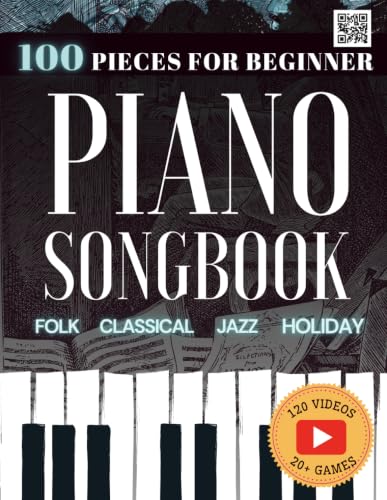
100 Easy Piano Songs for Beginners is built around variety and gradual progress. It includes folk, classical, holiday, and jazz pieces across five levels. That range lets a new player start with very simple music and move upward when basic skills improve. The included video lessons and music games add more ways to practice than print alone.
This book can work as a starter kit for someone who needs a friendly path into piano. The levels make it easier to choose a song that matches your current ability. Holiday and folk pieces may also work well for family practice, while jazz selections can introduce a new style without a difficult score. I would still check the lesson format and song level before buying, since every student learns at a different pace.
Pros:
- Offers 100 easy songs in one collection
- Uses five progressive skill levels
- Covers folk, classical, holiday, and jazz music
- Includes video lessons for extra guidance
- Music games can make practice less dull
- Suitable for children and adult beginners
Cons:
- Some learners may find the large collection overwhelming
- Video access depends on a working internet connection
- It may not provide the deep theory of a full method
My Recommendation
I recommend this book for learners who need many song choices and enjoy visual support. It is a good match for families sharing one keyboard because several age groups can find useful material. For the best affordable piano for beginners, this collection adds strong entertainment value without requiring another expensive course. Use the levels as a guide, but do not rush simply because a later section looks appealing.
Pop Standards Super Easy Songbook

Pop Standards—Super Easy Songbook focuses on 60 classic songs with simple right-hand melodies and chords. It gives beginners a chance to play familiar tunes without facing a dense score. The format works for both children and adults, especially those who want to sing along or play for friends. Simple arrangements also make it easier to learn a song in short practice sessions.
The book can help a new player understand how melody and chords work together. You can start with the right hand, then add the chord symbols once the melody feels steady. This approach suits a portable keyboard and does not demand a full 88-key range for most beginner arrangements. It is less useful for a student whose main goal is formal classical technique, but it is excellent for relaxed home music.
Pros:
- Includes 60 classic pop standards
- Uses simple right-hand melodies
- Introduces chords in an easy format
- Supports singing and casual performance
- Works for kids and adult learners
- Helps beginners enjoy quick song progress
Cons:
- Arrangements may be too basic for advanced players
- It is not a complete piano teaching course
- Some classic songs may not match every taste
My Recommendation
Choose this songbook if your goal is to play and sing popular music at home. It is one of the easiest ways to make an affordable piano for beginners feel useful right away. I like it for casual players, families, and adults who do not want a formal lesson routine. Add a structured method book later if you want stronger sight-reading and technique.
What Makes a Good Beginner Piano?
A beginner piano should remove problems, not create new ones. The right choice depends on your goals, space, budget, and plans for future study. I use the points below when judging an entry-level keyboard or digital piano.
Key Count
Key count affects both size and range. A 61-key keyboard is often enough for simple songs, basic chords, and beginner lessons. An 88-key piano gives the full range used by acoustic pianos and is a better long-term choice for serious classical study. Smaller keyboards can work for young children, travel, or very limited space, but they may restrict some lessons.
Key Feel
Many affordable keyboards use light, non-weighted keys. They are easy for children to press and keep the instrument light. However, they do not feel like the hammers and resistance of an acoustic piano. If you plan to take formal lessons or play classical music, look for touch-sensitive or weighted keys when your budget allows.
Touch Sensitivity
Touch sensitivity lets the sound respond to how hard you press. A soft press makes a quieter sound, while a firm press makes a louder one. This feature teaches basic control and expression. It is more useful for long-term growth than having a huge number of flashy sounds.
Sound Quality
A beginner needs a clean piano tone. You do not need hundreds of voices to learn scales, chords, or songs. Still, a pleasant sound makes practice more inviting. Listen for a tone that stays clear across the keyboard and does not become harsh at higher notes.
Headphone Support
Headphone output can change how often you practice. It lets you play early in the morning or late at night without disturbing others. This feature is especially helpful in apartments and shared homes. The RockJam kit stands out here because it includes headphones with the keyboard package.
Learning Features
Some keyboards offer lessons, recording, rhythm tracks, or app support. These tools can help, but they should not distract from the core needs of a beginner. A simple keyboard paired with a good method book can teach more than a complex keyboard that you rarely use. I value features that make practice clear and repeatable.
Size and Storage
Measure your room before you buy. Leave enough space for the stand, bench, music book, and your arms. A keyboard that fits in a closet may get used less often if setup takes too long. The best affordable piano for beginners should be easy to reach, easy to plug in, and easy to store.
Accessories
A stand creates a better playing height than a kitchen table. A bench helps keep your arms and shoulders relaxed. A sustain pedal adds control and should be included or purchased soon. Headphones, a music rest, and a lesson book can also improve the first month of practice.
How I Would Set Up a Beginner Piano
I would place the keyboard near a wall but not directly in a cramped corner. Sit so your elbows stay slightly above the keys and your shoulders remain loose. Keep your feet supported, and avoid leaning toward the instrument. Good posture feels small at first, but it prevents tension from becoming a habit.
Start with 10 to 15 minutes of practice. Spend a few minutes finding notes, then work on one short exercise and one song. Finish with something easy that you enjoy. This routine feels more like watering a plant than climbing a mountain; small care brings steady growth.
Use headphones when the room is busy. If your keyboard has touch sensitivity, practice soft and firm notes. If it does not, focus on timing, accuracy, and relaxed fingers. A simple plan will help you gain more from an affordable keyboard than a long session without direction.
Digital Piano or Portable Keyboard?
A digital piano usually aims to copy the feel and sound of an acoustic piano. Many models have 88 weighted keys, pedals, and a heavier cabinet. They can support serious study, but they often cost more and take up more space. For a student who expects to study classical music for years, that extra investment may make sense.
A portable keyboard focuses on low weight, flexible sounds, and easy storage. Its lighter keys can make it more inviting for a child or casual player. It also works well for pop songs, basic chords, and general music play. The RockJam RJ5061 fits this category and offers useful accessories for a first setup.
There is no single winner for every learner. The best affordable piano for beginners is the one that matches the student’s reason for playing. Do not pay for weighted keys if your main goal is casual songwriting and simple songs. Do not choose a very small keyboard if you already know that you want formal piano training.
Common Beginner Buying Mistakes
Choosing by Sound Count
A long list of voices can look impressive. In practice, most new players spend most of their time on the piano sound. Prioritize key feel, touch response, headphone support, and build quality first. Extra sounds are a bonus, not the foundation.
Buying Too Few Keys
A 37-key model may suit a young child or a travel setup. It can become frustrating when a lesson calls for notes outside its range. A 61-key board gives more room for growth. An 88-key model remains the safest choice for traditional piano study if your budget and space allow it.
Skipping the Stand and Bench
A table may seem convenient, but the height is often wrong. Poor height can make your wrists bend and your shoulders rise. A stable stand and suitable bench support better habits. The complete RockJam kit is useful because it includes both.
Expecting Instant Progress
A piano is not a magic box. Beginners need repetition, patience, and a simple plan. The first week may involve more note finding than music making. That is normal. Progress often arrives in small steps, then suddenly feels much larger.
Buying Without a Practice Plan
Even the best affordable piano for beginners will collect dust without a routine. Choose a fixed practice time and keep your first goals small. Learn one scale, one rhythm pattern, and one song section. A method book can provide the structure that motivation alone cannot.
How to Choose the Right Product for Your Needs
Choose the RockJam RJ5061 if you need the actual keyboard and basic accessories. It is the most direct answer for a buyer starting from nothing. The 61-key format keeps the setup compact while offering enough range for many easy songs. It is also the strongest value when headphones, a stand, and a bench would otherwise cost extra.
Choose Alfred’s Basic Adult Piano Course if you want a formal foundation. It is suited to adults who value order and want to understand music, not only copy songs. Pair it with a keyboard that has touch sensitivity if possible. Regular practice will matter more than the number of features on the instrument.
Choose Piano for the Young Beginner for a child who needs guided steps. Its pace can make lessons easier to manage at home. Add the removable note guide or stickers only if the child struggles to locate keys. Keep sessions short and positive.
Choose the popular songbooks if fun is your main reason to learn. Familiar songs act like a friendly doorway into practice. The 60-song books offer focused variety, while the 100-song collection adds levels, games, and video support. Classical fans should start with the beginner classics collection instead.
Best Features at a Glance
| Best for | Why |
|---|---|
| Complete first setup | RockJam RJ5061 includes a 61-key keyboard, stand, bench, and headphones. |
| Structured adult learning | Alfred’s Basic Adult Piano Course builds reading, rhythm, and technique in order. |
| Fun song practice | The popular songbooks give beginners familiar music and simple arrangements. |
Practice Tips That Help Beginners Improve
Keep Your Hands Relaxed
Do not press the keys with stiff fingers. Let your hand form a gentle curve. Your thumb should not tuck under the palm, and your wrist should stay level. Stop and shake out your hands if you feel pain or strong tension.
Count Out Loud
Counting helps connect your fingers to the beat. Start slowly and keep an even pulse. A wrong note can be fixed, but an unstable rhythm can make the whole song fall apart. A metronome can help once you understand the basic pattern.
Learn Small Sections
Do not play the whole song from the start every time. Work on two or four measures. Repeat them until they feel easy, then connect them to the next section. This method saves time and makes mistakes less discouraging.
Practice Hands Separately
The right and left hands have different jobs. Practice each hand alone when a passage feels hard. Then combine them at a slower speed. This is normal piano work, not a sign that you lack talent.
Use Songs as Rewards
Technical work matters, but songs keep the heart in the lesson. After scales or note drills, play a favorite tune. Familiar music can show you why the practice matters. That emotional link often keeps a beginner going.
FAQs Of best affordable piano for beginners
What is the best affordable piano for beginners?
The RockJam RJ5061 is the best affordable piano for beginners in this group because it includes a keyboard, stand, bench, and headphones. Its 61 keys offer useful range for basic songs and lessons. It is best for new players who need a complete setup at a reasonable cost.
Is a 61-key keyboard enough for a beginner?
Yes, a 61-key keyboard is enough for many beginner songs, chords, and basic lessons. It is also smaller and easier to store than an 88-key model. Students who plan serious classical study may eventually prefer a full 88-key digital piano.
Should beginners use piano key stickers?
Key stickers can help during the first stage of learning. They are useful for children and visual learners who cannot yet remember note positions. Remove them over time so you build real note memory and do not depend on labels.
Is a keyboard as good as a digital piano?
A portable keyboard can be excellent for casual learning, pop songs, and small spaces. A digital piano usually offers a more realistic piano tone and weighted key action. Choose a keyboard for low cost and flexibility, or a digital piano for a closer acoustic-piano experience.
How long should a beginner practice piano?
Start with 10 to 15 minutes a day, five days a week. Add time as your focus and hand comfort improve. Short, regular practice usually works better than one long session each week.
Final Verdict: Which Should You Buy?
The RockJam RJ5061 is the best affordable piano for beginners because it offers a useful 61-key keyboard and key accessories in one practical kit. Add Alfred’s book for structure, or a popular songbook for fun.
For a low-cost start, choose the setup that matches your goal. The right affordable piano for beginners can turn small daily practice into lasting musical skill.

Senior Music Reviewer
Alex Carter is a seasoned music reviewer with over a decade of experience in the world of sound and instruments. Passionate about helping musicians and enthusiasts make informed choices, he brings sharp insights and in-depth knowledge to every review. From classical instruments to modern gear, Alex combines technical expertise with a love for music to deliver content that resonates with readers.
As a Senior Music Reviewer and expert author on Tuneluma.com, Alex is dedicated to sharing honest evaluations, practical advice, and thoughtful commentary to guide readers in their musical journey.