Can You Learn Violin On An Electric Violin: The Truth
Yes, you can learn violin on an electric violin, especially with proper setup, practice, and regular technique checks.
Can you learn violin on an electric violin and still build strong skills? Yes, but the answer depends on the instrument, your practice habits, and whether you understand its limits. An electric violin can be a useful learning tool for quiet practice, home recording, and performance. However, it does not feel or sound exactly like an acoustic violin. This guide explains how to use one well, what beginners should expect, and how to avoid common mistakes.

Can You Learn Violin on an Electric Violin?
Yes, you can learn violin on an electric violin. The basic skills remain the same:
• Holding the violin correctly
• Supporting the instrument with your shoulder and chin
• Reading music
• Learning finger patterns
• Using the bow
• Developing rhythm and timing
• Training your ear
• Playing scales, songs, and exercises
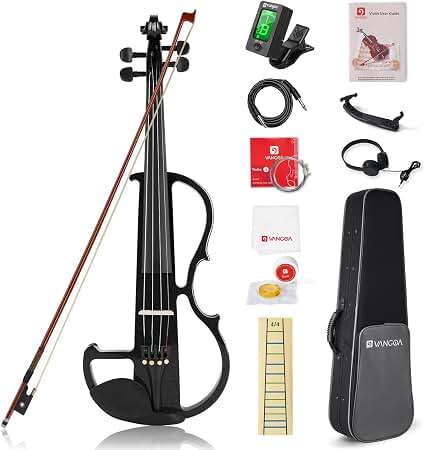
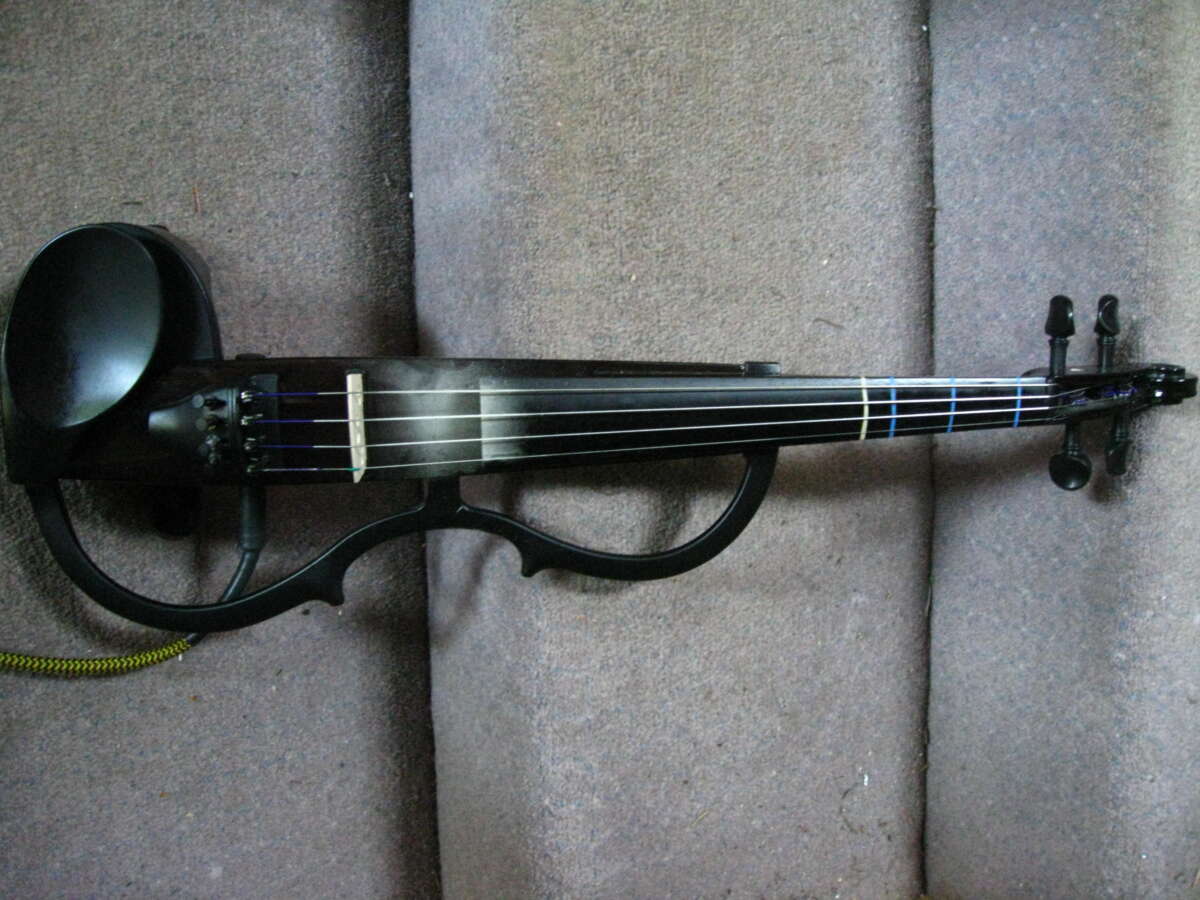
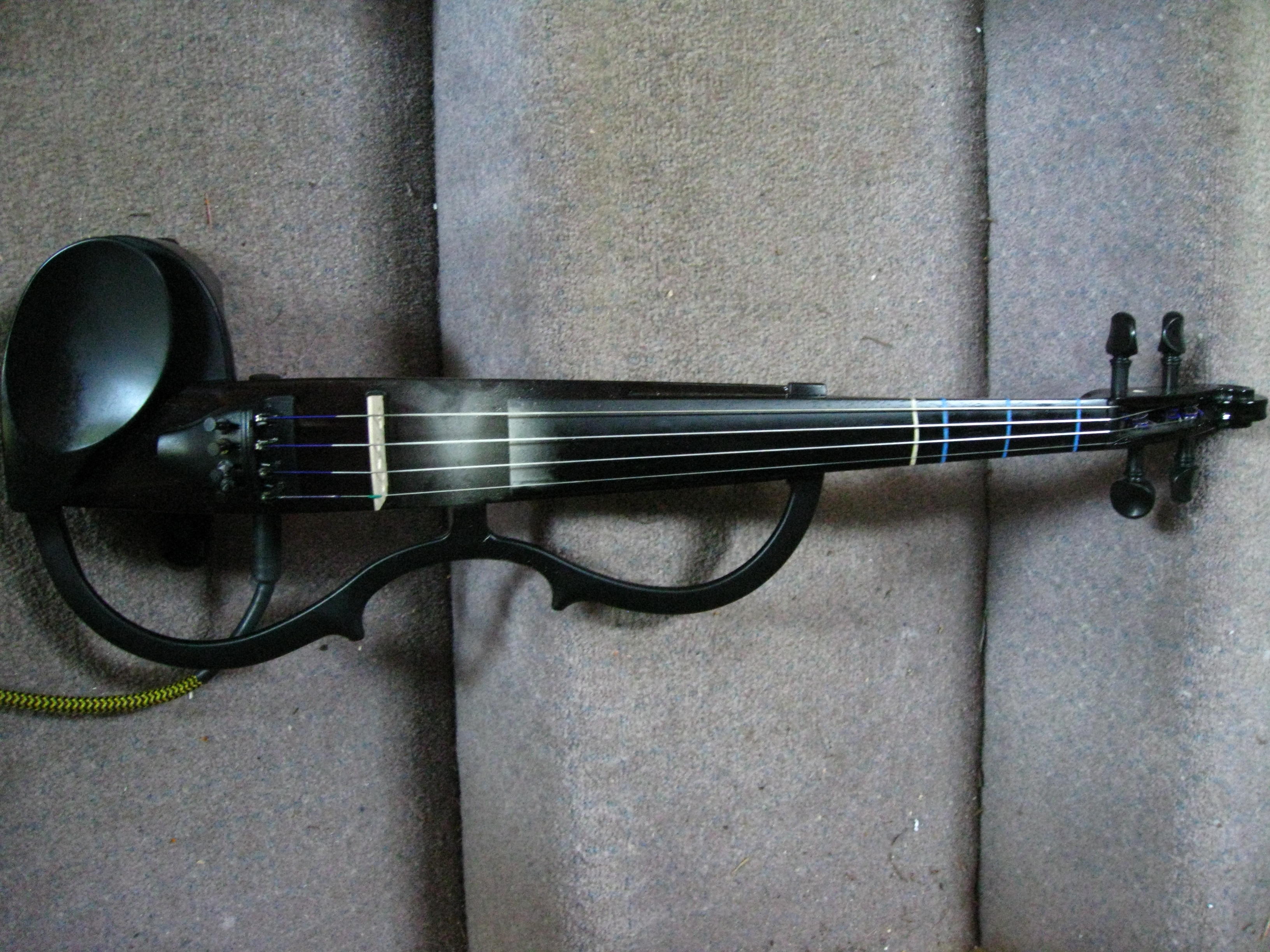
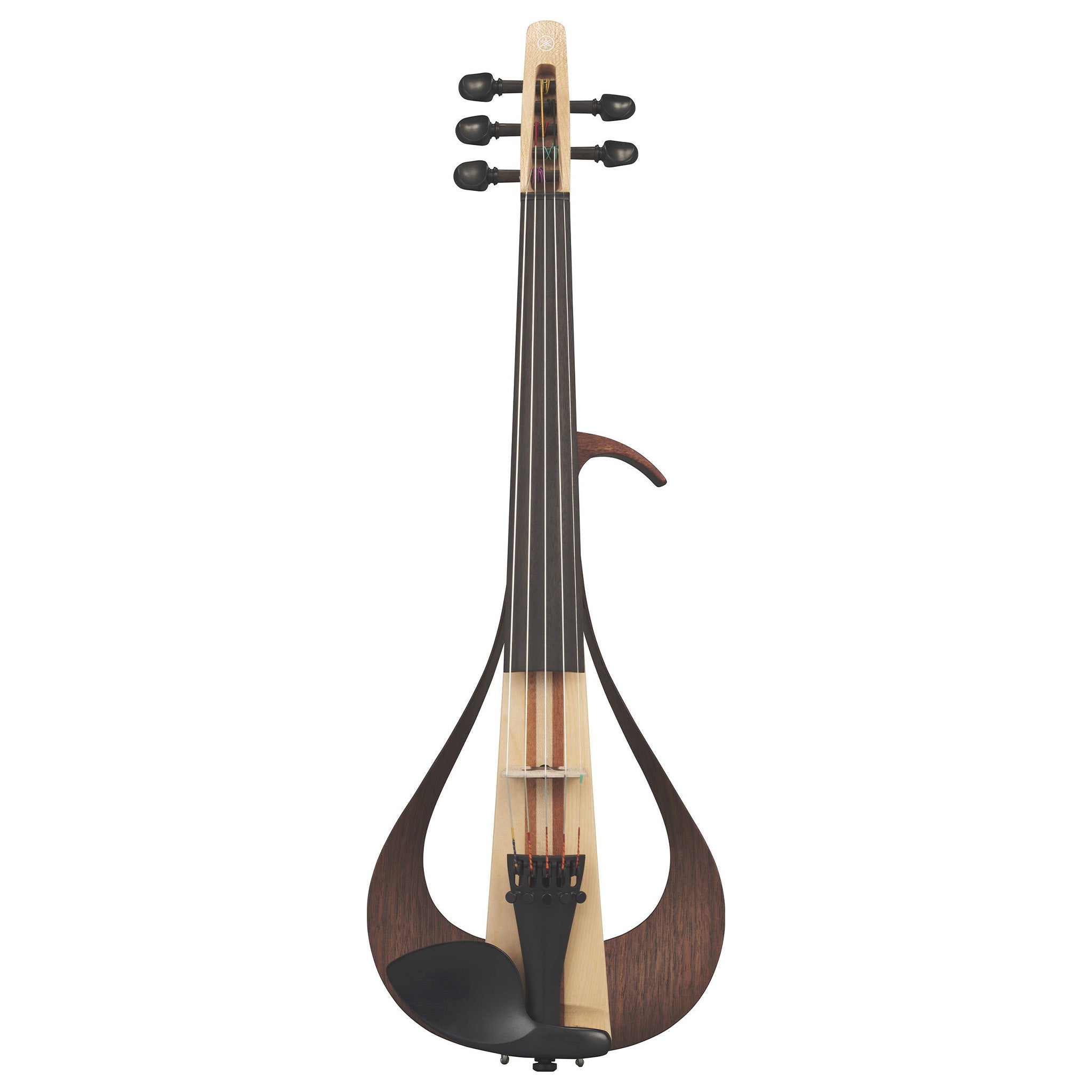
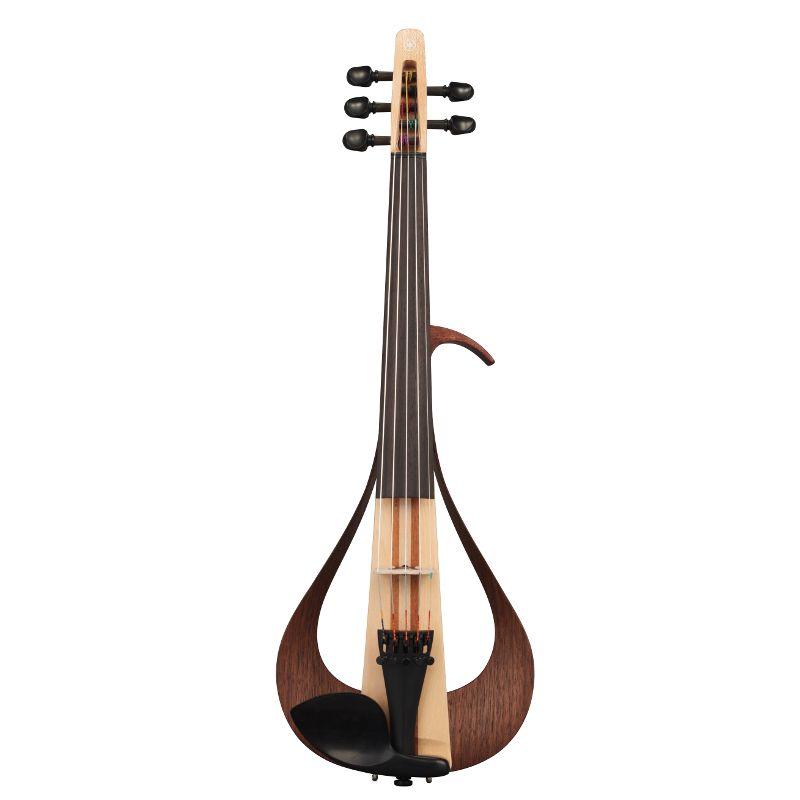
An electric violin still has strings, a bridge, a fingerboard, a bow, and tuning pegs. Your left hand must still find the right notes. Your right hand must still control bow speed, pressure, and contact point.
The biggest difference is how the instrument creates sound. An acoustic violin uses a hollow wooden body to amplify the string vibration. An electric violin uses a pickup and electronic signal. You may connect it to headphones, an amplifier, an audio interface, or a recording device.
So, can you learn violin on an electric violin without owning an acoustic model? You can, but you should practice with care. Some electric violins hide problems because their sound can be shaped by effects or amplification. A clean, unprocessed sound is best for learning.

How an Electric Violin Differs From an Acoustic Violin
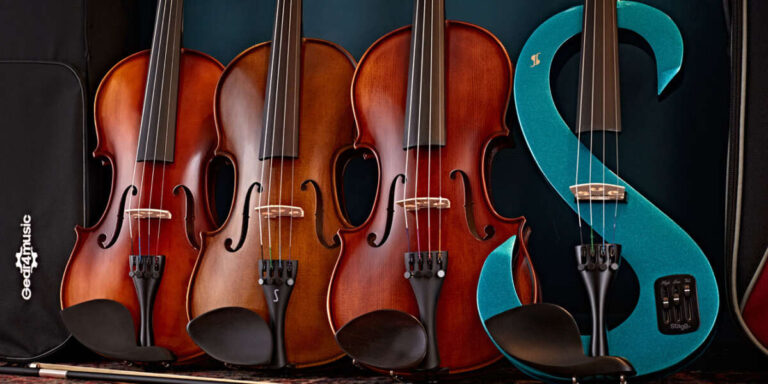
An electric violin may look like an acoustic violin, but the playing experience can differ in several important ways.
Sound and volume
An acoustic violin produces a rich sound through its wooden body. It responds to small changes in bow movement. This helps you hear details in tone, pitch, and volume.
An electric violin may sound thin, bright, or artificial when played without an amplifier. With headphones or a good amplifier, it can sound much better. Still, the tone may not react in exactly the same way as an acoustic instrument.
Weight and balance
Some electric violins are heavier than acoustic violins. The extra weight may come from solid materials, electronics, batteries, or built-in controls.
Balance also matters. A violin that feels neck-heavy can make your left hand and shoulder work too hard. This is one reason beginners should try an instrument before buying it when possible.
Resonance and vibration
An acoustic violin vibrates against your body. You hear the sound through the air and feel some vibration through your jaw, shoulder, and hands.
An electric violin often gives you less natural vibration. This can affect your sense of tone. You must rely more on your ears through headphones or speakers.
Feedback and electronic noise
Amplified electric violins can produce unwanted feedback. Poor cables, weak pickups, or low-quality amplifiers may also create hum or noise.
These problems do not stop you from learning. They can make practice frustrating, though, especially when you are still learning basic bow control.
Benefits of Learning Violin on an Electric Violin
Can you learn violin on an electric violin more comfortably than on an acoustic violin? For some students, yes. Electric models offer several practical benefits.
Quiet practice
The main benefit is volume control. Many electric violins have a headphone output or can connect to a small headphone amplifier.
This helps if you live in an apartment, share a home, or practice late at night. You can work on scales and songs without filling the room with sound.
Quiet practice is not completely silent. The bow still makes some physical noise on the strings. However, the volume is much lower than an acoustic violin.
Easy recording
An electric violin can connect to a computer, phone, or audio interface. This makes it easier to record practice sessions.
Recording yourself is useful because playing can feel different from listening. You may notice uneven rhythm, weak bow changes, or notes that are slightly sharp or flat.
Effects and creative sounds
Some electric violins work with pedals and effects. You can use reverb, delay, distortion, or looping tools.
These effects can be enjoyable after you learn the basics. They should not replace clean practice. Effects can hide poor intonation or weak bow control.
Comfortable practice in shared spaces
A student may avoid practice because the sound feels loud or unpleasant. An electric violin can remove that barrier.
The best instrument is often the one you will practice regularly. A simple electric violin that encourages daily practice may help more than an expensive acoustic violin that stays in its case.
Performance options
Electric violins work well for amplified performances, bands, worship groups, pop music, folk music, and experimental music.
If your goal is to play with a band, learning on an electric model can help you understand cables, signal levels, monitors, and amplification from the start.

Limitations of Learning on an Electric Violin
Can you learn violin on an electric violin with no disadvantages? Not always. Understanding the limits will help you make a smart choice.
It may hide tone problems
An amplifier can make a weak sound seem larger. Reverb can make short notes seem smoother. Distortion can cover small mistakes.
Beginners should spend much of their practice time with a clean tone. Keep effects off when working on scales, intonation, and bow exercises.
It may not respond like an acoustic violin
Acoustic violins respond to bow speed, pressure, and contact point in a very direct way. Some electric instruments respond differently.
This can affect:
• Bow pressure
• Sound projection
• Tone color
• Dynamic control
• String response
If you later move to an acoustic violin, you may need a short adjustment period. Your basic skills will still help, but your bow hand may need to become more sensitive.
Some models have poor setup
A cheap electric violin may have high string action, a badly fitted bridge, rough tuning pegs, or uncomfortable dimensions.
A poor setup can make learning harder. You may blame yourself for slow progress when the instrument is causing the problem.
Natural acoustic feedback is missing
With an acoustic violin, the body of the instrument gives you a clear sense of resonance. Electric models may feel less alive under the bow.
This does not prevent progress, but it makes listening through headphones important.
Visual design can distract from quality
Some electric violins have unusual shapes and bright finishes. A stylish design is not a problem, but appearance should not be your main buying factor.
Prioritize playability, correct size, reliable electronics, comfortable balance, and professional setup.
What Skills Transfer to an Acoustic Violin?
Most core violin skills transfer well from electric to acoustic instruments. This includes posture, left-hand placement, finger patterns, rhythm, music reading, and basic bow technique.
Your musical ear also transfers. If you practice hearing whether a note is sharp or flat, that skill remains useful on any violin.
Some skills need extra attention:
• Bow pressure and contact point
• Tone production
• Dynamic control
• Resonance awareness
• Open-string sound
• Playing without headphones or amplification
A useful approach is to practice on an electric violin for convenience and occasionally play an acoustic violin. This can be once a week, once every two weeks, or whenever you can access one.
Can you learn violin on an electric violin and switch later? Yes. Many players make the transition successfully because the foundation is the same. The transition is easier when you avoid effects and continue working on careful bow control.

How to Choose an Electric Violin for Learning
The right instrument can make a major difference. Before buying, check the following features.
Choose the correct size
Most adult players use a full-size violin. Children need a smaller size based on arm length and body size.
A teacher or experienced violin shop can help you choose. The wrong size may cause tension and poor posture.
Check the bridge and string height
The bridge should be shaped correctly. The strings should not sit so high that pressing them becomes painful.
The fingerboard should also be smooth and properly aligned. A professional setup can improve an average instrument, but it cannot fix every design problem.
Test the neck and fingerboard
The neck should feel comfortable in your hand. The fingerboard should not have sharp edges or rough spots.
Run a clean finger lightly along the edges. If you feel sharp points, the instrument may need work.
Consider headphone support
If quiet practice matters, choose a violin with a reliable headphone output. Check whether it needs a separate headphone amplifier.
Some models include volume controls. Others require an external device.
Check the pickup system
A pickup converts string vibration into an electronic signal. A poor pickup may create weak sound, noise, or an unnatural tone.
Ask whether the instrument uses a piezo pickup, magnetic pickup, or another design. Piezo systems are common in electric violins, but the quality of the bridge and electronics matters greatly.
Look for a comfortable chin rest and shoulder rest
Comfort is not a luxury. It affects your posture and practice time.
You may need to replace the chin rest or adjust the shoulder rest. A violin teacher can help you find a position that keeps your shoulders relaxed.
A Beginner Practice Plan for Electric Violin
Can you learn violin on an electric violin through self-study? You can make progress, but a clear plan helps. A teacher is especially useful during the first months.
Try this 30-minute practice routine:
- Spend five minutes checking posture and tuning.
- Play open strings for five minutes with slow, even bow strokes.
- Practice scales for ten minutes.
- Work on a simple song for five minutes.
- Record or review one difficult section for five minutes.
Keep the sound clean while practicing. Use headphones if needed, but avoid heavy effects.
Practice slowly enough to notice every note. Speed should come after control. If your shoulder, wrist, or thumb becomes tense, pause and reset.
Short daily practice is usually more useful than one long session each week. Even 15 focused minutes can build a strong habit.

Common Mistakes to Avoid
Can you learn violin on an electric violin while avoiding poor habits? Yes, if you watch for these common mistakes.
Using too many effects
Effects can make practice exciting, but they can also hide mistakes. Start with a clean sound and add effects only after your technique is stable.
Ignoring acoustic technique
Some players focus on electronic controls and forget basic violin skills. Your posture, bow grip, intonation, and rhythm still matter most.
Practicing without listening closely
Headphones can make the violin sound clearer, but they may also make you play too loudly. Keep the volume at a safe level.
The World Health Organization advises protecting hearing from excessive sound. If your ears ring or feel tired, lower the volume and take a break.
Buying the cheapest model without checking setup
A low price can be attractive. However, repairs, poor tuning, and uncomfortable action may cost more later.
Ask a teacher or violin technician to inspect the instrument if possible.
Skipping tuning
Electronic instruments still need correct tuning. Use a reliable tuner and check the strings before each practice session.
Standard violin tuning is G3, D4, A4, and E5. A tuner helps, but training your ear is also important.
Learning without feedback
Video lessons can help, but they cannot always see tension in your shoulder or wrist. A teacher can spot problems early.
Even one lesson every few weeks may prevent months of poor technique.
Electric Violin Versus Acoustic Violin for Beginners
The better choice depends on your goals and living situation.
Choose an electric violin if:
• You need quiet practice
• You want to record easily
• You plan to play with amplified music
• You enjoy electronic effects
• You have limited space or shared walls
Choose an acoustic violin if:
• You want traditional classical training
• You want natural tone and resonance
• You plan to play in orchestras
• You want the simplest setup
• You can practice at a suitable volume
You can also use both. An acoustic violin is useful for learning tone and projection. An electric violin is useful for quiet practice and modern performance.
There is no single correct path. The best choice is the one that supports safe, regular, focused practice.
When Should You Start With an Electric Violin?
Can you learn violin on an electric violin as a complete beginner? Yes, but beginners should choose a model that feels close to a standard violin.
A shaped, lightweight model with normal violin dimensions is usually easier to adapt to. Avoid instruments with unusual necks, extreme weight, or complicated controls.
Starting with an electric violin makes sense when noise is a serious concern. It also makes sense if your musical goal involves bands, recording, or live amplification.
If your main goal is classical violin, consider taking occasional lessons on an acoustic violin. This gives you a better sense of natural tone, bow response, and projection.
The most important factor is not the label “electric” or “acoustic.” It is whether the instrument allows relaxed posture, accurate fingering, steady bowing, and honest listening.
Frequently Asked Questions About Can You Learn Violin on an Electric Violin
Can you learn violin on an electric violin without an amplifier?
Yes, you can practice finger placement, bow movement, posture, and rhythm without an amplifier. However, the unplugged sound may be quiet or unnatural, so headphones or a small amplifier can help you hear your tone.
Is an electric violin good for beginners?
An electric violin can be good for beginners when it has a comfortable setup and standard violin dimensions. A teacher should check the instrument if possible, because poor string height or balance can slow your progress.
Can you play classical music on an electric violin?
Yes, you can learn and perform classical music on an electric violin. However, an acoustic violin usually gives more natural resonance and subtle tone changes, which are important in traditional classical playing.
Is it harder to play an electric violin?
An electric violin is not always harder to play, but it may feel different. Weight, balance, string response, and reduced resonance can require adjustment, especially when switching between electric and acoustic instruments.
Do you need special strings for an electric violin?
Many electric violins use standard violin strings, but the best choice depends on the pickup and instrument design. Follow the manufacturer’s advice or ask a violin technician before changing string types.
Can you connect an electric violin to headphones?
Many electric violins can connect to headphones directly or through a headphone amplifier. Check the output type and use a moderate volume to protect your hearing.
Conclusion
Can you learn violin on an electric violin? Yes, and many students can build strong skills with one. Electric violins support quiet practice, easy recording, and amplified performance, but they require careful attention to tone, posture, setup, and clean technique.
Use a well-fitted instrument, practice with minimal effects, and get regular feedback from a qualified teacher. If possible, play an acoustic violin from time to time so your bow control and listening skills stay well rounded.
Choose the instrument that helps you practice consistently. Then start with slow scales, simple songs, and focused daily work. Explore more violin lessons and resources, and share your learning experience with other players.

Senior Music Reviewer
Alex Carter is a seasoned music reviewer with over a decade of experience in the world of sound and instruments. Passionate about helping musicians and enthusiasts make informed choices, he brings sharp insights and in-depth knowledge to every review. From classical instruments to modern gear, Alex combines technical expertise with a love for music to deliver content that resonates with readers.
As a Senior Music Reviewer and expert author on Tuneluma.com, Alex is dedicated to sharing honest evaluations, practical advice, and thoughtful commentary to guide readers in their musical journey.