What Does The Middle Pedal On A Piano Do: 2026 Guide
The middle pedal on a piano, known as the sostenuto pedal, sustains only the notes currently being held. As a pianist who has spent decades navigating the keys, I have seen many beginners ignore this mysterious third lever. Understanding what does the middle pedal on a piano do is a hallmark of moving from a novice player to a more sophisticated musician. Whether you are practicing complex Debussy or just curious about your instrument, mastering this tool unlocks a new level of sonic control. In this article I will walk you through how it works, when to use it, and how to test your own piano so you can finally put it to effective use in your musical journey.
 <figcaption style=”font-size: 14px;color: #555;margin-top: 8px”>
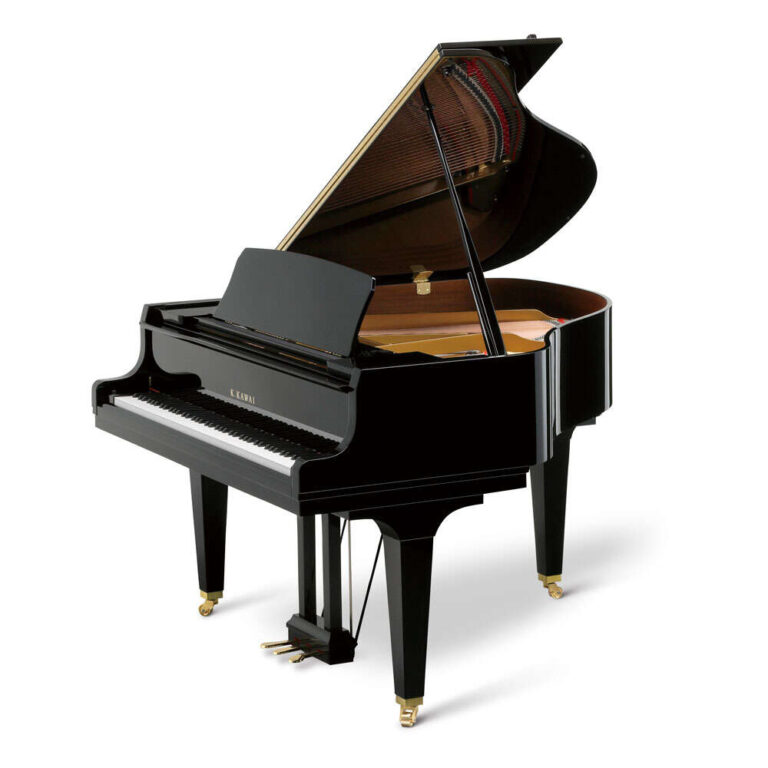
Source: livingpianos.com
Understanding the Sostenuto Pedal Mechanism
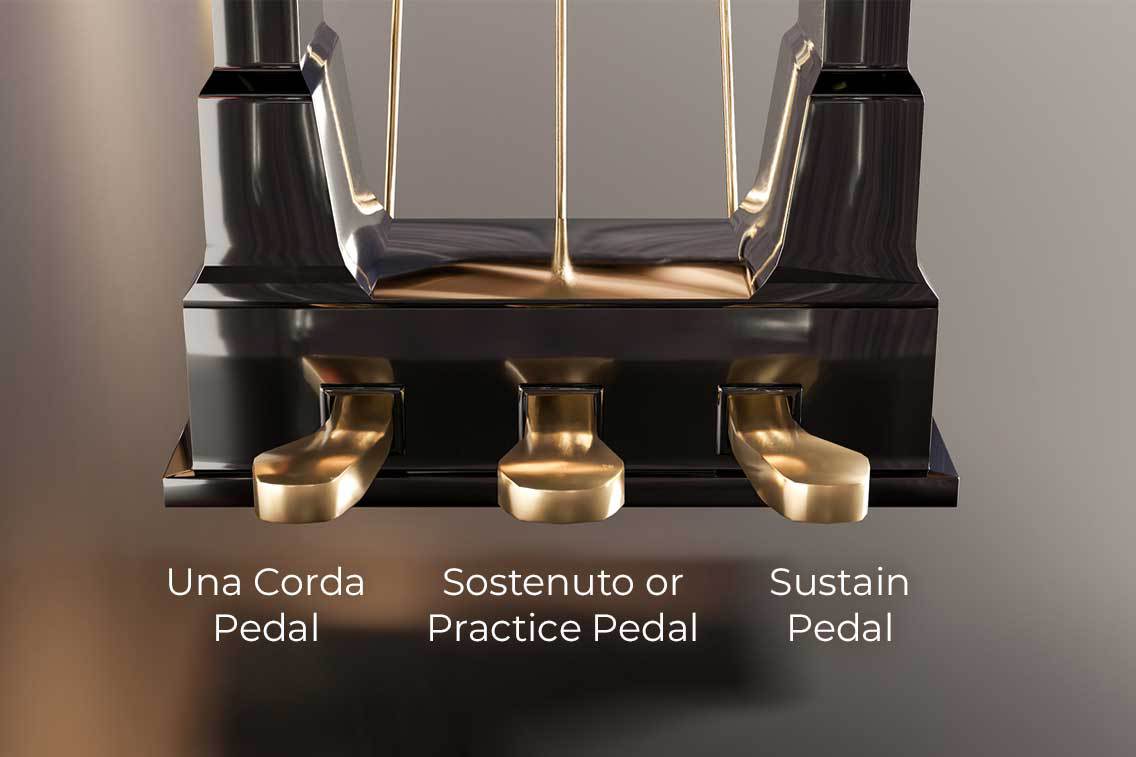
When you look down at your instrument, you notice three pedals. The right pedal is the damper pedal (often called the sustain pedal). We use it to blend notes and add resonance. The left pedal is the soft pedal, or una corda. It changes the tone and lowers the volume. So what does the middle pedal on a piano do compared to these two?
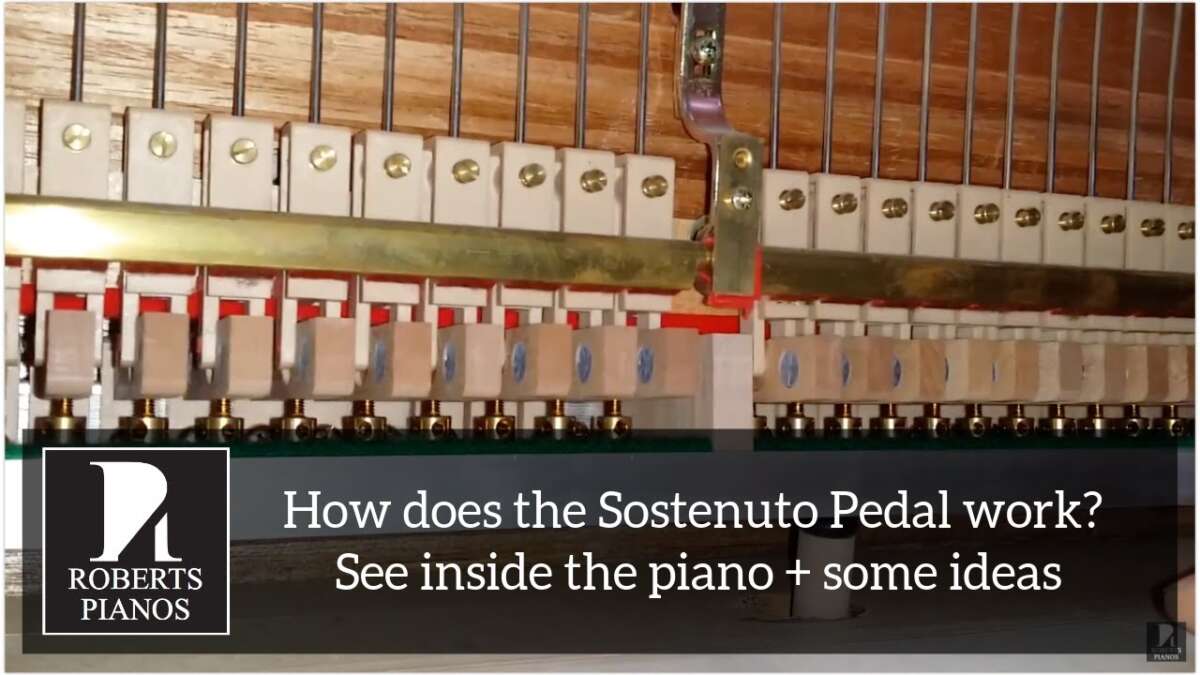
On most grand pianos the middle pedal is a selective sustain. Press a key and hold it. Then press the middle pedal. Now the dampers for only those held strings stay lifted. All other dampers still work as normal. The result is a way to hold notes or chords while you play other material. It gives you clear harmonic layering without the blur you get from the damper pedal.
I remember my first lesson on a grand piano during conservatory training. The middle pedal felt different to the touch. I soon learned not to treat it like the right pedal. It is a precision tool. Use it for specific voices or held tones. It prevents the muddy wash that can come from overusing the damper pedal.
How the sostenuto works, step by step
Here is a simple breakdown you can try right now:
- Press and hold the note or chord you want sustained.
- While holding the key, press the middle pedal fully.
- Release the held key. The sustained note will continue to ring.
- Play other notes. They will not be sustained unless you hold them or use the damper pedal.
This stepwise action shows the pedal traps only the dampers that were up when you engaged it. It is useful for holding a bass drone or a single harmony while your hands move freely above.
Variations in Pedal Functionality
What does the middle pedal on a piano do can vary by instrument. Grand pianos most often have a true sostenuto pedal. Upright pianos rarely do. On many uprights the middle pedal is a practice pedal. A strip of felt drops between hammers and strings. The result is a big drop in volume. This is ideal for late-night practice or small apartments.
Some uprights use the middle pedal as a bass sustain. That holds only the low notes. It lets you sustain a deep bass while keeping the treble crisp and detached. When I practice Bach or complex contrapuntal pieces, I use that feature to separate voices. But first, check which mechanism your piano has. The internal hardware decides what the middle pedal actually does.
Quick checks to identify your piano’s middle pedal
Before you plan repertoire or practice routines, test your instrument. Here are quick, reliable checks:
- Press one low note, hold it, and press the middle pedal. Release the key. If it keeps ringing, you have a true sostenuto.
- If the overall sound drops when you press the middle pedal, your piano likely has a practice mute (felt strip).
- If only the bass notes sustain, but higher notes do not, your middle pedal is wired as a bass sustain.
These tests take only a minute. They tell you how to use the pedal in practice and performance.

Practical Tips for Using the Middle Pedal
Learning the middle pedal takes coordination. It takes patience too. My early mistake was trying it in pieces that were too hard. That led to sloppy timing and muddy textures. Start small. Pick a simple piece. Hold a bass note or a chord. Engage the pedal. Then lift your hands. Let the held tone ring while you play.
This exercise helps you learn timing. It also teaches you how to trap sound cleanly. Here are practice tips I recommend:
- Focus on lifting your foot at the exact moment you transition to the next chord.
- Practice playing the note or chord before engaging the middle pedal to ensure a clean release.
- Remember that the middle pedal on a piano does not replace the damper pedal, so keep your ears open for clarity.
- Use the pedal sparingly to avoid building up unwanted dissonance in your performances.
- Try small excerpts from Debussy or Ravel to hear how a sustained harmony supports color and texture.
Simple exercises to build control
Try these short drills for clarity and timing:
- Play a low tonic, hold it, press middle pedal, release. Play the scale in the right hand. Notice clarity.
- Hold a simple triad, engage pedal, play detached chords above. Aim for clean separation of voices.
- Combine half-pedaling on the right pedal with selective sustain on the middle pedal for fine color control.
Doing these drills for five to ten minutes per day builds muscle memory. They make the pedal feel like part of your technique.
Frequently Asked Questions of what does the middle pedal on a piano do
Does every piano have a sostenuto pedal?
No. The sostenuto pedal is common on most grand pianos. It is rare on upright pianos. Many uprights use the middle pedal as a practice mute or a bass sustain instead of a true sostenuto.
Can I use the middle pedal to make my piano quieter?
Yes—if you have an upright with a practice pedal. That felt strip reduces volume a lot. On a grand piano, the middle pedal usually does not affect volume. It only sustains selected notes.
Why do some pianists never use the middle pedal?
Many pieces do not need the specific sustain the middle pedal provides. The technique is advanced. Many players focus on the damper pedal first. Also, not all pianos have a functional sostenuto, so pianists may not learn it early.
Is the middle pedal the same as the soft pedal?
No. The middle pedal is different from the left soft pedal, the una corda. The soft pedal shifts the keyboard action and changes tone color and volume. The middle pedal manages selective sustain or mutes the sound depending on the piano.
How do I know if my piano has a true sostenuto?
Test it this way. Press one low note and hold it. Press the middle pedal while holding the key. Then release the key. If that note continues to ring while you play others, your piano has a functioning sostenuto.
Common musical uses and repertoire examples
Composers and performers use the middle pedal to shape sound in specific ways. Here are common uses and short examples:
- Hold a pedal point in the bass while playing moving lines above. This is common in Romantic and 20th-century music.
- Create sustained cluster tones or color effects in Impressionist works by Debussy and Ravel.
- Support a long-held harmony while you articulate independent voices. Useful in chamber music and accompaniment.
- Operate as a quiet practice tool on uprights when you need to reduce volume.
Each use requires careful listening. The middle pedal is about clarity and control. It helps reveal inner voices without smearing the whole texture.
Maintenance notes and common issues
Sometimes the middle pedal can stick or feel loose. Here are a few things to watch for:
- On uprights, the felt strip can wear and need replacement. A piano technician can service it.
- On grands, the sostenuto mechanism can fall out of adjustment. A keyboard or action regulation may be required.
- If the pedal does nothing at all, it may be decorative. Older or lower-end uprights sometimes have non-functional middle pedals.
Regular tuning and maintenance keep pedal mechanisms responsive. Ask a qualified technician if you notice strange noise or sluggish action.
Conclusion
Understanding what does the middle pedal on a piano do is an important step to becoming a more expressive pianist. It is not an optional novelty. It is a precise tool for control. Whether it acts as a sostenuto on a grand or a practice mute on an upright, the middle pedal helps you manage sound with intention. Take time to test your instrument and try simple exercises. Listen closely. With practice, the pedal will become part of your musical palette.
If you found this guide helpful, please explore our other resources on piano technique or share your progress in the comments below!

Senior Music Reviewer
Alex Carter is a seasoned music reviewer with over a decade of experience in the world of sound and instruments. Passionate about helping musicians and enthusiasts make informed choices, he brings sharp insights and in-depth knowledge to every review. From classical instruments to modern gear, Alex combines technical expertise with a love for music to deliver content that resonates with readers.
As a Senior Music Reviewer and expert author on Tuneluma.com, Alex is dedicated to sharing honest evaluations, practical advice, and thoughtful commentary to guide readers in their musical journey.