Best 88 Key Piano For Beginners: Top Beginner Picks
The best 88 key piano for beginners balances realistic feel, clear sound, useful lessons, and a fair price.
You may be ready to learn piano, but the choices can feel like a maze. A small keyboard may seem easy to store, yet it can leave you short of keys as your skills grow. An acoustic piano can sound wonderful, but it needs space, tuning, and a larger budget. I reviewed these 88-key digital pianos with those real needs in mind. I looked at key feel, beginner features, portability, included gear, and long-term value. The goal is simple: help you find the best 88 key piano for beginners without paying for features you may never use.
88 Key Digital Piano with Bluetooth Bundle

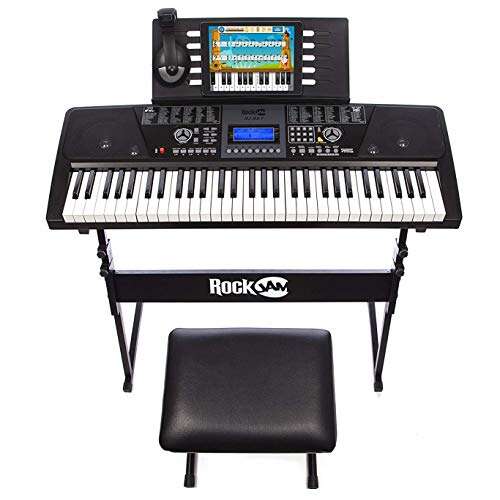
This full-size digital piano gives a new player the complete range of an acoustic piano. Its semi-weighted keys offer more resistance than a light, toy-like keyboard, so finger control can start to develop from the first lesson. The package also includes a music stand, power supply, sustain pedal, carrying case, headphones, and USB-MIDI support. Bluetooth adds a simple way to connect a phone or tablet for lessons and backing tracks.
I like this bundle for beginners who want one box with nearly everything needed to start. The headphones help you practice late at night, while the case makes the piano easier to move between rooms or lessons. Semi-weighted action will not feel exactly like a concert grand, but it gives a more piano-like response than basic unweighted keys. This is a practical choice for adults, teens, and home learners who value useful extras.
Pros:
- Full 88-key range supports complete beginner lessons
- Semi-weighted keys help build basic finger strength
- Bluetooth supports lessons and audio practice
- USB-MIDI works with compatible music apps
- Includes pedal, stand, headphones, and carrying case
- All-in-one bundle reduces the need for extra purchases
Cons:
- Semi-weighted action is less realistic than hammer action
- Large accessory bundle may take more storage space
- Sound and key response may not satisfy advanced players
My Recommendation
I recommend this model to a beginner who wants a complete starter kit and plans to practice at home. It is especially useful for someone who wants Bluetooth lessons, quiet headphone practice, and easy USB connection. If your main goal is a low-cost start with helpful accessories, this can be a strong best 88 key piano for beginners option. Check the current Amazon listing for the latest price and package details.
Alesis Recital Play 88-Key Piano Bundle

The Alesis Recital Play is designed for learners who want a clear path from first notes to simple songs. Its 88 keys give you the same note span found on a standard piano. A beginner can use the piano sound for traditional practice and explore other sounds when a lesson feels repetitive. The bundle format also makes it easier to begin without hunting for each accessory one at a time.
Alesis is a familiar name in entry-level digital pianos, and this model has the friendly layout I expect from a beginner instrument. The keys are large and easy to see, which helps when you learn hand position and scales. I would place it on a desk, keyboard stand, or sturdy table at a comfortable height. Keep in mind that the exact bundle contents and included learning tools should be confirmed on the current product page before purchase.
Pros:
- Full-size 88-key layout supports standard sheet music
- Beginner-focused design is easy to understand
- Bundle can lower the cost of separate accessories
- Suitable for lessons, drills, and casual playing
- Recognized brand with broad beginner appeal
- Compact digital format needs no tuning
Cons:
- May not offer the deeper key feel of a weighted piano
- Included accessories can vary by bundle version
- Built-in sounds may feel limited after advanced study
My Recommendation
This piano is best for a first-time player who wants a simple instrument from a known beginner brand. It fits students who need an 88-key layout for lessons but do not yet need a premium cabinet or advanced sound system. In my view, the Alesis Recital Play is a sensible best 88 key piano for beginners when ease of use and bundle value matter most. Review the Amazon listing to confirm the current accessories before ordering.
88 Key Semi-Weighted Piano Keyboard Bundle

This 88-key electronic piano targets adult beginners who want a full keyboard without the cost of a traditional piano. The semi-weighted design gives the keys some resistance and makes repeated practice feel more purposeful. The set includes a sustain pedal, stand, carrying case, headphones, and power supply. Bluetooth and USB-MIDI add useful links to phones, tablets, and music software.
The included stand is a valuable detail for a new player because playing height affects comfort and posture. The case is also helpful if you move the keyboard to a lesson, family room, or storage area. I see this as a flexible home piano rather than a high-end performance instrument. Before you buy, measure your space, since an 88-key board needs a long surface even when the body is slim.
Pros:
- Complete 88-key range for beginner and intermediate pieces
- Semi-weighted action feels more controlled than basic keys
- Includes stand, pedal, headphones, and carrying case
- Bluetooth makes guided practice more convenient
- USB-MIDI supports recording and learning software
- Portable design works well in small homes
Cons:
- Semi-weighted keys may not match acoustic piano resistance
- Stand design may not suit every playing position
- Many included parts mean more pieces to assemble and store
My Recommendation
I suggest this model for an adult beginner who wants flexibility and a useful accessory pack. It is a good fit for apartment practice, online lessons, and students who may carry the piano from one room to another. If you want the best 88 key piano for beginners with Bluetooth, MIDI, and a stand in one package, it deserves a close look. Confirm the current listing for dimensions and bundle contents.
Donner DEP-20 Weighted Digital Piano

The Donner DEP-20 stands out because it uses a full-size weighted keyboard rather than a simple light-action design. Weighted keys can help a student learn to press with control and shape notes with more care. The piano includes a sustain pedal and power supply, so the basic setup is direct. Its portable body also makes it easier to fit into a home than a full upright piano.
For beginners, the key feel matters because the hands learn through touch as much as through sight. The DEP-20 gives you a more piano-like starting point than many low-cost keyboards. It may require more finger effort at first, but that resistance can feel rewarding as your technique improves. I would pair it with a stable stand and headphones if quiet practice is important in your home.
Pros:
- Weighted 88-key keyboard supports stronger technique
- Full range works for beginner books and classical pieces
- Portable shape is easier to move than an acoustic piano
- Sustain pedal is included for basic expression
- Digital design needs no tuning or costly maintenance
- Good bridge between a starter keyboard and a real piano
Cons:
- Weighted action can feel tiring for very young beginners
- May need a separate stand or bench
- Portable speakers may not fill a large room
My Recommendation
The Donner DEP-20 is best for a learner who cares more about key feel than a large sound library. I would choose it for an adult student, a serious teen, or anyone who hopes to continue beyond the first few months. It is a strong candidate for the best 88 key piano for beginners because weighted keys can support better habits from day one. Check the current Amazon page for the exact version and available accessories.
88-Key Piano Stickers for Beginners
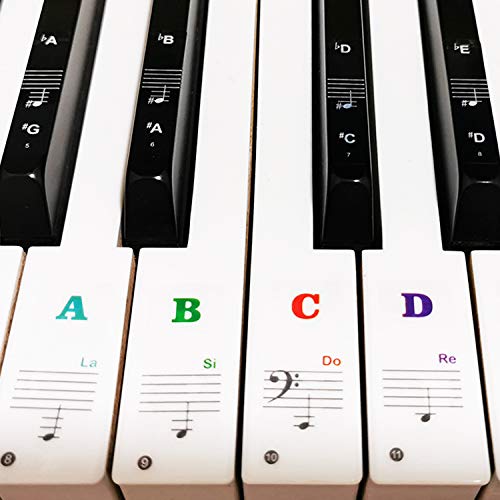
These removable piano stickers are not a piano, but they can make the first week of learning much less confusing. The labels show note names on the keys, which helps a new player connect written music with the keyboard. The bold, multicolor design can also appeal to children who learn better with visual cues. The set is made for several keyboard sizes, including 88 keys.
I see note stickers as training wheels, not a permanent replacement for memory. They can help you find middle C, build simple scales, and follow a lesson with less hesitation. Apply them with care, and remove them once you can locate notes without looking down each time. The key labels are most useful when paired with regular practice, rather than used as a shortcut around learning.
Pros:
- Low-cost aid for early note recognition
- Bold colors are easy for children to see
- Removable design helps protect the keyboard surface
- Fits 88-key and several smaller keyboard sizes
- Can reduce frustration during first lessons
- Useful for home teachers and self-guided learners
Cons:
- Does not improve sound or key action
- Labels may distract students who rely on them too long
- Application takes time and careful alignment
My Recommendation
I recommend these stickers as a small add-on for children, visual learners, or adults who struggle to remember note names. They work with almost any best 88 key piano for beginners and cost far less than a new learning system. Use them for a short period, then remove them as your confidence grows. Check the listing for the latest color layout and compatibility details.
Donner DEP-1S 88-Key Beginner Piano

The Donner DEP-1S combines an 88-key velocity-sensitive keyboard with a bundle aimed at new players. Velocity sensitivity means the sound can respond to how firmly you press, which is a useful first step toward expressive playing. This set includes a piano stand, sustain pedal, piano stickers, and a retro wood-color finish. It also offers Bluetooth and recording features for learners who enjoy using technology.
The appearance may suit a living room better than a plain black portable keyboard. I also like the included note stickers for a child or student who needs help during the first lessons. Recording can make practice more honest because you hear timing issues that are easy to miss while playing. The sound and action remain entry-level, so I would choose this model for home study rather than demanding stage work.
Pros:
- Full 88-key layout supports standard piano study
- Velocity-sensitive keys encourage expressive playing
- Includes stand, pedal, and beginner note stickers
- Bluetooth supports wireless lesson use
- Recording feature helps track progress
- Retro finish gives it a furniture-friendly look
Cons:
- Included stickers may become a long-term crutch
- Entry-level action may not satisfy advanced students
- Retro finish may not match every room
My Recommendation
This Donner model is a good match for a beginner who wants a piano that looks at home in a shared living space. It is also useful for families because the stickers and recording feature make practice more approachable. For buyers seeking the best 88 key piano for beginners with a stand and learning extras, the DEP-1S is worth considering. Confirm the current Amazon bundle before purchase, since package details can change.
Yamaha P71 88-Key Weighted Digital Piano

The Yamaha P71 is one of the safest choices for a beginner who wants a focused piano experience. It has 88 weighted keys and a design that keeps the controls simple. Yamaha’s Graded Hammer Standard action is intended to provide a heavier feel in the low range and a lighter feel in the high range, similar to an acoustic piano. The package includes a sustain pedal and power supply.
I often prefer a simple instrument when a student is starting because fewer buttons mean fewer distractions. The P71 puts attention on posture, rhythm, scales, chords, and songs rather than a long menu of effects. Its slim body is easier to place in a bedroom or office, though you may need to buy a stand and bench separately. If realistic touch and dependable piano-focused design rank first, this model is hard to ignore.
Pros:
- Weighted 88-key action supports proper piano technique
- Graded key resistance feels more natural across the range
- Simple controls help beginners stay focused
- Trusted Yamaha piano sound and build approach
- Compact body saves space compared with an upright piano
- Included sustain pedal supports legato playing
Cons:
- Usually includes fewer accessories than large bundles
- May need a separate stand, bench, and headphones
- Limited extra sounds and lesson features
My Recommendation
I recommend the Yamaha P71 to a student who wants to learn piano seriously and values realistic key response over extra features. It is a particularly good fit for traditional lessons, classical study, and adults who want a clean, lasting setup. For many buyers, this is the best 88 key piano for beginners because it starts with the most important part: the keys. Check the current Amazon-exclusive listing for price, delivery, and included items.
88-Key Bluetooth Piano Keyboard with Stand

This electric piano is built for beginners who want a broad feature set in a portable package. It provides 88 keys, Bluetooth, USB-MIDI, a stand, sustain pedal, power adapter, carrying case, and headphones. That combination covers quiet practice, mobile lessons, basic recording, and simple transport. It can work at home or on a small stage where portability matters.
The full bundle is useful for a new player who does not want to compare several accessory listings. I would use the headphones for focused drills and Bluetooth for lesson videos or backing audio. The case adds protection when you carry the keyboard, but I would still lift it with two hands and avoid damp storage. As with any budget digital piano, confirm the exact key action and accessory list before checkout.
Pros:
- Full 88-key range supports long-term learning
- Bluetooth offers convenient wireless practice options
- USB-MIDI connects to computers and compatible apps
- Includes stand, pedal, headphones, and carrying case
- Portable design suits home use and small performances
- One purchase covers many beginner needs
Cons:
- Portable bundled stands may feel less solid than furniture stands
- Feature-rich controls can feel busy to a first-time player
- Sound quality may not match a dedicated Yamaha or premium piano
My Recommendation
This model suits a beginner who wants modern connections and an easy-to-carry setup. It is a useful choice for online lessons, shared homes, and players who want to experiment with music apps. If accessories and portability matter more than the most realistic touch, it may be the best 88 key piano for beginners in your price range. Check Amazon for current specifications and stock status.
BEATBIT Removable Piano Note Guide

The BEATBIT piano note guide is another learning aid rather than a keyboard. It places note names above the keys and gives beginners a visual map of the piano. The removable format makes it suitable for a rental keyboard or a shared instrument. A black design can look less distracting than bright labels while still giving quick help during practice.
I find note guides most useful during the first stage of learning. They can help a student locate groups of two and three black keys, find middle C, and read simple exercises with less stress. However, I would slowly reduce use as note memory improves. This guide can work with a best 88 key piano for beginners, but check the product size and placement instructions before applying it.
Pros:
- Simple visual aid for learning note names
- Removable design suits temporary practice use
- Black finish looks neat on many keyboards
- Can help reduce early lesson frustration
- Useful for children, adults, and classroom practice
- Costs much less than electronic lesson accessories
Cons:
- It cannot replace ear training or note reading
- Some students may rely on labels for too long
- Careful placement is needed for a clean fit
My Recommendation
I recommend the BEATBIT guide for a new student who often forgets note names or loses time searching for keys. It is a small, low-risk add-on for almost any 88-key digital piano. Use it as a bridge toward memory, not as a permanent solution. It offers good value when your main piano already has the sound and touch you want.
Removable Piano Keyboard Note Labels

These removable note labels give beginners a fast reference for an 88-key keyboard. The labels are useful when a student starts learning scales, chords, and simple melodies. They can make the first practice sessions feel less like a guessing game. Since they are made for 88 keys, they cover the full piano range rather than stopping at the center.
I would use this type of label set with a child, a visual learner, or an adult starting without a teacher. Put the labels on clean, dry keys and press them down carefully so the edges stay neat. Then test one or two labels before covering the whole keyboard. The best result comes from removing the labels in stages as your note reading becomes faster.
Pros:
- Helps beginners identify notes at a glance
- Designed for a full 88-key keyboard
- Removable format supports temporary use
- Can make scale and chord practice less stressful
- Helpful for home lessons and self-study
- Affordable way to support a new piano student
Cons:
- Labels may reduce focus on learning keyboard patterns
- Application can take patience and careful alignment
- Does not add any sound, touch, or recording feature
My Recommendation
This label set is best for a beginner who needs a clear visual prompt while learning the keyboard. It pairs well with a weighted or semi-weighted digital piano and can help a student gain early confidence. I would not judge the best 88 key piano for beginners by its stickers, but I would consider them a useful support tool. Check the Amazon page for the current design and fit details.
How to Choose the Best 88 Key Piano for Beginners
Buying a piano is not only about counting keys. Every 88-key model has the same basic note range, but the playing experience can differ a great deal. A good beginner piano should make you want to sit down again tomorrow. It should also leave room for your hands and ears to grow.
Start With Key Action
Key action describes how a key moves under your finger. Unweighted keys feel light and springy. They can suit casual playing, but they may not teach the same control used on an acoustic piano. Semi-weighted keys add some resistance. Weighted or hammer-action keys usually provide the closest starting point for traditional piano study.
I usually tell beginners to choose weighted keys when the budget allows. This is not because light keys are always bad. It is because touch is a core part of piano skill. A student who learns soft and firm control early may find later pieces easier to shape.
Why 88 Keys Matter
An 88-key piano covers the standard range of a modern acoustic piano. You can play beginner method books, classical pieces, worship songs, pop arrangements, and bass patterns without running out of room. A smaller keyboard may cost less and take less space, but you may need to upgrade as your music grows.
That does not mean every beginner needs a large cabinet. A slim digital piano gives you the full range in a smaller body. Measure the wall, table, and door path before ordering. Also leave space for a bench so your elbows and wrists can sit in a natural position.
Consider Sound and Speakers
Most digital pianos include a main piano sound and several extra voices. For a beginner, the main piano tone matters most. Listen for a tone that stays clear in both low and high notes. A useful piano sound should not become harsh when you play louder.
Speakers matter too. Small speakers can work well for a bedroom, but a larger room may need more power. Headphone output is valuable in apartments and shared homes. It lets you practice scales at night without turning your family into an unwilling audience.
Check the Pedal
A sustain pedal lets notes ring after you lift your fingers. It is essential for many songs and beginner lessons. Some packages include a basic pedal, while others require a separate purchase. A simple included pedal is fine for starting, but check that it connects securely and does not slide across the floor.
Look at Connectivity
Bluetooth can mean different things on different pianos. Some models use it for audio playback, while others support more direct app functions. USB-MIDI sends performance data to a computer, tablet, or compatible app. This can support recording, virtual instruments, and interactive lessons.
Connectivity is helpful, but it should not replace good key action. A piano with ten clever features is not a good value if the keys feel poor and the main tone tires your ears. I rank touch, sound, comfort, and reliability before extra functions.
Think About Noise and Neighbors
Digital pianos are quieter than acoustic pianos, but the key movement still makes some sound. Headphones solve the speaker noise, not the small tapping sound from the keys. A rug or mat under the piano can reduce vibration. If you live above another unit, choose a stable stand and avoid hard impact from the pedal.
Portability Versus Stability
A portable keyboard is easier to carry and store. That helps students who move often or share one room for several activities. A fixed stand can feel more stable and may look better in a living room. The right choice depends on whether you value easy movement or a permanent setup.
Do not forget the bench. A dining chair is often too high or too low. A proper adjustable bench helps keep your shoulders relaxed and your wrists level. Good posture may seem small, but it can make a 20-minute practice session feel much better.
Which Beginner Should Buy Which Type?
A child may benefit from a simple interface, headphones, and note labels. An adult may prefer Bluetooth, recording, and a portable case. A serious student should give priority to weighted action and a dependable piano sound. A casual player may get more value from a large bundle with a stand and accessories.
There is no single winner for every home. The best 88 key piano for beginners is the one that matches your goals, space, budget, and practice habits. A piano that fits your life will receive more use than a technically advanced model that feels difficult to set up.
Weighted, Semi-Weighted, or Unweighted Keys?
Weighted keys imitate the resistance of an acoustic piano. They often use a hammer-action system, though the design varies by model. The lower notes may feel heavier than the upper notes. This graded feel helps students become familiar with the layout of a traditional piano.
Semi-weighted keys add resistance but usually feel lighter and less complex. They can be comfortable for pop, chords, and casual playing. They also keep the keyboard easier to carry. For many first-time players, semi-weighted action is a good middle road.
Unweighted keys are light and fast. They are common on basic electronic keyboards. They can work for simple melodies, but I would not choose them for a student focused on classical technique. If you are unsure, visit a music store and press each type for a few minutes. Your hands will tell you more than a product photo.
Digital Piano Features Beginners Actually Use
A metronome is one of the most useful built-in tools. It helps you keep a steady beat while you learn scales and songs. Recording is also valuable because it reveals uneven rhythm and missed notes. These features cost little to use but can improve practice quality.
Lesson modes can split the keyboard into sections or guide you through songs. They may help, but the quality of the lessons varies. A piano app, teacher, or method book may offer a clearer path. Treat built-in lessons as support rather than the only plan.
Transpose functions can move a song into another key. This helps singers and players who need a different range. Dual and split modes can combine sounds, but beginners rarely need them at first. They become more useful when you want to play with a friend or create simple arrangements.
How I Evaluate Beginner 88-Key Pianos
I start with the parts that affect daily practice. I look at the number of keys, the action type, pedal support, sound controls, and power needs. I also consider whether the piano includes a stand, bench, headphones, or case. Included extras matter because a cheap-looking package can become expensive after several add-on purchases.
I then think about the owner’s likely routine. Can one person move it? Can a student practice with headphones? Is the control panel clear? Does the product make sense for a child, adult, teacher, or performer? These questions often matter more than a long list of extra sounds.
Finally, I check the manufacturer’s stated specifications and compare the current Amazon listing. Product packages can change, especially with bundles. Prices, delivery dates, and included accessories can also change. Always verify those details before you place an order.
Beginner Setup and Practice Tips
Place the piano so your knees fit under the keyboard and your feet can rest flat. Sit near the center, with your body facing middle C. Keep your wrists relaxed rather than collapsed. Start with short sessions, such as 15 to 20 minutes, and add time as your hands adjust.
Learn the groups of black keys first. Two black keys help you find C, and three black keys help you locate nearby notes. Practice five-finger patterns in several keys. Then add simple chords and a metronome at a slow speed.
Do not rush to play fast. Speed can hide weak timing and tense hands. Play a small section slowly until it feels calm. Then raise the tempo by a few beats. Piano progress is more like walking up steps than jumping a wall.
Best For Table
| Best for | Why |
|---|---|
| Serious traditional study | Yamaha P71 and Donner DEP-20 offer weighted 88-key action for stronger technique. |
| Complete starter bundle | The semi-weighted Bluetooth bundles include useful items such as stands, pedals, headphones, and cases. |
| Young or visual learners | Removable piano stickers and note guides make early note finding easier. |
FAQs Of best 88 key piano for beginners
Is an 88-key piano too large for a beginner?
No. An 88-key piano gives you the full standard range from the start. It may take more space, but it prevents the need to upgrade when your lessons become more advanced.
Should beginners choose weighted keys?
Weighted keys are usually the better choice for traditional piano study. They build control and feel closer to an acoustic piano. Semi-weighted keys can still work well if portability and price matter more.
Do I need a sustain pedal?
Yes, most students should have one. A sustain pedal supports smooth chords and many beginner songs. Several models in this guide include a pedal, but confirm the listing before buying.
Can I learn piano with headphones?
Yes. Headphones let you practice quietly and hear details more clearly. They are useful in apartments, shared rooms, and homes with sleeping family members.
Are piano key stickers good for children?
They can help children find notes during early lessons. Use them as a short-term guide. Remove them little by little as the child learns the keyboard pattern.
Final Verdict: Which Should You Buy?
For serious study, I would choose the Yamaha P71. Its weighted 88-key action and simple layout focus on real piano skills. For a large accessory bundle, consider one of the Bluetooth semi-weighted options.
The best 88 key piano for beginners is the model you will practice often. Match key feel, space, features, and budget, then check the latest Amazon details before ordering.

Senior Music Reviewer
Alex Carter is a seasoned music reviewer with over a decade of experience in the world of sound and instruments. Passionate about helping musicians and enthusiasts make informed choices, he brings sharp insights and in-depth knowledge to every review. From classical instruments to modern gear, Alex combines technical expertise with a love for music to deliver content that resonates with readers.
As a Senior Music Reviewer and expert author on Tuneluma.com, Alex is dedicated to sharing honest evaluations, practical advice, and thoughtful commentary to guide readers in their musical journey.