Who Invented The Snare Drum: A Brief History Explained
The snare drum has no single inventor; it evolved from medieval European drums with added gut snares.
The story of who invented the snare drum is more complex than a single name or date. Its roots reach from medieval military music to Swiss marching drums, then to the modern drum set. This guide separates proven history from popular myths and explains how the snare drum became one of music’s most useful instruments.
Who Invented the Snare Drum?
No single person invented the snare drum. Instead, the instrument developed over several centuries through changes in drum design, military use, and musical practice.
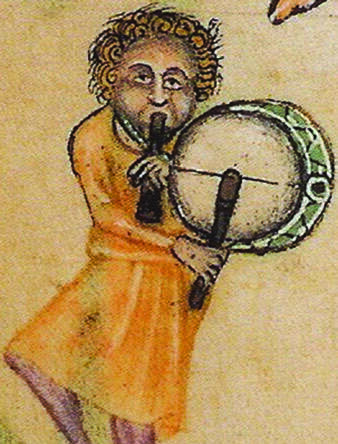
The earliest clear ancestor was the medieval tabor. This small, often double-headed drum was played with one hand while the other hand played a pipe. Tabor drums used strings or cords across the lower head to create a sharp, buzzing sound.
That buzzing effect is the key feature of the modern snare drum. The cords became known as snares. Over time, makers placed them against the bottom head rather than the top head. This created a brighter and more controlled tone.
The answer to who invented the snare drum is therefore a story of gradual invention. Medieval European drum makers created the basic idea, while Swiss and German military drummers helped shape its practical form.

The Medieval Roots of the Snare Drum
The snare drum’s history begins with simple rope-tension drums used in Europe during the Middle Ages. These drums were useful outdoors because they could produce a strong sound that carried over long distances.
The tabor was especially important. It was smaller than many modern marching drums and often had two heads. A player could strike it with a short stick while playing a three-hole pipe with the other hand.
Some early tabors used a single gut string across the bottom head. This string vibrated when the head moved. The result was a rough, lively rattle that helped the drum stand out in a crowd.
Historical artwork and surviving instruments show that snared drums existed in Europe long before the modern drum set. However, records rarely identify one maker as the inventor. This lack of evidence is why historians avoid naming one person as the sole creator.
What Were Early Drum Snares Made From?
Early snares were usually made from gut. Gut means animal intestine that had been cleaned, stretched, and dried. It was also used for violin strings, tennis strings, and other musical parts.
These early snares were not always arranged in the neat, adjustable pattern seen on modern drums. Some drums had one string. Others had several cords tied across the head.
The sound was less uniform than today’s snare tone. Still, the basic idea was already present: a vibrating cord touches a drumhead and adds a sharp buzz.
How Swiss Military Drums Shaped the Modern Snare
Swiss military drumming played a major role in the development of the snare drum. By the 15th and 16th centuries, Swiss mercenaries were known for using large drums to organize troops and signal commands.
These drums were often called tabor drums or field drums. They had strong shells, two heads, and snares stretched across the bottom head. Their sound was loud, crisp, and easy to hear across a battlefield.
Swiss drumming traditions also influenced marching styles in other parts of Europe. As armies adopted similar instruments, the drum became more standardized.
This period helps answer who invented the snare drum in a practical sense. No single Swiss drummer created the whole instrument, but Swiss military musicians helped turn an old buzzing drum into a more recognizable snare drum.
Why Did Military Drums Need Snares?
Military drums needed to be heard in noisy places. A snare adds high-pitched overtones that help the drum cut through wind, shouting, horses, and other instruments.
The snare also creates a fast, busy sound. This made it useful for signals, marching patterns, and rhythmic commands.
A plain bass drum gives a deep pulse. A snare drum adds detail and urgency. Together, the two instruments could guide a large group of soldiers.

The Development of the Rope-Tension Field Drum
During the 17th and 18th centuries, military drums became more refined. Makers improved shell construction, head materials, and rope tension.
The drum’s snares also changed. Instead of one rough cord, makers began using several gut wires. These wires produced a more even buzz and gave drummers greater control.
Many field drums remained large and deep compared with modern snare drums. They were designed for outdoor use, so volume mattered more than compact size.
Drummers also developed more complex techniques. Military signals became more detailed, and rhythmic patterns demanded better control of the stick and drumhead.
When people ask who invented the snare drum, they sometimes expect the name of a famous modern drum maker. In reality, the instrument was already centuries old before commercial drum companies began producing it.
The Move From Rope to Metal Tension
Rope tension worked well, but it had limits. Rope could stretch when wet, and tuning was slow. Metal tension rods later made it easier to adjust the pressure on the drumheads.
This change improved consistency. A drummer could tune the drum for a marching band, orchestra, or indoor performance with greater accuracy.
Metal parts also allowed builders to make smaller and more compact drums. That helped the snare drum move from the battlefield into concert halls and popular music.

When Did the Snare Drum Enter the Orchestra?
The snare drum entered European concert music as composers became more interested in military and folk sounds. Its sharp tone could suggest marching troops, storms, danger, or excitement.
Composers in the 18th and 19th centuries used military-style drums in theatrical and orchestral works. The instrument gained an even stronger place in the orchestra during the 19th century.
By then, drum makers were improving the snare mechanism. Players needed a way to turn the snares on and off quickly. This led to early throw-off systems and more dependable wire arrangements.
The orchestral snare drum became smaller and more controlled than some older field drums. Its tone needed to blend with strings, brass, and woodwinds rather than simply project across an open field.
This change shows another part of who invented the snare drum. Military musicians created much of its identity, but composers, orchestras, and builders shaped its modern musical role.
The Impact of Drum Notation
As the snare drum entered formal music, composers began writing clearer parts for it. Notation helped standardize rolls, accents, flams, drags, and other techniques.
Military drummers had already developed many of these ideas through oral tradition. Written music helped preserve and spread them.
Today, a snare drum part may include soft rolls, strong backbeats, ghost notes, or precise rhythmic figures. These sounds all grew from the instrument’s long development.

Did One Company Invent the Modern Snare Drum?
No. Several drum companies helped improve the modern snare drum, but none can honestly claim to have invented the entire instrument.
Manufacturers in Europe and the United States developed important features such as:
• Metal shells and stronger wood shells
• Adjustable metal snares
• Better throw-off mechanisms
• Separate snare-side heads
• Standardized hoops and tension rods
• More accurate tuning systems
Companies such as Ludwig, Leedy, Slingerland, Gretsch, and Rogers later became important in American drum history. Their products influenced marching bands, jazz, concert music, rock, and studio recording.
Some individual patents covered parts of the drum. A patent may describe a new strainer, shell design, or tension system. It does not prove that the person invented the snare drum itself.
This distinction matters when researching who invented the snare drum. An inventor may have created one major improvement without creating the whole instrument.
Why Patent Claims Can Cause Confusion
Modern advertisements sometimes use words such as “first,” “original,” or “invented.” These claims may refer to a particular design rather than the entire snare drum.
A careful historical answer should separate three questions:
-
Who created the first snared drum?
-
Who developed the military field drum?
-
Who improved the commercial modern snare drum?
Different people and cultures contributed to each stage. That is why a single-name answer is usually inaccurate.

How the Snare Drum Became Part of the Drum Set
The modern drum set developed in the United States during the late 19th and early 20th centuries. Before that time, marching bands and theater groups often needed several percussion players.