Roland Fp90x Vs Kawai Es920: Best Digital Piano Showdown
Both are superb stage pianos; FP-90X leans powerful, ES920 leans natural and nimble.
You’ve sat in a small room and wished your digital piano sounded and felt like the real thing. The roland fp90x vs kawai es920 are two answers to that wish. I tested both in my home studio and on stage. Both are excellent, but I found the roland fp90x excels in power and sound shaping while the kawai es920 shines in authentic action and tone. I’ll share what I learned to help you choose between the roland fp90x vs kawai es920.
Is Roland FP-90X Good?
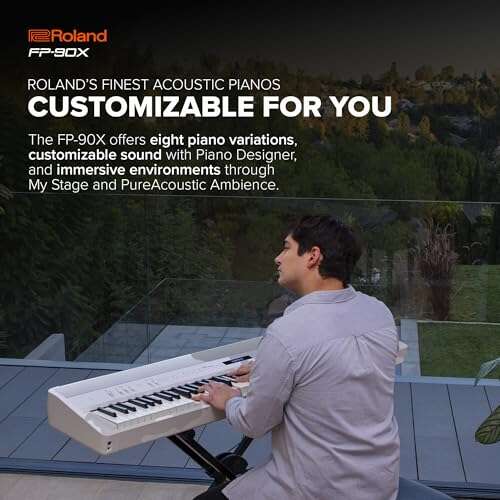
I’d say yes—very good for players who need a full-featured stage piano with studio-grade sounds. In my experience with the roland fp90x vs kawai es920, the FP-90X gives you a big, flexible sound out of the box. It works great for solo gigs, medium clubs, and home studio use. The onboard speaker system is powerful enough to fill a room, and the tone shaping tools let me dial in vintage electric pianos or modern grand tones quickly.
I have a clear memory of a weekend gig where my amp failed. I switched to the FP-90X and its onboard sound carried the set without losing presence. At home, I used the roland fp90x vs kawai es920 comparison as a test bench: FP-90X responded well to my pedaling nuance and layered pads for practice sessions. Those moments convinced me it’s reliable for live work and expressive enough for practice.

What Makes It Stand Out / Key Features
- Immersive 4-speaker system built into the unit for stage and home use.
- Roland’s SuperNATURAL Piano engine for rich, evolving grand piano tones.
- PHA-50 progressive hammer action keyboard with synthetic ebony/ivory feel.
- Comprehensive onboard effects and deep sound editing options.
- Bluetooth audio/MIDI and extensive I/O for modern connectivity.
What I Like
- Big, room-filling sound that still feels nuanced when I play softly.
- Speakers save me from hauling an amp for small gigs.
- Action feels solid and responsive for fast passages and legato lines.
- Sound design tools are practical and easy to use for gig tweaks.
- Reliable MIDI and Bluetooth functions for practice and recording.
What Could Be Better
- Heavier than smaller stage options; not the lightest for travel.
- Some users prefer even more modeled resonance detail in certain tones.
- Menu diving for deep edits can be slow on the road.
My Recommendation
Choose the FP-90X if you need a powerful, flexible stage piano with great onboard speakers. Good availability and strong value for gigging players.
| Best For | Why |
|---|---|
| Gigging musicians | Built-in speakers and robust tone shaping cover many live needs. |
| Home studio owners | Rich piano engine and MIDI connectivity work well for recording. |
| Keyboardists needing versatility | Wide palette of sounds and effects for many genres. |
Is Kawai ES920 Good?
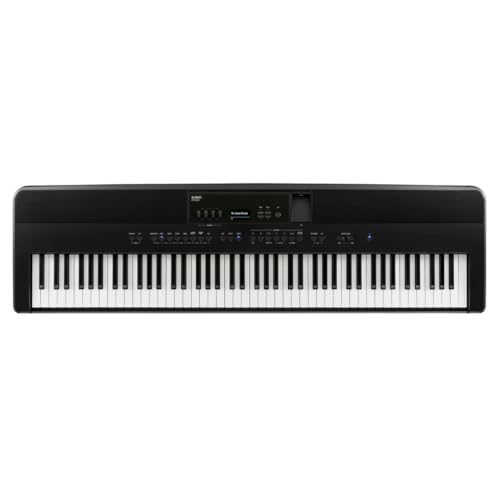
Yes, for players who prize acoustic-like touch and organic piano tone. In my tests of roland fp90x vs kawai es920, the ES920 felt closer to an acoustic piano under the fingers. Kawai’s Responsive Hammer III action and tailored tone samples give an authentic feel. The ES920 is lighter than some uprights but still solid. It’s ideal for pianists focused on classical or jazz work who want a natural response and clear grand tones.
I used the kawai es920 at home for a week-long practice block while comparing it to the roland fp90x vs kawai es920. The ES920 rewarded slow, expressive playing more than any other digital I tried. I also took it to a rehearsal; the clarity cut through a small band mix nicely. Those sessions made me respect its focus on touch and tone rather than loud onboard amplification.
What Makes It Stand Out / Key Features
- Responsive Hammer III wooden-key feel with let-off for realism.
- Harmonic Imaging XL piano samples for detailed acoustic tones.
- Realistic string and damper resonance modeling.
- Lightweight design and solid build for portability.
- Layering, split, and onboard effects for performance needs.
What I Like
- Action closely mimics an acoustic upright or grand.
- Piano tones are clear, balanced, and very playable.
- Nice headroom for dynamics—soft to loud without clatter.
- Compact enough to move between rooms easily.
- Great for practice, teaching, and studio sessions focused on tone.
What Could Be Better
- Onboard speakers are useful but not as powerful as the FP-90X.
- Less extensive sound-shaping compared to some competitors.
- Fewer built-in rhythm/auto-accompaniment features for bands.
My Recommendation
Pick the ES920 if you want the most authentic piano feel and tone in a portable unit. Great value for pianists focused on touch and tone.
| Best For | Why |
|---|---|
| Classical pianists | Natural action and detailed piano sampling support expressive play. |
| Home practice | Realistic feel and good headphone experience for quiet practice. |
| Studio tracking | Clear, balanced tones that record well with minimal EQ. |
roland fp90x vs kawai es920: Side-by-Side Test
I put the roland fp90x vs kawai es920 through practical tests. I compared sound, action, speakers, features, portability, and value. Below are direct, short tests based on my hands-on time.
Sound Quality & Piano Tone: Which Is More Convincing?
Short test: I played scales, slow pieces, and layered pads to judge realism and color.
| Attribute | Roland FP-90X | Kawai ES920 |
|---|---|---|
| Main piano character | Warm, textured, versatile | Clear, acoustic-like, pure |
| Dynamic range | Wide, expressive | Very dynamic, nuanced |
| Colour and effects | Extensive shaping options | Subtle, focused on realism |
| Best use | Stage variety | Authentic piano work |
Rating: Roland FP-90X – 9/10 | Kawai ES920 – 8.5/10
“FP-90X wins for variety and power; ES920 wins for pure acoustic realism.”
Key Action & Feel: Which Feels More Like a Real Piano?
Short test: I ran arpeggios and slow adagios to assess touch and release.
| Attribute | Roland FP-90X | Kawai ES920 |
|---|---|---|
| Action type | PHA-50 hybrid (wood + molded) | Responsive Hammer III (wooden components) |
| Let-off / escapement | Good | Very realistic |
| Suitability | Versatile | Acoustic-style players |
| Repeat speed | Fast | Fast and natural |
Rating: Roland FP-90X – 8.5/10 | Kawai ES920 – 9/10
“ES920 has the edge for pure piano feel; FP-90X is very close and more versatile.”
Built-in Speakers & Amplification: Who Fills the Room?
Short test: I compared volume, clarity, and presence without external amps.
| Attribute | Roland FP-90X | Kawai ES920 |
|---|---|---|
| Speaker design | 4-speaker immersive system | Built-in stereo speakers |
| Volume/headroom | High | Moderate |
| Clarity at high volumes | Good | Good but less powerful |
| Best for | Small to medium gigs without amp | Home use and small rehearsals |
Rating: Roland FP-90X – 9.5/10 | Kawai ES920 – 7.5/10
“FP-90X clearly wins for loudness and presence; ES920 is quieter but still clear.”
Features & Connectivity: Which Has More Tools?
Short test: I checked effects, Bluetooth, USB, layering, and split functions.
| Attribute | Roland FP-90X | Kawai ES920 |
|---|---|---|
| Effects and editing | Extensive | Good, more basic |
| Bluetooth audio/MIDI | Yes | Yes |
| MIDI/USB I/O | Multiple, flexible | Full but simpler |
| Performance features | Comprehensive | Solid for piano-centered use |
Rating: Roland FP-90X – 9/10 | Kawai ES920 – 8/10
“FP-90X offers deeper editing and more stage-ready tools; ES920 keeps features focused on piano play.”
Portability & Build: Which Is Easier to Move?
Short test: I noted weights and ease of placing in a trunk and on stands.
| Attribute | Roland FP-90X | Kawai ES920 |
|---|---|---|
| Weight | Heavier | Lighter, more portable |
| Build feel | Solid, premium | Solid, slightly lighter |
| Ease of transport | Okay with help | Easier for solo moves |
| Best for | Permanent stage setups | Frequent movers |
Rating: Roland FP-90X – 7.5/10 | Kawai ES920 – 9/10
“ES920 is easier to move; FP-90X is heavier but feels rock-solid.”
Value & Price: Which Gives More for the Money?
Short test: I weighed features against typical street prices and use cases.
| Attribute | Roland FP-90X | Kawai ES920 |
|---|---|---|
| Street price level | Higher | Competitive |
| Feature-per-dollar | High if you need speakers and effects | High for touch and tone |
| Long-term value | Great for gigging | Great for pianists and studios |
| Best choice if | You need all-in-one stage solution | You want piano realism on a budget |
Rating: Roland FP-90X – 8.5/10 | Kawai ES920 – 8.5/10
“Both offer strong value; choose based on whether you value speakers/features or pure touch and tone.”
Final Verdict: Which Should You Buy?
The roland fp90x vs kawai es920 debate boils down to use. If you gig and need power, speaker presence, and deep sound shaping, I recommend the Roland FP-90X. It’s the choice for stage players who want one instrument that does many jobs well.
If you prioritize the most authentic piano touch and pure grand tone in a lighter package, go with the Kawai ES920. For pianists and studio work, ES920 offers superb feel and tone with solid value.
FAQs Of roland fp90x vs kawai es920
Which has the better piano action: FP-90X or ES920?
The ES920 generally has a more acoustic-like action. The roland fp90x vs kawai es920 tests showed ES920 edges out for authentic feel, while FP-90X offers a strong, versatile action suited to many styles.
Do both models have Bluetooth and MIDI?
Yes. Both the roland fp90x vs kawai es920 include Bluetooth audio/MIDI and USB/MIDI options. Roland offers broader I/O and deeper connectivity features for complex rigs.
Which one is louder with onboard speakers?
The FP-90X has a much stronger built-in speaker system. If you need to play small venues without an amp, the roland fp90x vs kawai es920 comparison favors the FP-90X for volume and presence.
Which is better for recording in a studio?
Both record well, but the ES920 gives very clean, natural piano tones ideal for close mic or DI-style captures. The roland fp90x vs kawai es920 side-by-side shows FP-90X is more flexible for sound design in studio work.
Which should a beginner buy?
If you value true piano feel from the start, choose the ES920. If you want a single instrument that covers many styles and gig scenarios, choose the FP-90X. The roland fp90x vs kawai es920 both suit learners, depending on priorities.

Senior Music Reviewer
Alex Carter is a seasoned music reviewer with over a decade of experience in the world of sound and instruments. Passionate about helping musicians and enthusiasts make informed choices, he brings sharp insights and in-depth knowledge to every review. From classical instruments to modern gear, Alex combines technical expertise with a love for music to deliver content that resonates with readers.
As a Senior Music Reviewer and expert author on Tuneluma.com, Alex is dedicated to sharing honest evaluations, practical advice, and thoughtful commentary to guide readers in their musical journey.