Is A Piano A Percussion: The Surprising Truth Explained
Yes, a piano is a percussion instrument because hammers strike strings to create its sound.
The question “is a piano a percussion instrument?” seems simple, but the answer becomes clearer when you look at how a piano makes sound. Its keys, hammers, strings, and pedals work together, giving the piano a unique place in both the percussion and string instrument families.

Is a Piano a Percussion Instrument?
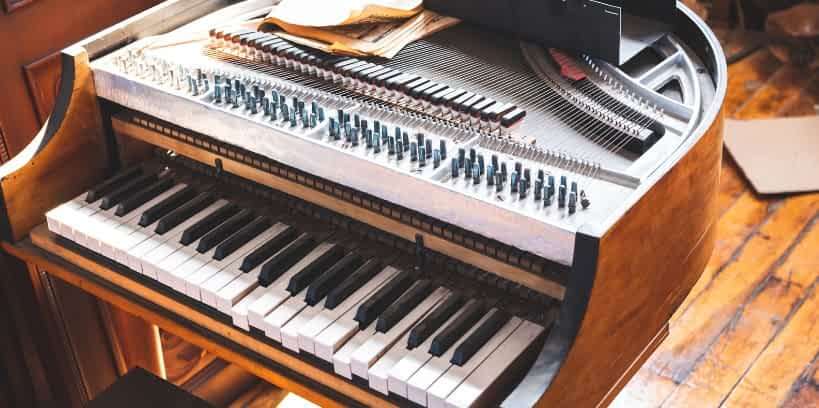
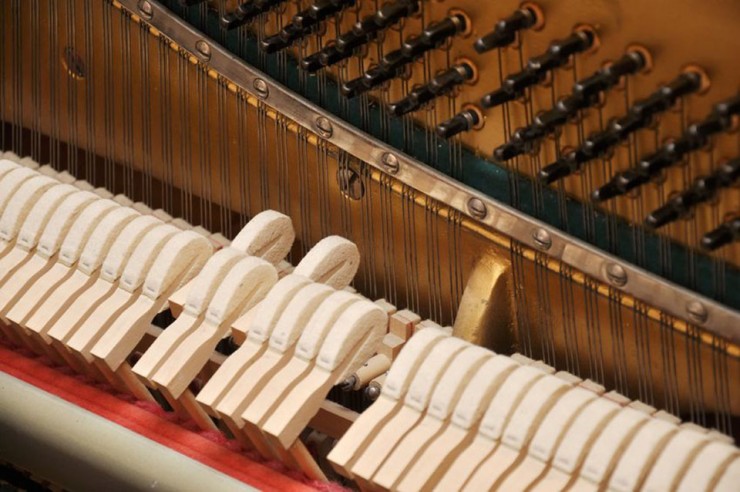
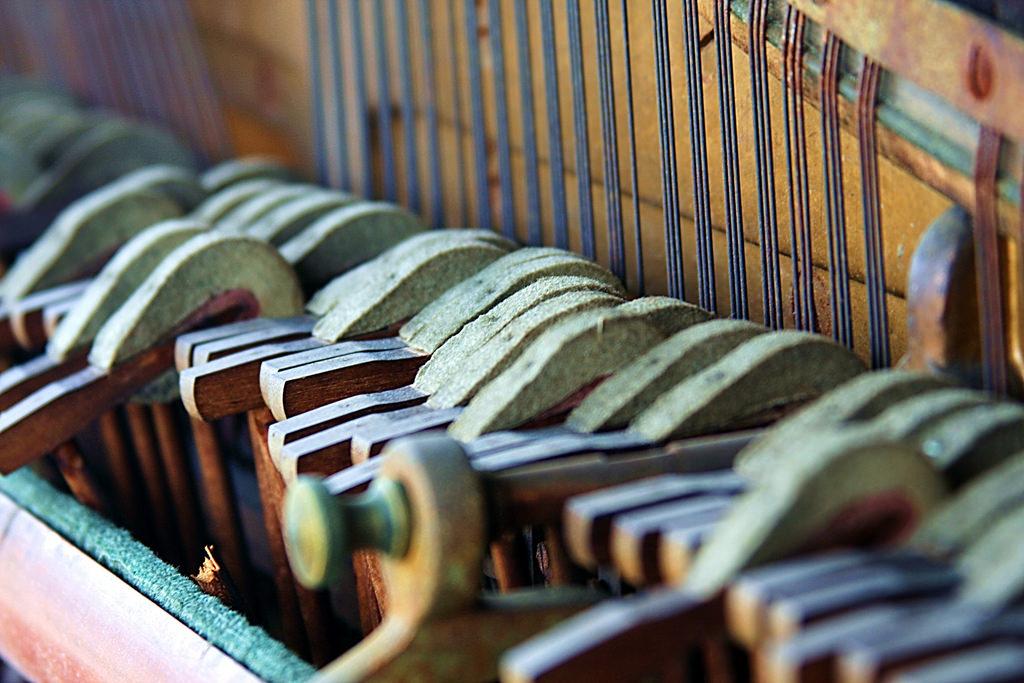
Yes, a piano is classified as a percussion instrument. When you press a key, a small felt-covered hammer moves inside the case and strikes a stretched string. That impact makes the string vibrate, and the piano’s soundboard makes the vibration louder.
This action is the key reason a piano belongs to the percussion family. Percussion instruments create sound when an object is struck, shaken, scraped, or hit. A piano uses a controlled striking action, much like a xylophone or marimba.
At the same time, a piano has strings. This can make its classification seem confusing. The strings produce the pitch, but the hammers set those strings in motion. In musical classification, the way an instrument produces sound matters most.
So, is a piano a percussion instrument or a string instrument? The most accurate answer is that it is a percussion instrument with strings.

Why Is a Piano Classified as Percussion?
The piano is classified by its sound-producing mechanism. Each key controls a hammer, and each hammer hits one or more strings. This is a physical impact, which is the defining feature of percussion instruments.
The piano’s design includes several parts that support this process:
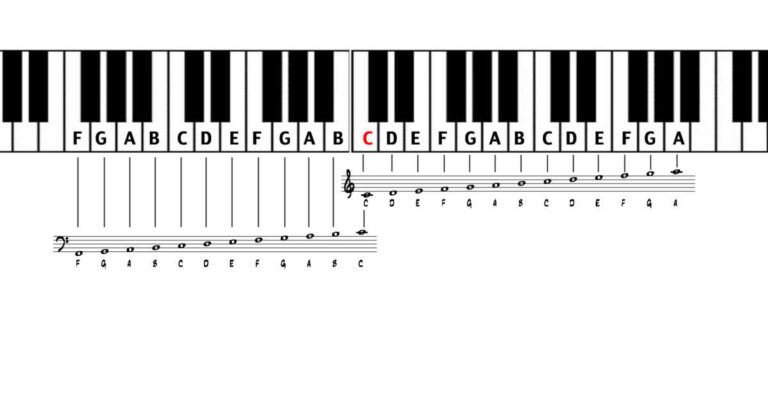
• Keys give the player control over each note.
• Levers transfer the movement of a key to the action inside the piano.
• Hammers strike the strings.
• Strings vibrate at specific pitches.
• The soundboard increases the volume.
• Dampers stop the strings from vibrating when the player releases a key.
The player does not touch the strings directly. Instead, the player controls a hammer through the keyboard. This makes the piano different from instruments such as the violin, where the player uses a bow or finger to create and control string vibration.
The piano’s classification also follows the widely used Hornbostel-Sachs system. Under this system, a piano is a chordophone because it has strings, but it is also commonly grouped with percussion instruments in orchestras and music education because hammers strike the strings.
This shows why instrument families can overlap. Musical categories are useful, but they are not always separate boxes.
How Does a Piano Produce Sound?
A piano produces sound through a carefully timed chain of motion. Pressing a key begins the process, but the key itself does not make the sound.
Here is what happens:
-
You press a piano key.
-
The key moves a system of levers.
-
The lever throws a felt-covered hammer toward a string.
-
The hammer strikes the string and quickly moves away.
-
The string vibrates at a certain frequency.
-
The bridge transfers that vibration to the soundboard.
-
The soundboard moves air and creates the sound you hear.
-
The damper controls how long the note lasts.
The hammer must move away from the string after striking it. This allows the string to vibrate freely. If the hammer stayed in contact with the string, the sound would be weak and dull.
The strength of the key press also affects the sound. A gentle press creates a soft note, while a firm press sends the hammer into the string with more force. This is why the piano is often called a dynamic instrument.
A piano can also produce different tones through its pedals. The sustain pedal lifts the dampers, allowing strings to keep ringing. The soft pedal changes the action or shifts the hammers on many pianos, creating a quieter or softer tone.
Is a Piano a String Instrument Too?
A piano can also be described as a string instrument because strings create its pitches. This description is not wrong. It simply highlights a different part of the instrument.
String instruments usually make sound through vibrating strings. In a guitar, the player plucks the strings. In a violin, the player moves a bow across them. In a piano, a hammer strikes them.
This leads to an important distinction:
• The strings determine the pitch.
• The hammers create the initial vibration.
• The soundboard projects the sound.
• The keyboard controls the player’s timing and expression.
So, is a piano a percussion instrument or a string instrument? It depends on which classification system you use. In an orchestra, the piano is often placed near percussion instruments. In organology, the academic study of musical instruments, it may be described as a struck string instrument or a chordophone.
The best everyday answer is simple: a piano is a percussion instrument because its hammers strike strings. It is also a string-based instrument because those strings produce the notes.

How Is a Piano Different From Other Percussion Instruments?
A piano is different from drums, cymbals, and tambourines because it produces clear musical pitches across a wide range. Many percussion instruments create rhythm or color, while the piano can create melody, harmony, bass, and rhythm at the same time.
For example, a snare drum uses a stretched membrane. A cymbal uses vibrating metal. A xylophone uses wooden bars. A piano uses strings that are struck by felt hammers.
The piano also gives the player unusual control over each note. A drummer usually strikes a surface directly with a stick or hand. A pianist presses a key and controls the hammer indirectly through a complex mechanism.
Here are some major differences:
• Drums often have an unclear or changing pitch.
• Xylophones use tuned bars.
• Cymbals create a broad wash of sound.
• Pianos use tuned strings and a soundboard.
• Most percussion instruments are played by striking them directly.
• A piano is played from a keyboard that controls the striking action.
The piano is therefore a hybrid in practical terms. It behaves like a percussion instrument, uses strings like a string instrument, and functions like a keyboard instrument.
The Piano’s Place in the Orchestra
In a traditional orchestra, the piano is not always present. When it is included, its position may vary based on the music and the conductor’s setup.
The main orchestral families are:
• Strings, including violins, violas, cellos, and double basses
• Woodwinds, including flutes, oboes, clarinets, and bassoons
• Brass, including trumpets, trombones, French horns, and tubas
• Percussion, including timpani, drums, cymbals, and mallet instruments
A piano is often grouped with percussion because its sound begins with a strike. It may sit near the percussion section in some performance settings, but this is not a fixed rule.
In jazz, chamber music, musical theater, and solo concerts, the piano has a much broader role. It may provide chords, bass lines, melodies, rhythmic patterns, or a full musical foundation.
This flexible role helps explain why people debate the question, “is a piano a percussion instrument?” The piano does not sound like a drum, but its internal action clearly belongs to the world of striking instruments.
Does the Way You Play Change the Piano’s Classification?
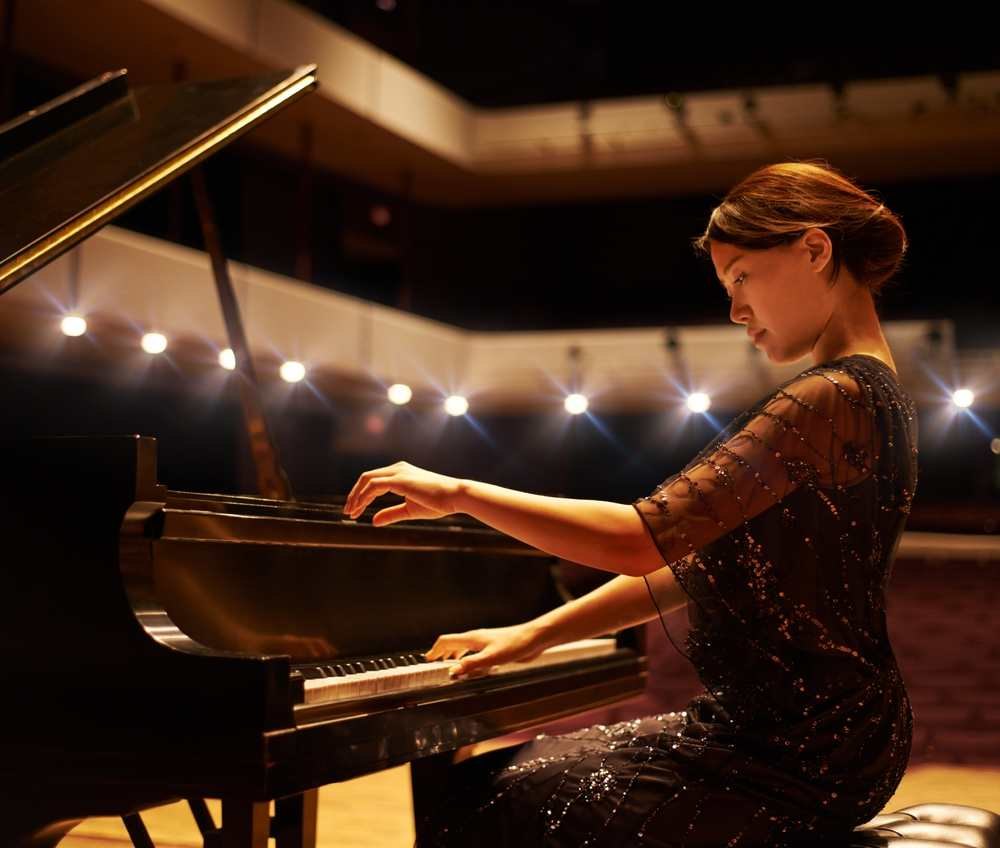
No. The playing style does not change the piano’s basic classification. Whether you play classical music, jazz, pop, blues, or boogie-woogie, the hammers still strike the strings.
However, playing style changes the sound and musical function of the instrument. A jazz pianist may use sharp attacks and complex chords. A classical player may shape long phrases with careful control of touch. A pop pianist may focus on steady rhythm and repeated patterns.
The piano can imitate other instruments, too. A player can create bell-like notes, drum-like rhythms, or warm singing lines. These sounds may suggest other instrument families, but the piano’s physical mechanism remains the same.
One lesson I often share with new players is this: listen for the attack of each note. The first instant of the sound reveals the piano’s percussion nature. The ringing tone that follows reveals the work of the strings and soundboard.
What Are the Benefits of Understanding the Piano’s Percussion Mechanism?
Knowing that a piano is a percussion instrument can improve the way you play. It helps you understand why touch, timing, and note attack matter so much.
A pianist can apply this idea in several practical ways:
• Use a lighter touch for a softer hammer strike.
• Use a firm but relaxed touch for a strong attack.
• Avoid hitting the keys with stiff fingers.
• Practice even rhythm with a metronome.
• Listen to the first part of every note.
• Use the sustain pedal with care.
• Let your wrists and arms stay flexible.
The piano responds to motion. A tense hand can create harsh sounds, while a controlled hand can produce clear and rich tones. The goal is not to hit the keys hard. The goal is to control the hammer with balance.
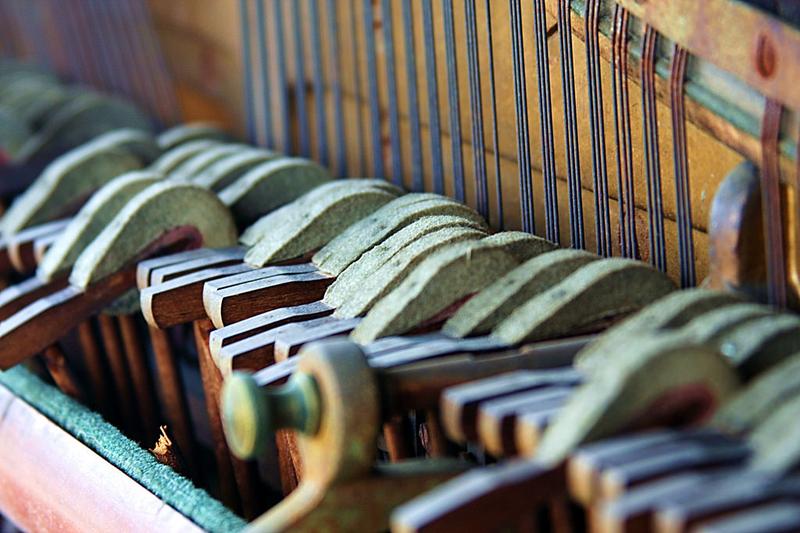
This understanding also helps with maintenance. Hammers become worn over time and may develop grooves where they strike the strings. A piano technician can reshape or voice the hammers to restore a more even tone.
Common Misunderstandings About Piano Classification
One common mistake is to assume that every instrument with strings belongs only to the string family. This is not how instrument classification always works.
Another mistake is to think that a piano is not percussion because the player does not strike it with a hand or stick. The keyboard hides the striking action, but the hammers still perform it inside the instrument.
Some people also believe that the piano belongs only to the keyboard family. “Keyboard instrument” describes how the player controls the notes. It does not fully explain how the piano makes sound.
A clearer way to think about it is:
• Keyboard describes the playing interface.
• Percussion describes the hammer action.
• Strings describe the vibrating sound source.
• Chordophone describes the instrument’s string-based structure.
These descriptions can all be accurate at the same time. They answer different questions about the same instrument.
Is a Piano a Percussion Instrument in Music Education?
Yes, most music education programs explain that a piano uses percussion to produce sound. Teachers often use the piano as an example of a struck string instrument.
This explanation is useful for beginners because it connects the piano to familiar instruments. If a student understands that a xylophone makes sound when a mallet strikes a bar, the student can understand that a piano hammer strikes a string.
Music teachers may still introduce the piano as a keyboard instrument first. That approach makes sense because students interact with the keys. Later, teachers can explain the action inside the case.
When I explain this concept, I compare the piano to a tiny orchestra hidden inside a wooden cabinet. The keyboard gives the instructions, the hammers deliver the impact, and the strings and soundboard turn that impact into music.
Frequently Asked Questions About Is a Piano a Percussion Instrument
Is a piano officially a percussion instrument?
Yes, a piano is widely treated as a percussion instrument because hammers strike its strings. It is also a chordophone and a keyboard instrument, so more than one classification can describe it accurately.
Why is a piano not placed with the string instruments?
In many musical settings, instruments are grouped by how they are played or how they produce sound. Because piano strings are struck by hammers, the piano is often associated with percussion rather than bowed or plucked string instruments.
Are piano keys percussion instruments?
The keys are not the part that directly creates the sound. They control a mechanism that moves the hammers, which strike the strings and produce the piano’s sound.
Is a grand piano a percussion instrument?
Yes, a grand piano is a percussion instrument for the same reason as an upright piano. Its hammers strike strings, although its larger case and soundboard can produce a different tone and greater projection.
Is an electric piano a percussion instrument?
It depends on the type. A traditional electric piano uses physical objects that strike or pluck parts to create electrical signals, while a digital piano usually uses sensors and recorded or synthesized sounds rather than hammers striking strings.
Do piano players count as percussionists?
Pianists are generally called keyboard players or pianists, not percussionists. Still, they use a percussion-based sound mechanism when they play an acoustic piano.
Conclusion
A piano is a percussion instrument because felt-covered hammers strike strings when you press the keys. Its strings create the pitch, its soundboard amplifies the vibration, and its keyboard gives the player control.
The piano can also be described as a chordophone, a string-based instrument, and a keyboard instrument. These labels are not contradictions. They describe different parts of the piano’s design and musical role.
The next time someone asks, “is a piano a percussion instrument?” you can give a clear answer: yes, it is a struck-string percussion instrument with a keyboard. Listen closely to the attack of each note, explore how touch changes the sound, and keep learning through trusted piano and music resources.

Senior Music Reviewer
Alex Carter is a seasoned music reviewer with over a decade of experience in the world of sound and instruments. Passionate about helping musicians and enthusiasts make informed choices, he brings sharp insights and in-depth knowledge to every review. From classical instruments to modern gear, Alex combines technical expertise with a love for music to deliver content that resonates with readers.
As a Senior Music Reviewer and expert author on Tuneluma.com, Alex is dedicated to sharing honest evaluations, practical advice, and thoughtful commentary to guide readers in their musical journey.