Where Can I Buy A Good Violin: Best Places To Shop
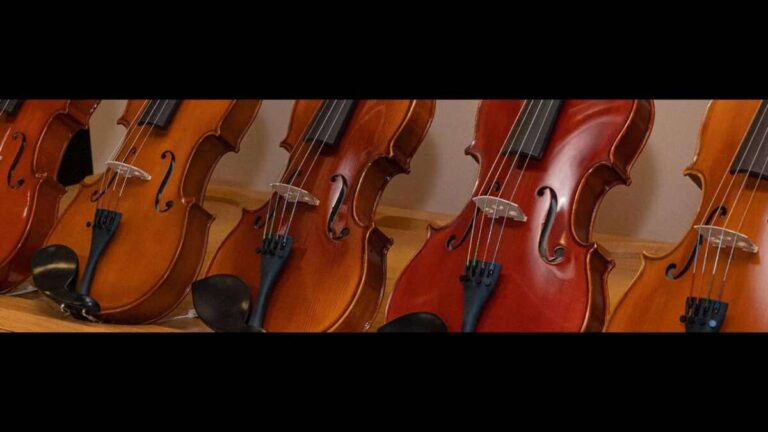
The best place to buy a good violin is a trusted local violin shop with setup and trial support.
Knowing where can i buy a good violin can save you money, time, and frustration. A violin is not just a wooden box with strings. Its sound, comfort, build quality, and setup all affect how easily you learn and how much you enjoy playing. This guide explains the best places to shop, what to check, how much to spend, and which warning signs to avoid.
Where Can I Buy a Good Violin?
The best answer depends on your skill level, budget, and access to local stores. For most players, a reputable violin shop is the safest choice because you can test several instruments and receive professional setup help.
You can also buy from established online violin dealers, respected independent makers, or a trusted private seller. Each option has benefits, but the seller should offer clear return terms, accurate details, and service after the sale.
The strongest buying options include:
• A local violin shop for personal testing and expert advice
• A respected online stringed-instrument dealer for wider selection
• A professional luthier for a handmade or carefully restored violin
• A school or orchestra sale for limited budget options
• A reputable private seller with proof of the violin’s history and condition
Avoid buying an expensive violin from an unknown marketplace seller unless a qualified violin teacher or luthier can inspect it first. A low price may hide cracks, poor repairs, warped parts, or weak sound.

Why a Violin Shop Is Usually the Best Choice
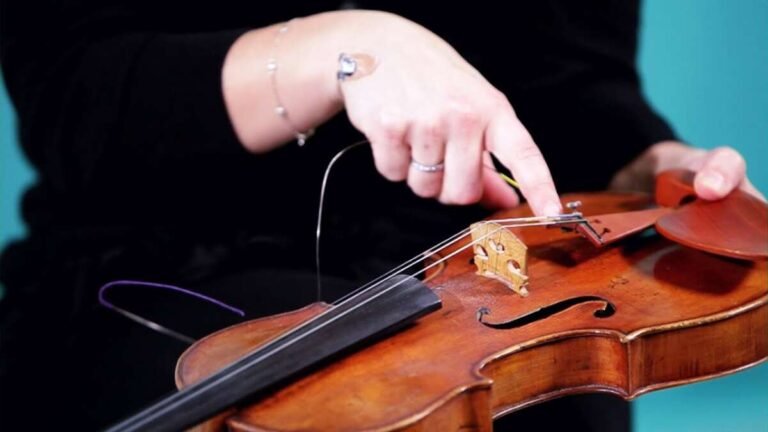
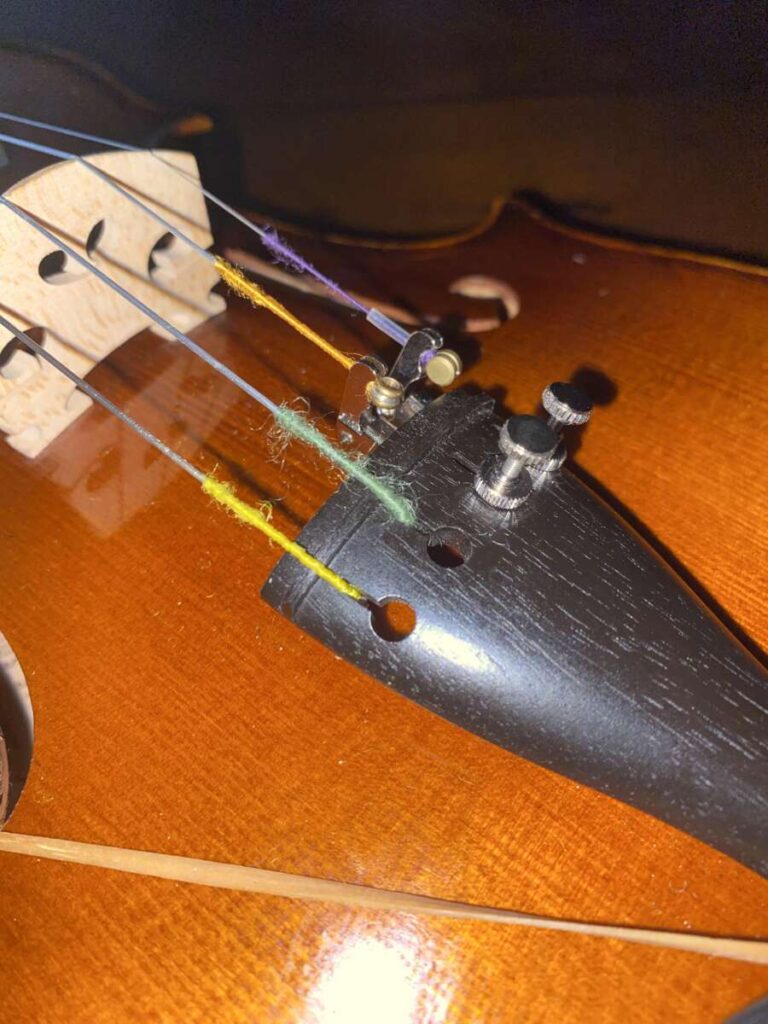
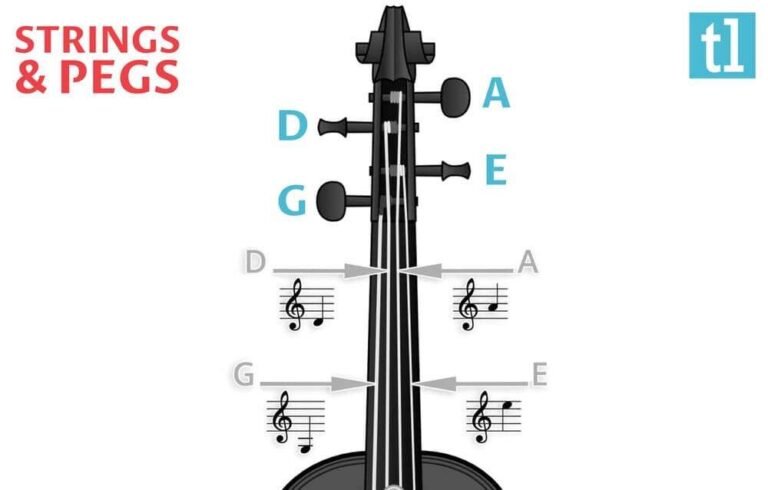
A good violin shop does more than sell instruments. It checks the violin’s bridge, soundpost, fingerboard, pegs, strings, tailpiece, and overall setup. These details can make a major difference in tone and playability.
Many beginner violins sound poor because they are badly adjusted, not because the basic wood is always defective. A professional setup may include:
• Fitting the bridge correctly
• Adjusting the soundpost
• Shaping or smoothing the fingerboard
• Checking peg movement
• Replacing poor strings
• Inspecting the bow and tightening system
A shop may also let you take several violins home for a trial period. This is valuable because an instrument can sound different in a quiet store, a lesson room, and a larger performance space.
One common mistake is choosing the violin with the brightest sound in the shop. Bright tone can feel impressive at first, but a balanced violin may be easier to control over time. Listen for clear low notes, smooth high notes, and a tone that remains pleasant when you play softly.

Buying a Violin Online
Buying online can work well if you choose a specialist dealer. Many established dealers offer inspection, setup, insurance, and return periods. Some also send several instruments so you can compare them at home.
Before ordering, check these details:
• The full return period and any return shipping cost
• Whether the violin arrives professionally set up
• The instrument’s size, age, and condition
• The type and brand of strings included
• The seller’s repair and adjustment policy
• Customer reviews from real musicians
• Whether the violin includes a bow and case
be careful with product pages that use vague phrases such as “professional quality” or “concert sound.” These terms do not have one fixed industry meaning. Ask for clear photos, a sound sample, and details about the maker, materials, repairs, and setup.
When deciding where can i buy a good violin online, favor a dealer that allows returns without making the process difficult. You should not feel pressured to keep an instrument that does not suit your hands or ears.

How Much Does a Good Violin Cost?
A good violin does not need to be extremely expensive. However, very cheap instruments often need more repairs and may make learning harder.
Typical US price ranges include:
• $150 to $400 for basic student outfits
• $400 to $1,000 for stronger beginner and intermediate outfits
• $1,000 to $3,000 for advanced student instruments
• $3,000 and above for professional, handmade, or older instruments
These are broad estimates. Brand, maker, condition, age, materials, setup, and demand all affect price.
Remember to budget for more than the violin. A complete setup may cost extra. You may also need a reliable bow, case, rosin, shoulder rest, spare strings, and insurance. A cheap violin with a poor bow can be harder to play than a slightly more expensive outfit with a balanced bow.
If your budget is limited, consider renting first. A quality rental lets you learn your size, playing style, and sound preference before making a large purchase. Many shops apply part of the rental cost toward a future violin.

What to Look for in a Good Violin
A good violin should feel comfortable, respond easily, and produce a balanced sound. It does not need to look perfect, especially if it is older. Small marks may be harmless, while hidden structural problems can be costly.
Check the following points:
The body
Look for clean workmanship, even edges, and well-fitted seams. Small open seams can often be repaired, but major cracks may affect value and stability.
The neck and fingerboard
The neck should feel straight and comfortable. The fingerboard should have the correct curve and should not feel rough or excessively worn.
The bridge
The bridge should stand upright and fit the violin properly. A leaning, badly cut, or very thick bridge can reduce sound quality and make fingering less comfortable.
The pegs
Pegs should turn smoothly and hold their position. If they slip or feel stuck, the violin may need adjustment.
The soundpost
The soundpost is a small wooden support inside the violin. It helps transfer vibration between the top and back. It should not be loose or visibly out of place.
The sound
Play each string with open bows and simple scales. Listen for:
• Clear notes
• Even volume across all strings
• Quick response
• No buzzing
• No harsh or nasal sound
• A comfortable tone at both soft and loud levels
A violin is personal. The “best” instrument is the one that helps you produce a sound you enjoy with reasonable effort.
Should You Buy a New or Used Violin?
Both new and used violins can be excellent choices. A new violin may offer a clear purchase history and fresh parts. A used violin may have a more mature sound and better value, but its condition must be checked carefully.
New violins are often a good fit for:
• Beginners who want predictable condition
• Parents buying a first outfit
• Players who need a warranty
• Musicians who prefer modern construction
Used violins can suit:
• Intermediate players seeking better tone
• Buyers with help from a teacher or luthier
• Players who value older instruments
• Musicians who want to compare many tonal styles
Older does not automatically mean better. Some old violins have serious repairs, replaced parts, or low-quality construction. Likewise, some modern violins are carefully made and sound excellent.
A qualified luthier can inspect the violin for cracks, repairs, wood damage, neck angle, and signs of alteration. That inspection is often worth the fee when you are considering a costly instrument.

Violin Brands and Makers Worth Considering
Brand names can help you start your search, but they should not make the final decision for you. Sound and setup vary between individual instruments, even within the same model.
For beginners, commonly available brands may include models from:
• Yamaha
• Eastman
• Scott Cao
• Franz Hoffmann
• Cecilio, with careful model selection
• Knilling
Availability and quality can vary by model and seller. A violin teacher or shop technician can help you compare specific instruments rather than relying only on the label.
For advanced players, look at individual makers and workshops. Ask about the maker’s training, materials, varnish, warranty, and adjustment service. A violin made by a respected luthier may offer excellent response and tone, but it may also require a larger budget.
Do not assume that a famous name guarantees a good purchase. The instrument’s condition, authenticity, setup, and sound matter more than a dramatic story in the listing.

The Importance of the Bow and Case
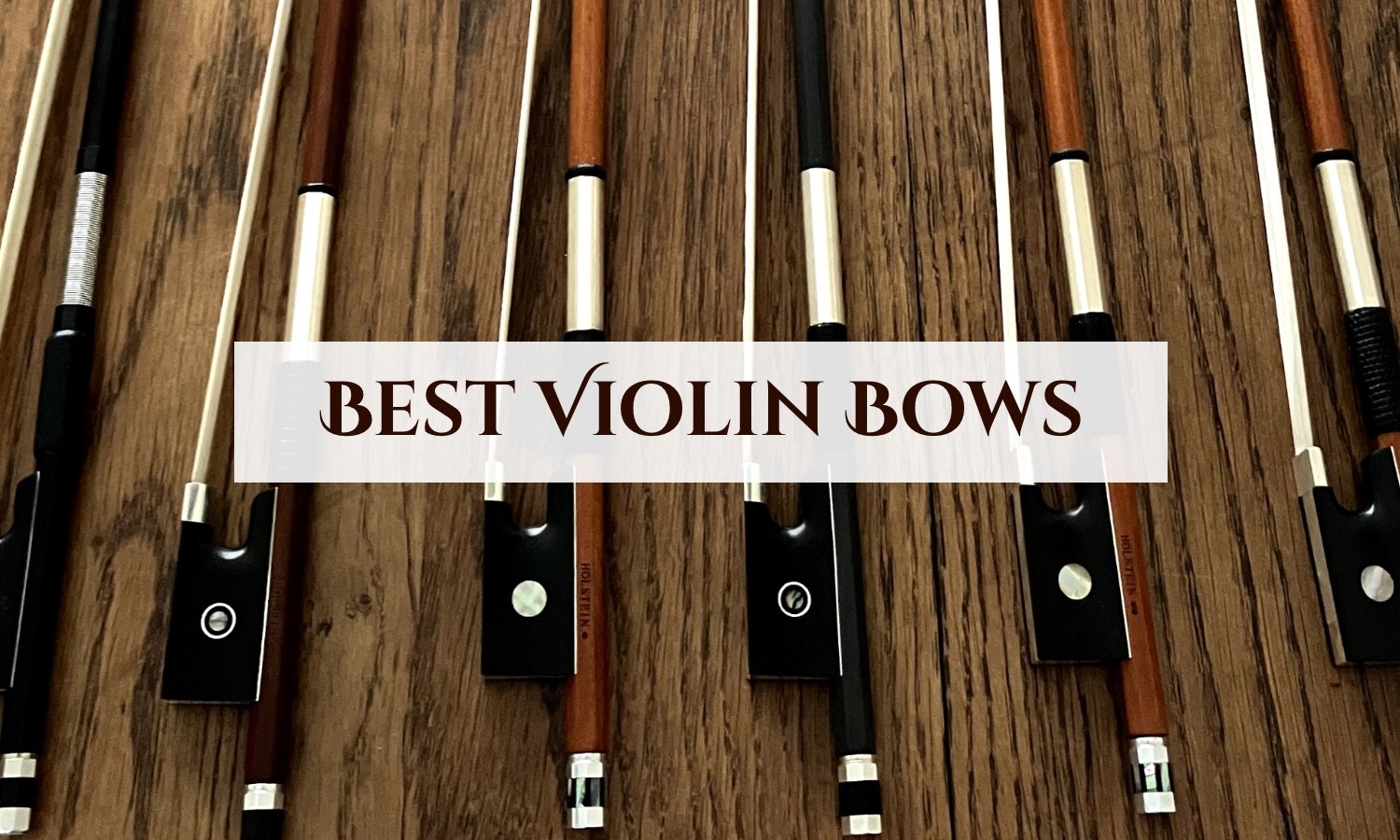
Many buyers focus only on the violin and forget the bow. That is a mistake. The bow controls articulation, volume, rhythm, and much of your tone.
A good beginner bow should feel balanced and should not require excessive pressure. Check that the hair is in good condition, the stick is straight, and the frog moves smoothly. A damaged or badly balanced bow can slow your progress.
The case should protect the violin from impact, moisture, and sudden temperature changes. Look for:
• Firm suspension around the violin
• Secure straps or fasteners
• Space for the bow
• A strong handle
• A pocket for rosin and accessories
• Protection from rain and light impact
Avoid leaving a violin in a hot car, near a radiator, or in direct sunlight. Wood responds to changes in temperature and humidity. Sudden changes can cause open seams, cracks, or setup problems.

How to Test a Violin Before Buying
If you are new to the violin, bring a teacher or experienced player. A beginner may not yet know whether a difficult sound comes from the instrument or from technique.
Use this simple testing process:
-
Play each open string slowly.
-
Test the same scale on several violins.
-
Play both soft and loud notes.
-
Try low and high positions if you can.
-
Ask someone else to play while you listen from several feet away.
-
Check whether the instrument feels comfortable under your chin and shoulder.
-
Compare the violin again after a short break.
Do not rush. Ear fatigue can make every instrument sound similar after a while. Take notes about tone, response, comfort, and price.
A useful test is to play a simple piece you know well. Familiar music makes it easier to notice whether the violin responds quickly and supports your sound.
When people ask where can i buy a good violin, I often stress the trial process more than the store name. A careful trial can reveal more than a polished advertisement.

Common Mistakes to Avoid
Buying a violin can feel exciting, especially when a seller describes it as rare or professional. Keep your judgment clear and look for evidence.
Avoid these mistakes:
• Buying only because the violin has a low price
• Choosing a violin without checking its return policy
• Assuming an old violin is automatically valuable
• Ignoring the bow and case
• Skipping a professional setup
• Buying the wrong size for a child
• Trusting stock photos instead of current photos
• Paying for repairs without a written estimate
• Letting a salesperson rush your decision
• Choosing a very loud violin without considering tone quality
Parents should be especially careful with sizing. Children may need a fractional violin, such as one-half, three-quarter, or one-quarter size. A teacher or shop should measure the player rather than guessing from age alone.
A violin should feel challenging in a healthy way, not painful or impossible to control. Hand pain, shoulder tension, and constant slipping pegs are signs that the instrument or setup may not be right.
Renting, Financing, and Trade-In Programs
Renting is often the smartest choice for a young student whose size may change. Many music shops offer rent-to-own plans, but read the agreement closely.
Check whether the plan includes:
• Maintenance
• Insurance
• Repairs
• Size exchanges
• Credit toward a purchase
• A clear cancellation policy
Financing may help spread out the cost, but compare the total amount paid, not just the monthly payment. Interest and fees can make a modest violin much more expensive.
A trade-in program can be useful when a student advances. Ask whether the shop gives full purchase credit, partial credit, or only credit toward selected instruments. Get the policy in writing before buying.
These programs can reduce financial pressure, but they should not push you into buying beyond your needs. A well-set-up student violin is often enough for the first several years of study.
How to Find a Trusted Violin Seller
Search for a seller with clear policies and real expertise. A trustworthy shop will answer questions without making unrealistic promises.
Look for:
• A physical business address
• Skilled repair or setup services
• A written return policy
• Transparent pricing
• Honest condition reports
• Trial options
• Reviews from local teachers and musicians
• Secure shipping and insurance
Professional organizations and local music teachers can also help you find respected luthiers and dealers. A teacher may know which shops serve students well and which instruments fit your level.
Ask direct questions before you buy:
-
Who performed the setup?
-
What repairs has the violin had?
-
Are there open seams or cracks?
-
What strings are installed?
-
Can I return or exchange it?
-
Is the bow included, and what condition is it in?
-
Can a luthier inspect it before the return period ends?
A seller who avoids simple questions is not the right person to handle your money.
A Simple Buying Plan for Beginners
If this is your first purchase, use a clear plan instead of shopping by emotion.
-
Set a total budget for the violin, bow, case, and accessories.
-
Ask your teacher which size and level you need.
-
Visit one local violin shop if possible.
-
Test at least three instruments.
-
Compare the bows as carefully as the violins.
-
Ask about setup, warranty, repairs, and returns.
-
Take notes and sleep on the decision.
-
Have a teacher or luthier inspect the final choice.
This process may take a few days, but it can prevent months of frustration. The right violin should make practice feel more inviting, like opening a door instead of pushing against a wall.
If you still wonder where can i buy a good violin, begin with a local shop that supports trial periods and professional setup. Then compare its options with one or two respected online dealers.
Frequently Asked Questions About Where Can I Buy a Good Violin
Where can I buy a good violin for a beginner?
A reputable local violin shop is usually the best place because you can test instruments and receive setup advice. A trusted online specialist is also suitable if it offers clear photos, professional setup, and a fair return policy.
Is it safe to buy a violin from Amazon or eBay?
It can be safe when the seller has strong reviews, accurate descriptions, and a reliable return policy. Avoid listings with unclear photos, exaggerated claims, or no information about setup and condition.
How much should I spend on my first violin?
Many beginners can find a useful outfit between $400 and $1,000, though rental may be better for young students. Your budget should include the bow, case, strings, rosin, and possible setup work.
Is a handmade violin better than a factory-made violin?
Not always. A well-made factory violin with professional setup can outperform a poorly made handmade instrument, so judge the sound, response, condition, and workmanship.
Should I buy a new or used violin?
Either can be a good choice. Used violins may offer strong value, but a teacher or luthier should inspect them for cracks, repairs, and setup problems before you pay.
Can a violin teacher help me choose an instrument?
Yes. A teacher can compare tone, comfort, response, and size with greater skill than most beginners. Their advice can also help you avoid poor-quality instruments and unnecessary repairs.
Conclusion
The best answer to where can i buy a good violin is usually a trusted violin shop that offers professional setup, trial time, and honest support. Online dealers, luthiers, rental programs, and carefully checked used instruments can also work well.
Focus on sound, comfort, condition, bow quality, and return terms rather than price or flashy claims. Test several instruments, bring an experienced player when possible, and choose the violin that makes you want to practice. Explore local shops and reputable dealers, then share your experience or questions with other players as you continue your musical journey.

Senior Music Reviewer
Alex Carter is a seasoned music reviewer with over a decade of experience in the world of sound and instruments. Passionate about helping musicians and enthusiasts make informed choices, he brings sharp insights and in-depth knowledge to every review. From classical instruments to modern gear, Alex combines technical expertise with a love for music to deliver content that resonates with readers.
As a Senior Music Reviewer and expert author on Tuneluma.com, Alex is dedicated to sharing honest evaluations, practical advice, and thoughtful commentary to guide readers in their musical journey.