How Much Are Guitar Picks: Price Guide For Every Player
In the United States, guitar picks usually cost about $0.25 to $2 each, depending on the material, thickness, shape, and brand. Most players pay $4 to $12 for a pack of 12. Bulk packs can cost less than $0.25 per pick, while handmade, collectible, or premium picks can cost $5 or more each.
For a beginner in the U.S., a pack of medium picks in several thicknesses is often the best value. It lets you test different feels without spending much.

Typical Guitar Pick Prices in the United States
The most common guitar picks are inexpensive. A basic plastic pick often costs less than one dollar when bought in a multi-pack.
| Type of guitar pick | Typical U.S. price | Common use |
|---|---|---|
| Basic single pick | $0.25–$1.00 | Trying a new size or thickness |
| Standard 12-pack | $4–$10 | Everyday playing |
| Premium 12-pack | $8–$20 | Better materials or special designs |
| Bulk pack of 50–100 | $10–$30 | Players who lose picks often |
| Custom printed picks | $15–$40 per order | Bands, gifts, and promotions |
| Handmade or specialty pick | $5–$50 or more each | Collecting or a distinct feel |
| Metal, stone, wood, or exotic-material pick | $3–$30 each | Specialty playing and collecting |
These figures are general U.S. retail ranges. Sales, shipping, taxes, brand, and material can change the final price.
A cheap pick is not automatically poor. Many professional players use standard nylon, celluloid, Delrin, or similar picks. Price often reflects the material, finish, artwork, packaging, or labor more than a large change in sound.

How Much Does a Pack of Guitar Picks Cost?
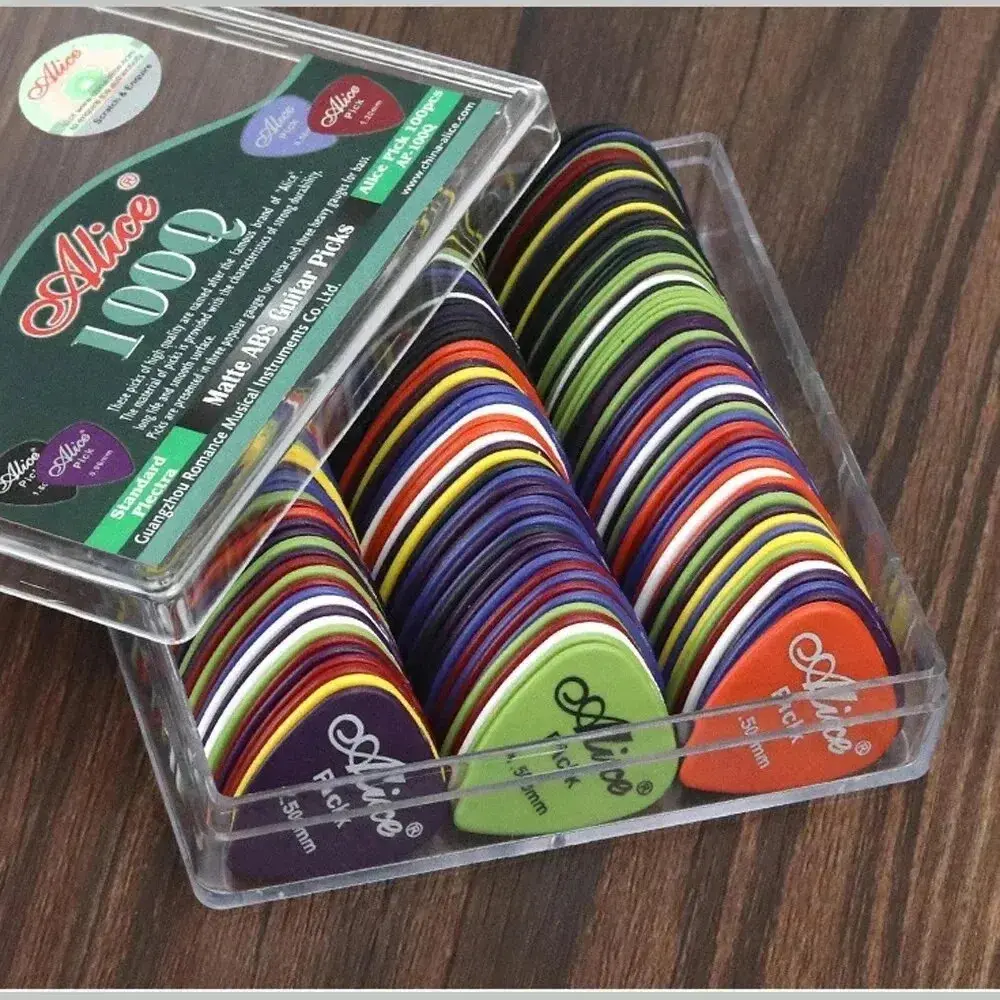
A normal pack of guitar picks costs about $4 to $12 in the U.S. A 12-pack is the most common size, but packs may contain three, six, 12, 24, 50, or 100 picks.
Here is how the cost usually works:
- Small sample packs: About $3 to $8
- Standard 12-packs: About $4 to $10
- Large variety packs: About $8 to $20
- Bulk packs: About $10 to $30
- Custom packs: Often $15 to $40 or more
A 12-pack priced at $6 costs:
$6 ÷ 12 = $0.50 per pick
A 100-pack priced at $15 costs:
$15 ÷ 100 = $0.15 per pick
The larger pack has the lower unit price. Still, buying in bulk only saves money if you like the pick. A large pack of the wrong thickness can become a drawer full of picks you do not use.
For most new players, a mixed pack is safer than a large pack of one type. Once you know your preferred pick, a bulk pack can reduce the long-term cost.

What Makes Some Guitar Picks More Expensive?
The main price factors are material, thickness, shape, finish, production method, and brand.
Material
Common pick materials include:
- Nylon
- Celluloid
- Delrin or acetal
- Polycarbonate
- Ultem-style plastics
- Acrylic
- Metal
- Wood
- Stone
- Horn or other specialty materials
Nylon picks are often flexible and have a softer feel. Celluloid picks are common and may have a bright attack. Stiffer engineered plastics can cost more because they offer a different grip, edge, or wear pattern.
Specialty materials cost more because they may be harder to shape or finish. A stone or handmade wood pick takes more work than a mass-produced plastic pick.
Thickness
Thickness does not always change the price, but thicker picks may be sold in specialty lines.
Common thickness ranges include:
- Thin: About 0.38 to 0.60 mm
- Medium: About 0.60 to 0.90 mm
- Heavy: About 0.90 to 1.20 mm
- Extra heavy: About 1.20 mm and above
Thin picks bend more easily. Heavy picks feel more firm and may give you more control for single-note playing. Many electric guitar players like medium or heavy picks, while some acoustic players prefer thin or medium picks for strumming.
Shape and edge
Standard picks are often shaped like rounded triangles. Jazz-style picks are smaller and may have a sharper tip. Triangle picks offer several usable corners and can last longer before replacement.
A polished or beveled edge may raise the price. The edge can affect how smoothly the pick moves across the strings. This is a feel choice, not a guarantee of better playing.
Brand and design
A branded pick may cost more because of licensing, packaging, artwork, or manufacturing costs. Signature picks linked to a known guitarist may also carry a higher price.
That does not mean the signature model will suit your hand. The best test is how it feels during your own playing.

What Should a Beginner Spend on Guitar Picks?
A beginner usually needs to spend $5 to $10 for a useful starter set.
Look for a variety pack with:
- Thin, medium, and heavy options
- At least two common shapes
- Several picks made from standard plastic
- Enough picks to compare grip and tone
You do not need a $20 specialty pick to begin. A basic variety pack can answer the most useful questions:
- Do you prefer a flexible or firm pick?
- Do you like a small or standard shape?
- Does a smooth or textured surface feel better?
- Do you use a rounded or pointed tip?
Try each pick for a few minutes while playing both chords and single notes. A pick that feels good for strumming may feel awkward for lead lines.
A simple beginner budget
| Item | Estimated cost |
|---|---|
| Variety pack | $5–$10 |
| Pick holder or small case | $3–$10 |
| Extra favorite picks | $3–$8 |
| Estimated total | $8–$28 |
A pick holder is optional. Many players keep spare picks in a guitar case, wallet, gig bag, or small container.

Are Expensive Guitar Picks Worth It?
Expensive guitar picks can be worth the cost when you already know what you want. They are usually not the best first purchase.
A premium pick may offer:
- A more consistent shape
- A smoother or beveled edge
- A stronger grip
- Less flex
- A different attack on the strings
- Better resistance to wear
- A material that feels more comfortable
The sound difference may be subtle. Your technique, strings, amplifier, guitar, and playing style can affect the result more than the pick price.
Consider a premium pick after testing affordable options. If you like a certain thickness and shape, paying $3 to $10 for one specialty pick may make sense. If you are still unsure, buy a mixed pack instead.
When a premium pick may make sense
A more costly pick may suit you if:
- Standard picks slip from your fingers.
- You want a very stiff pick for precise picking.
- You prefer a special bevel or tip.
- You play often and notice edge wear.
- You want a handmade gift or collectible.
When it may not be worth it
A premium pick may not be useful if:
- You lose picks often.
- You are still learning basic grip and picking.
- You have not compared common thicknesses.
- You expect price alone to improve your playing.
- You need picks for casual strumming.

How Much Do Custom Guitar Picks Cost?
Custom guitar picks usually cost about $15 to $40 per order for small quantities. Larger orders may lower the price per pick.
The final cost depends on:
- Number of picks
- Pick shape and thickness
- One-sided or two-sided printing
- Number of colors
- Artwork setup
- Packaging
- Shipping
- Production time
For example, a 100-pick custom order costing $25 works out to:
$25 ÷ 100 = $0.25 per pick
Custom picks can work well for bands, music teachers, wedding favors, and business promotions. They may not be economical if you only want one or two picks for personal use.
Before ordering, check the seller’s artwork rules. Some services charge an extra setup fee or require a specific file type. Printed designs can also wear down with regular playing, especially if the pick rubs against strings and finishes.

How Much Do Guitar Picks Cost at a Music Store?
At a U.S. music store, single picks may cost around $0.50 to $2, while packs often cost $4 to $15.
Buying in person can cost slightly more than a large online order. However, a local store lets you:
- Compare shapes and thickness labels
- Feel textured surfaces
- Ask about common options
- Avoid shipping charges
- Buy one pick before committing to a pack
Online stores often offer a wider range. They may also have lower unit prices for bulk packs. Add shipping and sales tax before comparing the total cost.
A $6 online pack is not always cheaper than a $7 local pack if shipping adds $5. Compare the final checkout price, not only the listed price.

How Long Does a Guitar Pick Last?
A guitar pick may last from a few playing sessions to several months. The lifespan depends on the material, string type, playing force, and how often you play.
Replace a pick when you notice:
- A chipped or sharp edge
- A deep groove from the strings
- A misshapen tip
- Cracks
- A rough edge that catches on the strings
- Reduced control while picking
A damaged pick can feel uneven and may make clean picking harder. It can also catch the strings in a way that feels unpleasant.
Soft picks may wear faster during forceful playing. Very hard picks may last longer, but they can still chip if dropped or used with heavy attack. Keep a few spares nearby, especially for lessons, rehearsals, and performances.

How Many Guitar Picks Should You Buy?
For a new player, start with 10 to 20 picks in several thicknesses. This gives you enough choices without creating waste.
A practical buying plan is:
- Buy a mixed pack of 12.
- Test each thickness and shape.
- Keep notes on which picks feel best.
- Buy a larger pack of your preferred type.
- Store spare picks in more than one place.
If you lose picks often, a 50- or 100-pack may be cheaper over time. If you rarely lose them, a small pack is enough.
Some players keep one pick near the guitar, one in a case, and one in a wallet or gig bag. This simple habit can prevent a missing pick from stopping a practice session.

Best Guitar Pick Thickness for Different Playing Styles
There is no single correct thickness. Your choice should match the feel and control you want.
| Playing style | Often-used thickness | Why |
|---|---|---|
| Light acoustic strumming | Thin to medium | Easier flex and softer attack |
| General rhythm guitar | Medium | Balanced flex and control |
| Rock rhythm | Medium to heavy | Stronger attack and less bending |
| Lead guitar | Heavy or extra heavy | Precise response |
| Fast alternate picking | Heavy | Stable tip and consistent movement |
| Bass guitar | Medium to heavy | Firm attack and durability |
These are starting points, not rules. A player can use a thin pick for lead guitar or a heavy pick for acoustic music.
Your strings also matter. Heavy strings and forceful playing can make a thin pick bend more than you want. Lighter strings and gentle strumming may feel better with a flexible pick.
Common Mistakes When Buying Guitar Picks
The most common mistake is buying a large pack before testing the pick.
Other mistakes include:
- Choosing by color instead of thickness
- Assuming a higher price means better sound
- Ignoring grip and surface texture
- Buying only one pick
- Forgetting to compare the unit price
- Confusing pick thickness with pick size
- Buying a sharp tip when you prefer smooth strumming
Color often identifies a thickness within one brand, but colors are not universal. A red pick from one company may not match the thickness of a red pick from another.
Check the printed millimeter measurement when available. A label such as “0.73 mm” gives more useful information than “medium” alone.

Key Takeaways
- Most guitar picks in the United States cost $0.25 to $2 each.
- A standard 12-pack usually costs $4 to $12.
- Bulk packs can reduce the cost to less than $0.25 per pick.
- Custom and handmade picks may cost $5 to $50 or more each.
- Beginners should start with a $5 to $10 variety pack.
- Test thickness, shape, grip, and tip before buying in bulk.
- Price does not guarantee better sound or better playing.
Frequently Asked Questions
How much is one guitar pick?
A single guitar pick usually costs about $0.25 to $2 in the U.S. Basic picks are often cheapest when bought in a multi-pack. Specialty materials, signature designs, and handmade picks can cost much more.
Are guitar picks sold individually?
Yes. Many music stores sell individual picks, often near the checkout counter. Online stores commonly sell packs because shipping one inexpensive pick is not cost-effective.
Are expensive guitar picks better?
Not always. Expensive picks may use different materials, have polished edges, or offer a stronger grip. Whether they are better depends on your hand, playing style, and preferred tone.
What is the cheapest way to buy guitar picks?
A bulk pack usually has the lowest cost per pick. Before buying one, test a smaller pack first. The cheapest pick is not a good value if you dislike its feel.
Do guitar picks make a difference in sound?
Yes, a pick can change attack, brightness, volume, and playing response. The effect depends on thickness, material, shape, edge, and how you hold it. The difference is often smaller than the effect of technique and equipment.
Can I use a coin instead of a guitar pick?
You can, but a coin is not designed for guitar strings. Its hard edge may feel rough, damage strings more quickly, or scratch the guitar’s finish if it slips. A proper guitar pick is safer and more comfortable for regular playing.
Conclusion
For most players in the United States, guitar picks are a low-cost accessory. Plan on $4 to $12 for a standard pack or about $0.25 to $2 for one pick. Start with a small variety pack, find the thickness and shape that feel natural, and then buy that style in bulk if you want the lowest long-term cost.
The best next step is simple: buy several common picks, play chords and single notes with each one, and keep the pick that gives you the most control.

Senior Music Reviewer
Alex Carter is a seasoned music reviewer with over a decade of experience in the world of sound and instruments. Passionate about helping musicians and enthusiasts make informed choices, he brings sharp insights and in-depth knowledge to every review. From classical instruments to modern gear, Alex combines technical expertise with a love for music to deliver content that resonates with readers.
As a Senior Music Reviewer and expert author on Tuneluma.com, Alex is dedicated to sharing honest evaluations, practical advice, and thoughtful commentary to guide readers in their musical journey.