What Type Of Violin Should I Buy: Find Your Perfect Match
For most beginners, buy a properly sized, setup acoustic violin in a reliable student outfit from a specialist shop.
Choosing what type of violin should I buy depends on your age, playing level, budget, goals, and comfort. After helping new players compare instruments, I’ve found that a good setup matters more than a famous label. This guide will help you avoid common buying mistakes and choose a violin that feels easy to play and supports steady progress.
Start With Your Playing Level
Your skill level is the best starting point when deciding what type of violin should I buy. A beginner needs a responsive instrument that stays in tune and does not fight every note. An advanced player may want a violin with more color, power, and control.
Most buyers fit into one of these groups:
• Beginner: You are starting from zero or returning after many years.
• Early student: You can read basic music and play simple songs.
• Intermediate player: You use shifting, vibrato, and more complex bow strokes.
• Advanced player: You perform, audition, or need a wider range of tone.
A beginner violin does not need to be expensive. However, it should be made well and adjusted by someone who understands violin setup. A poor bridge, rough fingerboard, or badly fitted soundpost can make a low-cost violin feel almost impossible to play.
In my experience, many students blame themselves when the real problem is the instrument. A well-set-up student violin can make clean notes feel natural. A badly set-up violin can make even an experienced player work too hard.

Choose the Right Violin Size
Size is one of the most important parts of deciding what type of violin should I buy. Adults and most teenagers usually need a full-size 4/4 violin. Children often need smaller sizes based on arm length, hand reach, and physical comfort.
Common violin sizes include:
• 4/4: Full size, usually for older teenagers and adults
• 3/4: Often suitable for children around 9 to 11 years old


• 1/2: Often suitable for children around 7 to 9 years old
• 1/4: Often suitable for children around 5 to 7 years old
• 1/8, 1/10, and 1/16: Designed for very young children
These age ranges are only estimates. Children grow at different rates, so a teacher or violin specialist should check the fit. The player should be able to hold the violin without stretching the left arm too far or squeezing the neck.
A violin that is too large can cause tension in the shoulder, wrist, and fingers. A violin that is too small may feel cramped and limit progress. Never choose a larger size simply because you hope the child will grow into it.
A useful fitting check is simple. The player should hold the violin under the chin and reach around the scroll with the left hand. The fingers should wrap around the scroll with a relaxed arm. If the shoulder lifts or the elbow locks, the violin may not be the right size.

Decide Between an Acoustic and Electric Violin
When asking what type of violin should I buy, many shoppers wonder whether an acoustic or electric model is better. For most beginners, an acoustic violin is the better first choice because it teaches natural bow control, tone production, and listening skills.
An acoustic violin produces sound through its wooden body. The strings vibrate, and the bridge transfers that vibration to the top and back plates. This design helps players learn how pressure, speed, and bow position affect tone.
An electric violin uses a pickup to send the string signal to an amplifier or headphones. It can be useful for certain needs, but it does not feel exactly like an acoustic violin.
Choose an acoustic violin if you:
• Are taking traditional lessons
• Want to play classical, folk, bluegrass, or orchestral music
• Need to develop a natural violin tone
• Want the simplest setup


Choose an electric violin if you:
• Need to practice quietly with headphones
• Plan to play amplified music
• Enjoy rock, pop, or experimental styles
• Already understand basic violin technique
Some electric violins feel heavier or have different neck shapes. Their sound can also hide bowing problems because the amplified signal may add effects. For that reason, an electric model is usually not the best substitute for a first acoustic violin.

Understand Violin Materials and Construction
The materials used in a violin affect its sound, durability, and price. Understanding basic construction will help you make a smarter choice about what type of violin should I buy.
Traditional acoustic violins use spruce for the top and maple for the back, ribs, and neck. Ebony is commonly used for the fingerboard, pegs, and chinrest because it is hard and durable.
Look for these features:
• Solid spruce top: Usually offers better response than pressed or heavily laminated material
• Solid maple back and ribs: Common in quality acoustic violins
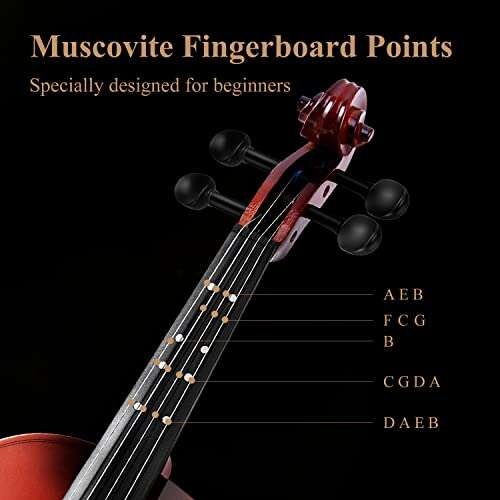
• Ebony fingerboard: Resists wear and supports accurate fingering
• Properly fitted pegs: Turn smoothly and hold tuning
• Clean purfling: Decorative inlay that also helps protect the violin edges


• Smooth varnish: Should not look excessively thick or plastic-like
Not every inexpensive violin needs to use premium wood. A student instrument can work well with some laminated parts, especially on the back and ribs. The most important issue is whether the violin is structurally sound and properly adjusted.
Avoid instruments with open seams, deep cracks, loose fittings, or a bridge that leans sharply. Small repairs may be normal in older violins, but major repairs can cost more than the instrument itself.
A shiny finish does not prove quality. Some poor violins look attractive because they use thick varnish. Sound, setup, and reliability matter more than appearance.

Compare Factory-Made, Workshop, and Handcrafted Violins
The construction method is another factor in what type of violin should I buy. Violins are often described as factory-made, workshop-made, or handcrafted. These labels can be useful, but they are not absolute measures of quality.
Factory-made violins are produced in larger numbers. They are often affordable and can be a practical choice for beginners. Quality can vary widely between factories, so the specific setup and inspection matter.
Workshop-made violins are built by a smaller team or under the supervision of a skilled maker. They may offer more consistent materials and better finishing than basic factory models.
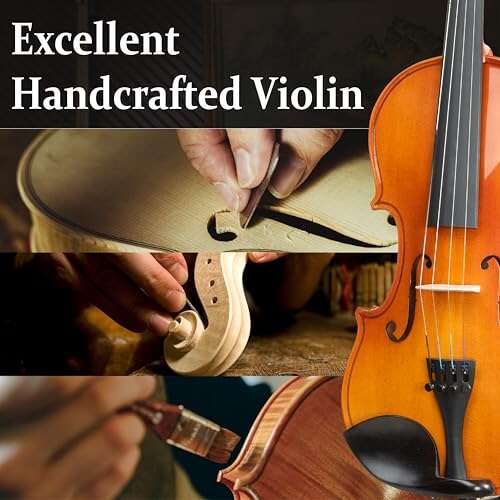
Handcrafted violins are made largely by one maker or a small shop. They often cost more because of the time, skill, and individual attention involved. A handmade violin is not automatically better for every player, though. Some advanced instruments may sound too powerful, bright, or demanding for a beginner.
For a first violin, focus on:
• Reliable tuning
• Comfortable string height
• A straight neck
• A well-cut bridge
• A clear, balanced tone


• Professional setup
A modest violin that meets these standards is often a better choice than a costly violin with poor adjustment.

Set a Realistic Budget
Budget plays a major role in what type of violin should I buy. You need to pay for more than the violin itself. A complete setup may include a bow, case, rosin, shoulder rest, extra strings, and a tuner.
A practical beginner budget may include:
• Entry-level outfit: Suitable for short-term exploration
• Better student outfit: More reliable for regular lessons
• Intermediate violin: Designed for improved tone and response
• Advanced violin: Built for performance and detailed sound control
Prices vary by region, materials, craftsmanship, and setup. Very cheap violins sold through general marketplaces can be risky because they may arrive with high string action, loose pegs, or an unusable bridge.
Renting can be a smart choice for children and uncertain beginners. Many music stores offer rent-to-own plans, which allow part of the rental cost to count toward a later purchase. This option also makes it easier to change sizes as a child grows.
Buying may make sense when:
• You know the player will continue
• You have tested the instrument
• The store offers adjustments and repairs
• The violin has a fair return policy
Do not spend your entire budget on the violin. A good bow can greatly affect tone and control, and a strong case protects the instrument from damage.

Why Professional Setup Matters
A professional setup may be the most overlooked answer to what type of violin should I buy. Setup means adjusting the instrument so it plays correctly and responds well.
A violin technician may check:
• Bridge shape and height
• String spacing
• Fingerboard smoothness
• Peg fit
• Soundpost position
• Tailpiece alignment
• String condition
• Nut height
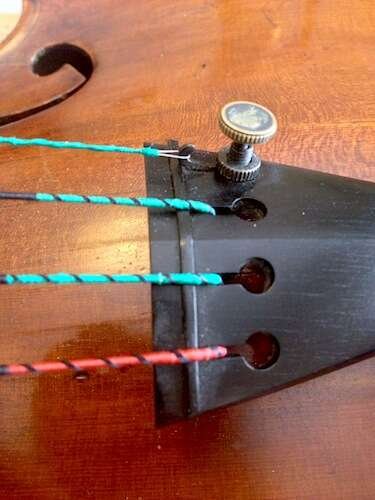
The bridge should stand upright and fit the top of the violin correctly. The strings should not sit so high that pressing them becomes painful. The pegs should turn smoothly but still hold their position.
A new violin may need minor adjustment after shipping or changes in humidity. Wood expands and contracts with moisture, so temperature and humidity can affect tuning and structure. Keep the violin away from radiators, hot cars, direct sunlight, and very dry rooms.
One lesson I often share with new players is this: do not judge a violin only by how it sounds straight out of the box. A trained technician can sometimes improve a decent instrument more than a higher price tag can.

Test the Violin Before You Buy
If possible, test several violins side by side. This is the best way to understand what type of violin should I buy for your own hands and ears.
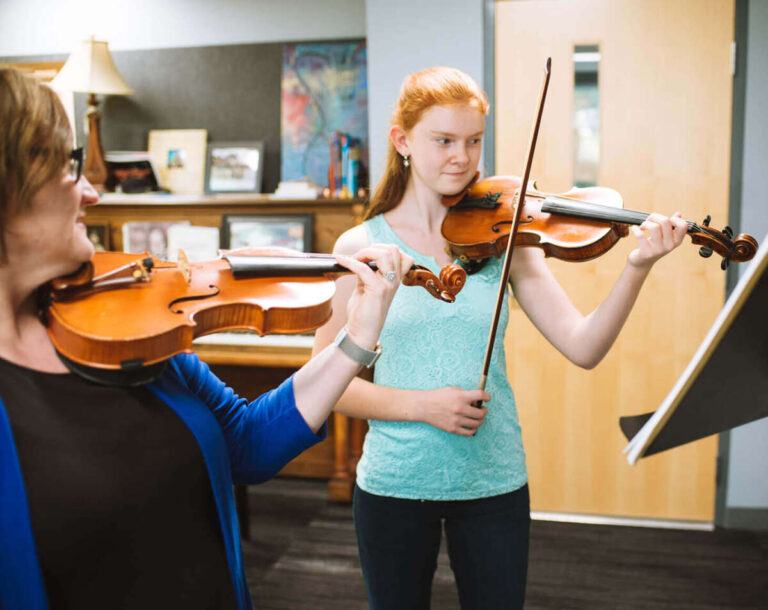
Ask a teacher, advanced player, or violin shop employee to play the instruments. Beginners often cannot yet produce a consistent sound, so another player can reveal differences in tone and response.
Test each violin for:
• Easy note production
• Comfortable string height
• Stable tuning
• Even tone across all four strings
• Smooth movement between strings
• Comfortable neck shape
• Clear sound without excessive harshness
Play open strings first. Then try simple scales and familiar songs. Listen for a tone that feels balanced rather than one that is only loud.
A bright violin may sound exciting at first but become tiring during long practice sessions. A very dark violin may feel warm but lack projection. The best choice depends on your style, room, teacher, and musical goals.
When comparing instruments, use the same bow, strings, and playing position when possible. This creates a fairer test. Also, avoid judging a violin after only a few seconds. Some instruments need time for your ear and hands to adjust.

Select a Suitable Bow and Case
A violin is part of a system. The bow and case also affect what type of violin should I buy and how well your purchase will work.
A beginner bow should feel balanced and respond easily. It does not need to be expensive, but it should have straight hair, a working frog, and a stick that is not badly warped. Carbon-fiber bows can offer good durability and consistency, while affordable pernambuco or other wood bows may provide a different feel.
A useful beginner case should have:
• Firm protection
• Secure instrument straps
• Space for the bow
• A shoulder rest compartment
• Weather protection
• Strong zippers or latches
A lightweight foam case may be convenient, but it may offer less protection from impact and temperature changes. A hard case is often safer for regular travel.
Do not use too much rosin. Excess rosin creates dust and can make the sound rough. Clean rosin dust from the strings and instrument with a soft, dry cloth after playing.

New Violin or Used Violin?
A used violin can be an excellent choice when considering what type of violin should I buy. Older instruments sometimes have a mature, attractive tone. However, age alone does not guarantee quality.
A used violin may have hidden problems such as:
• Repaired cracks
• Weak seams
• A warped neck
• Worn pegs
• A damaged fingerboard
• An incorrectly placed soundpost
• Excessive wear from poor storage
Buy used instruments from a reputable violin shop or experienced dealer whenever possible. Ask whether the violin has been inspected and whether the seller offers a trial period.
Be cautious with vague online listings that use phrases such as “professional antique violin” without clear measurements, condition details, or return terms. Photos may hide cracks and repairs.
A newer student violin may be safer than an old violin with uncertain history. For beginners, reliable condition and professional setup usually matter more than age.
Avoid Common Buying Mistakes
Many problems come from rushing the purchase. Knowing what type of violin should I buy is easier when you understand what to avoid.
Common mistakes include:
• Buying the cheapest violin without checking its setup
• Choosing a child’s violin by age alone
• Selecting a full-size violin that causes physical strain
• Buying an electric violin before learning basic technique
• Trusting appearance more than playability
• Spending the whole budget on the instrument
• Skipping a return policy
• Buying from a seller who cannot answer setup questions
• Assuming a high price always means high quality
Another common mistake is buying a violin that sounds impressive under the ear but does not project well across a room. Ask another player to test it from several feet away.
I have also seen beginners choose a violin with a very strong, bright tone because it sounds powerful in a small shop. After a few weeks, they find the sound tiring. A balanced tone is usually a safer choice for daily practice.
Match the Violin to Your Musical Goals
Your style of music should influence what type of violin should I buy. Different players value different sound qualities.
For classical music, look for a balanced tone, clear projection, and an even response across the strings. A violin should support soft playing as well as strong bow strokes.
For folk and bluegrass music, a responsive violin with a direct, lively sound may work well. Comfort and quick response can matter more than a complex tone.
For jazz, pop, and amplified music, an electric violin may be useful. An acoustic violin with a suitable pickup can also work, but professional advice helps prevent feedback and weak amplification.
For orchestra playing, blend is important. A violin that sounds huge under your ear may overwhelm a section. Your teacher or ensemble director can help you choose a sound that fits group playing.
If you are unsure, choose a versatile acoustic student violin. It will support lessons, home practice, ensembles, folk music, and many other styles.
A Simple Buying Process
Use this step-by-step process when deciding what type of violin should I buy.
-
Set your budget, including the bow, case, accessories, and setup.
-
Confirm the correct size with a teacher or violin specialist.
-
Decide whether you need an acoustic or electric instrument.
-
Visit a specialist shop or choose a seller with a clear return policy.
-
Test several violins with the same bow when possible.
-
Ask a teacher or experienced player to listen from a distance.
-
Check the bridge, pegs, fingerboard, strings, and body.
-
Ask whether the violin has received a professional setup.
-
Compare the full outfit, not only the violin price.
-
Keep all receipts and arrange a follow-up adjustment if needed.
Do not feel pressured to buy during your first visit. A trustworthy shop should welcome questions and allow enough time for comparison.
Frequently Asked Questions About What Type of Violin Should I Buy
What type of violin should a beginner buy?
A beginner should usually buy a properly set-up acoustic student violin in the correct size. Choose a reliable instrument from a specialist shop rather than focusing only on the lowest price.
Is a cheap violin good for beginners?
A low-cost violin can be suitable if it has a straight neck, usable pegs, a well-fitted bridge, and comfortable string height. Extremely cheap instruments may need repairs that cost more than the original purchase.
Should I buy or rent a violin?
Renting is often best for children who may need a larger size soon or for adults who are unsure about continuing. Buying can be better when you know you will play regularly and have tested the instrument.
Is a full-size violin right for every adult?
Most adults use a full-size 4/4 violin, but body size and hand comfort still matter. A teacher or specialist can check whether the neck, string length, and reach feel comfortable.
Should I buy an acoustic or electric violin?
An acoustic violin is usually the best first instrument because it teaches natural tone and bow control. Choose an electric violin when quiet practice, amplification, or modern performance is a main goal.
How much should I spend on my first violin?
Spend enough to get a reliable instrument, bow, case, and professional setup. The right amount varies by location, but a specialist shop can show you several quality levels within your budget.
Can I buy a violin online?
You can buy online, but choose a seller with clear measurements, setup details, customer support, and a return period. Buying from a specialist shop is often safer because you can test the instrument and request adjustments.
What should a good beginner violin sound like?
A good beginner violin should produce a clear, even tone without excessive harshness. It should respond easily when you use a relaxed bow and should not feel painful to play.
Conclusion
The best answer to what type of violin should I buy is usually a correctly sized, acoustic student violin with a professional setup and a fair return policy. Focus on comfort, reliable tuning, balanced tone, and playability before brand names or decorative details.
Test several instruments when you can, ask a teacher for help, and budget for a quality bow and protective case. The right violin will not do all the work for you, but it will make practice more rewarding and help you build strong habits.
Take your time, trust careful testing, and choose an instrument that makes you want to play one more song. Explore local violin shops, speak with a qualified teacher, and share your questions or buying experience in the comments.

Senior Music Reviewer
Alex Carter is a seasoned music reviewer with over a decade of experience in the world of sound and instruments. Passionate about helping musicians and enthusiasts make informed choices, he brings sharp insights and in-depth knowledge to every review. From classical instruments to modern gear, Alex combines technical expertise with a love for music to deliver content that resonates with readers.
As a Senior Music Reviewer and expert author on Tuneluma.com, Alex is dedicated to sharing honest evaluations, practical advice, and thoughtful commentary to guide readers in their musical journey.