A Good Violin For Beginners: Beginner Buying Guide
A good violin for beginners is comfortable, properly sized, easy to tune, and able to produce a clear sound.
Choosing a good violin for beginners is less about finding the most expensive instrument and more about finding one that supports steady progress. After seeing many new players struggle with poor setups, stiff bows, and wrong-size instruments, I know how much the right violin can shape a learner’s first year. This guide explains what to look for, which features matter, what to avoid, and how to buy with confidence.

What Makes a Good Violin for Beginners?
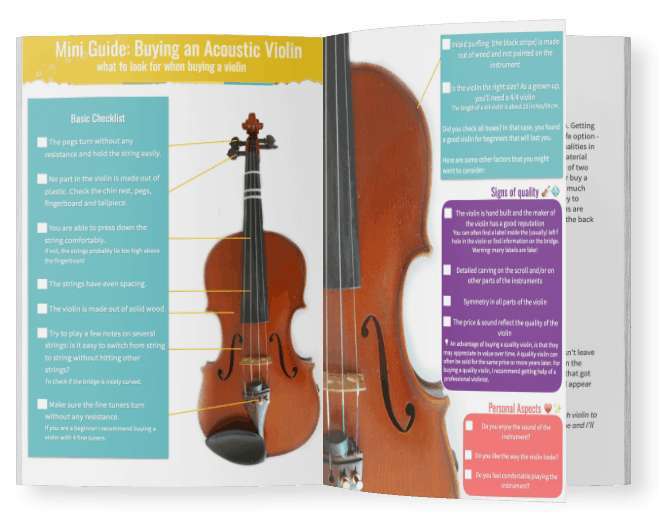
A good violin for beginners should make learning feel possible, not frustrating. It needs a comfortable neck, smooth tuning pegs, a well-shaped bridge, and strings that respond without excessive pressure.
A beginner violin does not need the rich tone of a professional concert instrument. However, it should produce a stable, pleasant sound when the player uses basic bow technique.
The best beginner violin usually has these qualities:
- Correct size for the player
- A properly fitted bridge
- Smooth, working tuning pegs
- Fine tuners that are easy to use
- A straight bow with good hair
- Comfortable strings
- A solid case with shoulder straps
- A reasonable setup from a qualified violin shop
A good violin for beginners also needs to stay in tune. If the instrument slips out of tune every few minutes, the student may blame their technique when the real problem is the violin.

Why Setup Matters More Than Brand
Many new players focus on brand names. Brand can help, but setup often matters more than the label inside the violin.
A setup is the adjustment work that makes the instrument playable. It may include fitting the bridge, adjusting the sound post, shaping the nut, checking the pegs, and installing suitable strings.
A low-cost violin with a careful setup can feel better than a costly violin shipped without adjustment. This is one of the most important lessons for anyone searching for a good violin for beginners.
Watch for these setup details:
- The bridge should stand upright and align with the violin’s body.
- The strings should sit at a comfortable height above the fingerboard.
- The tuning pegs should turn smoothly but hold their position.
- The fingerboard should be even and free from deep grooves.
- The sound post should stand inside the violin, not rattle loosely.
- The bow should have enough hair and should not bend badly to one side.
A common mistake is buying a cheap violin online and assuming it is ready to play. Some factory instruments need professional adjustment before they can produce a clean tone. A local violin shop can often inspect and improve an instrument for a modest fee.

Choosing the Correct Violin Size
Size is one of the first things to check. A violin that is too large can cause tension in the wrist, shoulder, and neck. A violin that is too small may feel cramped and limit progress.
Adults and many teenagers usually use a 4/4 violin. Children often need smaller sizes, such as 1/16, 1/10, 1/8, 1/4, 1/2, or 3/4.
Age alone is not enough to select a size. Arm length and hand reach matter more. A teacher or violin shop should measure the player before purchase.
A simple sizing process includes:
- Ask the player to hold the violin under the chin.
- Extend the left arm beneath the scroll.
- Check whether the fingers can curl around the scroll comfortably.
- Make sure the elbow stays relaxed.
- Confirm that the player can reach the tuning pegs without strain.
For a child, a slightly smaller violin is often safer than one that is too large. Children grow, but forcing them to use a large instrument can create poor posture and painful habits.
The best violin for beginners is the one that allows relaxed movement. Comfort helps the student practice longer and learn faster.

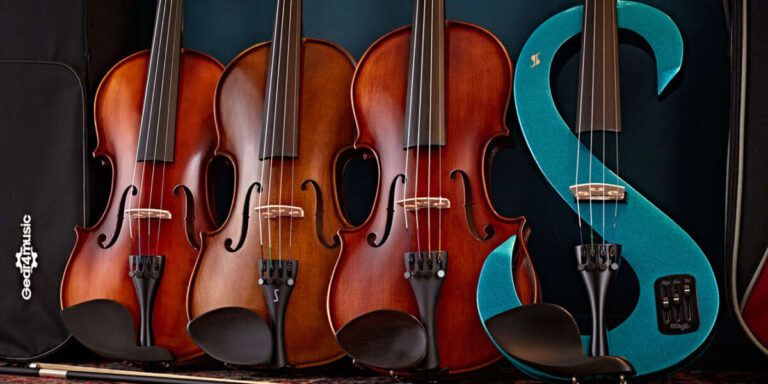
Acoustic or Electric Violin for a Beginner?
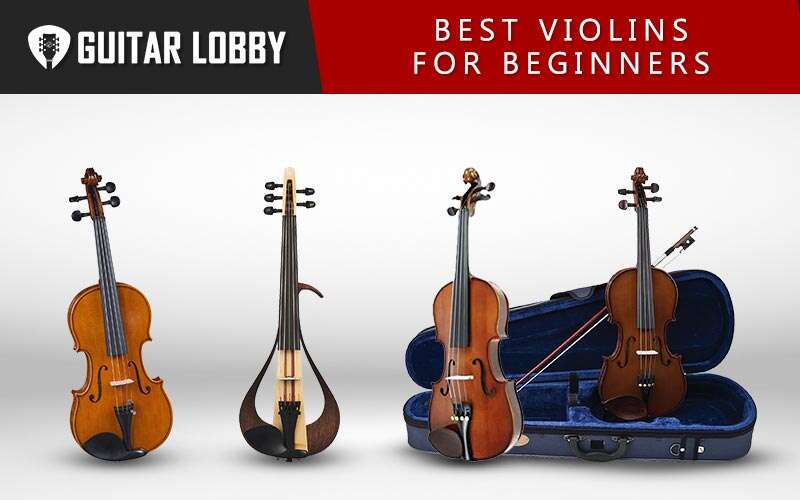
Most students should begin with an acoustic violin. It gives clear feedback about bow pressure, finger placement, tone, and resonance.
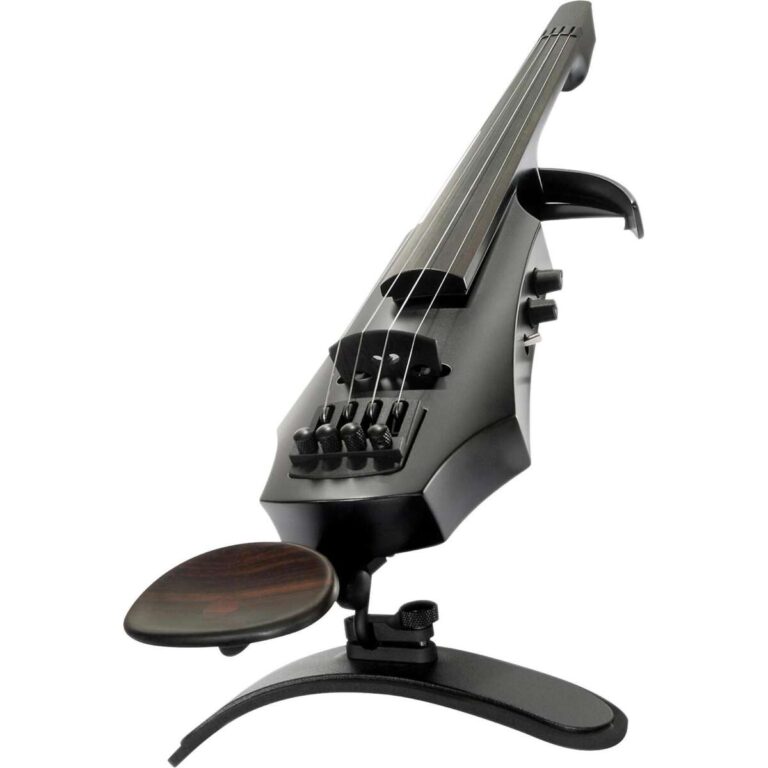
An electric violin can be useful for quiet practice, recording, or certain music styles. Still, many electric models feel different from acoustic violins and may hide mistakes through amplification or effects.
Benefits of an acoustic violin
- It teaches natural bow control.
- It responds clearly to changes in pressure.
- It works without an amplifier.
- It supports traditional lessons and orchestra playing.
- It usually costs less to maintain.
When an electric violin may help
- The student lives in an apartment with noise limits.
- The player needs headphones for late practice.
- The goal is rock, pop, or experimental music.
- The learner already understands basic acoustic technique.
For most first-time players, a good violin for beginners should be acoustic. An electric instrument can come later when the player understands posture, tone, and intonation.

New, Used, or Rental: Which Is Best?
Renting is often the smartest choice for a young student or uncertain beginner. Children may change size quickly, and a rental program may allow easy exchanges.
A quality rental may also include insurance, maintenance, and a better setup than a very cheap new violin. This can reduce the risk of spending money on an instrument that the student soon outgrows.
Buying a new violin makes sense when:
- The player is committed to regular practice.
- The correct size is known.
- The instrument has a reliable setup.
- A return policy is available.
- The case and bow are usable.
Buying used can offer excellent value, but it requires careful inspection. Look for open seams, cracks, loose fittings, damaged varnish, and worn pegs. Small cosmetic marks are not always serious, but structural damage may cost more to repair than the violin is worth.
When I help beginners compare instruments, I suggest testing two or three violins at the same price. The easiest one to play is often the better choice, even if another violin looks more attractive.

Features to Look for in a Beginner Violin
A good violin for beginners should have practical features rather than decorative extras. Fancy wood patterns and shiny finishes do not guarantee better sound.
Solid or laminated wood
Many beginner violins use laminated wood. It is affordable and durable, though it may not offer the same depth as well-made solid wood.
A carefully built solid-wood violin can sound more open and responsive. However, poor construction can cancel out that advantage. Build quality and setup are more important than one material label.
Fine tuners
Fine tuners make small pitch changes easy. Beginners often benefit from four fine tuners, especially while developing finger control.
Some players later remove most fine tuners because they prefer the lighter tailpiece and traditional tuning method. There is no need to rush this change.
Strings
Strings strongly affect sound and comfort. Very cheap strings may feel harsh, whistle, or make the instrument sound thin.
A violin shop can recommend beginner-friendly strings. The right set depends on the instrument, playing style, and budget.
Bow quality
The bow is part of the instrument’s voice. A warped bow or weak bow hair can make sound production difficult.
Check that the bow is straight when viewed from the frog to the tip. The hair should tighten evenly and loosen after playing. Never leave the bow tightened in its case.
How Much Should a Beginner Violin Cost?
Prices vary by country, materials, setup, and seller. In the United States, a dependable beginner outfit often costs more than the cheapest online packages.
As a general guide:
- Entry-level outfits may cost about $100 to $250.
- More reliable student outfits often cost about $250 to $700.
- Advanced student instruments may cost $700 to $1,500 or more.
- Rental plans may cost a monthly fee and often include maintenance.
These ranges are broad. A $150 violin can be playable, while a $500 violin can still be disappointing if it has a poor setup.
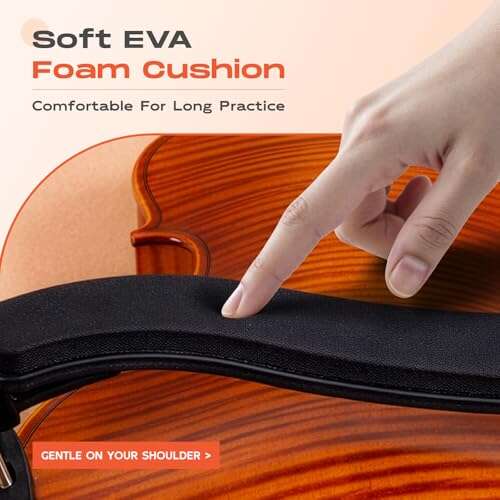
Budget for more than the violin itself. Beginners may also need rosin, a shoulder rest, extra strings, a music stand, a tuner, and occasional repairs.
The most useful question is not, “What is the cheapest violin?” Ask instead, “Which instrument gives the student the best chance to practice comfortably?”

Beginner Violin Brands and Buying Options
Several brands are known for producing student instruments, but model quality can vary. Common names found in the beginner market include Yamaha, Eastman, Stentor, Cecilio, Mendini, and Scott Cao.
Brand lists should not replace hands-on inspection. Some brands offer several product lines, and their least expensive models may differ greatly from their better student instruments.
A specialist violin shop is often the safest place to buy. Shops can size the instrument, complete the setup, and provide advice after the sale.
When shopping online, check for:
- Clear photos of the bridge and fingerboard
- A stated setup process
- A return period
- Warranty details
- Customer support from violin specialists
- Reviews that discuss playability, not only appearance
Avoid listings that promise a “professional” violin at an unusually low price. Words such as “concert quality” are often marketing terms, not proof of craftsmanship.

Common Mistakes to Avoid
The wrong purchase can make a beginner believe they lack musical ability. In many cases, the instrument is the real obstacle.
Avoid these mistakes:
- Choosing a violin only because it has a low price
- Buying the wrong size for a child
- Ignoring the bow
- Skipping a professional setup
- Selecting a bright finish over good construction
- Using old or poor-quality strings
- Buying from a seller with no return policy
- Leaving the violin in a hot car
- Tightening the bow too much
- Storing the instrument without loosening the bow
One mistake I see often is buying a complete outfit without checking each part. A case may be weak, the bow may be warped, and the bridge may be badly cut. A package is useful only when its parts are usable.
A good violin for beginners should reduce barriers to practice. It should not require the student to fight the instrument every day.
How to Test a Beginner Violin
If possible, ask a teacher or experienced player to test the violin. A beginner may not yet know how to judge tone, response, or intonation.
The tester should play open strings, simple scales, and short melodies. Listen for even sound across all four strings.