How To Play Tabla Drums: Beginner’s Guide
Learn tabla by sitting correctly, learning basic bols, and practicing steady rhythms before adding speed or complex compositions.
Learning how to play tabla drums is a rewarding path into Indian rhythm, music, and culture. The tabla is not just a pair of hand drums; it is a language built from tone, touch, timing, and expressive patterns. This guide explains the instrument, basic strokes, posture, practice methods, common mistakes, and useful rhythms so you can begin with confidence and build sound technique.

What Is the Tabla?
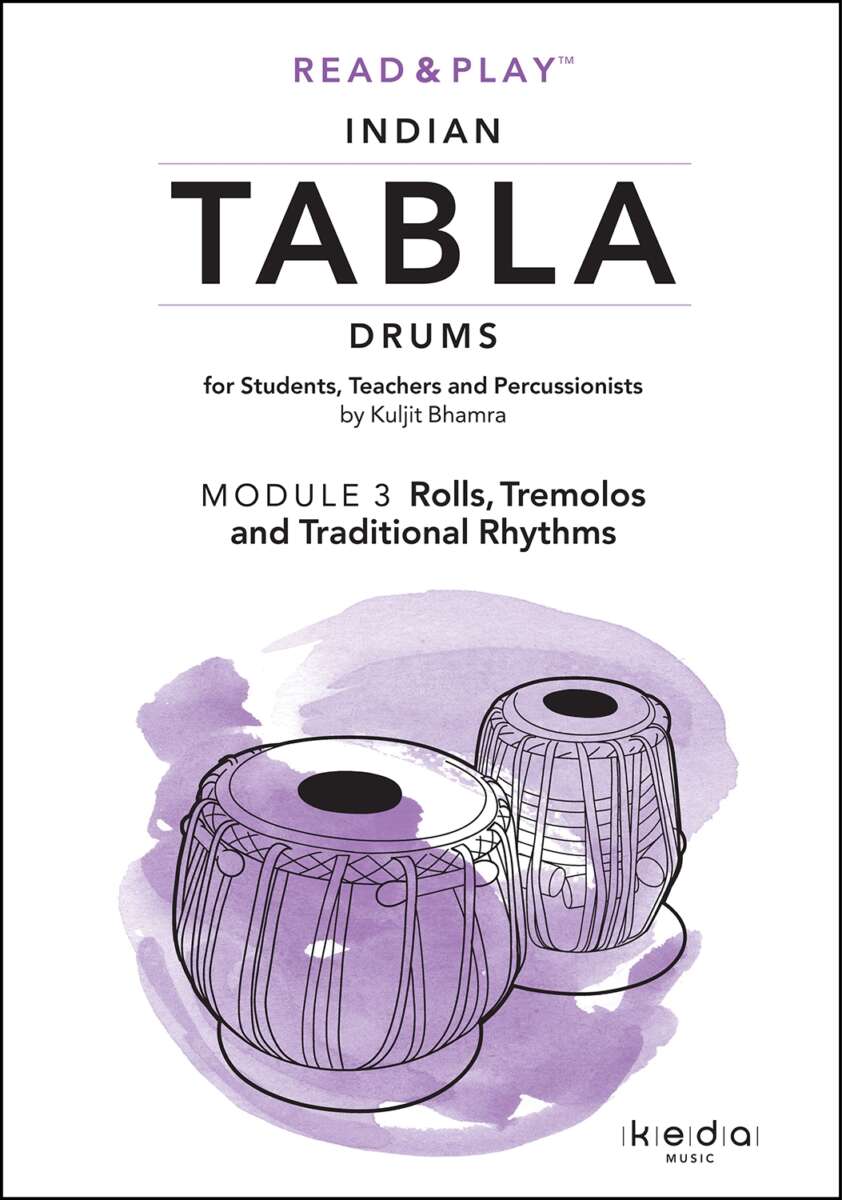
The tabla is a pair of tuned hand drums used in Hindustani classical music, devotional music, folk styles, film music, and modern fusion. The smaller drum is called the dayan, and the larger metal or wooden drum is called the bayan.
The dayan usually plays higher notes. It is played with the dominant hand. The bayan creates deep bass tones and is played with the other hand. Together, these drums can produce sharp, ringing notes, soft taps, rich bass sounds, and fast rhythmic phrases.
The black spot in the center of each drum is called the syahi. It helps create the tabla’s clear pitch and unique tone. The dayan is tuned to the main note of a composition, while the bayan is adjusted for a pleasing bass sound.
The word tabla often refers to the complete pair. When people ask how to play tabla drums, they usually mean how to coordinate both drums, learn traditional strokes, and perform rhythmic cycles called taals.

Understanding the Parts of the Tabla
Before learning how to play tabla drums, take time to identify each part. Knowing the instrument makes tuning, care, and technique much easier.
The dayan
The dayan is the smaller drum. It is often made from seasoned hardwood, such as sheesham or neem. Its head has several layers, including the outer rim, the playing area, and the central syahi.
The dayan produces bright sounds such as:
• Na
• Tin
• Ta
• Tun
• Te
Its pitch may be tuned to the tonic note of the singer or instrument. For example, if a vocalist sings mainly in C, the dayan may be tuned near C. A teacher or skilled tabla maker should help with exact tuning.
The bayan
The bayan is the larger bass drum. It may be made from brass, copper, steel, clay, or wood. Its wide head creates deep, flexible sounds.
The bayan produces sounds such as:
• Ge
• Ghe
• Ke
• Ka
You can change the bayan’s pitch slightly by pressing the heel or palm near the lower edge of the drum. This pressure creates the famous sliding bass effect heard in many tabla performances.
The gaddi and rings
The drums sit on padded circular cushions called gaddis. These cushions keep the instruments stable and protect the lower shells.
Small wooden blocks, called tuning blocks or gattas, sit between the straps and the shell of the dayan. Moving them can raise or lower the pitch during tuning.

How to Sit and Position the Tabla
Good posture is one of the first lessons in how to play tabla drums. It helps your hands move freely and prevents strain in your back, shoulders, wrists, and fingers.
Sit on the floor with your legs crossed or folded in a comfortable position. You may also sit on a firm cushion or low bench if floor sitting causes discomfort. Keep your back upright, but do not make it stiff.
Place the dayan on your right side and the bayan on your left side if you are right-handed. Left-handed players can reverse this setup, although some traditional teachers may prefer that students learn the standard arrangement.
Use these posture points:
• Keep both drums slightly in front of your knees.
• Angle the drumheads toward your hands, not away from them.
• Keep your shoulders relaxed.
• Let your elbows hang naturally near your body.
• Keep your wrists loose and level.
• Avoid lifting your fingers high above the drum.
• Sit close enough that your hands reach both drums without stretching.
Your fingers should move like small springs. They should not hit the drum with force from the whole arm. In my experience with beginner practice methods, the biggest early improvement comes from reducing tension. A relaxed hand often creates a louder and cleaner sound than a tense hand.

Basic Tabla Strokes for Beginners
The foundation of how to play tabla drums is learning clear bols. A bol is a spoken syllable that represents a particular stroke or combination of strokes. Tabla players often speak a rhythm before playing it.
Start with a small group of strokes. Do not try to learn every bol at once.
Na
Na is usually played on the dayan near the outer edge. Strike with the index finger while allowing the sound to ring clearly.
A good Na should sound open and bright. If it sounds dull, your finger may be landing too close to the center or staying on the head too long.
Tin
Tin is an open, ringing stroke on the dayan. It is often played with the ring finger or a combination of finger placement taught by your school or teacher.
The exact hand position varies between gharanas, or traditional teaching styles. The important goal is a clean, sustained tone.
Ta
Ta is a sharper, closed stroke on the dayan. The finger touches the drumhead in a way that stops the sound quickly.
Practice Ta slowly. Beginners often hit too hard, which creates a harsh sound instead of a focused one.
Tun
Tun is a deep, resonant open stroke on the dayan. It is played closer to the center than Na, with careful finger control.
Tun should sound full and stable. If the tone is weak, check your hand angle and make sure your finger is not collapsing against the drumhead.
Ge and Ghe
Ge and Ghe are bass strokes played on the bayan. They are made with the fingers or palm, depending on the style and the exact bol.
The sound should be round and warm. Avoid striking the bayan with excessive force. The drum’s size creates the bass; power alone does not create a better tone.
Ke or Ka
Ke and Ka are often closed bass strokes. They create a shorter sound than Ge or Ghe.
Some schools use slightly different names and techniques. This is normal. Tabla vocabulary can vary by region, gharana, teacher, and musical setting.
Dha and Dhin
Dha combines a dayan stroke with a bayan stroke. Dhin also combines both drums but uses a different dayan sound.
For example:
• Dha = a combination of Na or Ta with Ge
• Dhin = a combination of Tin with Ge
The exact form depends on the teaching tradition. Learn the sound and movement from a qualified teacher rather than relying only on written spelling.

Your First Tabla Practice Routine
A simple routine is more useful than a long session with no plan. When learning how to play tabla drums, aim for regular practice rather than occasional bursts of effort.
Start with 20 to 30 minutes a day. Increase the time only when your hands remain relaxed and your strokes stay clear.
Use this beginner routine:
-
Sit quietly for two minutes and check your posture.
-
Play slow, open strokes on the dayan for five minutes.
-
Practice Ge and Ke on the bayan for five minutes.
-
Combine simple strokes such as Dha and Dhin for five minutes.