When You Wish Upon A Star Piano Sheet Music: Best 2026 Guide
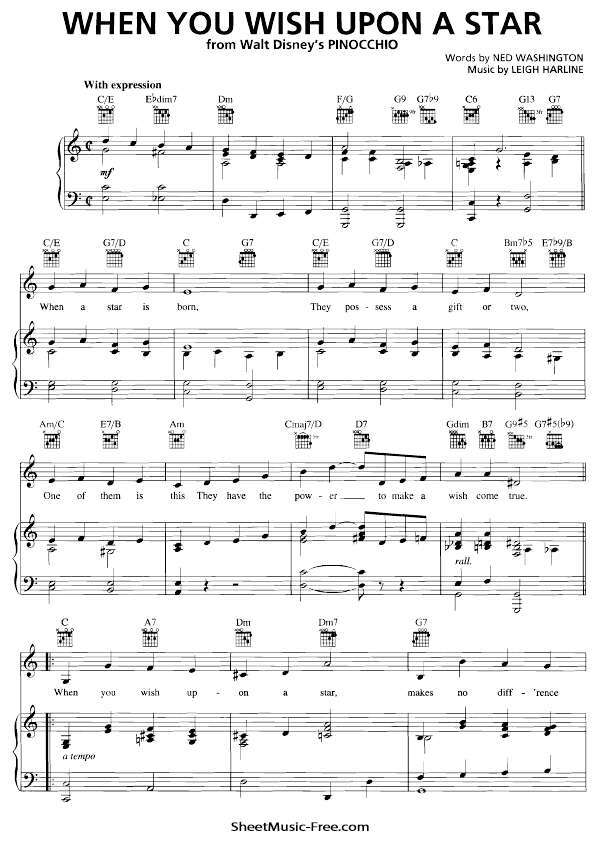
You can find high-quality when you wish upon a star piano sheet music across various difficulty levels online.
The melody of "When You Wish Upon a Star" is timeless. It evokes wonder and calm. I have taught and performed this Disney classic for years. I know that the right when you wish upon a star piano sheet music can change how you practice and how the song feels. A simple lead sheet can help a beginner. A lush jazz arrangement can challenge an advanced player. Picking the right arrangement is the first step to making this piece sing. In this guide, I walk you through finding, practicing, and performing the best when you wish upon a star piano sheet music for your needs.
Choosing the Right Arrangement for Your Skill Level
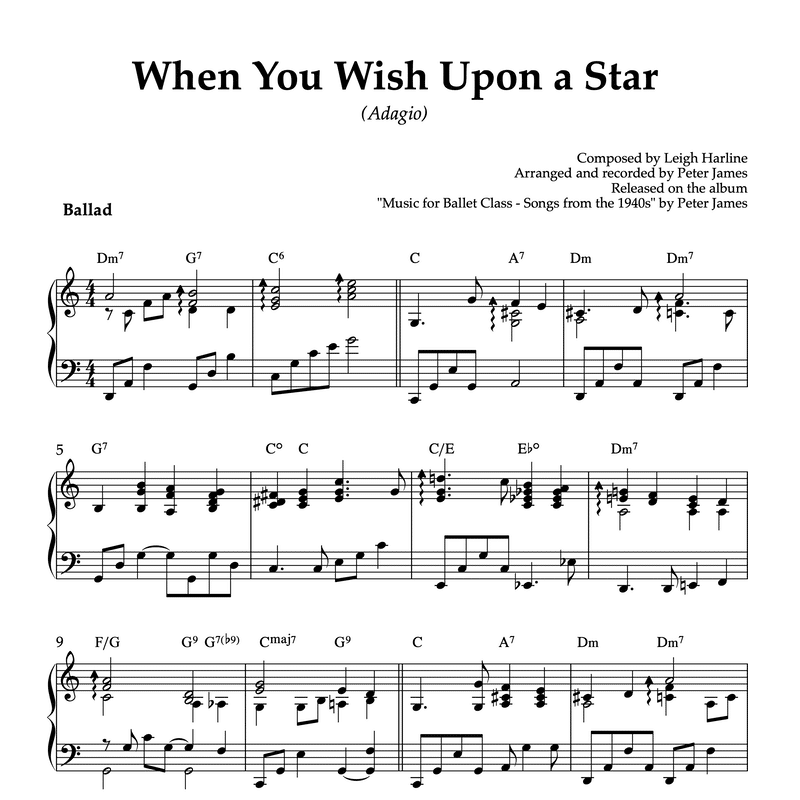
When you search for when you wish upon a star piano sheet music, you will see a big range of difficulty. Choose an arrangement that matches your current skills. That makes practice faster and more fun.
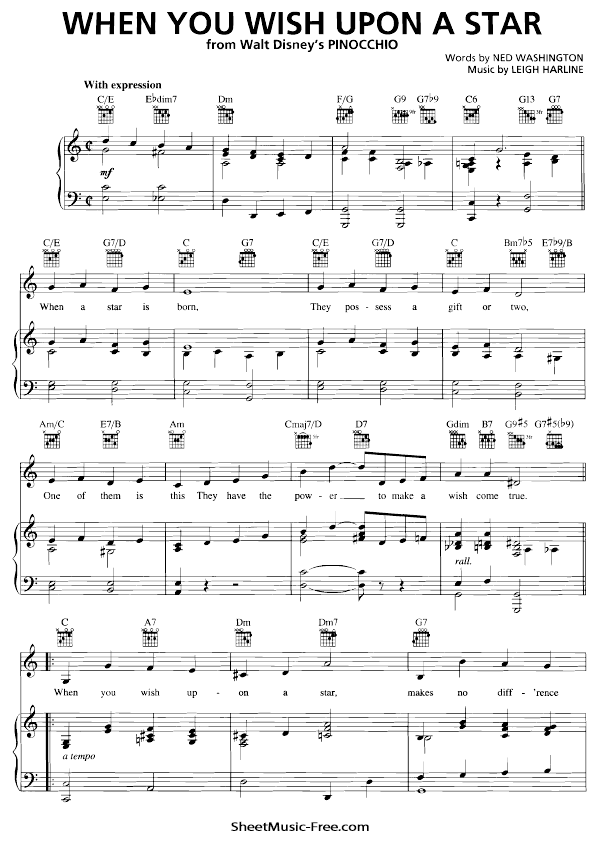
- Beginners: Look for single melody in the right hand. Choose simple left-hand chords or block chords. These easy piano or beginner piano versions let you focus on phrasing and timing. Many are labeled "easy piano" or "beginner piano" and include note letters inside the note heads.
- Intermediate: Try arrangements with arpeggios or broken chords. These create a flowing, dreamy texture. They often include simple ornaments and basic reharmonization.
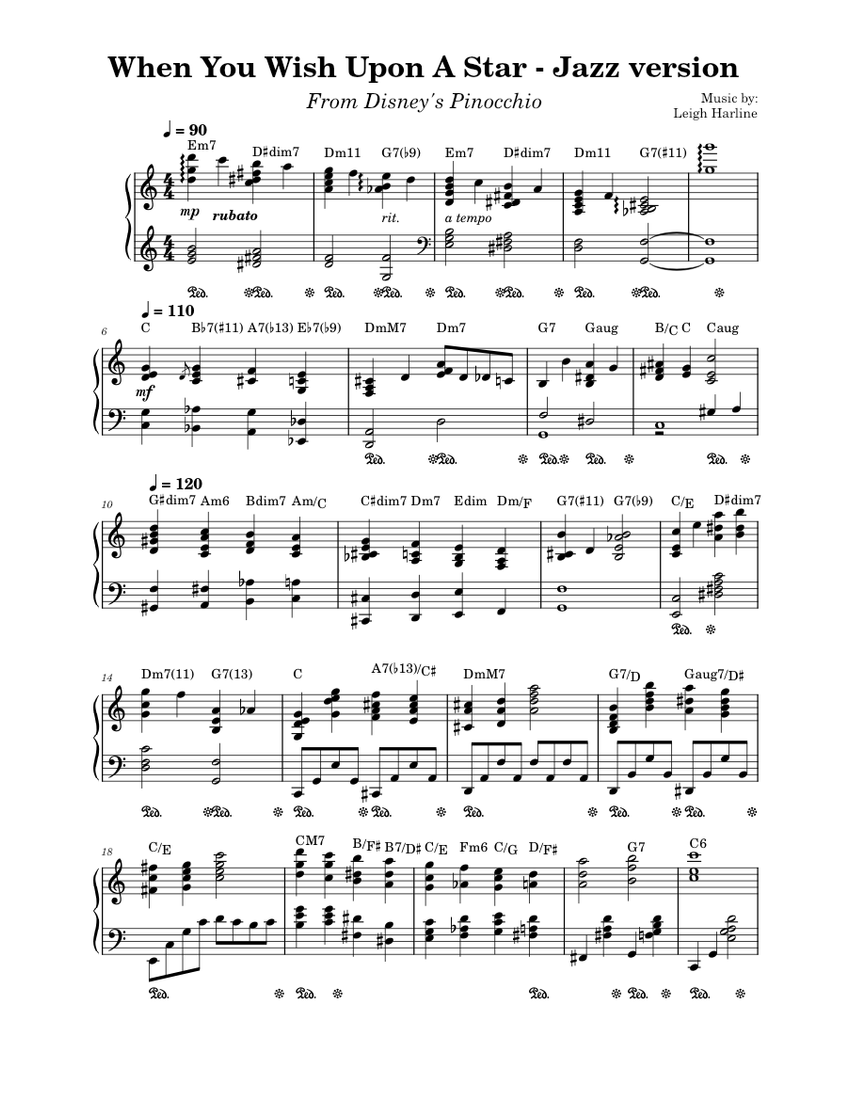
- Advanced: Seek jazz lead sheets, solo piano transcriptions, or full arrangements. These may include seventh chords, chromatic passing tones, inner voice movement, and reharmonizations. They require stronger technique and harmonic awareness.
I always check sample pages before I buy or download. Samples show layout, spacing, and the arranger's style. That helps me avoid versions that are too hard or too sparse. Look for terms like "lead sheet," "arrangement for solo piano," "jazz arrangement," or "easy piano" in the product title or description.
Matching the arrangement to the performance context
If you plan to accompany a singer, pick an arrangement that leaves space for voice and can transpose easily. If you perform solo, choose versions with fuller left-hand textures or additional voicing. For studio work, a clear lead sheet with chord symbols might be best.
Tips for Mastering the Melody and Expression
Playing this song well is more than hitting the right notes. It is about telling the story inside the music. Here are focused, practical tips I use with students.
- Learn the melody on its own first. Play it with the right hand only. Aim for smooth phrasing and even tone.
- Watch dynamics. Play the left hand softer. Bring the melody forward. That creates a clear, singing line.
- Use rubato sparingly. A slight hold on long notes and a gentle push toward phrase ends can make the piece feel alive.
- Mind the breath points. Treat phrase endings like a singer would. Use small silence or a held chord to shape the phrase.
- Work on voicing. In chords, bring out the top note. Keep inner voices quiet.
- Practice hands separately, then slowly together. Use a metronome at first. Gradually free the tempo after the notes feel secure.
- Add tasteful ornamentation only when the basic line is secure. Grace notes and simple turns can enhance the melody when done with care.
Practice routine I recommend:
- Warm up with scales and arpeggios in the piece’s key.
- Play the melody alone for 5–10 minutes.
- Practice left-hand pattern slowly for 5 minutes.
- Combine hands at slow tempo.
- Do 2–3 run-throughs at performance tempo.
Short, focused sessions beat long, unfocused ones. I often break the piece into 8–16 measure sections and master each section in isolation before linking them.
Finding Reliable Sources for Sheet Music
There are many platforms that host when you wish upon a star piano sheet music. Some are official stores. Others are community sites or score-sharing platforms. Here is how I judge a source.
- Clear previews: Look for high-resolution PDF samples. They show engraving quality and layout.
- Licensing and legality: Prefer sites that state licensing or publishing rights. This supports arrangers and publishers.
- Search filters: Platforms that let you filter by difficulty, instrument, and genre save time.
- Interactive tools: Some sites let you transpose, print, or playback the score. This is useful for rehearsal and for singers.
- Reputation: Read reviews. Trusted sellers include big retailers, specialized sheet music shops, and established score communities like MuseScore.
I often use services that let me transpose the when you wish upon a star piano sheet music. Transposition helps when accompanying different voice types. The ability to change key quickly saves hours of editing.
Helpful entities and terms to look for when searching:
- "Leigh Harline" (composer credit for the original arrangement)
- "Disney sheet music" and "Pinocchio"
- "easy piano," "intermediate piano," "advanced piano"
- "lead sheet," "solo piano arrangement," "jazz reharmonization"
- "PDF download," "printable sheet music," "Musescore"
Recommended types of vendors
- Official publishers and licensed digital stores for professional-grade editions.
- MuseScore and community score sites for user arrangements and practice versions.
- Sheet music retailers (digital or physical) for polished, engraved scores.
How to Choose the Best Key and Transpose Easily
The original is often heard in C major. That key is beginner-friendly and sits well on the piano. Many arrangers also use F or G major. These keys can offer warmer tones or easier voice-leading for certain chords.
If you need to change key:
- Use digital tools or a printed transpose chart.
- On interactive sites, use the transpose feature before downloading.
- If you transpose manually, check accidentals and voice-leading carefully.
- For singers, find a key that keeps the melody within their comfortable range.
I recommend trying a few keys while playing along with a recorded track. That helps you pick the best key for tone and vocal range.
Copyright, Licensing, and Legal Downloads
Always check copyright status. "When You Wish Upon a Star" is a Disney composition and is typically copyrighted. Free versions may be community transcriptions. They vary in accuracy and legality.
- Buy licensed copies when possible. This supports composers and arrangers.
- Use public-domain or Creative Commons only when clearly labeled.
- For public performances or recordings, verify performance rights with appropriate licensing organizations.
I advise my students to avoid low-quality scans that lack clear noteheads or tempo markings. Good engraving saves rehearsal time.
Practice Tools and Software I Use
These tools help me and my students learn the piece faster:
- MuseScore: score editor and playback for user scores.
- Musicnotes and Sheet Music Plus: large catalogs for licensed editions.
- Sibelius and Finale: for editing and custom arrangements.
- Metronome apps and slow-down tools for tricky passages.
- A good-quality PDF reader for annotations and printing.
Frequently Asked Questions of when you wish upon a star piano sheet music
Is there a free version of when you wish upon a star piano sheet music available?
Yes, you can find public domain or community-shared versions online, though the quality and accuracy of these free arrangements may vary significantly. For professional-grade when you wish upon a star piano sheet music, investing in a paid version is often the best choice for clarity.
What is the best key to play when you wish upon a star piano sheet music?
The original song is often played in the key of C Major, which is very beginner-friendly and accessible. Many advanced versions of when you wish upon a star piano sheet music transpose it to F or G Major to take advantage of different tonal colors.
Can I find when you wish upon a star piano sheet music for beginners with note letters?
Yes, many beginner-focused resources provide when you wish upon a star piano sheet music that includes letter names inside the note heads. This is a wonderful way for new students to learn the melody without needing to be fluent in reading sheet music notation yet.
Should I look for solo or accompaniment when you wish upon a star piano sheet music?
It depends on whether you intend to play the song as a standalone piano solo or as a backing track for a singer. Make sure you select the specific version of when you wish upon a star piano sheet music that fits your intended performance style.
How long does it take to learn when you wish upon a star piano sheet music?
Most players can learn a simple version of when you wish upon a star piano sheet music within a few days of consistent practice. More complex arrangements may require weeks of work to refine the technique and emotional delivery required for a polished performance.
How can I tell if a sheet is well-engraved and reliable?
Good engraving uses clear staves, readable noteheads, and consistent spacing. Look for:
- Clear tempo and dynamic markings.
- Accurate chord symbols and voicing.
- Cleanly notated rhythms.
If a sample page is blurry or cropped, avoid it.
Are there recommended arrangements for different styles?
Yes. For a classical feel, search for solo piano transcriptions. For a pop or easy piano vibe, look for simple lead sheets. For jazz, seek reharmonized lead sheets or solo jazz arrangements.
Conclusion
Mastering this iconic melody is a rewarding goal. The right when you wish upon a star piano sheet music is your most valuable tool. Focus on your skill level. Pay attention to emotional expression. Choose high-quality, legal sources. With those in place, you can turn simple notation into an enchanting performance.
Download a version that inspires you today and start practicing. Whether you play for yourself, for students, or for friends, this melody brings a touch of magic into the room. If you enjoyed these tips, feel free to explore more resources on music theory or leave a comment about your favorite way to play this classic song.
If you would like, I can recommend specific editions and links for easy, intermediate, or advanced when you wish upon a star piano sheet music—tell me your skill level and whether you need a printable PDF or a lead sheet for singing.

Senior Music Reviewer
Alex Carter is a seasoned music reviewer with over a decade of experience in the world of sound and instruments. Passionate about helping musicians and enthusiasts make informed choices, he brings sharp insights and in-depth knowledge to every review. From classical instruments to modern gear, Alex combines technical expertise with a love for music to deliver content that resonates with readers.
As a Senior Music Reviewer and expert author on Tuneluma.com, Alex is dedicated to sharing honest evaluations, practical advice, and thoughtful commentary to guide readers in their musical journey.